Loading Page

Eye of the Storm(1997)
Status: Released
Date: 1997-01-01
0%
0 Votes
Time: 0h 44m
Overview:
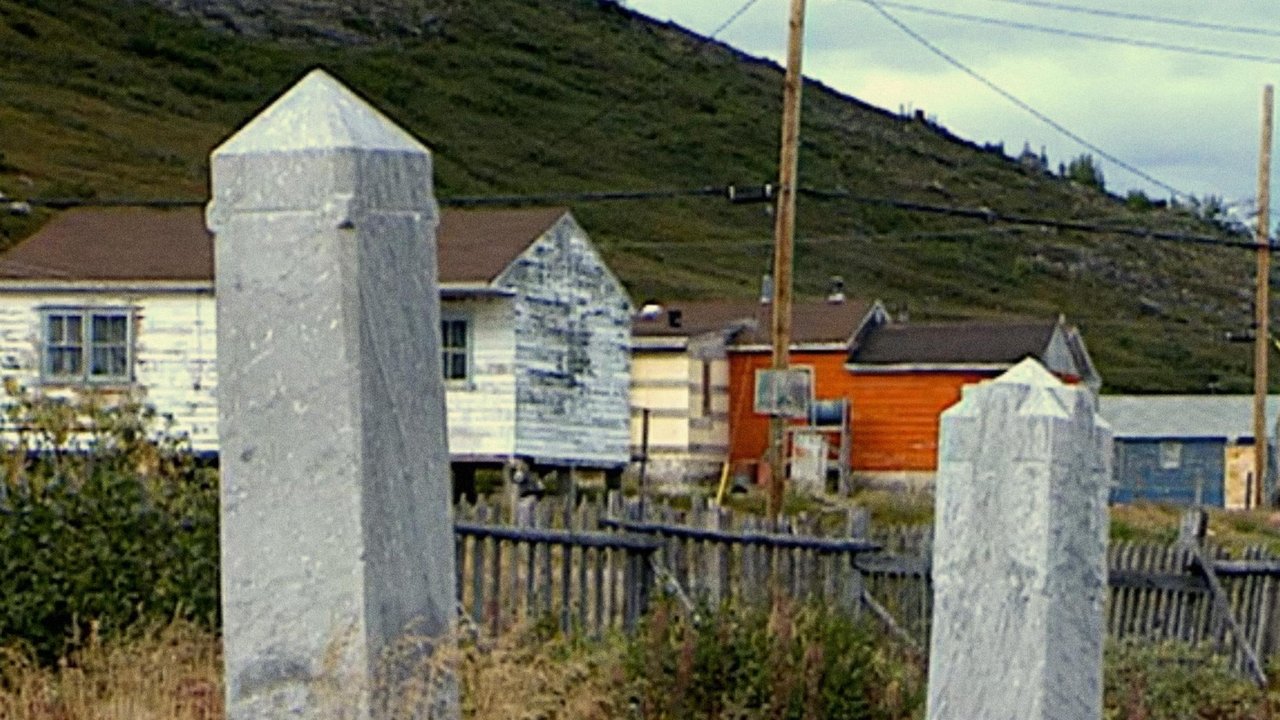
A documentary about Nain, a Labrador Inuit community located near the world's largest nickel and copper deposits. As commercial mining interests prepare to exploit the resources, local residents consider the potential environmental and cultural impact. Meanwhile longstanding Aboriginal land claims are unsettled.
Languages: English.
Countries:
Canada
ProductionCompanies: 
Lazybank Productions
Movie: Eye of the Storm
Top 1 Billed Cast
HomePage
Overview
A documentary about Nain, a Labrador Inuit community located near the world's largest nickel and copper deposits. As commercial mining interests prepare to exploit the resources, local residents consider the potential environmental and cultural impact. Meanwhile longstanding Aboriginal land claims are unsettled.
Release Date
1997-01-01
Average
0
Rating:
0.0 startsTagline
Genres
Languages:
EnglishKeywords
Similar Movies


0%
Tshiuetin(fr)
2016-09-08
Take a breathtaking train a ride through Nothern Quebec and Labrador on Canada’s first First Nations-owned railway. Come for the celebration of the power of independence, the crucial importance of aboriginal owned businesses and stay for the beauty of the northern landscape.

0%
this river(en)
2016-10-05
Join a grassroots collective of volunteers as they search Winnipeg’s Red River and its banks for clues to find out what happened to their missing family and friends. The documentary demonstrates the devastating experience of searching for a loved one who didn't come home with profundity and humanity.

0%
Québec...?(fr)
1967-01-01
This short documentary film is a fascinating portrait of urban and rural Quebec in the late 1960s, as the province entered modernity. The collective work produced for the Quebec Ministry of Industry and Commerce calls on several major Quebec figures.

100%
Takayna(en)
takayna / Tarkine in northwestern Tasmania is home to one of the last undisturbed tracts of Gondwanan rainforest in the world, and one of the highest concentrations of Aboriginal archaeology in the hemisphere. Yet this place, which remains largely as it was when dinosaurs roamed the planet, is currently at the mercy of destructive extraction industries, including logging and mining. Weaving together the conflicting narratives of activists, locals and Aboriginal communities, and told through the experiences of a trail running doctor and a relentless environmentalist, this documentary, presented by Patagonia Films, unpacks the complexities of modern conservation and challenges us to consider the importance of our last truly wild places.

0%
Priory: The Only Home I've Got(en)
1979-01-01
The Priory is a public extended-care hospital in Victoria, British Columbia, for people suffering from chronic geriatric illnesses. Treatment is innovative. It is based on the theory that even the ordinary activities of a patient's life contain elements of therapy. The film shows us how patients are encouraged to do as much as they can for themselves despite their confinement to wheelchairs.

0%
Namatjira Project(en)
2017-09-05
From the remote Australian desert to the opulence of Buckingham Palace - Namatjira Project is the iconic story of the Namatjira family, tracing their quest for justice.


65%
Gold Blooded(en)
2018-02-07
Dakota Fred Hurt, Dustin Hurt and the Richardson brothers battle nature, time, and death itself to strike gold under a huge waterfall. This film documents what Fred and Dustin were up to since they left Discovery's GOLD RUSH, and it's the prequel to Discovery's new show starring this team called GOLD RUSH: WHITE WATER.

75%
Ablaze(en)
2022-05-26
A feature documentary about opera singer Tiriki Onus who finds a 70-year-old silent film believed to be made by his grandfather, Aboriginal leader and filmmaker Bill Onus. As Tiriki travels across the continent and pieces together clues to the film’s origins, he discovers more about Bill, his fight for Aboriginal rights and the price he paid for speaking out.

70%
The Wild(en)
2019-05-19
Newly into addiction recovery, an urgent threat emerges to spur filmmaker, Mark Titus back to the Alaskan wilderness - where the people of Bristol Bay and the world's last intact wild salmon runs face devastation if a massive copper mine is constructed.

0%
Bakala(en)
2017-09-17
Anindilyakwa man, Steve 'Bakala' Wurramara is afflicted with a profound hereditary neurodegenerative disorder. While modern medicine looks for answers, the stories of an ancient curse and black magic still permeate this remote Aboriginal community in far northern Australia. Bakala enlists the help of his daughter to search for a cure from the traditional bush medicines in the land, desperate to find an answer before she too is diagnosed. As his desperation grows and his disorder takes an ever greater hold, Bakala realises he must fight this ancient curse to unlock the secrets of his Ancestors.

100%
Bauxita(en)
2023-07-14
Brazil is one of the most dangerous countries for environmentalists. The rural community of Belisário holds the country's second largest bauxite reserve, right below one of the most bio-diverse areas in the world: the Atlantic Forest. The small community was shaken when the beloved Gilberto, a Franciscan Friar, received a death threat followed by the lines: "you've been talking against mining way too much". PT: O Brasil é um dos países mais perigosos do mundo para defensores do meio ambiente. Em Minas Gerais, a comunidade rural de Belisário abriga a segunda maior reserva de bauxita do país, em uma das áreas de maior biodiversidade do mundo: a Mata Atlântica. A tranquilidade do pequeno vilarejo foi abalada quando Frei Gilberto, um franciscano que dedica sua vida à preservação da natureza, recebeu uma ameaça de morte com o seguinte aviso: "você tem falado demais contra a mineração".

89%
Stealing Africa(en)
2012-11-28
Zambia's copper resources have not made the country rich. Virtually all Zambia's copper mines are owned by corporations. In the last ten years, they've extracted copper worth $29 billion but Zambia is still ranked one of the twenty poorest countries in the world. So why hasn't copper wealth reduced poverty in Zambia? Once again it comes down to the issue of tax, or in Zambia's case, tax avoidance and the use of tax havens. Tax avoidance by corporations costs poor countries and estimated $160 billion a year, almost double what they receive in international aid. That's enough to save the lives of 350,000 children aged five or under every year. For every $1 given in aid to a poor country, $10 drains out. Vital money that could help a poor country pay for healthcare, schools, pensions and infrastructure. Money that would make them less reliant on aid.

0%
Uranium(en)
1990-11-07
Explores the consequences of uranium mining in Canada. Toxic and radioactive waste pose profound, long-term environmental hazards. Miners suffer a substantially increased risk of getting cancer. Most mining occurs on Indigenous People's land, violating their traditional economic and spiritual lives. Given our limited knowledge of the risks associated with uranium mining, why continue?

80%
Once We Were Pitmen(de)
2023-05-10
Black dust, shrill metallic noises, dark tunnels, muscular bodies – all that is the past. At the end of 2018, extraction of coal throughout Germany came to an end. That same year, the voices of the emerging climate protest movement Fridays for Future grew louder. Against the backdrop of these media and socio-political events, the film follows five miners on their tragic, humorous and heartwarming search for a new role in life.

0%
Xapiri(pt)
2016-09-23
Xapiri is a Yanomami term that characterizes the shamans, male spirits (xapiri thëpë) and also auxiliary spirits (xapiri pë). Xapiri is an experimental film about Yanomami shamanism that was filmed during a meeting of 37 shamans at the Watoriki Reserve, Roraima, in March of 2011. The film was designed to take into account two different notions of image: those of the Yanomami and ours. Therefore, it does not set out to explain shamanism, its methods or procedures, but to allow different cultures to visualize and feel the way in which the shamans “embody” the spirits, their bodies and voices.

0%
Newfoundland Scene(en)
1951-01-02
A portrait of Newfoundland that records a way of life that has all but disappeared.

0%
Confederation Film(en)
2021-03-24
Short doc/essay film exploring Newfoundland's relationship to film before and after confederation.

0%
Grove Carnival(en)
1981-01-01
A kaleidoscopic celebration of the 1980 Notting Hill Carnival. Arts Council of Great Britain.