
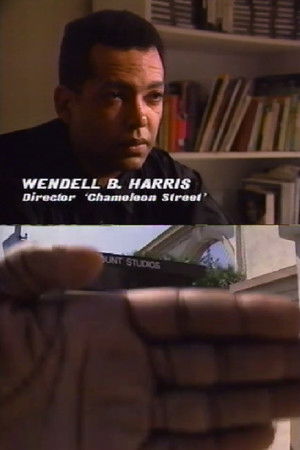
Chameleon Street: The Black Film They Could Not Sell(1991)
Elvis Mitchell uncovers why Chameleon Street (1989) by Wendell B. Harris Jr. failed to secure a proper distributor deal. Originally aired as a segment on "20/20".

Movie: Chameleon Street: The Black Film They Could Not Sell
Top 10 Billed Cast
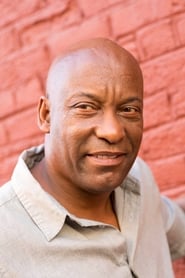
Self - Director, 'Boyz N' the Hood' (archive footage)
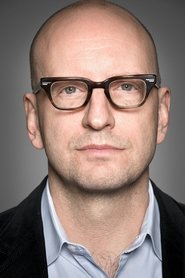
Self - Director, 'Sex, Lies & Videotape'
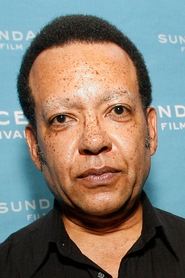
Self - Director, 'Chameleon Street'

Self - Film Critic

Self (archive footage)
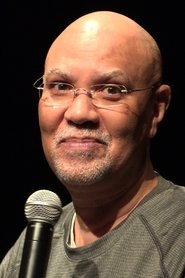
Self - Producer, 'House Party'
Video Trailer Chameleon Street: The Black Film They Could Not Sell
All 1 videos
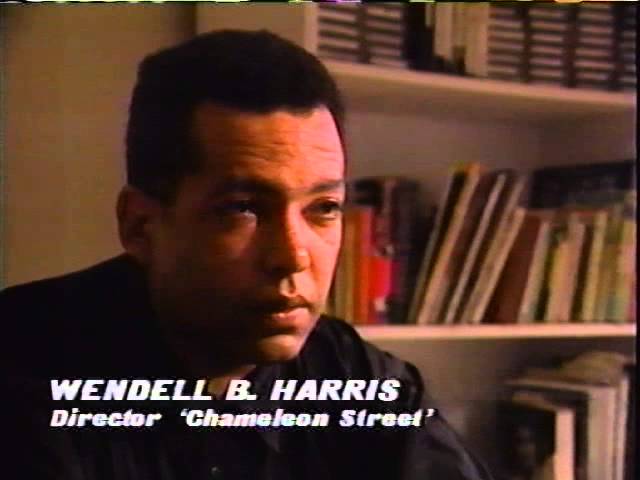
ABC's 20/20 segment "Chameleon Street: The Black Film They Could Not Sell" - Clip
Similar Movies

Glenn Close, l'art de la transformation(fr)
Actress Glenn Close can transform herself into different roles like a chameleon. Behind this versatility lies an artist who had to get over a lot in her personal life to become the star she is today. Close looks back on her long career of prestigious filmmaking.


Cazuza: Good News(pt)
It explores the last two years of Brazilian singer Cazuza's life, from his AIDS diagnosis until his death. Nilo Romero, Cazuza's music producer and the film's director, created a collection of rarely seen and controversial images.

Untitled Modest Mouse Documentary(en)
Documentary about the indie rock band Modest Mouse made around 1997, as they were recording their second album, The Lonseome Crowded West

To Hell and Back: The Kane Hodder Story(en)
To Hell and Back: The Kane Hodder Story is the harrowing story of a stuntman overcoming a dehumanizing childhood filled with torment and bullying in Sparks, Nevada. After surviving a near-death burn accident, he worked his way up through Hollywood, leading to his ultimate rise as Jason Voorhees in the Friday the 13th series and making countless moviegoers forever terrified of hockey masks and summer camp. Featuring interviews with cinema legends, including Bruce Campbell (Ash vs. Evil Dead), Robert Englund (Freddy Krueger), and Cassandra Peterson (Elvira: Mistress of the Dark), To Hell and Back peels off the mask of Kane Hodder, cinema's most prolific killer, in a gut-wrenching, but inspiring, documentary. After decades of watching Kane Hodder on screen, get ready to meet the man behind the mask in To Hell and Back - an uniquely human story about one of cinema's most vicious monsters.

We're Not Even Supposed to Be Here Today: 3 Decades of Clerks(en)
A documentary covering 3 decades of Clerks films


The Hugo's Brain(fr)
The Hugo's Brain is a French documentary-drama about autism. The documentary crosses authentic autistic stories with a fiction story about the life of an autistic (Hugo), from childhood to adulthood, portraying his difficulties and his handicap.

Monsieur Truffaut Meets Mr. Hitchcock(en)
When Francois Truffaut approached Alfred Hitchcock in 1962 with the idea of having a long conversation with him about his work and publishing this in book form, he didn't imagine that more than four years would pass before Le Cinéma selon Hitchcock finally appeared in 1966. Not only in France but all over the world, Truffaut's Hitchcock interview developed over the years into a standard bible of film literature. In 1983, three years after Hitchcock's death, Truffaut decided to expand his by now legendary book to include a concluding chapter and have it published as the "Edition définitive". This film describes the genesis of the "Hitchbook" and throws light on the strange friendship between two completely different men. The centrepieces are the extracts from the original sound recordings of the interview with the voices of Alfred Hitchcock, Francois Truffaut, and Helen Scott – recordings which have never been heard in public before.

Trintignant by Trintignant(fr)
A portrait of a man of rare elegance and enigmatic charm, versatile and successful: Jean-Louis Trintignant, one of the most critically acclaimed French actors of the last sixty years, known for his numerous roles on stage and screen.

Firehouse(en)
Conflict erupts within a close-knit engine company of a big-city fire department when a black recruit and a bigoted white veteran clash during a wave of suspected arson in the ghetto. Pilot to the short-lived series that began a run in January 1974.

Dear Ms.: A Revolution in Print(en)
Three filmmakers dive deep into the storied and complex legacy of Ms. magazine through the lens of some of its most iconic covers, featuring never-before-seen archival footage and engaging interviews with the powerful women who shaped the magazine at its inception over fifty years ago

FC Roma(cs)
A team of Romany football players try to overcome prejudice in this Czech documentary.

The Making of "The Piano Tuner of Earthquakes"(en)
An Interview with The Quay Brothers & Alan Passes April 2006 at Atelier Konick, London

SIMON! The Joy of Conducting(de)
“As I child, I always had music in my head. I thought everybody did,” the legendary conductor Sir Simon Rattle recalls. His charming and humorous reflections on the unifying magic of conducting are complemented by interviews with well-known contemporaries and accompanied by thrilling concert footage. His music is a joy to all those who listen to it!

Billy Connolly: Life, Death and Laughter(en)
Billy Connolly returns to Glasgow’s famous Kings Theatre, where his journey into comedy first began, to talk life, death and laughter, in a no holds barred encounter with Will Gompertz.

Kubrick by Kubrick(fr)
American filmmaker Stanley Kubrick (1928–1999), one of the greatest in history, but also one of the most reserved, gave few interviews throughout his long career, and none of them were filmed. A first-person journey through his life and work, based on a recorded conversation with French film critic Michel Climent.

Flag Wars(en)
Filmed over four years, this documentary focuses on the impacts of gentrification as gay white professionals move into a largely black working-class neighborhood in Columbus, Ohio.

Are we all racists?(fr)
In this unprecedented primetime program, 50 volunteers take part in experiments without knowing that the aim of the program is to understand the unconscious mechanisms that can lead us to discriminatory behavior. Because if they knew, it would bias the results of the experiments.