Loading Page

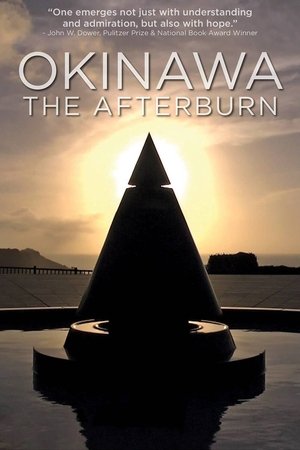
Okinawa: The Afterburn(2015)
Status: Released
Date: 2015-06-20
10%
2 Votes
Time: 2h 28m
Overview:
On April 1, 1945, the United States military launched its invasion of the main island of Okinawa, the start of a battle that was to last 12 weeks and claim the lives of some 240,000 people. This film depicts the Battle through the eyes of Japanese and American soldiers who fought each other on the same battlefield, along with Okinawa civilians who were swept up in the fighting. The film also depicts the history of discrimination and oppression forced upon Okinawa by the American and Japanese governments. Carrying up to the current controversy over the construction of a new base at Henoko, the film explores the root causes of the widespread disillusionment and anger expressed by many Okinawans. This ambitious documentary was directed by the American John Junkerman, long-term resident of Japan and Oscar-nominated documentary filmmaker. Okinawa: The Afterburn is a heartfelt plea for peace and an expression of deep respect for the unyielding spirit of the Okinawa people.
Languages: English, Japanese.
Countries:
Japan
ProductionCompanies: 
Movie: Okinawa: The Afterburn
Video Trailer Okinawa: The Afterburn
All 1 videos

“OKINAWA : The Afterburn (Okinawa: Urizun no Ame)“ trailer - Trailer
Similar Movies

80%
Japan's War in Colour(en)
2005-01-17
Using never-before-seen footage, Japan's War In Colour tells a previously untold story. It recounts the history of the Second World War from a Japanese perspective, combining original colour film with letters and diaries written by Japanese people. It tells the story of a nation at war from the diverse perspectives of those who lived through it: the leaders and the ordinary people, the oppressors and the victims, the guilty and the innocent. Until recently, it was believed that no colour film of Japan existed prior to 1945. But specialist research has now unearthed a remarkable colour record from as early as the 1930s. For eight years the Japanese fought what they believed was a Holy War that became a fight to the death. Japan's War In Colour shows how militarism took hold of the Japanese people; describes why Japan felt compelled to attack the West; explains what drove the Japanese to resist the Allies for so long; and, finally, reveals how they dealt with the shame of defeat.

75%
Occupation 101: Voices of the Silenced Majority(en)
2006-03-25
A thought-provoking documentary on the current and historical causes of the Israeli-Palestinian conflict and U.S. political involvement.

0%
Island Ablazed(ru)
1961-01-01
Documentary recounting the story of the Cuban Revolution and its impact on the young people of Cuba.

82%
Aghet(de)
2010-04-09
2010 documentary film on the Armenian Genocide by the Young Turk government of the Ottoman Empire during World War I. It is based on eyewitness reports by European and American personnel stationed in the Near East at the time, Armenian survivors and other contemporary witnesses which are recited by modern German actors.


68%
Resurface(en)
2017-04-23
A suicidal war veteran finds like-minded souls in a surf therapy program that helps traumatized soldiers heal while riding the waves.

64%
Inside Deep Throat(en)
2005-02-11
In 1972, a seemingly typical shoestring budget pornographic film was made in a Florida hotel: "Deep Throat," starring Linda Lovelace. This film would surpass the wildest expectation of everyone involved to become one of the most successful independent films of all time. It caught the public imagination which met the spirit of the times, even as the self-appointed guardians of public morality struggled to suppress it, and created, for a brief moment, a possible future where sexuality in film had a bold artistic potential. This film covers the story of the making of this controversial film, its stunning success, its hysterical opposition along with its dark side of mob influence and allegations of the on set mistreatment of the film's star.


77%
The Fog of War(en)
2003-10-26
Using archival footage, cabinet conversation recordings, and an interview of the 85-year-old Robert McNamara, The Fog of War depicts his life, from working as a WWII whiz-kid military officer, to being the Ford Motor Company's president, to managing the Vietnam War as defense secretary for presidents Kennedy and Johnson.

70%
Victims 1918(fi)
2008-01-25
A documentary on the executions that took place during and after the Finnish civil war in 1918.


71%
Peace(ja)
2010-01-05
What is peace? What is coexistence? And what are the basis for them? PEACE is a visual-essay-like observational documentary, which contemplates these questions by observing the daily lives of people and cats in Okayama city, Japan, where life and death, acceptance and rejection are intermingled.

56%
Big Rig(en)
2007-03-10
Big Rig (2008) is a documentary film by Doug Pray about long-haul truck drivers. The film consists of a series of interviews with different drivers, focusing on both their personal life stories and also the life and culture of truck drivers in the United States.

0%
W. Eugene Smith: Photography Made Difficult(en)
1989-09-25
The war in the South Pacific, a country doctor in Colorado, victims of industrial pollution in a Japanese village — all were captured in unforgettable photographs by the legendary W. Eugene Smith. This program showcases over 600 of Smith’s stunning photographs and includes a dramatic recreation in which actor Peter Riegert (Crossing Delancey, Local Hero) portrays the artist using dialogue take from Smith’s diaries and letters. Interwoven through the program are archival footage and interviews with family and friends of this brilliant, complicated man, whose work developed from twin themes of common humanity and social responsibility.

0%
Taking Alcatraz(en)
2015-11-01
A documentary account by award-winning filmmaker John Ferry of the events that led up to the 1969 Native American occupation of Alcatraz Island as told by principal organizer, Adam Fortunate Eagle. The story unfolds through Fortunate Eagle's remembrances, archival newsreel footage and photographs.

71%
Fahrenheit 9/11(en)
2004-06-25
Michael Moore's view on how the Bush administration allegedly used the tragic events on 9/11 to push forward its agenda for unjust wars in Afghanistan and Iraq.

53%
Safeguarding Military Information(en)
1942-01-16
World War II propaganda short which focuses on the dangers of inadvertent dispersal of military information.

67%
Cat Nation(en)
2017-07-20
A journey into the unique, often bizarre, world of Japanese cat culture. Cat themed cafes, bars, temples, cat islands, cats with human jobs, cat friendly businesses, and the origins of the iconic beckoning cat statue.


67%
We Are Many(en)
2014-06-08
The story of the biggest demonstration in human history, which took place on 15th February 2003, against the impending war on Iraq.