Loading Page

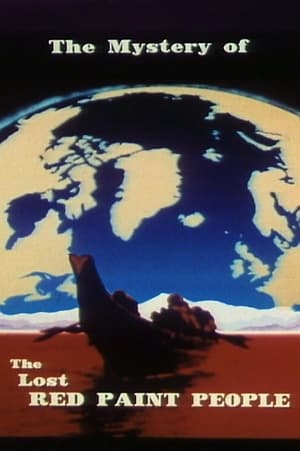
The Mystery of the Lost Red Paint People(1987)
Status: Released
Date: 1987-07-17
0%
0 Votes
Time: 0h 57m
Overview:
Follows U.S., Canadian, and European scientists from the barrens of Labrador - where archaeologists uncover an ancient stone burial mound - to sites in the U.S., France, England, and Denmark, and to the vast fjords of northernmost Norway where monumental standing stones testify to links among seafaring cultures across immense distances.
Languages: English.
Countries:
Movie: The Mystery of the Lost Red Paint People
Top 3 Billed Cast

Will Lyman
Self - Narrator (voice)
HomePage
Overview
Follows U.S., Canadian, and European scientists from the barrens of Labrador - where archaeologists uncover an ancient stone burial mound - to sites in the U.S., France, England, and Denmark, and to the vast fjords of northernmost Norway where monumental standing stones testify to links among seafaring cultures across immense distances.
Release Date
1987-07-17
Average
0
Rating:
0.0 startsTagline
Genres
Languages:
EnglishKeywords
Similar Movies

0%
Red Fever(en)
2024-05-01
Red Fever is a witty and entertaining feature documentary about the profound -- yet hidden -- Indigenous influence on Western culture and identity. The film follows Cree co-director Neil Diamond as he asks, “Why do they love us so much?!” and sets out on a journey to find out why the world is so fascinated with the stereotypical imagery of Native people that is all over pop culture. Why have Indigenous cultures been revered, romanticized, and appropriated for so long, and to this day? Red Fever uncovers the surprising truths behind the imagery -- so buried in history that even most Native people don't know about them.

0%
The Lost Spirits(en)
2009-01-01
The last surviving Native Americans on Long Island are the focus of The Lost Spirits. The film chronicles their struggles as an indigenous people to maintain their identity amidst relentless modernization and a heartless bureaucracy.

80%
The Mystery of Chaco Canyon(en)
1999-01-01
Chaco Canyon, located in northwest New Mexico, is perhaps the only site in the world constructed in an elaborate pattern that mirrors the yearly cycle of the sun and the 19-year cycle of the moon. How did an ancient civilization, with no known written language, arrange its buildings into a virtual celestial calendar, spanning an area roughly the size of Ireland?

0%
Unconquered: Allan Houser and the Legacy of One Apache Family(en)
2008-10-24
In decades past, Native American artists who wanted to sell to mainstream collectors had little choice but to create predictable, Hollywood-style western scenes. Then came a generation of painters and sculptors led by Allan Houser (or Haozous), a Chiricahua Apache artist with no interest in stereotyped imagery and a belief that his own rich heritage was compatible with modernist ideas and techniques. Narrated by actor Val Kilmer and originally commissioned as part of an exhibit of Houser’s work at the Oklahoma History Center, this program depicts the artist’s tribal ancestry, his rise to regional and national acclaim, and the continuing success of his sons as they expand upon and depart from their father’s achievements. Key works are documented, as is Houser’s tenure at the Santa Fe–based Institute of American Indian Arts.

0%
Taking Alcatraz(en)
2015-11-01
A documentary account by award-winning filmmaker John Ferry of the events that led up to the 1969 Native American occupation of Alcatraz Island as told by principal organizer, Adam Fortunate Eagle. The story unfolds through Fortunate Eagle's remembrances, archival newsreel footage and photographs.

0%
JazzTown(en)
2021-03-14
Denver’s iconic and Grammy Award-winning musicians reveal the secrets of their success and longevity in the music business while warning the young lions to whom they pass the torch to stay relevant in a marketplace both treacherous and brutal. The majestic Rocky Mountains tower over a bustling metropolis filled with steamy and romantic nightclubs where jazz flourishes on stage. JazzTown features never seen before live concert footage on historic stages that have now crumbled due to economic stresses of the Covid Pandemic. ~ Dianne Reeves, 5-time Grammy Award winner for Best Jazz Vocalist ~ US Senator John Hickenlooper (former jazz club owner) ~ Ron Miles (Colorado Music Hall of Fame, Joshua Redman, Bill Frisell, Ginger Baker) ~ Charlie Hunter (Snarky Puppy, Christian McBride, Stanton Moore) ~ Art Lande (Mark Isham, Gary Peacock) ~ Ayo Awosika (Session Singer on Soundtracks to: Wakanda Forever, Nope, Dune, The Lion King ... tours with Miley Cyrus,) and many more.

58%
Dislocation Blues(en)
2017-09-08
Filmed during the 2016 Standing Rock protests in South Dakota, Sky Hopinka's Dislocation Blues offers a portrait of the movement and its water protectors, refuting grand narratives and myth-making in favour of individual testimonials.

0%
Eagle Boy(en)
2018-08-05
A fearless horse bonds two men to each other and to the traditions that define their community.


0%
Aitamaako'tamisskapi Natosi: Before the Sun(en)
2023-02-25
An intimate and thrilling portrait of a young Siksika woman and the deep bonds between her father and family in the golden plains of Blackfoot Territory as she prepares for one of the most dangerous horse races in the world… bareback.

54%
Trudell(en)
2005-01-20
A chronicle of legendary Native American poet/activist John Trudell's travels, spoken word performances, and politics.


0%
Hail to the Breadsticks!(en)
2023-06-25
Writer producer Donick Cary (The Simpsons, Parks and Recreation, Have a Good Trip, etc.) has been a huge fan of the Washington D.C. pro football team since before he could walk. Passed down from his dad, he was excited to pass the tradition onto his kids. Donick never questioned the team name and or Native American logo until one day, while watching a game, his 9-year-old son, Otis, asked him if it was racist. When Otis suggests they ask Native Americans how they feel, it sends the two on a cross-country journey full of unexpected surprises.

57%
Broken Rainbow(en)
1985-05-05
Documentary chronicling the government relocation of 10,000 Navajo Indians in Arizona.

100%
We Will Speak(en)
2023-03-23
The Cherokee language is deeply tied to Cherokee identity; yet generations of assimilation efforts by the U.S. government and anti-Indigenous stigmas have forced the Tri-Council of Cherokee tribes to declare a State of Emergency for the language in 2019. While there are 430,000 Cherokee citizens in the three federally recognized tribes, fewer than an estimated 2,000 fluent speakers remain—the majority of whom are elderly. The covid pandemic has unfortunately hastened the course. Language activists, artists, and the youth must now lead the charge of urgent radical revitalization efforts to help save the language from the brink of extinction.

90%
Those Who Come, Will Hear(iu)
2018-06-08
The documentary proposes a unique meeting with the speakers of several indigenous and inuit languages of Quebec – all threatened with extinction. The film starts with the discovery of these unsung tongues through listening to the daily life of those who still speak them today. Buttressed by an exploration and creation of archives, the film allows us to better understand the musicality of these languages and reveals the cultural and human importance of these venerable oral traditions by nourishing a collective reflection on the consequences of their disappearance.

0%
Badger Creek(en)
2016-11-09
Badger Creek is a portrait of Native resilience as seen through a year in the life of three generations of a Blackfeet family living on the rez in Montana. The Mombergs are a loving, sober family who run a successful ranch, live a traditional worldview and are re-learning their language.

70%
Women of the White Buffalo(en)
2022-04-12
With exclusive access to the lives of 8 women, ranging in age from 10 to 98, explore powerful testimonials of loss and survival and gain insight into the experience of a modern Indigenous American living on a reservation. Gripping historical accounts and startling timely statistics guide viewers down the path that has led to these present day conditions.

0%
The Four Corners: A National Sacrifice Area?(en)
1983-11-15
Documents the cultural and ecological impacts of coal stripmining, uranium mining, and oil shale development in Utah, Colorado, New Mexico, and Arizona – homeland of the Hopi and Navajo.