The Philosophy of Horror (Part I): Etymology(2019)
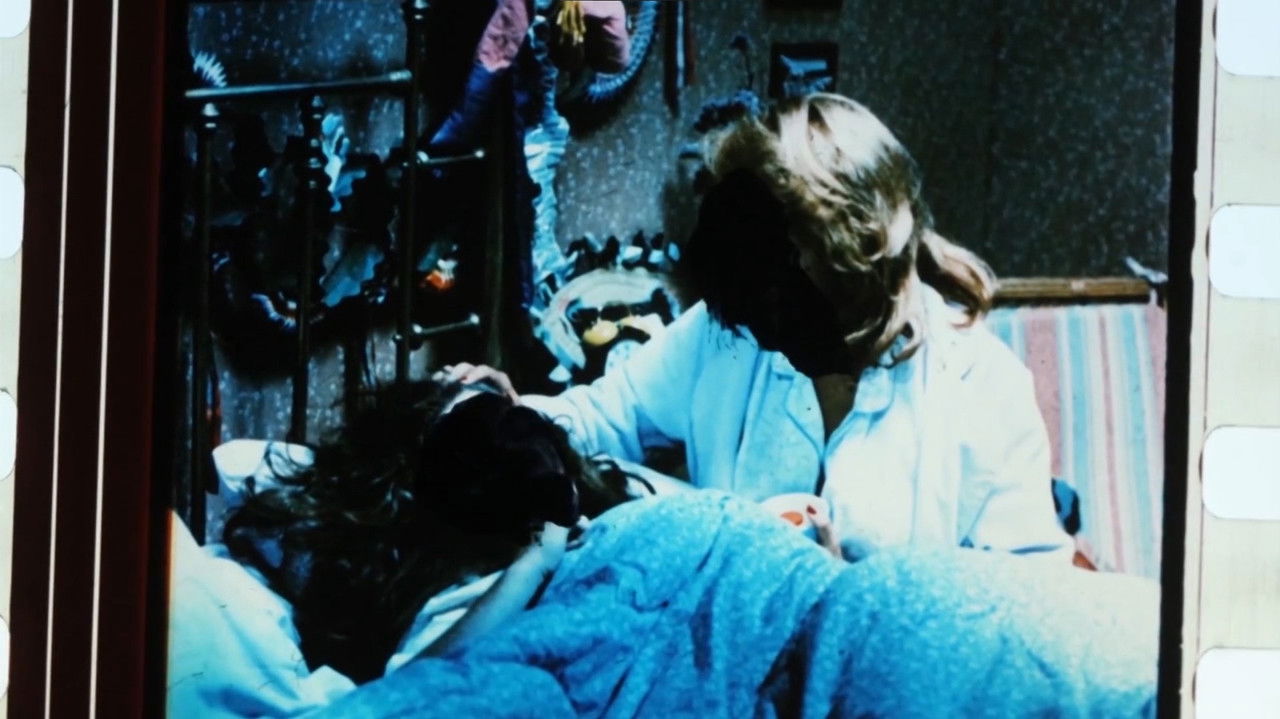
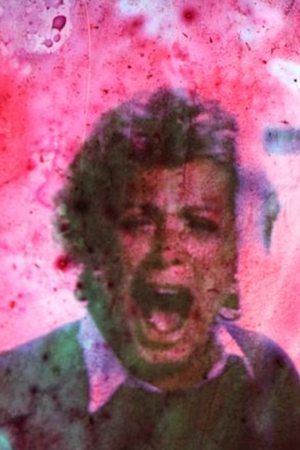
The Philosophy of Horror is a seven-part abstract adaptation of Noël Carroll’s influential film theoretical book of the same title (published in 1990), which is a close examination of the horror genre. The film uses hand painted and decayed 35mm film strips of the classic slasher movie A Nightmare on Elm Street (Wes Craven, 1984) and its sequel A Nightmare on Elm Street 2: Freddy's Revenge (1985).
Movie: The Philosophy of Horror (Part I): Etymology
HomePage
Overview
The Philosophy of Horror is a seven-part abstract adaptation of Noël Carroll’s influential film theoretical book of the same title (published in 1990), which is a close examination of the horror genre. The film uses hand painted and decayed 35mm film strips of the classic slasher movie A Nightmare on Elm Street (Wes Craven, 1984) and its sequel A Nightmare on Elm Street 2: Freddy's Revenge (1985).
Release Date
2019-10-27
Average
0
Rating:
0.0 startsTagline
Genres
Languages:
No LanguageKeywords
Similar Movies


Blood Orgy of the Leather Girls(en)
A gang of women wreak havoc in the city, killing various men who have treated women poorly. And sometimes they do it just for fun.

Im Reich Des Squatters(de)

The Five Obstructions(da)
In 1967, experimental filmmaker Jorgen Leth created a striking short film, The Perfect Human, starring a man and women sitting in a box while a narrator poses questions about their relationship and humanity. Years later, Danish director Lars von Trier made a deal with Leth to remake his film five times, each under a different set of circumstances and with von Trier's strictly prescribed rules. As Leth completes each challenge, von Trier creates increasingly further elaborate stipulations.

60 Seconds of Solitude in Year Zero(en)
An anthology of one-minute films created by 51 international filmmakers on the theme of the death of cinema. Intended as an ode to 35mm, the film was screened one time only on a purpose-built 20x12 meter public cinema screen in the Port of Tallinn, Estonia, on 22 December 2011. A special projector was constructed for the event which allowed the actual filmstrip to be burnt at the same time as the film was shown.

Begotten(en)
Begotten is the creation myth brought to life, the story of no less than the violent death of God and the (re)birth of nature on a barren earth.

Age 12: Love with a Little L(en)
This film is depicts early lesbian sexuality, using reenacted scenes from the experience of a 12-year old girl as the platform for a meditation on forbidden desire, transgression, and Lacanian psychoanalytic concepts of identity formation. Raw adolescent memories counterpoint staged scenes, exploring mechanisms of power and submission.

Arcadia(en)
A provocative and poetic exploration of how the British people have seen their own land through more than a century of cinema. A hallucinated journey of immense beauty and brutality. A kaleidoscopic essay on how magic and madness have linked human beings to nature since the beginning of time.

Mettle(en)
An experimental film shot with the purpose of trying to create a hostile alien environment using only shots of nature, color correction, and sound design.

Donosti 2730(es)
A youngster writes a letter to his grandmother about his last trip to Donosti (Spain). This city inspires him to ponder about the language of cinema, time, cities, and sharing memories with our loved ones.

Thot-Fal'N(en)
This film describes a psychological state "kin to moonstruck, its images emblems (not quite symbols) of suspension-of-self within consciousness and then that feeling of falling away from conscious thought. The film can only be said to describe or be emblematic of this state because I cannot imagine symbolizing or otherwise representing an equivalent of thoughtlessness itself. Thus the actors in the film, Jane Brakhage, Tom and Gloria Bartek, Williams Burroughs, Allen Ginsberg, Peter Olovsky and Phillip Whalen are figments of this 'Thought-Fallen Process', as are their images in the film to find themselves being photographed."

FFG: un retrato(es)
An experimental portrait of Fernando Fernán Gómez, one of the most renowned Spanish artists of all time.

Sungazer(en)
A short, wordless horror film about the terrors lurking just beyond the veil of reality. Shot almost entirely on Super 8 and taking an experimental narrative approach to cosmic horror, Sungazer is an ultra-grainy, high contrast nightmare beamed from another dimension.

Madhouse Mitchel(en)
Creeping from the halls of the maze brain, corruption and terror is woven by devils born from the denied errors of mankind.

Tetsuo II: Body Hammer(ja)
A Japanese salaryman finds his body transforming into a weapon through sheer rage after his son is kidnapped by a gang of violent thugs.


Luzern Viper(de)
A Schmelzdahin short wherein a print of a portion of Nosferatu (including the iconic shot of the vampire on the boat) has been degraded and abstracted through the bacterialogical decomposition, disintegration, and chemical processes Schmelzdahin would use.

Almost Nothing: So Continues the Night(hr)
For us, a thought always presupposes a society, a culture and above all the consciousness of time. We are haunted by immortality, human notion par excellence. As if the world was here to fascinate us. And to disappoint us. The film travels around the bulb like the Earth around the Sun. Light makes the film visible. A fragile film, like our existence. In the orbit of the film tragedy and our reality, the image resists the cruelty of the experiment.