Loading Page
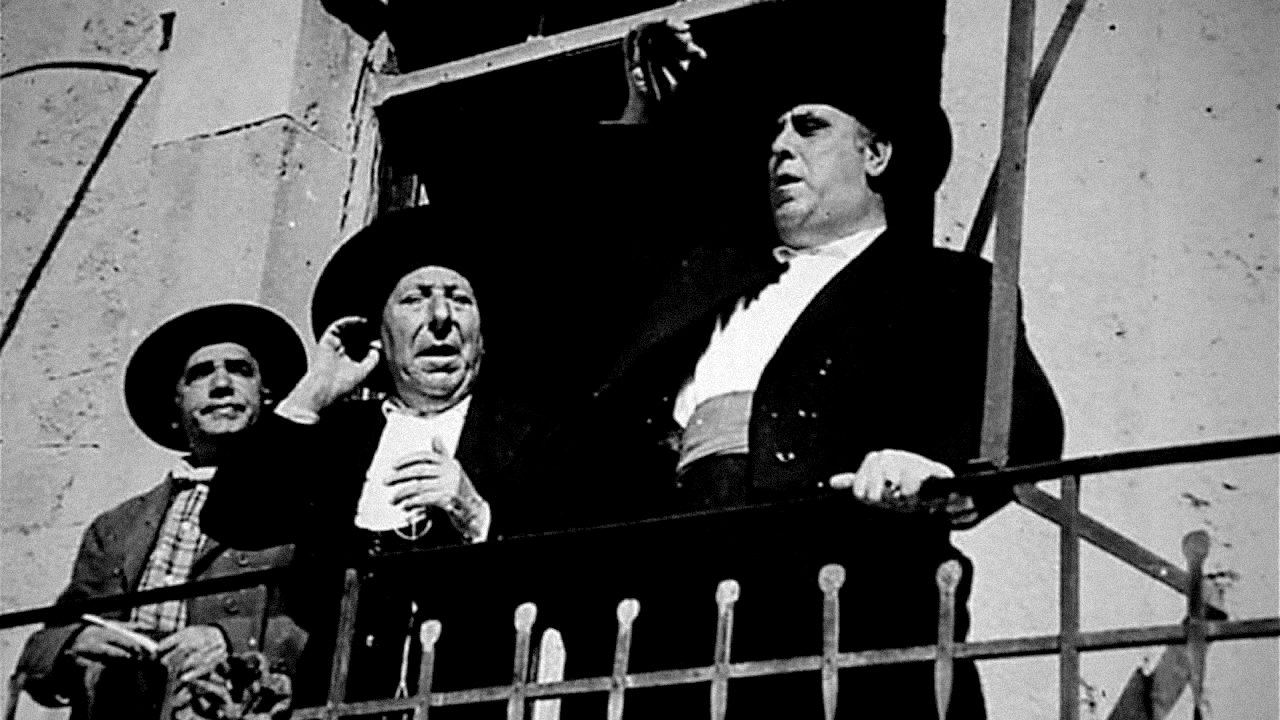
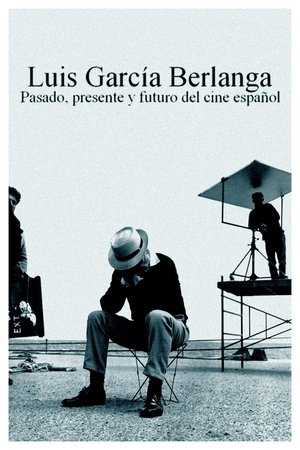
Luis García Berlanga: pasado, presente y futuro del cine español(2021)
Status: Released
Date: 2021-07-23
30%
1 Votes
Time: 0h 50m
Overview:
A conversation about the work of Spanish filmmaker Luis García Berlanga (1921-2010) and his perdurance in contemporary Spanish cinema.
Languages: Spanish.
Countries:
Spain
ProductionCompanies: 
El Inquilino Producciones
Filmoteca Española
Movie: Luis García Berlanga: pasado, presente y futuro del cine español
Top 7 Billed Cast
Borja Cobeaga
Self - Filmmaker
Fernando Trueba
Self - Filmmaker
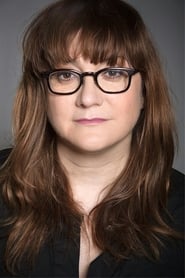
Isabel Coixet
Self - Filmmaker
HomePage
Overview
A conversation about the work of Spanish filmmaker Luis García Berlanga (1921-2010) and his perdurance in contemporary Spanish cinema.
Release Date
2021-07-23
Average
3
Rating:
1.5 startsTagline
Genres
Languages:
EspañolKeywords
Similar Movies

67%
The Brave Class(es)
2017-06-02
Three college students start a social experiment to prove that reality changes according to the words we use to describe it. Through research, activist actions, and artistic interventions, they analyze the importance of language in the way we understand the world. The documentary includes analysis from more than 20 international experts and leaders in the fields of political communication and information.

70%
FFG: un retrato(es)
1976-01-01
An experimental portrait of Fernando Fernán Gómez, one of the most renowned Spanish artists of all time.

81%
FFG, el último gran conversador(es)
2021-08-27
Fernando Fernán Gómez (1921-2007), actor, writer, playwright and film director, was for decades one of the most important figures in Spanish culture. His close friends and relatives reveal another facet in which he stood out above all: that of being an excellent conversationalist, capable of hypnotizing and seducing those who listened to him.

0%
Moonwalk(es)
2024-04-18
This short documentary film captures the natural movement of the moon mixed with an experimental musical track that accompanies the rhythm of the "walk" on the stage that the protagonist occupies, the sky.

80%
Berlanga!!(es)
2021-10-26
How does the vision of the brilliant Spanish filmmaker Luis García Berlanga (1921-2010) remain relevant in a time whose popular culture has little to do with his own? Since to understand the secrets of an artist it is essential to know the person behind, his family, his friends, his collaborators, as well as prestigious filmmakers and actors trace a collective portrait of a creator as singular as he is universal.

0%
Mi adorado Monster(en)
2021-11-01
With humor, prolific director Víctor Matellano tells the story of one of the most iconic and problematic cult films of Spain's "fantaterror": Los resucitados by Arturo de Bobadilla. A story of ambition, frustration and the everlasting will of the most passionate cinephiles.

50%
Talking About Myself Is Hard(es)
2021-10-26
Spanish actress Charo López finds it hard to talk about herself; but she only needs to start reminiscing to discover that her life has been truly exceptional. The story of a legendary actress told by herself.

64%
The Memory of Cinema: A Film About Fernando Méndez-Leite(es)
2023-11-10
A look at the life and work of Spanish filmmaker and film critic Fernando Méndez-Leite, as he writes his memoirs and a novel with autobiographical resonances.

53%
¡Ay, Carmen!(es)
2018-10-29
The personal and professional story, told in first person, of Spanish actress Carmen Maura, director Pedro Almodóvar's first muse and a brilliant artist in her own right.

65%
Susana y el sexo(es)
2021-10-06
The story of iconic Spanish artist Susana Estrada's struggle against censorship and sexual repression during the turbulent years following the death of dictator Francisco Franco.

37%
Yo quise hacer Los bingueros 2(es)
2016-01-01

68%
Exorcismo: The Transgressive Legacy of Clasificada “S”(en)
2024-10-03
Spain, 1975. Franco's death opens the door to the possibility of uncensored cinema. After two years of relaxed censorship, it is abolished in 1977, and the “S” rating is created to protect viewers from films that may “offend their sensibilities.”

78%
Narciso Ibáñez Serrador: historias para recordar(es)
2017-05-22
How the Uruguayan-Spanish actor, writer, producer and director Narciso «Chicho» Ibáñez Serrador changed forever the way of producing programs for Spanish television.

60%
Bajo el signo de las sombras(es)
1984-10-31
A portrait of the Spanish director Lorenzo Llobet Gràcia (1911-76), one of the outsiders of Spanish cinema, and the story of his masterpiece, a cult work that tells the story of a self-taught filmmaker who was born under the sign of the shadows, lights and chiaroscuro of cinema.

51%
Words, Maps, Secrets and Other Things(es)
2015-04-24
A portrait of the internationally acclaimed Spanish film director Isabel Coixet and an analysis of her particular world and her sensibility as a creator: her fictional universe, her career and her life through the words of actors, technicians, family, friends, journalists, specialized critics and those filmmakers who have been inspired by her work.

70%
The First Look(es)
2024-04-07
In Spain, a poor country ruined by the recent Civil War (1936-39), and in the midst of Franco's dictatorship, a film school was created in Madrid in 1947, which became, almost unintentionally, a space of freedom and pure experimentation until its closure in 1976.

0%
Uncensored Women(es)
2022-12-21
The story of a group of actresses who, in the Spain of the seventies, and in the midst of the democratic Transition, decided to appear nude in the films of that time of radical political change, defying the rigid and deeply rooted social rules.

0%
The Simón's Jigsaw: A Trip to the Universe of Juan Piquer Simón(es)
2015-10-17
A journey through the work of Spanish filmmaker Juan Piquer Simón (1935-2011).

69%
Penélope Cruz: Diva in the Mirror(fr)
2022-07-17
An account of the life and work of Spanish actress Penélope Cruz: a long journey that began in the working-class neighborhoods of Madrid and ended in the hills of Hollywood.

60%
Barefoot in the Kitchen(es)
2013-06-14
What was the role of women in Spanish cinema from the 1930s to the present explained through fragments of different films, both fiction and non-fiction. (Followed by “Manda huevos,” 2016.)