Loading Page


Battle Diary: A Day In The Life of Charlie Martin(1994)
Status: Released
Date: 1994-11-11
0%
0 Votes
Time: 0h 45m
Overview:
An extraordinary journey into the past to that fateful day, June 6, 1944. Relive the event of D-Day on the beaches of Normandy with Company Sergeant-Major Charlie Martin of the Queen's Own Rifles. Experience an emotional and intensely personal account of D-Day through a combination of interviews, archival film and Charlie Martin's diary excerpts.
Languages: English, French.
Countries:
Canada
ProductionCompanies: 
Norflicks Productions Ltd.
Movie: Battle Diary: A Day In The Life of Charlie Martin
Top 3 Billed Cast
Chad Donella
Clarence Catlin's Brother
Video Trailer Battle Diary: A Day In The Life of Charlie Martin
All 1 videos
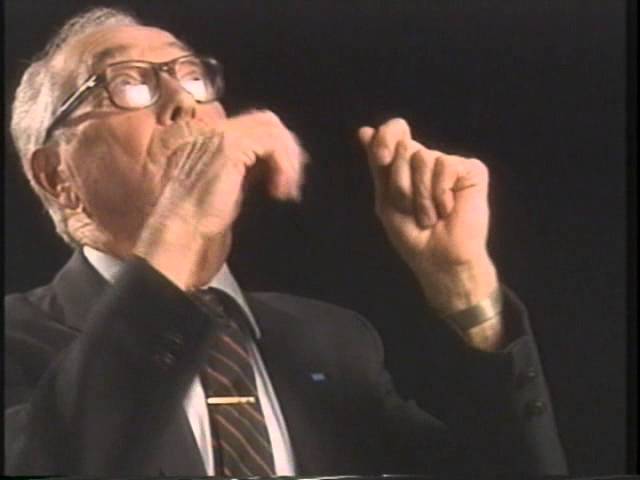
Battle Diary - "A Day in the Life of Charlie Martin" - Clip
Similar Movies

78%
The Boy in the Striped Pyjamas(en)
2008-05-07
When his family moves from their home in Berlin to a strange new house in Poland, young Bruno befriends Shmuel, a boy who lives on the other side of the fence where everyone seems to be wearing striped pajamas. Unaware of Shmuel's fate as a Jewish prisoner or the role his own Nazi father plays in his imprisonment, Bruno embarks on a dangerous journey inside the camp's walls.

61%
Passchendaele(en)
2008-10-17
Sergeant Michael Dunne fights in the 10th Battalion, AKA The "Fighting Tenth" with the 1st Canadian Division and participated in all major Canadian battles of the war, and set the record for highest number of individual bravery awards for a single battle

71%
Festival Express(en)
2003-09-19
The filmed account of a large Canadian rock festival train tour boasting major acts. In the summer of 1970, a chartered train crossed Canada carrying some of the world's greatest rock bands. The Grateful Dead, Janis Joplin, The Band, Buddy Guy, and others lived (and partied) together for five days, stopping in major cities along the way to play live concerts. Their journey was filmed.

52%
The Russians Are Coming(de)
1968-02-02
It’s the spring of 1945 in a small resort town on the Baltic. Günter is 16 and firmly believes that the Germans will win the war. During the hunt for a forced labourer who is on the run, Günter catches him and watches as he is shot to death. He proudly accepts the award of an Iron Cross before being shipped to the nearby front as part of the last contingent of troops. He is quickly captured by Soviet soldiers, but manages to escape and return home. When the town is occupied by the Red Army, Günter is arrested for the murder of the forced labourer. The film was banned in 1968 before it was completed, and a large portion of the negative was later destroyed.


100%
RaRepublic(pl)
2019-09-21
A well-known publisher - Melchior Wańkowicz asks famous writer Tadeusz Dołęga-Mostowicz to create a reportage about "success a la Polonaise". Tadeusz goes with his assistant Diana on a journey to do a series of interviews and meet historical, distinguished personalities. The initial antipathy between Tadeusz and Diana turns into friendship first, and then into... Who will the pair of our heroes meet? How will their relationship develop? What successes and achievements of the young Polish state will they learn about? We invite you to watch Niepospolita (The Unique)!

80%
Liberation Diaries(it)
2025-05-06
The end of World War II brings Europe a new political system, reshapes national and personal identities. Three women from Milan, Paris and Berlin report on the days of liberation in their diaries. Their personal stories expand the historical picture and make LIBERATION DIARIES a chronicle of female self-empowerment, resistance and resilience.

45%
Human Lampshade: A Holocaust Mystery(en)
2012-09-29
This story follows one man's quest to uncover the origins and reveal the mysteries of a possible Holocaust artifact some historians now say never existed: lampshades made of human skin. When the flood waters of Hurricane Katrina receded, they left behind a wrecked New Orleans and a strange looking lamp that an illicit dealer claimed was 'made from the skin of Jews.'

0%
Der vergessene Spion - Verkürzte ein Verrat den Zweiten Weltkrieg?(de)
2025-05-06
An American of Swedish origin and oil trader, Eric Erickson allegedly maintained business relations with the Nazi regime for the sole purpose of passing information to his country's secret services and working towards the defeat of the Third Reich. But what reality lies behind the heroic myth he himself created?

80%
Moskau 1941 - Stimmen am Abgrund(de)
2021-08-24

71%
The Painted Bird(cs)
2019-09-12
After losing his parents, a young Jewish boy wanders Eastern Europe, seeking refuge during World War II.


0%
Hitler, la folie d'un homme(fr)
2005-05-03

50%
Evening Bells(sh)
1986-01-02
Trials and tribulations of a Croatian communist intellectual in the turbulent years before, during and after the Second World War.

79%
Army of Shadows(fr)
1969-09-10
Betrayed by an informant, Philippe Gerbier finds himself trapped in a torturous Nazi prison camp. Though Gerbier escapes to rejoin the Resistance in occupied Marseilles, France, and exacts his revenge on the informant, he must continue a quiet, seemingly endless battle against the Nazis in an atmosphere of tension, paranoia and distrust.

55%
Signal Over the City(sh)
1960-11-23
The movie is based on true events that occured in Croatian city of Karlovac in 1941. In order to save the imprisoned high ranking member of the resistance movement, the group of Partizans are conducting daring raid in the very center of the enemy stronghold.

62%
The Concert(sh)
1954-05-04
Celebrating the end of World War II and liberation of their city, a group of students is set on holding a cultural evening. They invite Ema, a reclusive piano teacher from the same building, to play for them. Ema declines, but starts reminscing back on her own life and the historical events that have seemingly overshadowed it.

51%
Wolf's Night(mk)
1955-01-01
A group of Macedonian partisans are hiding away in the mountains from Bulgarian fascist authorities that occupy Macedonia.

71%
Twelve O'Clock High(en)
1949-12-21
In the early days of daylight bombing raids over Germany, General Frank Savage must take command of a 'hard luck' bomber group. Much of the story deals with his struggle to whip his group into a disciplined fighting unit in spite of heavy losses, and withering attacks by German fighters over their targets.

68%
The Devil's General(de)
1955-02-23
The adaptation of the eponymous play by Carl Zuckmayer tells the story of renegade general Harras of the German Luftwaffe, who during WWII openly criticizes the Nazi regime. As a consequence, he is put under surveillance, and even imprisoned for a brief period of time. Still remaining outspoken, Harras realizes the horrific dimensions of this hopeless and injust war waged by Germany.