The Picture Taker(2022)
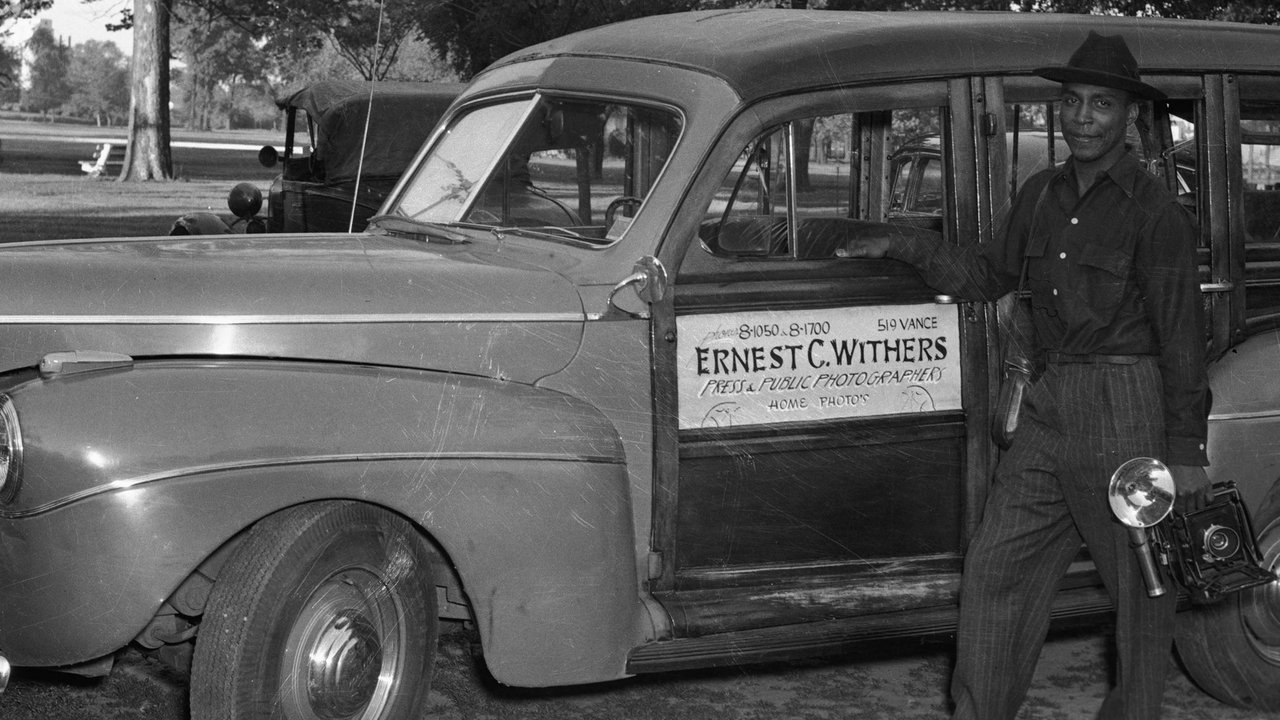
From his Memphis studio, Ernest Withers’ nearly 2 million images were a treasured record of Black history but his legacy was complicated by decades of secret FBI service revealed only after his death. Was he a friend of the civil rights community, or enemy—or both?


Movie: The Picture Taker
Video Trailer The Picture Taker
Recommendations Movies
J. Edgar(en)
As the face of law enforcement in the United States for almost 50 years, J. Edgar Hoover was feared and admired, reviled and revered. But behind closed doors, he held secrets that would have destroyed his image, his career, and his life.
Son of the South(en)
In civil rights era Montgomery, Alabama, Klansman's grandson Bob Zellner must choose which side of history to be on during the Movement. Defying his family and white Southern norms, he fought against social injustice, repression and violence to change the world around him
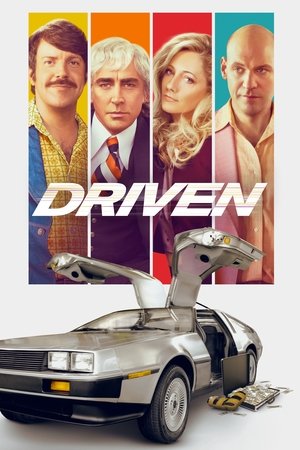
Driven(en)
FBI informant Jim Hoffman lures troubled automobile magnate John DeLorean to an undercover sting for cocaine trafficking.
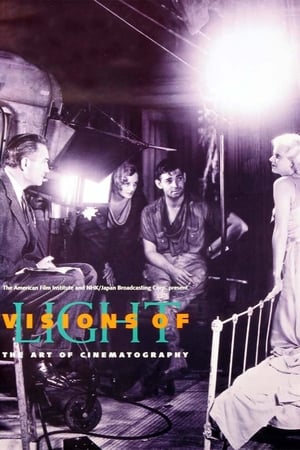
Visions of Light(en)
Cameramen and women discuss the craft and art of cinematography and of the "DP" (the director of photography), illustrating their points with clips from 100 films, from Birth of a Nation to Do the Right Thing. Themes: the DP tells people where to look; changes in movies (the arrival of sound, color, and wide screens) required creative responses from DPs; and, these artisans constantly invent new equipment and try new things, with wonderful results. The narration takes us through the identifiable studio styles of the 30s, the emergence of noir, the New York look, and the impact of Europeans. Citizen Kane, The Conformist, and Gordon Willis get special attention.
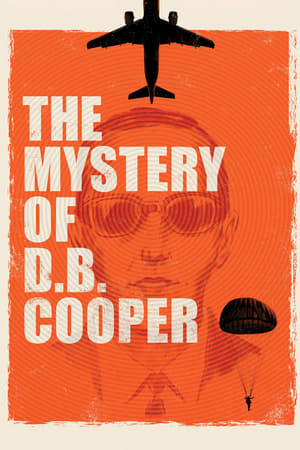
The Mystery of D.B. Cooper(en)
This documentary brings to life the stories of four people believed by their family and friends to be “DB Cooper,” a man who hijacked a 727 flying out of Seattle and jumped from the plane over the wilds of Washington State with a parachute and $200,000, never to be heard from again.
The Bang Bang Club(en)
In the early to mid '90s, when the South African system of apartheid was in its death throes, four photographers - Greg Marinovich, Kevin Carter, Ken Oosterbroek and João Silva - bonded by their friendship and a sense of purpose, worked together to chronicle the violence and upheaval leading up to the 1994 election of Nelson Mandela as president. Their work is risky and dangerous, potentially fatally so, as they thrust themselves into the middle of chaotic clashes between forces backed by the government (including Inkatha Zulu warriors) and those in support of Mandela's African National Congress.
Rustin(en)
Activist Bayard Rustin faces racism and homophobia as he helps change the course of Civil Rights history by orchestrating the 1963 March on Washington.
The Untold History Of The United States(en)
Oliver Stone charts the history of the United States from the Second World War to the present.
Free State of Jones(en)
In 1863, Mississippi farmer Newt Knight serves as a medic for the Confederate Army. Opposed to slavery, Knight would rather help the wounded than fight the Union. After his nephew dies in battle, Newt returns home to Jones County to safeguard his family but is soon branded an outlaw deserter. Forced to flee, he finds refuge with a group of runaway slaves hiding out in the swamps. Forging an alliance with the slaves and other farmers, Knight leads a rebellion that would forever change history.
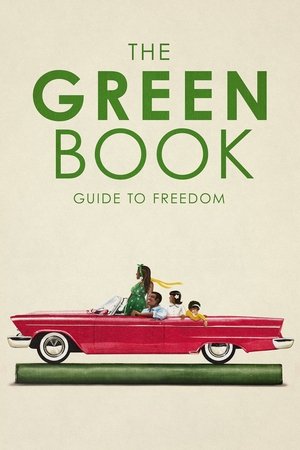
The Green Book: Guide to Freedom(en)
In 1936, Victor H. Green (1892-1960) published The Negro Motorist Green Book, a book that was both a travel guide and a survival manual, to help African-Americans navigate safe those regions of the United States where segregation and Jim Crow laws were disgracefully applied.
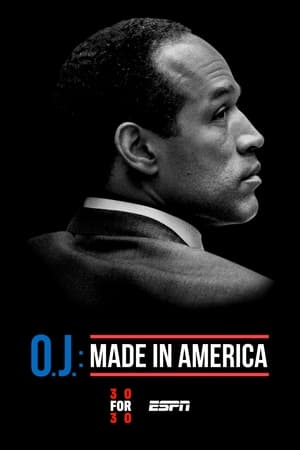
O.J.: Made in America(en)
A chronicle of the rise and fall of O.J. Simpson, whose high-profile murder trial exposed the extent of American racial tensions, revealing a fractured and divided nation.
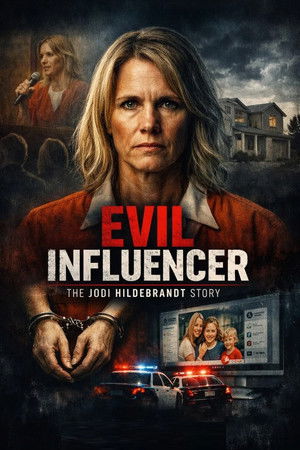
Evil Influencer: The Jodi Hildebrandt Story(en)
Unravel the case of Utah therapist Jodi Hildebrandt, whose child abuse arrest with parenting YouTuber Ruby Franke exposed a twisted tale of manipulation.

Belfast(en)
Buddy is a young boy on the cusp of adolescence, whose life is filled with familial love, childhood hijinks, and a blossoming romance. Yet, with his beloved hometown caught up in increasing turmoil, his family faces a momentous choice: hope the conflict will pass or leave everything they know behind for a new life.
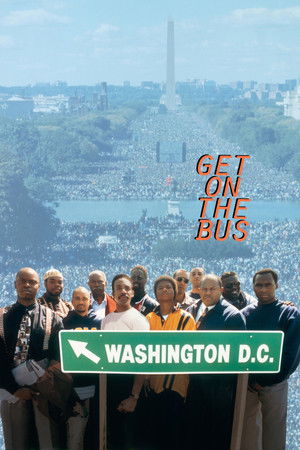
Get on the Bus(en)
Fifteen Black men gather in South Central LA to take a cross-country bus trip to attend the Million Man March in Washington, DC in October 1995. Among the attendees are an eclectic set of characters, including a laid-off aircraft worker, a man whose at-risk son is handcuffed to him, a Black Republican, a former gangsta, a Hollywood actor, a cop of mixed racial background, and a white bus driver. All make the trek discussing issues surrounding the March, including manhood, religion, politics, sexuality, and race.
No Man of God(en)
The complicated relationship that formed between the FBI analyst Bill Hagmaier and serial killer Ted Bundy during Bundy's final years on death row.
Citizenfour(en)
In June 2013, Laura Poitras and reporter Glenn Greenwald flew to Hong Kong for the first of many meetings with Edward Snowden. She brought her camera with her.

Audrey(en)
An unprecedented and intimate look at the life, work and enduring legacy of British actress Audrey Hepburn (1929-1993).
The Unknown Known(en)
Former United States Secretary of Defense, Donald Rumsfeld, discusses his career in Washington D.C. from his days as a congressman in the early 1960s to planning the invasion of Iraq in 2003.
Similar Movies
Spies of Mississippi(en)
Spies of Mississippi tells the story of a secret spy agency formed by the state of Mississippi to preserve segregation and maintain white supremacy. The anti-civil rights organization was hidden in plain sight in an unassuming office in the Mississippi State Capitol. Funded with taxpayer dollars and granted extraordinary latitude to carry out its mission, the Commission evolved from a propaganda machine into a full blown spy operation. How do we know this is true? The Commission itself tells us in more than 146,000 pages of files preserved by the State. This wealth of first person primary historical material guides us through one of the most fascinating and yet little known stories of America's quest for Civil Rights.
Meeting Sebastião Salgado(pt)
Part activist and part globe trekking photographer, Sebastião Salgado is most famous for recording the migration of people and culture around the world. In this extensive conversation, Sebastiao Salgado revisits his adventurous career via the breathtaking images he captured.
Bloody Sunday(en)
The dramatised story of the Irish civil rights protest march on January 30 1972 which ended in a massacre by British troops.
Breach(en)
Eric O'Neill, a low-level surveillance expert with the FBI, believes he is accomplishing his dream of becoming a full-fledged agent, with his unexpected promotion and assignment to clerk for Robert Hanssen, a renowned senior agent with 25 years in the FBI. However, he soon learns the reason for his promotion is to gain Hanssen's trust and find proof that he is a traitor to the country. Determined to draw the suspected double-agent out of deep cover, O'Neill finds himself in a lethal game of spy vs. spy, where nothing is as it seems.
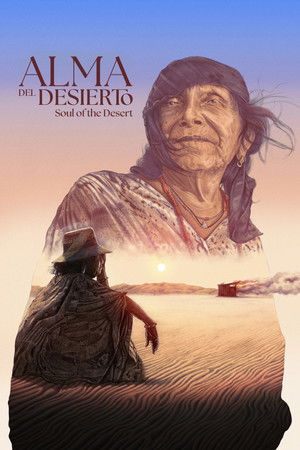
Soul of the Desert(es)
A documentary on the road that tracks the journey by Georgina, an elderly transgender woman forced to cross the sandy peninsula Guajira, on foot, to obtain the thing she has desired for almost half a century: a document that will hand her the right to be what she has always felt she was, and will allow her, at long last, to vote.

Bernard Blier, façon puzzle(fr)
In a career spanning more than half a century, Bernard Blier has shot more than 180 films. He alone represents a history of French cinema without having spent his time cultivating its legend. He crossed his century as an actor with the modesty of a craftsman. He believed in learning, know-how and transmission. He considered himself, like the butcher or the cabinetmaker, as a man useful to his fellow men. Bernard Blier found in Louis Jouvet, who was his teacher at the Conservatory, a master at playing, a mentor and even a spiritual father. Jouvet taught Blier the love of acting, theater and Molière. And if he knew how to take hold of Michel Audiard's best tirades like no one else, notably those of the "Tontons Flingueurs", it is to this apprenticeship that he owes it.
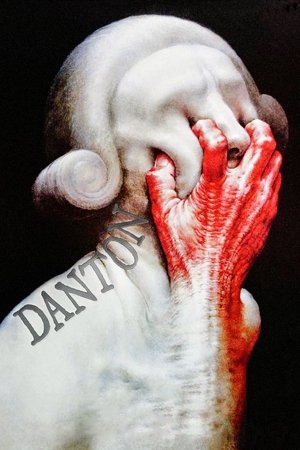
Danton(fr)
Danton and Robespierre were close friends and fought together in the French Revolution, but by 1793 Robespierre was France's ruler, determined to wipe out opposition with a series of mass executions that became known as the Reign of Terror. Danton, well known as a spokesman of the people, had been living in relative solitude in the French countryside, but he returned to Paris to challenge Robespierre's violent rule and call for the people to demand their rights. Robespierre, however, could not accept such a challenge, even from a friend and colleague, and he blocked out a plan for the capture and execution of Danton and his allies.
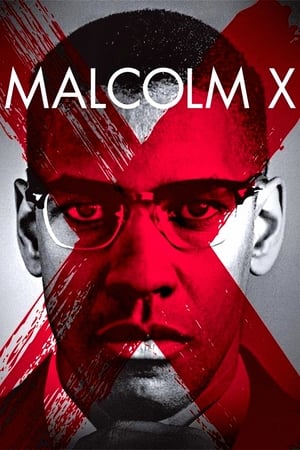
Malcolm X(en)
A tribute to the controversial black activist and leader of the struggle for black liberation. He hit bottom during his imprisonment in the '50s, he became a Black Muslim and then a leader in the Nation of Islam. His assassination in 1965 left a legacy of self-determination and racial pride.
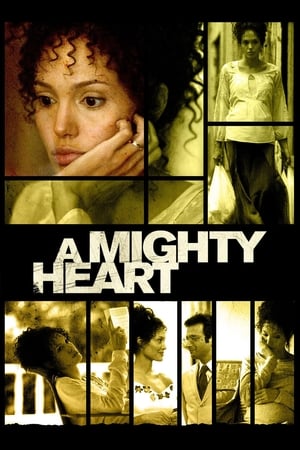
A Mighty Heart(en)
Based on Mariane Pearl's account of the terrifying and unforgettable story of her husband, Wall Street Journal reporter Danny Pearl's life and death.
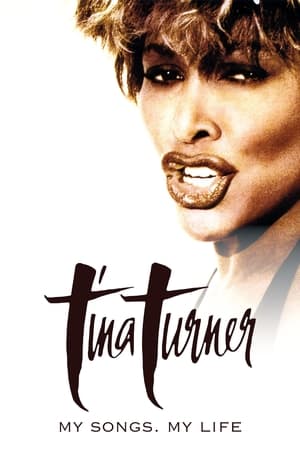
Tina Turner - My Songs. My Life(de)
Hardly any other world star has left such a profound mark on people's hearts and on music history. This documentary traces the influence of an exceptional artist and follows the paths she paved for a new generation of Black artists.
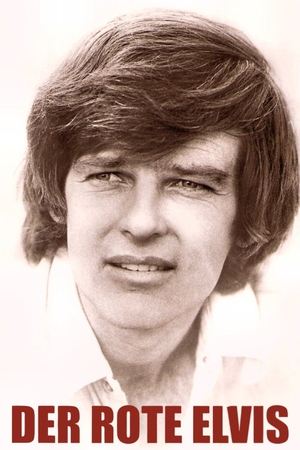
The Red Elvis(de)
A documentary on the late American entertainer Dean Reed, who became a huge star in East Germany after settling there in 1973.
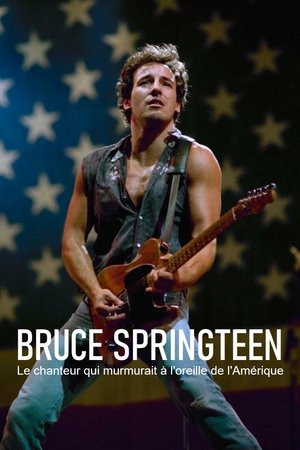
Bruce Springsteen – The America whisperer(fr)
The life of Bruce Springsteen has been told many times, from the angle of the adored rock star, American icon.
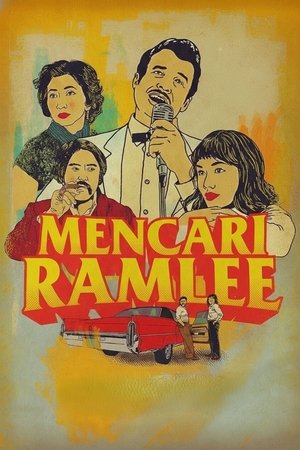
Finding Ramlee(ms)
To pay his debts, a small-time actor is forced to impersonate screen icon P. Ramlee.
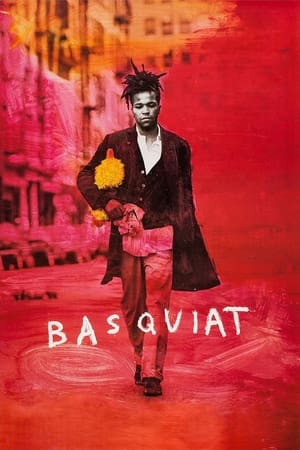
Basquiat(en)
The brief life of Jean Michel Basquiat, a world renowned New York street artist struggling with fame, drugs and his identity.

Sounds of Memphis(en)
A look into the birth of the soul music scene on Beale Street in Memphis, Tennessee. Chronicles the rise of soul music, the creation of many iconic songs, and the effect that the genre would have on generations to come. Featuring interviews with B.B. King, Isaac Hayes, Steve Copper, and many other legendary artists.
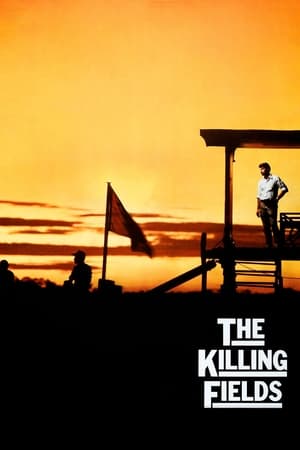
The Killing Fields(en)
New York Times reporter Sydney Schanberg is on assignment covering the Cambodian Civil War, with the help of local interpreter Dith Pran and American photojournalist Al Rockoff. When the U.S. Army pulls out amid escalating violence, Schanberg makes exit arrangements for Pran and his family. Pran, however, tells Schanberg he intends to stay in Cambodia to help cover the unfolding story — a decision he may regret as the Khmer Rouge rebels move in.

OKINAWA PHILADELPHIA(en)
An Okinawan photographer, Mao Ishikawa was 33 years old when she crossed the ocean to Philadelphia in order to photograph the life of her friend, Myron Carr, a former US marine whom she met during his service in Okinawa in the 1970s. The subsequent photo book, “Life in Philly”, is filled with raw and vivid images, capturing the atmosphere and the culture of the predominantly African American neighborhood of downtown Philadelphia in the late 80s. This film looks back on those days, bringing Myron to remembrance as Mao and his surviving family try to find the missing pieces.

Project X(en)
Narrated by Rami Malek and Michelle Williams, and based on classified NSA documents, the film reveals the inner workings of a windowless skyscraper in downtown Manhattan.
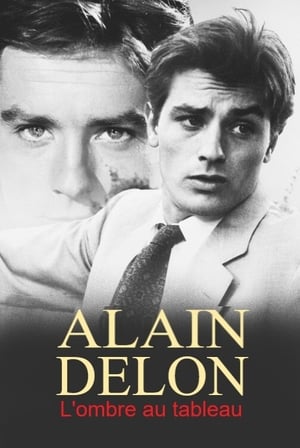
Alain Delon, l'ombre au tableau(fr)
A childhood in boarding school, volunteered at 17 for the war and dismissed for indiscipline, thug in Marseille turned gigolo in Paris, he became actor thanks to some inspired women. Then flying high, fast and far, thanks to his director masters René Clément, Luchino Visconti & Jean-Pierre Melville.
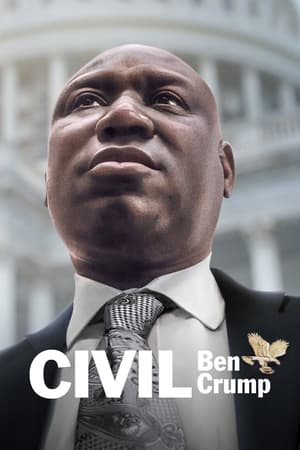
Civil: Ben Crump(en)
Crump's mission to raise the value of Black life as the civil lawyer for the families of George Floyd, Breonna Taylor, Black farmers and banking while Black victims, Crump challenges America to come to terms with what it owes his clients.