

2012/Through the heart(2023)
What remains of the 2012 Quebec student protests? Little has changed in the decade that ensued. Rodrigue Jean and Arnaud Valade exhume images of the battles, recorded live and relayed through the mass media, that flared up as anger and indignation went head-to-head with the rhetoric of power. Against these divisive images, the filmmakers overlay a historical perspective of the state and its police in Montreal, Quebec and Canada, delving into the roots of sanctioned violence. Their compelling glance at the past is, of course, a cry that continues to echo in the present day. While the voices have been silenced, revolt still brews. All it takes is a spark...
Movie: 2012/Through the heart
Top 1 Billed Cast

Video Trailer 2012/Through the heart
All 1 videos
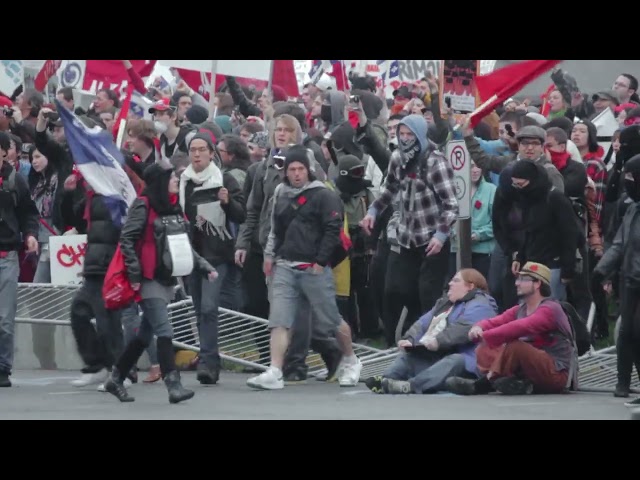
FNC 2022 | 2012/Dans le coeur (Rodrigue Jean, Arnaud Valade) - Trailer
Recommendations Movies

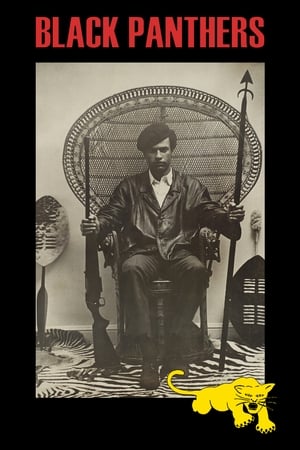
Black Panthers(fr)
A film shot during the summer of 1968 in Oakland, California around the meetings organised by the Black Panthers Party to free Huey Newton, one of their leaders, and to turn his trial into a political debate. They tried and succeeded in catching America’s attention.
The Image Book(fr)
In Le Livre d’Image, Jean-Luc Godard recycles existing images (films, documentaries, paintings, television archives, etc.), quotes excerpts from books, uses fragments of music. The driving force is poetic rhyme, the association or opposition of ideas, the aesthetic spark through editing, the keystone. The author performs the work of a sculptor. The hand, for this, is essential. He praises it at the start. “There are the five fingers. The five senses. The five parts of the world (…). The true condition of man is to think with his hands. Jean-Luc Godard composes a dazzling syncopation of sequences, the surge of which evokes the violence of the flows of our contemporary screens, taken to a level of incandescence rarely achieved. Crowned at Cannes, the last Godard is a shock film, with twilight beauty.
Burma VJ: Reporting from a Closed Country(en)
Going beyond the occasional news clip from Burma, the acclaimed filmmaker, Anders Østergaard, brings us close to the video journalists who deliver the footage. Though risking torture and life in jail, courageous young citizens of Burma live the essence of journalism as they insist on keeping up the flow of news from their closed country.
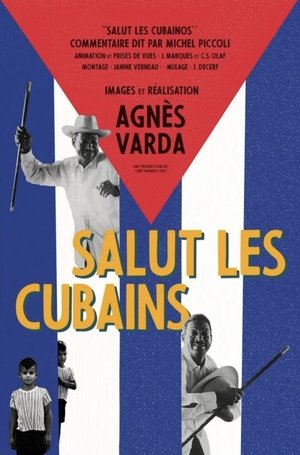
Hello Cubans(fr)
A photo montage of Cubans filmed by Agnès Varda during her visit to Cuba in 1963, four years after Fidel Castro came to power. This black & white documentary explores their socialist culture and society while making use of 1500 pictures (out of 4000!) the filmmaker took while on the island.
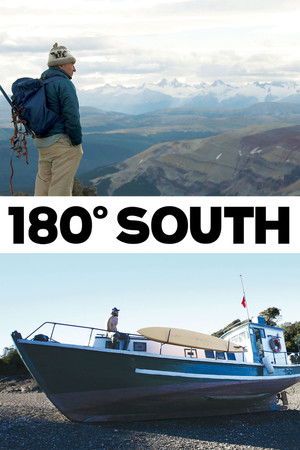
180° South(en)
The film follows adventurer Jeff Johnson as he retraces the epic 1968 journey of his heroes Yvon Chouinard and Doug Tompkins to Patagonia.

The Class of ‘92(en)
A detailing of the rise to prominence and global sporting superstardom of six supremely talented young Manchester United football players (David Beckham, Nicky Butt, Ryan Giggs, Paul Scholes, Phil and Gary Neville). The film covers the period 1992-1999, culminating in Manchester United's European Cup triumph.
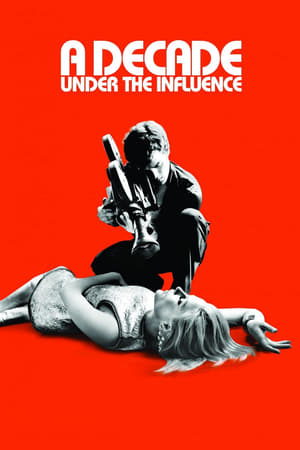
A Decade Under the Influence(en)
A documentary examining the decade of the 1970s as a turning point in American cinema. Some of today's best filmmakers interview the influential directors of that time.

Naqoyqatsi(en)
A visual montage portrait of our contemporary world dominated by globalized technology and violence.
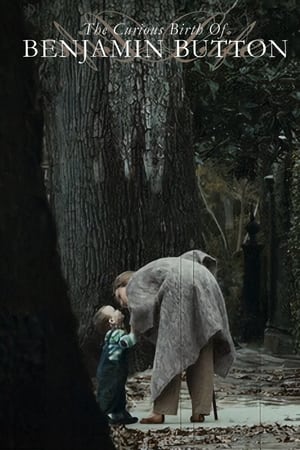
The Curious Birth of Benjamin Button(en)
A documentary about the making of David Fincher's 2008 film THE CURIOUS CASE OF BENJAMIN BUTTON. Virtually every element in the evolution of the Fincher's film is documented here, from the project's attachment to numerous other directors during the 1990s, to its shoot in 2006 and 2007 in New Orleans, to its complex, CGI-intensive postproduction process.
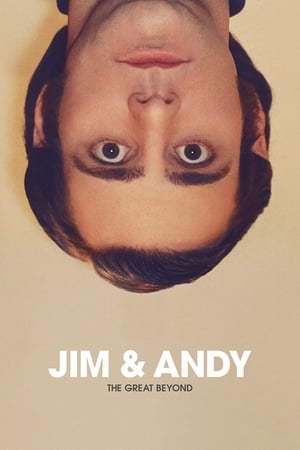
Jim & Andy: The Great Beyond(en)
Offbeat documentarian Chris Smith provides a behind-the-scenes look at how Jim Carrey adopted the persona of idiosyncratic comedian Andy Kaufman on the set of Man on the Moon.

Night Will Fall(en)
When Allied forces liberated the Nazi concentration camps in 1944-45, their terrible discoveries were recorded by army and newsreel cameramen, revealing for the first time the full horror of what had happened. Making use of British, Soviet and American footage, the Ministry of Information’s Sidney Bernstein (later founder of Granada Television) aimed to create a documentary that would provide lasting, undeniable evidence of the Nazis’ unspeakable crimes. He commissioned a wealth of British talent, including editor Stewart McAllister, writer and future cabinet minister Richard Crossman – and, as treatment advisor, his friend Alfred Hitchcock. Yet, despite initial support from the British and US Governments, the film was shelved, and only now, 70 years on, has it been restored and completed by Imperial War Museums under its original title "German Concentration Camps Factual Survey".

Downloaded(en)
A documentary that explores the downloading revolution; the kids that created it, the bands and the businesses that were affected by it, and its impact on the world at large.
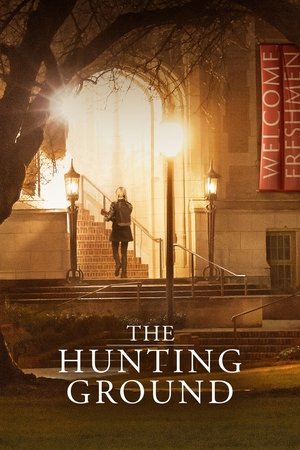
The Hunting Ground(en)
A startling expose of rape crimes on US campuses, their institutional cover-ups, and the devastating toll they take on students and their families. The film follows the lives of several undergraduate assault survivors as they attempt to pursue—despite incredible push back, harassment and traumatic aftermath—both their education and justice.
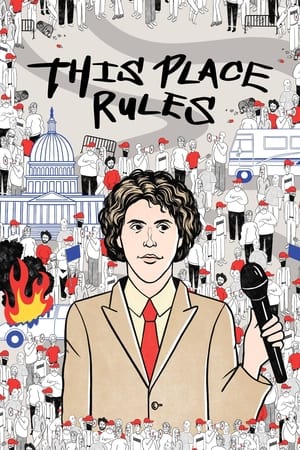
This Place Rules(en)
Acclaimed for his unfiltered reporting and deadpan humor, Andrew Callaghan brings his gonzo style reporting to the undercurrents that led to the January 6 Capitol Riot. As one of the best-known and hardest working journalists of his generation, the 25-year-old ventures on a wild RV journey through America to take the pulse of a divided nation.
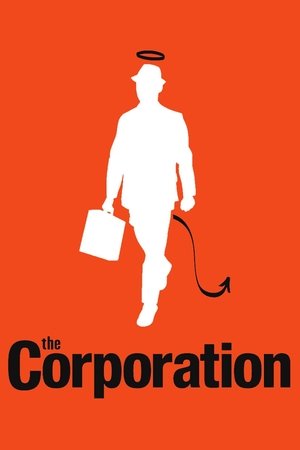
The Corporation(en)
Since the late 18th century American legal decision that the business corporation organizational model is legally a person, it has become a dominant economic, political and social force around the globe. This film takes an in-depth psychological examination of the organization model through various case studies. What the study illustrates is that in the its behaviour, this type of "person" typically acts like a dangerously destructive psychopath without conscience. Furthermore, we see the profound threat this psychopath has for our world and our future, but also how the people with courage, intelligence and determination can do to stop it.
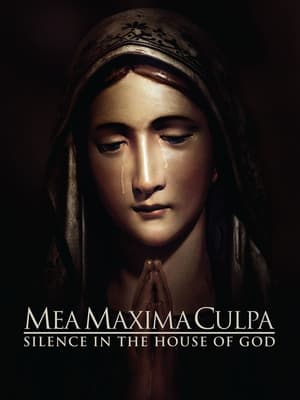
Mea Maxima Culpa: Silence in the House of God(en)
Alex Gibney explores the charged issue of pedophilia in the Catholic Church, following a trail from the first known protest against clerical sexual abuse in the United States and all way to the Vatican.
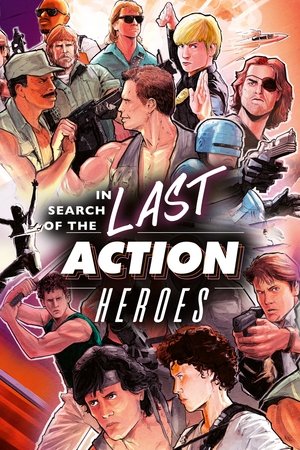
In Search of the Last Action Heroes(en)
The most comprehensive retrospective of the '80s action film genre ever made.
Stories We Tell(en)
Canadian actress and filmmaker Sarah Polley investigates certain secrets related to her mother, interviewing a group of family members and friends whose reliability varies depending of their implication in the events, which are remembered in different ways; so a trail of questions remains to be answered, because memory is always changing and the discovery of truth often depends on who is telling the tale.
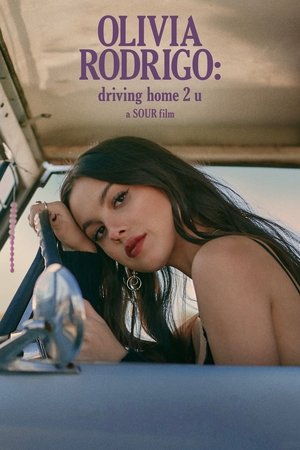
OLIVIA RODRIGO: driving home 2 u (a SOUR film)(en)
Grammy® winner singer-songwriter Olivia Rodrigo takes a familiar road trip from Salt Lake City, where she began writing her debut album “SOUR,” to Los Angeles. Along the way, Rodrigo recounts the memories of writing and creating her record-breaking debut album and shares her feelings as a young woman navigating a specific time in her life. Through new live arrangements of her songs, intimate interviews and never-before-seen footage from the making of the album, audiences will follow Olivia along on a cinematic journey exploring the story of “SOUR.”
Similar Movies
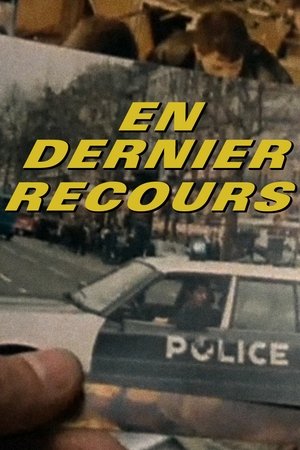
Last Resort(fr)
This feature length documentary by Jacques Godbout tackles a topic all too rarely explored in the media: terrorism in Canadian society. From Montreal to Vancouver, and Quebec City to Toronto, exasperated individuals find a new calling as self-style saviours of humanity and decide to mete out their own justice. Part reportage, part essay and part critical analysis of the phenomenon, this film includes first-hand accounts by Serge Daoust, Franco Piperno, François Schirm, Pierre Vallières and young militants from the journal Révoltes.
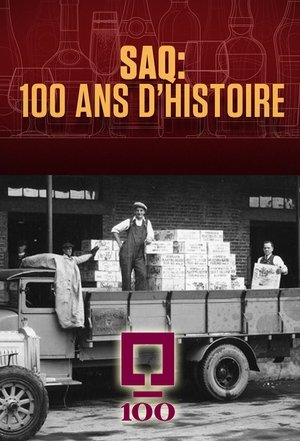
SAQ : 100 ans d’histoire(fr)
To mark the 100th anniversary of the Société des alcools du Québec, Francis Reddy tells the exhilarating story of alcohol in Quebec from prohibition to promotion. With the help of historian Laurent Turcot and local producers, Reddy explores the unique relationship Quebecers have with alcohol and its place in their lifestyles over the years.
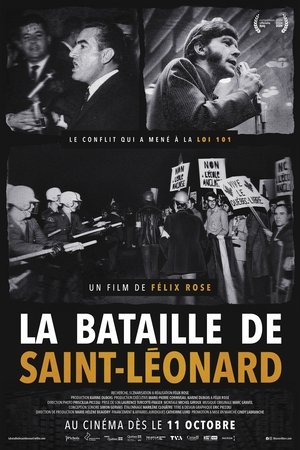
La bataille de Saint-Léonard(fr)
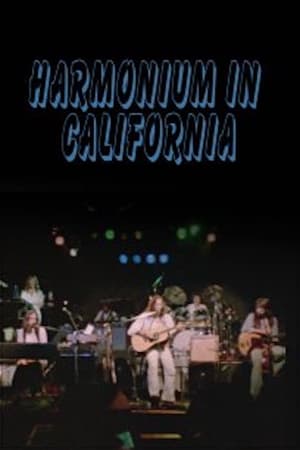
Harmonium in California(fr)
Through concerts and interviews, folk-progressive group Harmonium takes Quebec culture to California. This documentary full of colour and sound, filmed in California in 1978, recounts the ups and downs of the journey of the Quebec musical group Harmonium, who came to feel the pulse of Americans and see if culture, their culture, can succeed in crossing borders.
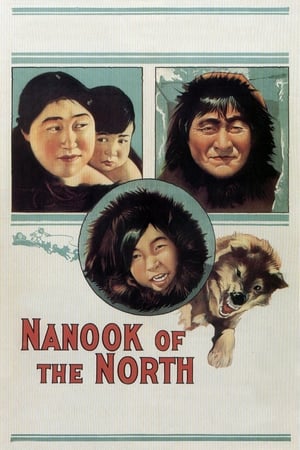
Nanook of the North(en)
This pioneering documentary film depicts the lives of the indigenous Inuit people of Canada's northern Quebec region. Although the production contains some fictional elements, it vividly shows how its resourceful subjects survive in such a harsh climate, revealing how they construct their igloo homes and find food by hunting and fishing. The film also captures the beautiful, if unforgiving, frozen landscape of the Great White North, far removed from conventional civilization.
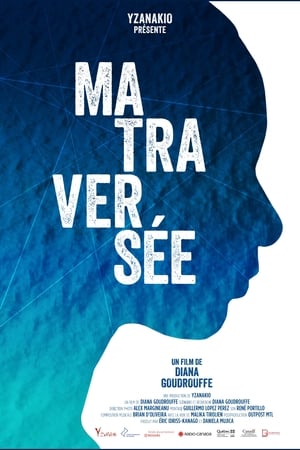
Ma Traversée(fr)
Ma traversée is a personal quest, filmed over 20 years, recounting the racial issues and privileges that have punctuated the filmmaker’s life in three French-speaking societies: Guadeloupe, France and Quebec. From her own story emerges the broader narrative of colonization, colorism, assimilation, integration and the social benefits of “race” and their impact even today. Brutalized by police officers in Montreal in December 2017 in front of witnesses, the filmmaker takes a step back to understand this gesture, which speaks to the social interpretation of skin color.

Il parle avec les loups(fr)
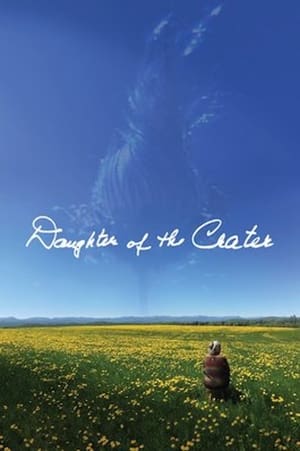
Daughter of the Crater(fr)
A woman with a deep love of the land, Yolande Simard Perrault sees her life as having been shaped by a planetary upheaval in Charlevoix, Quebec, millions of years ago. As enduring as the Canadian Shield, she’s a woman of strength and spirit, a child of the crater left by the meteor’s impact. This documentary portrays a determined woman who’s the reflection of a land created on an immense scale. She was the creative and life partner of filmmaker Pierre Perrault, who gave up everything to be by her side. The film charts the influence of her unquenchable dreams and her contribution to the building of a people’s collective memory. In a stream of images and words, Simard Perrault recounts the splendours of the landscape and the people who shaped it. Generous and boundless, she embarks on a quest for identity that nurtures and perpetuates the oeuvre of the man who breathed new life into Quebec cinema.
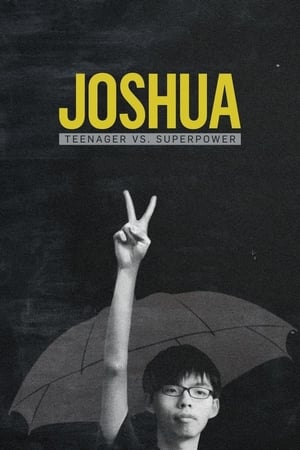
Joshua: Teenager vs. Superpower(en)
When the Chinese Communist Party backtracks on its promise of autonomy to Hong Kong, teenager Joshua Wong decides to save his city. Rallying thousands of kids to skip school and occupy the streets, Joshua becomes an unlikely leader in Hong Kong and one of China’s most notorious dissidents.
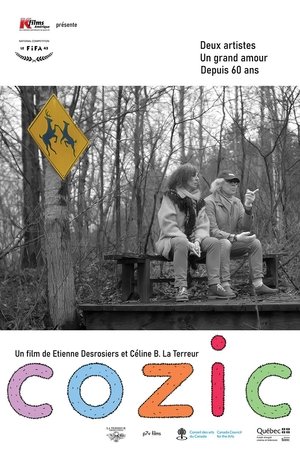
Cozic(fr)
Portrait of the Canadian artist duo Cozic, composed of Monic Brassard (1944) and Yvon Cozic (1942). United in life and creation, the couple works with industrial materials in vibrant colors to create ecological and playful artworks. From the carefree hippie years of the 1960s to major public art commissions, their work reflects the evolution of our relationship with nature and the industrial world. Today, from their remarkable estate in Sainte-Anne-de-la-Rochelle in the Eastern Townships, the duo is preparing for their major retrospective at the Musée national des beaux-arts de Québec.
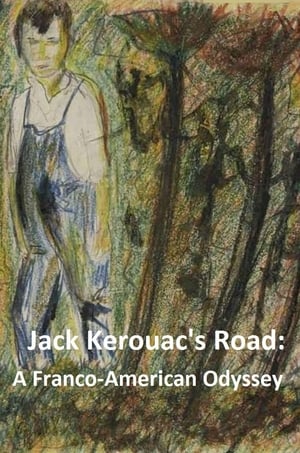
Jack Kerouac's Road: A Franco-American Odyssey(fr)
Part documentary, part drama, this film presents the life and work of Jack Kerouac, an American writer with Québec roots who became one of the most important spokesmen for his generation. Intercut with archival footage, photographs and interviews, this film takes apart the heroic myth and even returns to the childhood of the author whose life and work contributed greatly to the cultural, sexual and social revolution of the 1960s.
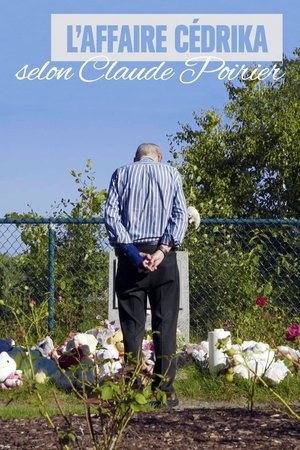
L’Affaire Cédrika, selon Claude Poirier(fr)
Nine years after the disappearance of Cédrika Provencher, Claude Poirier returns to the scene of the crime. With the help of lawyer Guy Bertrand, former minister Jacques Dupuis and witnesses of the events surrounding Cédrika's disappearance and the discovery of her skull, Poirier reveals all he knows about this sadly popular story.
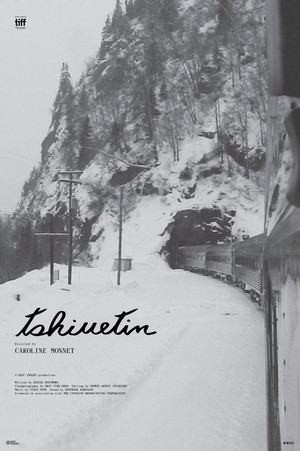
Tshiuetin(fr)
Take a breathtaking train a ride through Nothern Quebec and Labrador on Canada’s first First Nations-owned railway. Come for the celebration of the power of independence, the crucial importance of aboriginal owned businesses and stay for the beauty of the northern landscape.
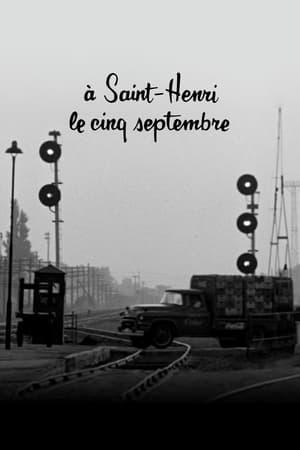
September Five at Saint-Henri(fr)
This short film is a series of vignettes of life in Saint-Henri, a Montreal working-class district, on the first day of school. From dawn to midnight, we take in the neighbourhood’s pulse: a mother fussing over children, a father's enforced idleness, teenage boys clowning, young lovers dallying - the unposed quality of daily life.
Where do I Belong(fr)
In a continuation of her first film We Are Not Speaking the Same Language, Danika explains what it feels like to be displaced Indigenous urban.
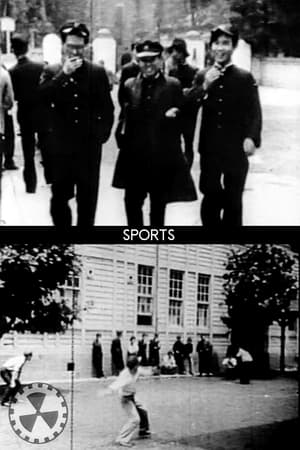
Sports(ja)
The film is about a protest provoked when the university decided to restrict access to sports facilities to athletes, cutting out all other students. This is, strictly speaking, not a Prokino film. It was produced by the Waseda University Film Circle, which was organized by Kawazoe Shiro. Feature film directors Yamamoto Satsuo and Taniguchi Senkichi were apparently students at Waseda at the time and participated in the production.
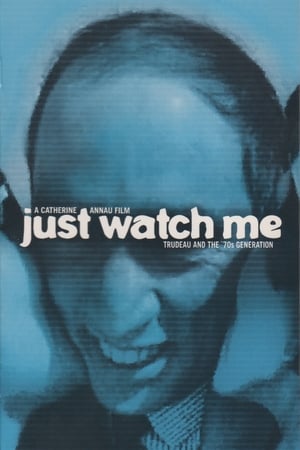
Just Watch Me: Trudeau and the 70's Generation(en)
Canadian director Catherine Annau's debut work is a documentary about the legacy of Pierre Trudeau, the long-running Prime Minister of Canada, who governed during the 1970s. The film focuses particularly on Trudeau's goal of creating a thoroughly bilingual nation. Annau interviews eight people in their mid-30s on both sides of the linguistic divide. One tells of her life growing up in a community of hard-core Quebec separatists, while another, a yuppie from Toronto, recalls believing as a child that people in Montreal got drunk and had sex all day long. Annau has all of the interviewees discuss how Trudeau's policies affected their lives and their perceptions of the other side, in this issue that strikes to the heart of Canada's national identity.
A Night of Knowing Nothing(bn)
L, a student in India witness to the government's violent response to university protests, writes letters to her estranged lover while he is away.