Loading Page


Le Cinéma selon Luc Moullet(2014)
Status: Released
Date: 2014-01-22
0%
0 Votes
Time: 1h 1m
Overview:
Le Cinéma selon Luc Moullet is an audio interview with Luc Moullet recorded on 29 January 1979 by Gérard Courant for the magazine Cinéma 79.
Languages: French.
Countries:
Movie: Le Cinéma selon Luc Moullet
Top 1 Billed Cast

Luc Moullet
Himself
HomePage
Overview
Le Cinéma selon Luc Moullet is an audio interview with Luc Moullet recorded on 29 January 1979 by Gérard Courant for the magazine Cinéma 79.
Release Date
2014-01-22
Average
0
Rating:
0.0 startsTagline
Genres
Languages:
Français
Recommendations Movies
62%
Meetin' WA(fr)
1986-04-23
Revolutionary French New Wave director Jean-Luc Godard conducts a twenty-five minute interview with influential and acclaimed American director Woody Allen on the cultural radiation, the ubiquity and significance of Television, and how Television compares with cinema as a medium and form of expression.
70%
De Palma(en)
2016-06-10
An intimate conversation between filmmakers, chronicling De Palma’s 55-year career, his life, and his filmmaking process, with revealing anecdotes and, of course, a wealth of film clips.
60%
One Hundred and One Nights(fr)
1995-01-25
Monsieur Cinema, a hundred years old, lives alone in a large villa. His memories fade away, so he engages a young woman to tell him stories about all the movies ever made.
63%
The Image Book(fr)
2018-10-11
In Le Livre d’Image, Jean-Luc Godard recycles existing images (films, documentaries, paintings, television archives, etc.), quotes excerpts from books, uses fragments of music. The driving force is poetic rhyme, the association or opposition of ideas, the aesthetic spark through editing, the keystone. The author performs the work of a sculptor. The hand, for this, is essential. He praises it at the start. “There are the five fingers. The five senses. The five parts of the world (…). The true condition of man is to think with his hands. Jean-Luc Godard composes a dazzling syncopation of sequences, the surge of which evokes the violence of the flows of our contemporary screens, taken to a level of incandescence rarely achieved. Crowned at Cannes, the last Godard is a shock film, with twilight beauty.
74%
Nouvelle Vague(fr)
2025-10-08
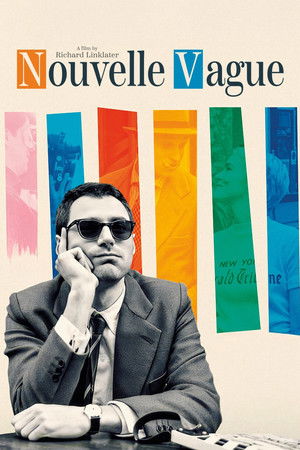
After writing for Cahiers du cinéma, a young Jean-Luc Godard decides making films is the best film criticism. He convinces producer Georges de Beauregard to fund a low-budget feature, and creates a treatment with fellow New Wave filmmaker François Truffaut about a gangster couple. The result? Breathless, one of the first features of the Nouvelle Vague era of French cinema.
73%
Henri-Georges Clouzot's Inferno(fr)
2009-10-01
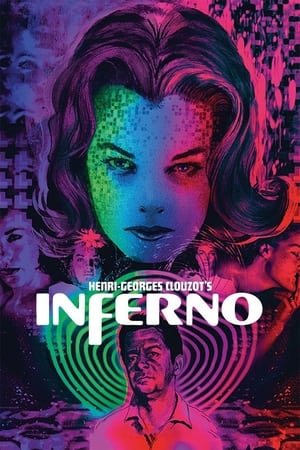
In 1964, Henri-Georges Clouzot's production of L'Enfer came to a halt. Despite huge expectations, major studio backing and an unlimited budget, after three weeks the production collapsed. This documentary presents Inferno's incredible expressionistic original rushes, screen tests, and on-location footage, whilst also reconstructing Clouzot's original vision, and shedding light on the ill-fated endeavor through interviews, dramatizations of unfilmed scenes, and Clouzot's own notes.
63%
Midnight Movies: From the Margin to the Mainstream(en)
2006-06-20
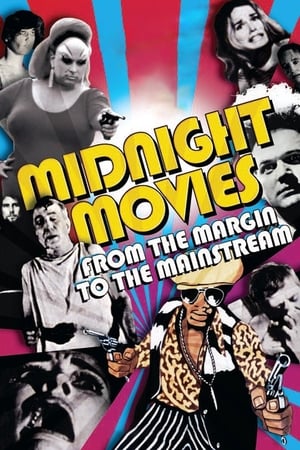
From 1970-1977, six low budget films shown at midnight transformed the way we make and watch films.
65%
Back in Time(en)
2015-10-20
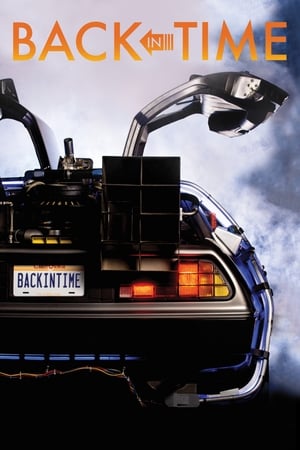
Cast, crew and fans explore the 'Back to the Future' time-travel trilogy's resonance throughout our culture—30 years after Marty McFly went back in time.
71%
I Know That Voice(en)
2014-01-07
Filmmaker Lawrence Shapiro discusses voice-over acting with the talented people behind the characters.
70%
Milius(en)
2013-03-09
The life story of ‘Zen Anarchist’ filmmaker John Milius, one of the most influential storytellers of his generation.
71%
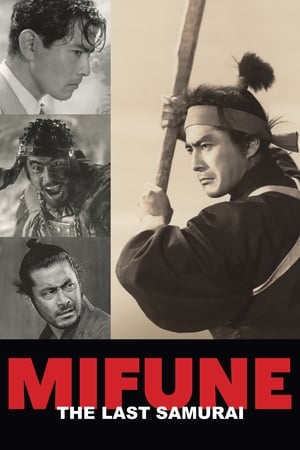
Mifune: The Last Samurai(en)
2016-12-02
An account of the life and work of legendary Japanese actor Toshirō Mifune (1920-97), the most prominent actor of the Golden Age of Japanese cinema.
69%
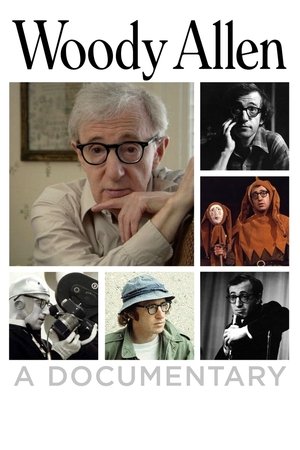
Woody Allen: A Documentary(en)
2011-11-20
An intense portrait of the iconic filmmaker, writer, actor, comedian and musician Woody Allen: his life, family and friends; his writing and directing habits, and his relationship with performers.
64%
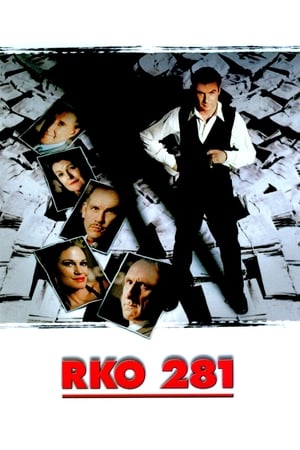
RKO 281(en)
1999-11-20
In 1939, boy-wonder Orson Welles leaves New York, where he has succeeded in radio and theater, and, hired by RKO Pictures, moves to Hollywood with the purpose of making his first film.
75%
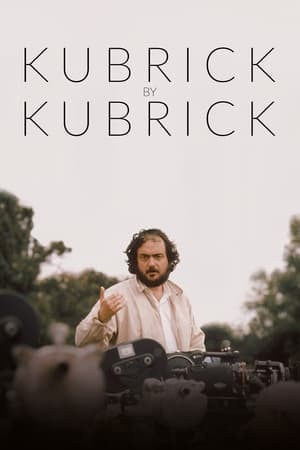
Kubrick by Kubrick(fr)
2020-10-22
American filmmaker Stanley Kubrick (1928–1999), one of the greatest in history, but also one of the most reserved, gave few interviews throughout his long career, and none of them were filmed. A first-person journey through his life and work, based on a recorded conversation with French film critic Michel Climent.
63%
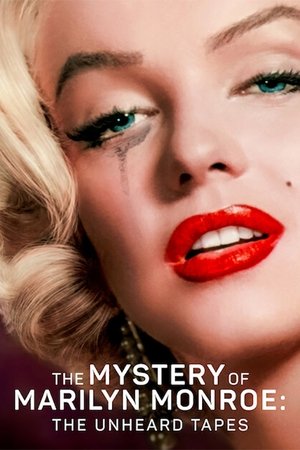
The Mystery of Marilyn Monroe: The Unheard Tapes(en)
2022-04-27
This documentary explores the mystery surrounding the death of movie icon Marilyn Monroe through previously unheard interviews with her inner circle.
73%
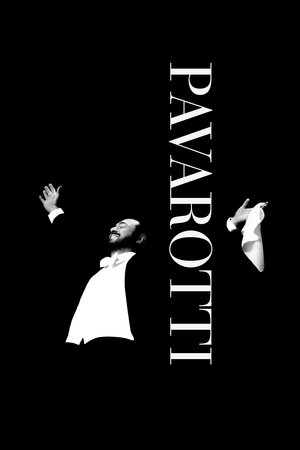
Pavarotti(en)
2019-06-04
Featuring never-before-seen footage, concert performances and intimate interviews, filmmaker Ron Howard examines the life and career of famed opera tenor Luciano Pavarotti.
78%
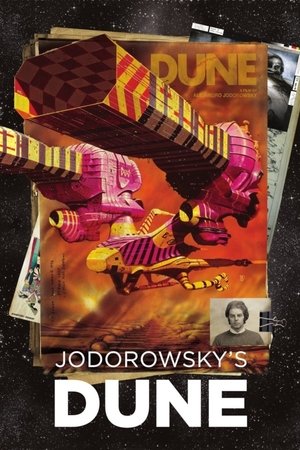
Jodorowsky's Dune(en)
2013-08-30
In 1974, Chilean-French director Alejandro Jodorowsky embarked on the quixotic project of adapting Frank Herbert's influential novel Dune (1969) for the big screen. After investing two years, and millions of dollars, the gigantic project ended in failure; but the artists Jodorowsky brought together to carry it out continued to work together, and ended up laying the foundations for modern science fiction cinema.
79%
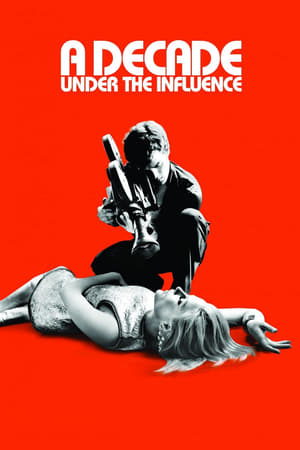
A Decade Under the Influence(en)
2003-04-25
A documentary examining the decade of the 1970s as a turning point in American cinema. Some of today's best filmmakers interview the influential directors of that time.

74%
Love, Antosha(en)
2019-08-02
From a prolific career in film and television, Anton Yelchin left an indelible legacy as an actor. Through his journals and other writings, his photography, the original music he wrote, and interviews with his family, friends, and colleagues, this film looks not just at Anton's impressive career, but at a broader portrait of the man.
77%
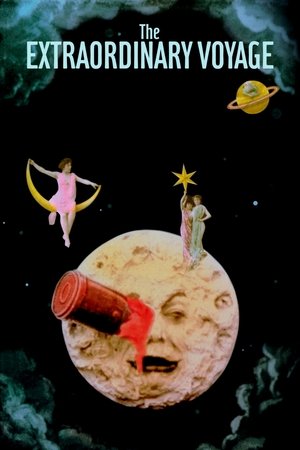
The Extraordinary Voyage(fr)
2011-12-08
An account of the extraordinary life of film pioneer Georges Méliès (1861-1938) and the amazing story of the copy in color of his masterpiece A Trip to the Moon (1902), unexpectedly found in Spain and restored thanks to the heroic efforts of a group of true cinema lovers.