Loading Page
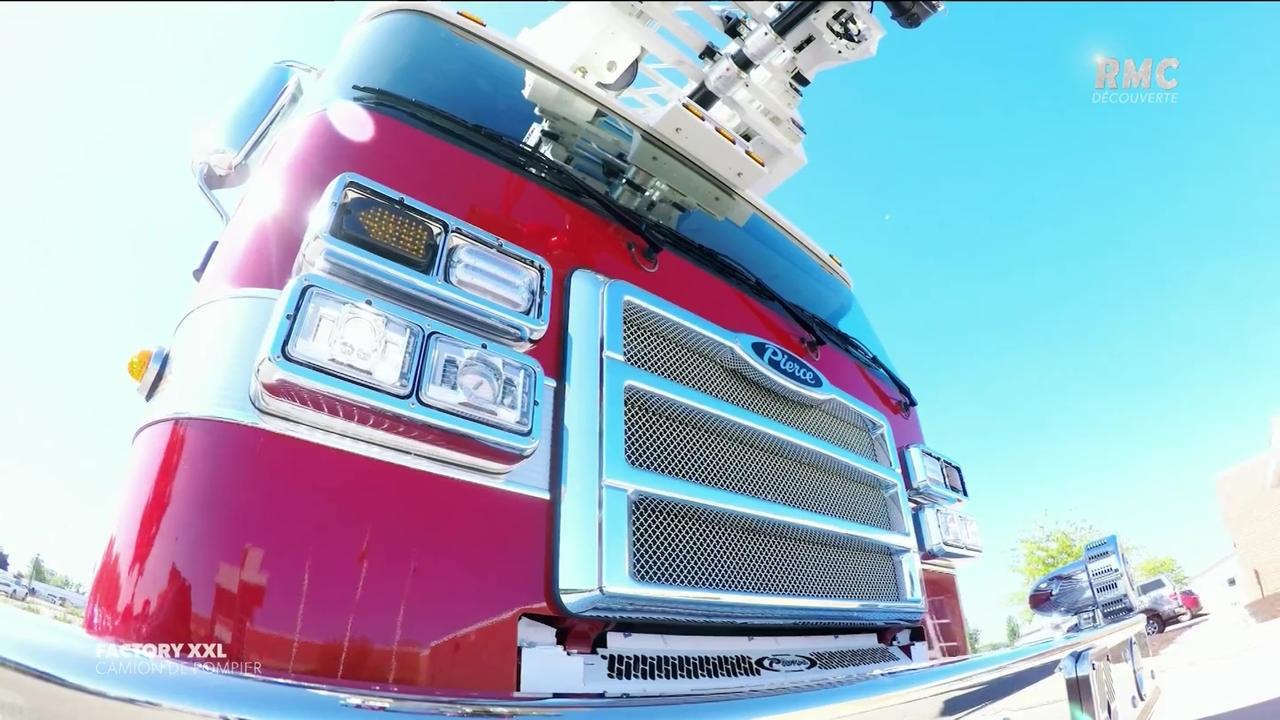

Making of: Pierce Fire Trucks(2019)
Status: Released
Date: 2019-11-30
70%
1 Votes
Languages: German, French.
Countries:
Germany
ProductionCompanies:
Maximus Film
Movie: Making of: Pierce Fire Trucks
HomePage
Overview
Release Date
2019-11-30
Average
7
Rating:
3.5 startsTagline
Genres
Languages:
DeutschFrançaisKeywords
Recommendations Movies

73%
National Gallery(en)
2014-10-08
A portrait of the day-to-day operations of the National Gallery of London, that reveals the role of the employees and the experiences of the Gallery's visitors. The film portrays the role of the curators and conservators; the education, scientific, and conservation departments; and the audience of all kinds of people who come to experience it.
65%
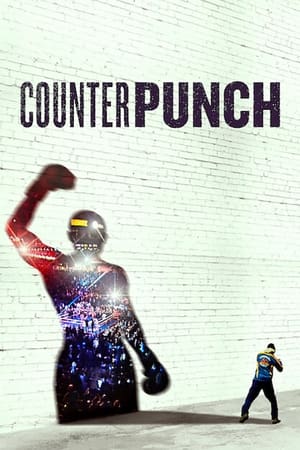
Counterpunch(en)
2017-06-16
As boxing's popularity wanes, three fighters at different stages of their career make sacrifices to pursue their dreams of becoming champions.
69%
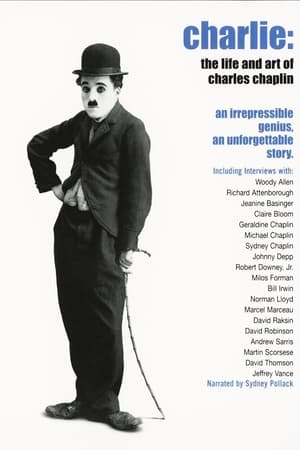
Charlie: The Life and Art of Charles Chaplin(en)
2003-05-01
Brilliant, long in-the-works story of the life and art of the world's greatest comedian and the cinema's first genius, Charlie Chaplin. Produced, written and directed by renowned film critic Richard Schickel.
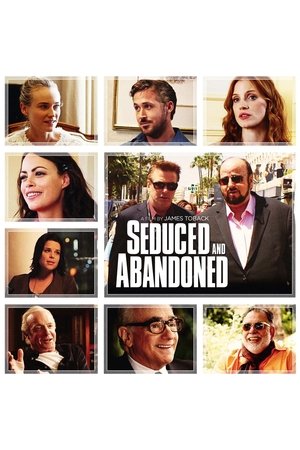
62%
Seduced and Abandoned(en)
2013-05-20
SEDUCED AND ABANDONED combines acting legend Alec Baldwin with director James Toback as they lead us on a troublesome and often hilarious journey of raising financing for their next feature film. Moving from director to financier to star actor, the two players provide us with a unique look behind the curtain at the world's biggest and most glamourous film festival, shining a light on the bitter-sweet relationship filmmakers have with Cannes and the film business. Featuring insights from directors Martin Scorsese, 'Bernando Bertolucci' and Roman Polanski; actors Ryan Gosling and Jessica Chastain and a host of film distribution luminaries.
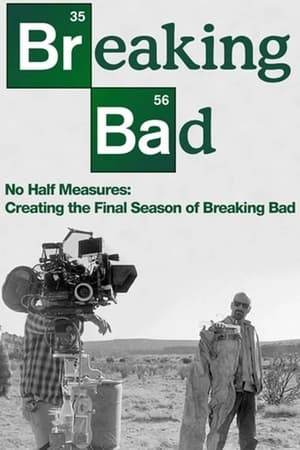
84%
No Half Measures: Creating the Final Season of Breaking Bad(en)
2013-11-26
A documentary about the making of season five of the acclaimed AMC series Breaking Bad.

65%
Downloaded(en)
2013-06-20
A documentary that explores the downloading revolution; the kids that created it, the bands and the businesses that were affected by it, and its impact on the world at large.

64%
Ex Libris: The New York Public Library(en)
2017-09-13
A documentary about how a dominant cultural and demographic institution both sustains their traditional activities and adapts to the digital revolution.

76%
As I Was Moving Ahead, Occasionally I Saw Brief Glimpses of Beauty(en)
2000-11-05
A compilation of over 30 years of private home movie footage shot by Lithuanian-American avant-garde director Jonas Mekas, assembled by Mekas "purely by chance", without concern for chronological order.
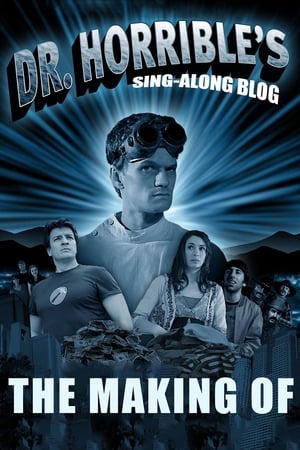
75%
The Making of Dr. Horrible's Sing-Along Blog(en)
2007-12-19
The making of 'Dr. Horrible's Sing-Along Blog'.

79%
John Candy: I Like Me(en)
2025-09-04
Those who knew iconic funnyman John Candy best share his story, in their own words, through never-before-seen archival footage, imagery, and interviews.
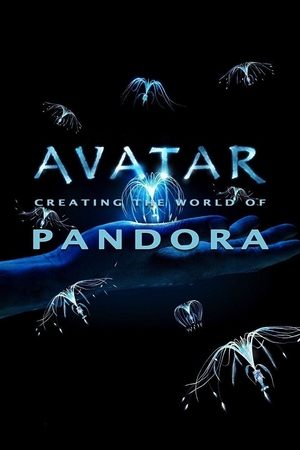
64%
Avatar: Creating the World of Pandora(en)
2010-02-07
The Making-of James Cameron's Avatar. It shows interesting parts of the work on the set.
64%
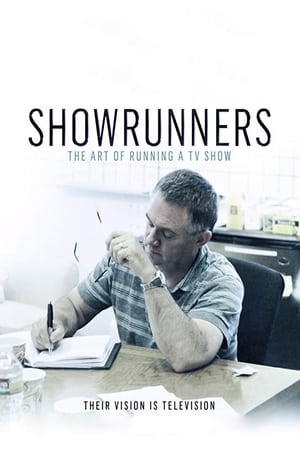
Showrunners: The Art of Running a TV Show(en)
2014-10-17
“Showrunners” is the first ever feature length documentary film to explore the fascinating world of US television showrunners and the creative forces aligned around them. These are the people responsible for creating, writing and overseeing every element of production on one of the United State’s biggest exports – television drama and comedy series. Often described as the most complex job in the entertainment business, a showrunner is the chief writer / producer on a TV series and, in most instances, the show’s creator. Battling daily between art and commerce, showrunners manage every aspect of a TV show’s development and production: creative, financial and logistical.
65%
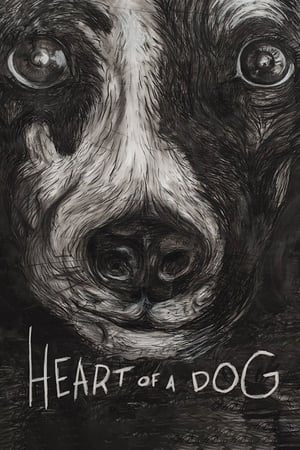
Heart of a Dog(en)
2015-10-21
Lyrical and powerfully personal essay film that reflects on the deaths of her husband Lou Reed, her mother, her beloved dog, and such diverse subjects as family memories, surveillance, and Buddhist teachings.
74%
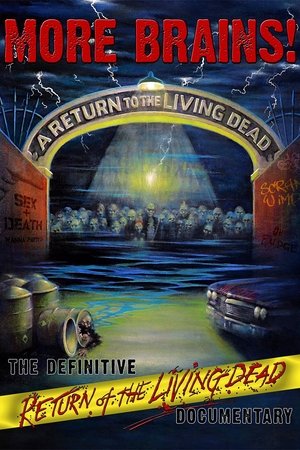
More Brains! A Return to the Living Dead(en)
2011-10-18
Retrospective documentary about the making of the horror cult classic "The Return of the Living Dead."
69%
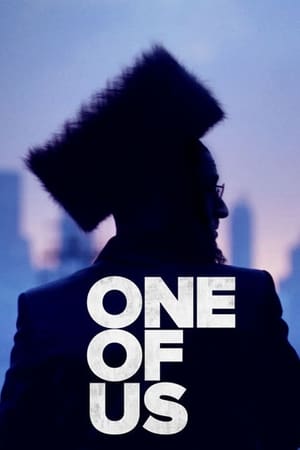
One of Us(en)
2017-09-10
Penetrating the insular world of New York's Hasidic community, focusing on three individuals driven to break away despite threats of retaliation.

68%
Looking for Richard(en)
1996-10-11
Al Pacino's deeply-felt rumination on Shakespeare's significance and relevance to the modern world through interviews and an in-depth analysis of "Richard III."
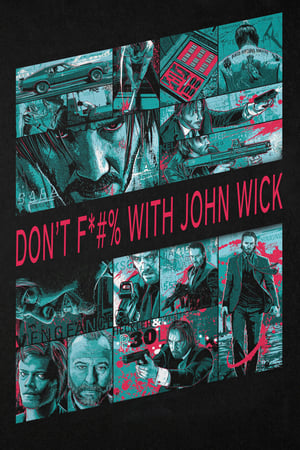
77%
Don't F*#% With John Wick(en)
2015-02-03
Behind the scenes look at fight choreography and action training.
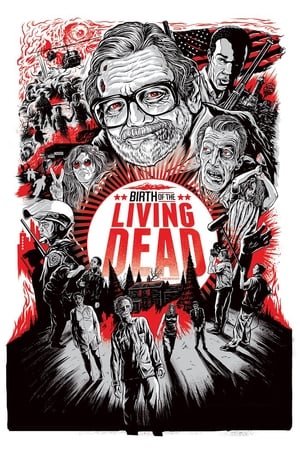
67%
Birth of the Living Dead(en)
2013-10-18
A behind the scenes look into George Romero's groundbreaking horror classic Night of the Living Dead.
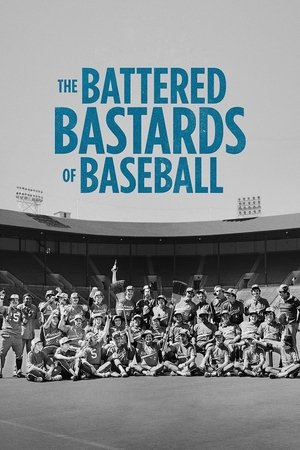
75%
The Battered Bastards of Baseball(en)
2014-01-20
Hollywood veteran Bing Russell creates the only independent baseball team in the country—alarming the baseball establishment and sparking the meteoric rise of the 1970s Portland Mavericks.
Similar Movies
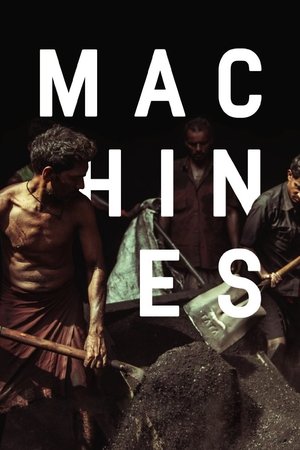
62%
Machines(hi)
2017-11-30
This portrayal of the rhythm of life and work in a gigantic textile factory in Gujarat, India, moves through the corridors and bowels of the enormously disorienting structure—taking the viewer on a journey of dehumanizing physical labor and intense hardship.
65%
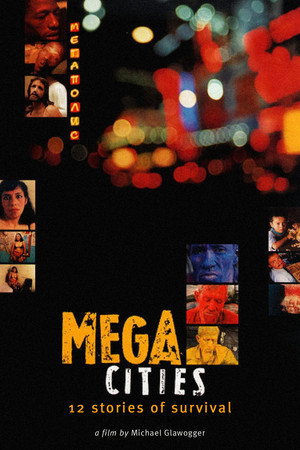
Megacities(en)
1998-08-12
Megacities is a documentary about the slums of five different metropolitan cities.
0%
Load Runners(en)
1966-01-01
An overview of Osborn manufacturing equipment, in particular their load runners in utility plants and factory environments.
67%
Workers Leaving the Lumière Factory(fr)
1895-03-22
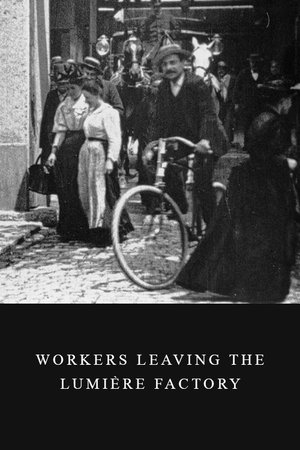
Working men and women leave through the main gate of the Lumière factory in Lyon, France. Filmed on 22 March 1895, it is often referred to as the first real motion picture ever made, although Louis Le Prince's 1888 Roundhay Garden Scene pre-dated it by seven years. Three separate versions of this film exist, which differ from one another in numerous ways. The first version features a carriage drawn by one horse, while in the second version the carriage is drawn by two horses, and there is no carriage at all in the third version. The clothing style is also different between the three versions, demonstrating the different seasons in which each was filmed. This film was made in the 35 mm format with an aspect ratio of 1.33:1, and at a speed of 16 frames per second. At that rate, the 17 meters of film length provided a duration of 46 seconds, holding a total of 800 frames.

0%
Charlie Marx and the Chocolate Factory(en)
2009-01-01
Charlie Marx and the Chocolate Factory started as an investigation of the link between politics and chocolate, at the Karl Marx Confectionary Factory in Kiev, Ukraine. Since access to the factory was denied, the project had to be re-considered, re-invented or re-enacted. Mostly made of archival footage and re-enacted performances based on the company's website, the film merges what was left of the initial idea with what has been collected and realized instead. It borrows from the genres of video art, 'Man on the street' interview, direct address, corporate film, essay, and music video, without legitimately belonging to any of them. The film unravels as a reflection on its own failure, and yet keeps on investigating what has always been at stake: the shift from public to private property (and from analog to digital technology), dialectics of permanence and change, language as a mirror of ideology, and post-Soviet oligarchy culture.
72%
Manufactured Landscapes(en)
2006-09-09
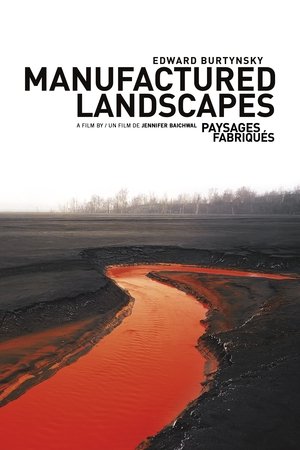
MANUFACTURED LANDSCAPES is the striking new documentary on the world and work of renowned artist Edward Burtynsky. Internationally acclaimed for his large-scale photographs of “manufactured landscapes”—quarries, recycling yards, factories, mines and dams—Burtynsky creates stunningly beautiful art from civilization’s materials and debris.
70%
24 City(zh)
2008-09-27
As a decades-old state-run aeronautics munitions factory in downtown Chengdu, China is being torn down for the construction of the titular luxury apartment complex, director Jia Zhangke interviews various people affiliated with it about their experiences.

80%
I Am a Truck(ko)
1953-01-01
Worldy renowned for his masterpiece The Housemaid (1960), Kim Ki-young debuts with his first short film I Am a Truck (1953), which was sponsored by UN and made a year after the armistice of the Korean War. This film is a fascinating glimpse into the mind of a soon-to-be powerful auteur and influential filmmaker in the post-war Korean cinema, if not the whole history of Korean cinema.
0%
Nous irons jusqu'au bout (les Kaolins de Plemet)(fr)
1973-01-01
Chronicle of the 9-week strike by the kaolin workers of Plémet. The film emphasizes the particular nature of such a strike in a rural commune and in a sector of the old Breton proletariat: that of subsoil mining, almost entirely liquidated after the closure of the Hennebont forges.

52%
IEC Long(pt)
2015-03-20
The word panchão was first heard in Macao. From the Chinese pan-tcheong or pau-tcheong, dictionaries define it as a Macanese regionalism also known as China cracker. Who inhabits the ancient IEC Long firecracker factory?
80%
Truck Wars(en)
2018-07-10
Pickup trucks are essential to the American way of life; manufacturers compete to outsmart, outmaneuver and outlast each other; experts, designers and historians weigh in on the most influential innovations in the truck world over the past 120 years.
0%
Factory(en)
1970-01-01
A cinema verite study of the world of the blue-collar worker and the economic and psychological bind in which he is caught.

80%
Making of: Airbus A350(de)
2019-11-30
0%
The Factory: How a Product is Made(en)
1956-01-01
This documentary, produced by Paul Burnford, features how products are made in factories. It uses an example of a jack-in-the-box produced by Mattel.
0%
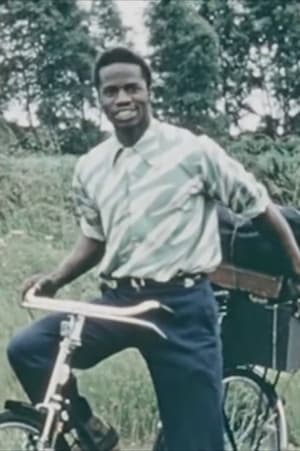
Phillips Bicycles - Publicity Films for West Africa(en)
1954-04-01
From the West Midlands to West Africa: tour the Phillips bicycle plant in Smethwick and see the products in action overseas.
64%
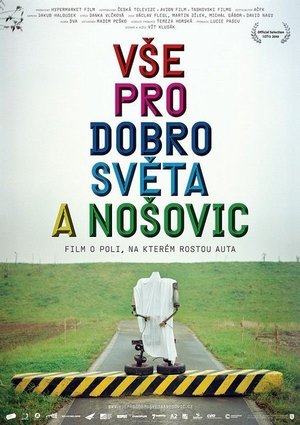
All for the good of the World and Nosovice(cs)
2011-02-17
An original portrayal of a small Czech village where – as the locals put it – an UFO has landed in the form of a kilometre-long silverish factory: a Korean Hyundai automobile plant. The village, hitherto famous mostly for its sauerkraut and the “Radegast” beer was thus turned into an industrial zone – the largest greenfield investment project in the Czech Republic’s history. Nonetheless, for a long time many farmers resisted selling the land upon which the factory was now standing. Eventually, they all succumbed under the pressure from the neighbours, and even the anonymous death threats. The filmmakers returned to Nošovice two years after the dramatic property buyouts, at the time when the factory has just started churning out cheap cars. Combining the perspectives of seven characters, they have composed a portrayal of a place suddenly changed beyond recognition that is playful and chilling at the same time: a politically engaged absurd flick about a field that yields cars.
75%
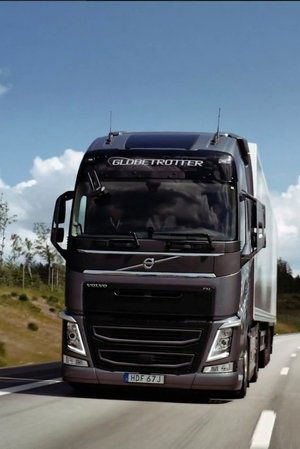
Making of: Volvo FH Trucks(de)
2019-11-30