Loading Page

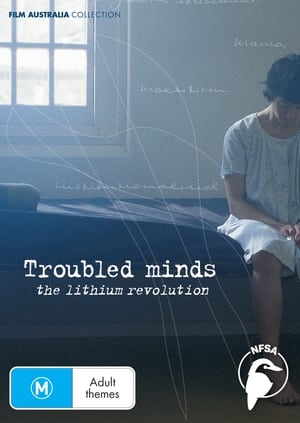
Troubled Minds: The Lithium Revolution(2004)
Status: Released
Date: 2004-10-06
0%
0 Votes
Time: 0h 55m
Overview:
In a disused hospital pantry in the 1940s, an Australian doctor discovered an astonishing treatment for bi-polar disorder (or manic-depression, as it was then known). It would change the way we think about mental illness and mark the beginning of psychopharmacology - using drugs to manage psychiatric conditions. It would take 20 years of struggle before lithium treatment was finally accepted, but the scientists and psychiatrists who followed Cade's lead persevered. Their work has meant a chance at stability for hundreds of thousands of people around the world, and lithium remains the benchmark for bi-polar treatment today.
Languages:
Countries:
Movie: Troubled Minds: The Lithium Revolution
Top 3 Billed Cast

Don Bridges
William Brand
HomePage
Overview
In a disused hospital pantry in the 1940s, an Australian doctor discovered an astonishing treatment for bi-polar disorder (or manic-depression, as it was then known). It would change the way we think about mental illness and mark the beginning of psychopharmacology - using drugs to manage psychiatric conditions. It would take 20 years of struggle before lithium treatment was finally accepted, but the scientists and psychiatrists who followed Cade's lead persevered. Their work has meant a chance at stability for hundreds of thousands of people around the world, and lithium remains the benchmark for bi-polar treatment today.
Release Date
2004-10-06
Average
0
Rating:
0.0 startsTagline
Genres
Languages:
Recommendations Movies
65%
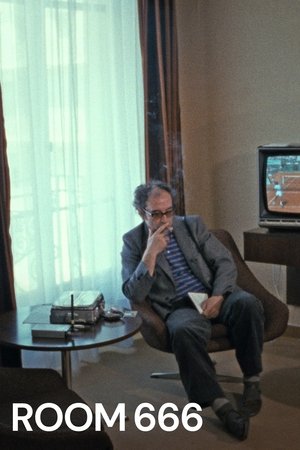
Room 666(en)
1982-06-02
During the 1982 Cannes Film Festival, Wim Wenders asked a number of global film directors to, one at a time, go into a hotel room, turn on the camera, and answer a simple question: "What is the future of cinema?"


76%
Night Will Fall(en)
2014-06-07
When Allied forces liberated the Nazi concentration camps in 1944-45, their terrible discoveries were recorded by army and newsreel cameramen, revealing for the first time the full horror of what had happened. Making use of British, Soviet and American footage, the Ministry of Information’s Sidney Bernstein (later founder of Granada Television) aimed to create a documentary that would provide lasting, undeniable evidence of the Nazis’ unspeakable crimes. He commissioned a wealth of British talent, including editor Stewart McAllister, writer and future cabinet minister Richard Crossman – and, as treatment advisor, his friend Alfred Hitchcock. Yet, despite initial support from the British and US Governments, the film was shelved, and only now, 70 years on, has it been restored and completed by Imperial War Museums under its original title "German Concentration Camps Factual Survey".
72%
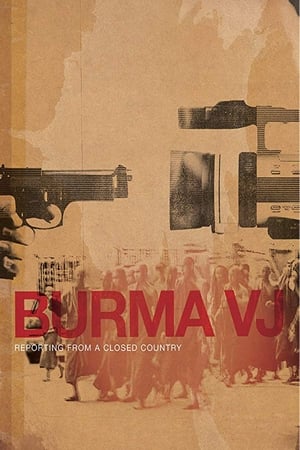
Burma VJ: Reporting from a Closed Country(en)
2008-11-12
Going beyond the occasional news clip from Burma, the acclaimed filmmaker, Anders Østergaard, brings us close to the video journalists who deliver the footage. Though risking torture and life in jail, courageous young citizens of Burma live the essence of journalism as they insist on keeping up the flow of news from their closed country.
69%
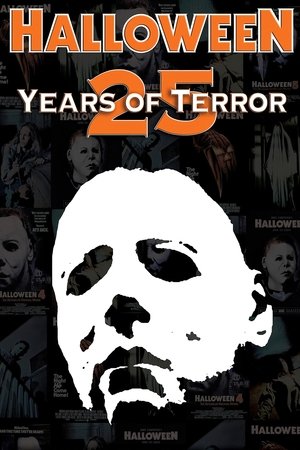
Halloween: 25 Years of Terror(en)
2006-07-26
Follow the evolution of the 'Halloween' movies over the past twenty-five years. It examines why the films are so popular and revisits many of the original locations used in the films - seeing the effects on the local community. For the first time, cast, crew, critics and fans join together in the ultimate 'Halloween' retrospective.
77%
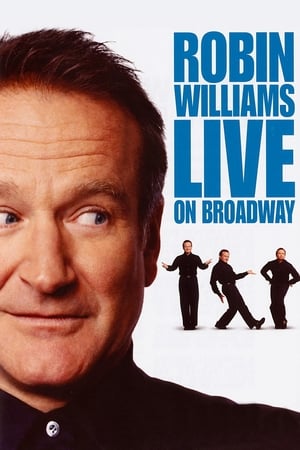
Robin Williams: Live on Broadway(en)
2002-07-14
2002 HBO Stand-up Special starring Robin Williams. Recorded and broadcast live from New Your City's Broadway Theater at the culmination of his historic 2002 sold-out tour, this special finds the Oscar-winning actor/writer/comedian returning after 16 years to his stand-up roots to deliver what the Washington Post calls "...in its madcap way, a seminal cultural event."

61%
DMT: The Spirit Molecule(en)
2010-10-15
THE SPIRIT MOLECULE weaves an account of Dr. Rick Strassman's groundbreaking DMT research through a multifaceted approach to this intriguing hallucinogen found in the human brain and hundreds of plants, including the sacred Amazonian brew, ayahuasca. Utilizing interviews with a variety of experts to explain their thoughts and experiences with DMT, and ayahuasca, within their respective fields, and discussions with Strassman’s research volunteers, brings to life the awesome effects of this compound, and introduces us to far-reaching theories regarding its role in human consciousness.
70%
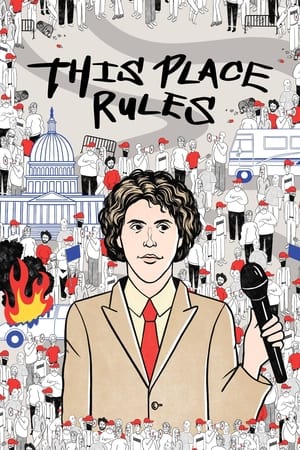
This Place Rules(en)
2022-12-30
Acclaimed for his unfiltered reporting and deadpan humor, Andrew Callaghan brings his gonzo style reporting to the undercurrents that led to the January 6 Capitol Riot. As one of the best-known and hardest working journalists of his generation, the 25-year-old ventures on a wild RV journey through America to take the pulse of a divided nation.

65%
Downloaded(en)
2013-06-20
A documentary that explores the downloading revolution; the kids that created it, the bands and the businesses that were affected by it, and its impact on the world at large.
66%
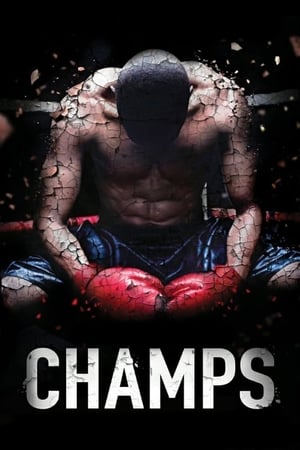
Champs(en)
2015-03-13
A documentary about the sport of boxing, as seen through the eyes of champions Mike Tyson, Evander Holyfield and Bernard Hopkins.

64%
Ex Libris: The New York Public Library(en)
2017-09-13
A documentary about how a dominant cultural and demographic institution both sustains their traditional activities and adapts to the digital revolution.
73%
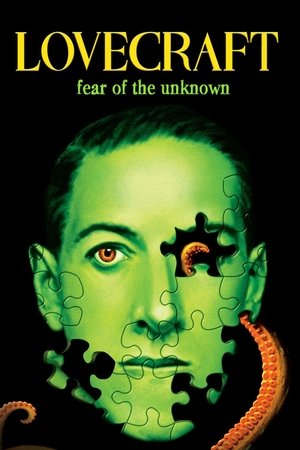
Lovecraft: Fear of the Unknown(en)
2008-07-24
A chronicle of the life, work and mind that created the Cthulhu mythos.
79%
Live Aid(en)
1985-07-13
Live Aid was held on 13 July 1985, simultaneously in Wembley Stadium in London, England, and the John F. Kennedy Stadium in Philadelphia, United States. It was one of the largest scale satellite link-ups and television broadcasts of all time: watched live by an estimated global audience of 1.9 billion, across 150 nations. "It's twelve noon in London, seven AM in Philadelphia, and around the world it's time for Live Aid...!"
60%
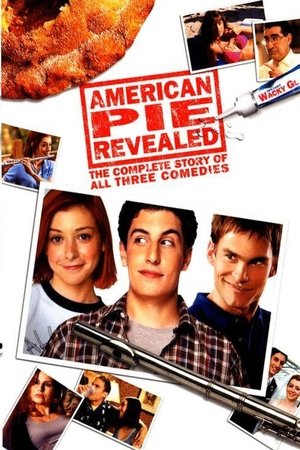
American Pie: Revealed(en)
2004-01-02
Documentary about the making of American Pie (1999), American Pie 2 (2001) and American Wedding (2003).
62%
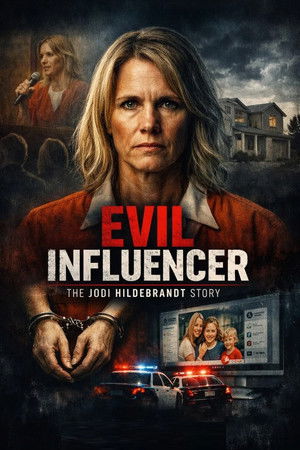
Evil Influencer: The Jodi Hildebrandt Story(en)
2025-12-30
Unravel the case of Utah therapist Jodi Hildebrandt, whose child abuse arrest with parenting YouTuber Ruby Franke exposed a twisted tale of manipulation.
60%
Nobody Speak: Trials of the Free Press(en)
2017-01-24
The courtroom and publicity battles between the superstar wrestler and the notorious website explode in a sensational trial all about the limits of the First Amendment and the new no holds barred nature of celebrity life in an internet dominated society.
59%
Memories of a Murderer: The Nilsen Tapes(en)
2021-08-18
Serial killer Dennis Nilsen narrates his life and horrific crimes via a series of chilling audiotapes recorded from his jail cell.

71%
The Class of ‘92(en)
2013-12-01
A detailing of the rise to prominence and global sporting superstardom of six supremely talented young Manchester United football players (David Beckham, Nicky Butt, Ryan Giggs, Paul Scholes, Phil and Gary Neville). The film covers the period 1992-1999, culminating in Manchester United's European Cup triumph.