

Nicaragua Part 1: Voyages(1985)
Composed of stills by renowned Magnum photographer Susan Meiselas taken in 1978 and 1979 during the overthrow of the fifty-year dictatorship of the Somoza family. Written in the form of a letter from Meiselas to Karlin, it is a ruminative and often profound exploration of the ethics of witnessing, the responsibilities of war photography and the politics of the still image.

Movie: Nicaragua Part 1: Voyages
Video Trailer Nicaragua Part 1: Voyages
All 1 videos

Nicaragua Part 1 - Voyages - Channel 4 intro and outro - Eleventh Hour - 14 October 1985 - 10pm - Clip
Recommendations Movies
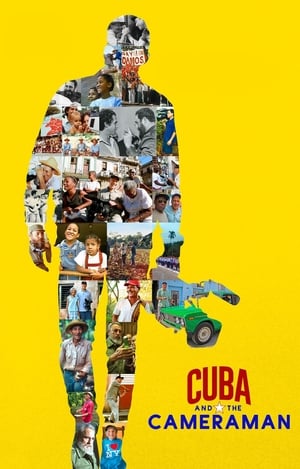
Cuba and the Cameraman(en)
This revealing portrait of Cuba follows the lives of Fidel Castro and three Cuban families affected by his policies over the last four decades.
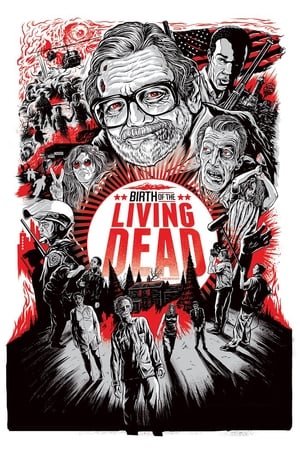
Birth of the Living Dead(en)
A behind the scenes look into George Romero's groundbreaking horror classic Night of the Living Dead.


The Class of ‘92(en)
A detailing of the rise to prominence and global sporting superstardom of six supremely talented young Manchester United football players (David Beckham, Nicky Butt, Ryan Giggs, Paul Scholes, Phil and Gary Neville). The film covers the period 1992-1999, culminating in Manchester United's European Cup triumph.
Heart of a Dog(en)
Lyrical and powerfully personal essay film that reflects on the deaths of her husband Lou Reed, her mother, her beloved dog, and such diverse subjects as family memories, surveillance, and Buddhist teachings.
South of the Border(en)
A road trip across five countries to explore the social and political movements as well as the mainstream media's misperception of South America while interviewing seven of its elected presidents.
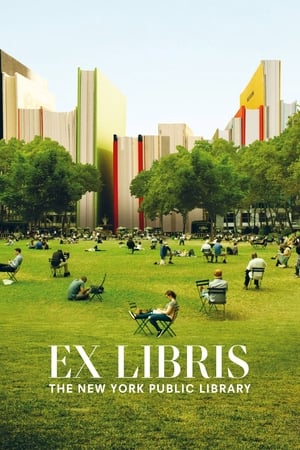
Ex Libris: The New York Public Library(en)
A documentary about how a dominant cultural and demographic institution both sustains their traditional activities and adapts to the digital revolution.
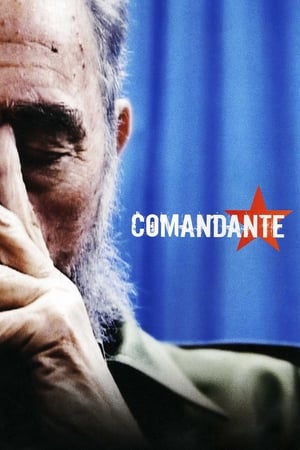
Comandante(en)
Oliver Stone spends three days filming with Fidel Castro in Cuba, discussing an array of subjects with the president such as his rise to power, fellow revolutionary Che Guevara, the Cuban Missile crisis, and the present state of the country.
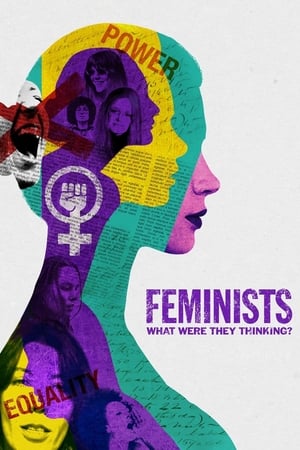
Feminists: What Were They Thinking?(en)
In 1977, a book of photographs captured an awakening - women shedding the cultural restrictions of their childhoods and embracing their full humanity. This documentary revisits those photos, those women and those times and takes aim at our culture today that alarmingly shows the need for continued change.

In the Realms of the Unreal(en)
In the Realms of the Unreal is a documentary about the reclusive Chicago-based artist Henry Darger. Henry Darger was so reclusive that when he died his neighbors were surprised to find a 15,145-page manuscript along with hundreds of paintings depicting The Story of the Vivian Girls, in What is Known as the Realms of the Unreal, of the Glodeco-Angelinnian War Storm, Cased by the Child Slave Rebellion.
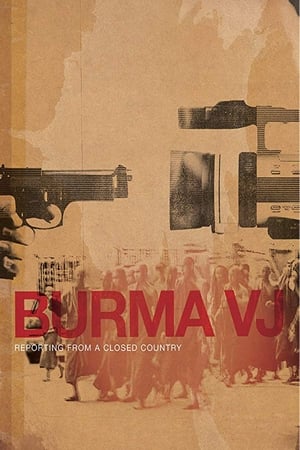
Burma VJ: Reporting from a Closed Country(en)
Going beyond the occasional news clip from Burma, the acclaimed filmmaker, Anders Østergaard, brings us close to the video journalists who deliver the footage. Though risking torture and life in jail, courageous young citizens of Burma live the essence of journalism as they insist on keeping up the flow of news from their closed country.
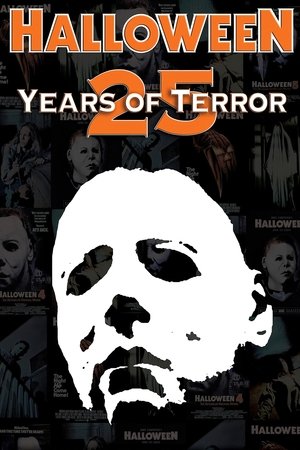
Halloween: 25 Years of Terror(en)
Follow the evolution of the 'Halloween' movies over the past twenty-five years. It examines why the films are so popular and revisits many of the original locations used in the films - seeing the effects on the local community. For the first time, cast, crew, critics and fans join together in the ultimate 'Halloween' retrospective.
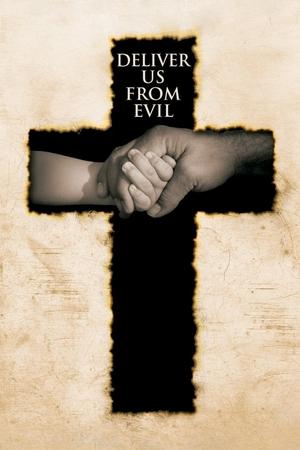
Deliver Us from Evil(en)
Documentary filmmaker Amy Berg investigates the life of 30-year pedophile Father Oliver O'Grady and exposes the corruption inside the Catholic Church that allowed him to abuse countless children. Victims' stories and a disturbing interview with O'Grady offer a view into the troubled mind of the spiritual leader who moved from parish to parish gaining trust ... all the while betraying so many.
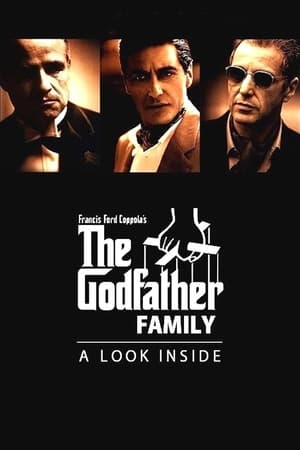
The Godfather Family: A Look Inside(en)
A documentary on the making of the three Godfather films, with interviews and recollections from the film makers and cast. This feature also includes the original screen tests of some of the actors for "The Godfather" film, and some candid moments on the set of "The Godfather: Part III."
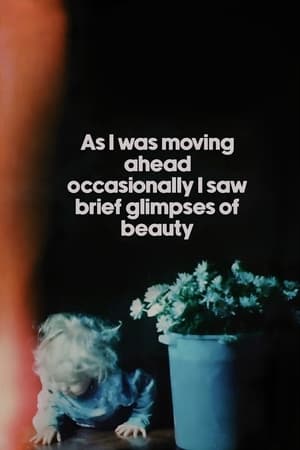
As I Was Moving Ahead, Occasionally I Saw Brief Glimpses of Beauty(en)
A compilation of over 30 years of private home movie footage shot by Lithuanian-American avant-garde director Jonas Mekas, assembled by Mekas "purely by chance", without concern for chronological order.
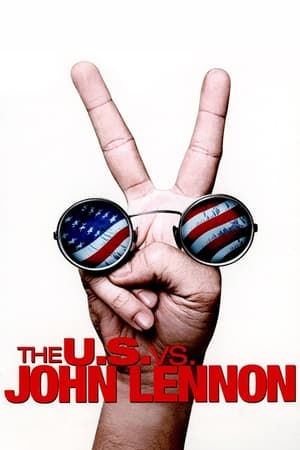
The U.S. vs. John Lennon(en)
A documentary on the life of John Lennon, with a focus on the time in his life when he transformed from a musician into an antiwar activist.

Night Will Fall(en)
When Allied forces liberated the Nazi concentration camps in 1944-45, their terrible discoveries were recorded by army and newsreel cameramen, revealing for the first time the full horror of what had happened. Making use of British, Soviet and American footage, the Ministry of Information’s Sidney Bernstein (later founder of Granada Television) aimed to create a documentary that would provide lasting, undeniable evidence of the Nazis’ unspeakable crimes. He commissioned a wealth of British talent, including editor Stewart McAllister, writer and future cabinet minister Richard Crossman – and, as treatment advisor, his friend Alfred Hitchcock. Yet, despite initial support from the British and US Governments, the film was shelved, and only now, 70 years on, has it been restored and completed by Imperial War Museums under its original title "German Concentration Camps Factual Survey".
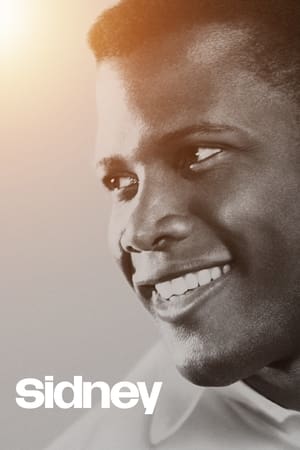
Sidney(en)
This revealing documentary honors the legendary Sidney Poitier—iconic actor, filmmaker, and civil rights activist. Featuring interviews with Denzel Washington, Spike Lee, Halle Berry, and more.
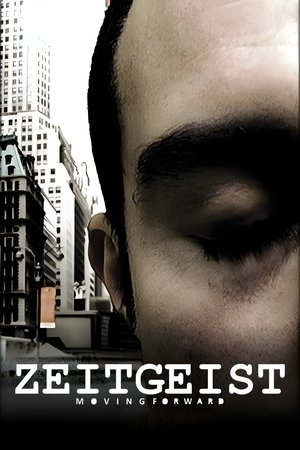
Zeitgeist: Moving Forward(en)
A presentation of a case for a needed transition out of the current socioeconomic monetary paradigm which governs the entire world society. This subject matter will transcend the issues of cultural relativism and traditional ideology and move to relate the core, empirical 'life ground' attributes of human and social survival, extrapolating those immutable natural laws into a new sustainable social paradigm called a 'Resource-Based Economy'.
Similar Movies
Morristown: Where America Survived(en)
A thirty-minute High Definition documentary which revisits that winter of 1779-80 when Washington’s troops arrived at the densely-wooded area just south of Morristown known as Jockey Hollow, to build a log hut city for their winter camp. The film is an eye-opening look at how the camp saved the army – and the American Revolution – from the brink of disaster. Based on John T. Cunningham’s book The Uncertain Revolution and shot on location at Morristown National Historical Park, Morristown: Where America Survived is narrated by award-winning actor Edward Herrmann, who has voiced many history documentaries over his extensive career. The program was produced by New Jersey Network.
Esperanto(eo)
This film, directed by Dominique GAUTIER, takes the viewer on a worldwide excursion into the history and structure of the Esperanto language, introducing its present-day speakers. The words of these users of the language are reflective of a variety of activities and viewpoints, and in the film they are interwoven so as to reveal bit by bit how the utopia of its initiator, Ludwig ZAMENHOF, is concretised every day.
Whose Country?(en)
A young Egyptian filmmaker recounts his interaction with a group of plainclothes policemen while grappling with issues of guilt and morality.
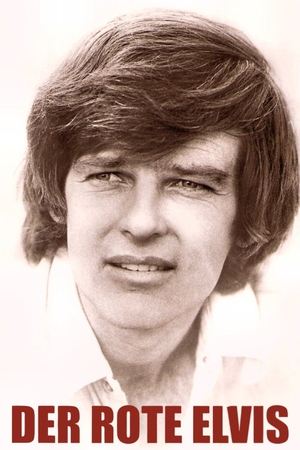
The Red Elvis(de)
A documentary on the late American entertainer Dean Reed, who became a huge star in East Germany after settling there in 1973.

El camino(es)
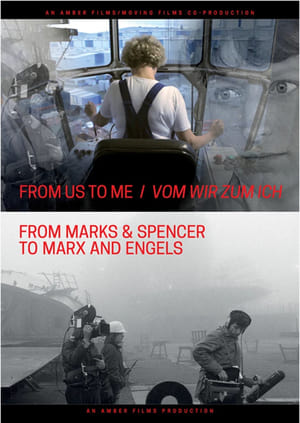
From Us To Me / Vom Wir zum Ich(de)
This first co-production between the GDR and Great Britain is intended to contribute to an understanding of the situation and attitudes of millions of working people in opposing social orders. Using the example of shipyard workers, fishermen, the brigade and family of a trade union active cook and unemployed person of various ages and professions in Newcastle on the one hand and a brigade of crane operators of the Warnowwerft and fishermen of the Warnemünde cooperative on the other hand, insights into the way of life and attitudes of people of our time are to be conveyed.
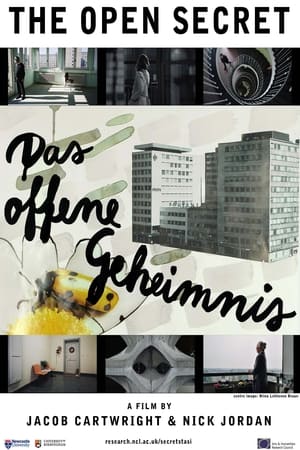
The Open Secret(en)
A documentary that explores questions of secrecy and power in relation to the East German Secret Police (the 'Stasi') within East German society. The film is based upon key findings from an extensive research project, 'Knowing the Secret Police', and reflects upon how different kinds of knowledge were circulated through social, religious, political and literary networks within the former GDR. The filmmakers present this research with footage filmed at key locations throughout East Berlin and the wider surrounding landscape, including the Stasi archives and former HQ, Karl-Marx-Allee, Volkspark Friedrichshain, rural 'dacha' cabins, the urban neighbourhood of Prenzlauerberg and the social housing estates of Marzahn.
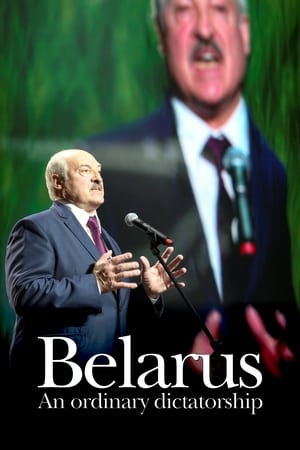
Belarus: An Ordinary Dictatorship(fr)
It’s the last dictatorship of Europe, caught in a Soviet time-warp, where the secret police is still called the KGB and the president rules by fear. Disappearances, political assassinations, waves of repression and mass arrests are all regular occurances. But while half of Belarus moves closer to Russia, the other half is trying to resist…
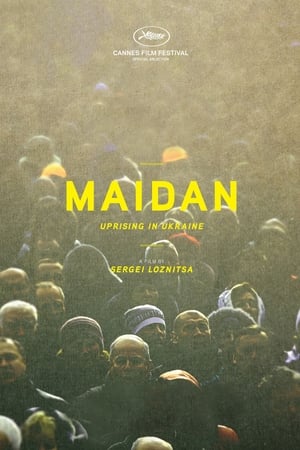
Maidan(uk)
A chronicle of the civil uprising against the regime of Ukrainian president Viktor Yanukovych that took place in Kyiv in the winter of 2013/14. The film follows the progress of the revolution: from peaceful rallies, half a million strong in the Maidan square, to the bloody street battles between protesters and riot police.
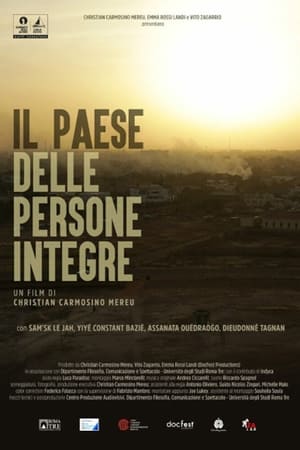
Land of Upright People(it)
October 2014. Ouagadougou, the capital of Burkina Faso, is the scene of an unarmed uprising that ousts the dictator in power since 1987 and later staves off an attempted coup. In 2015, the country votes freely for the first time in its history, yet real change remains allusive, especially regarding ongoing economic exploitation by foreign companies. In one year of struggle and resistance, the film follows the daily life of four Burkinabes: a musician and leader of the revolution, a local political candidate, a miner engaged in the labor movement, and an impoverished mother, all sharing hopes that the elections will change the country’s path.
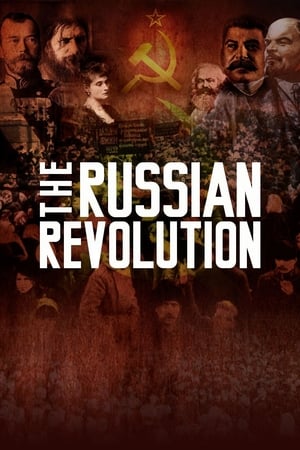
The Russian Revolution(en)
Starting in 1881 this film shows the personal battle between Lenin's Ulyanov family and the royal Romanovs that eventually led to the Russian revolution.
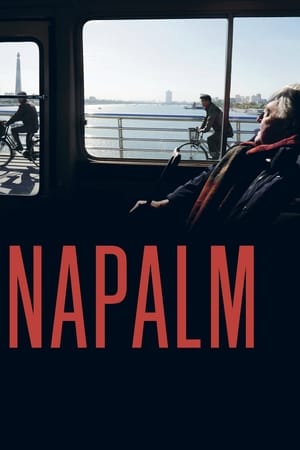
Napalm(fr)
Napalm is the story of the breathtaking and brief encounter, in 1958, between a French member of the first Western European delegation officially invited to North Korea after the devastating Korean war and a nurse working for the Korean Red Cross hospital, in Pyongyang, capital of the Democratic People’s Republic of Korea.
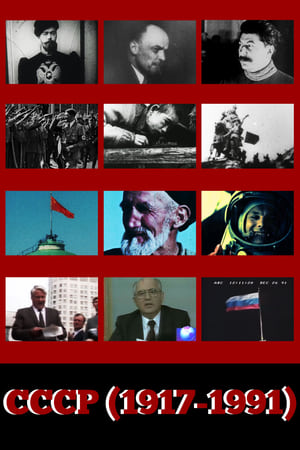
USSR (1917-1991)(xx)
Experimental short film that explores the rise and decline of the Soviet Union, from the revolutionary spark of 1917 to the challenges and sacrifices endured during World War II, until its dissolution in 1991.
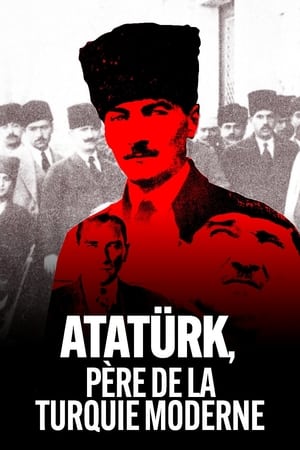
Atatürk, Father of Modern Turkey(fr)
Mustafa Kemal Atatürk (1881-1938) was a Turkish field marshal, revolutionary statesman, author, and the founding father of the Republic of Turkey, serving as its first president from 1923 until his death in 1938.
South of the Border(en)
A road trip across five countries to explore the social and political movements as well as the mainstream media's misperception of South America while interviewing seven of its elected presidents.
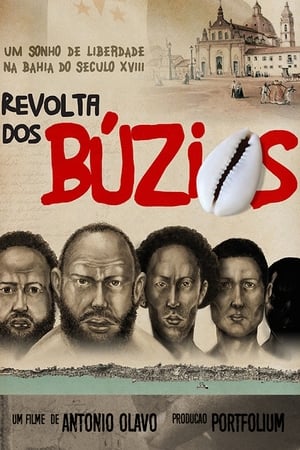
1798 - Revolta dos Búzios(pt)
One of the most important events in Brazilian history, the Búzios Revolt of 1798 was led by dozens of black men who rose up to overthrow the colonial government, proclaim independence and establish a democratic Republic, free from slavery. The boldness of these men called on the people to make the Revolution and the conspiracy spread to the city of Bahia. The seizure of power is near. But the movement is denounced, the government sets up a Devassa against hundreds of people and four of them are hanged and quartered.
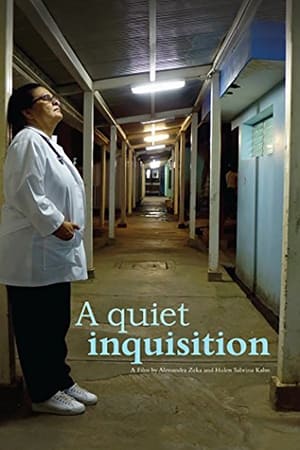
A Quiet Inquisition(es)
At a public hospital in Nicaragua, Ob/Gyn Dr. Carla Cerrato must choose between following a law that bans all abortions and endangers her patients or taking a risk and providing the care that she knows can save a woman's life. In 2007, Dr. Cerrato’s daily routine took a detour. The newly elected government of Daniel Ortega, a former Marxist revolutionary who converted to Catholicism to win votes, overturned a 130-year-old law protecting therapeutic abortion. The new law entirely prohibits abortion, even in cases of rape, incest, or when a woman’s life is at stake. As Carla and her colleagues navigate this dangerous dilemma, the impact of this law emerges—illuminating the tangible reality of prohibition against the backdrop of a political, religious, and historically complex national identity. The emotional core of the story—the experiences and situations of the young women and girls who are seeking care—illustrate the ethical implications of one doctor's response.