Loading Page
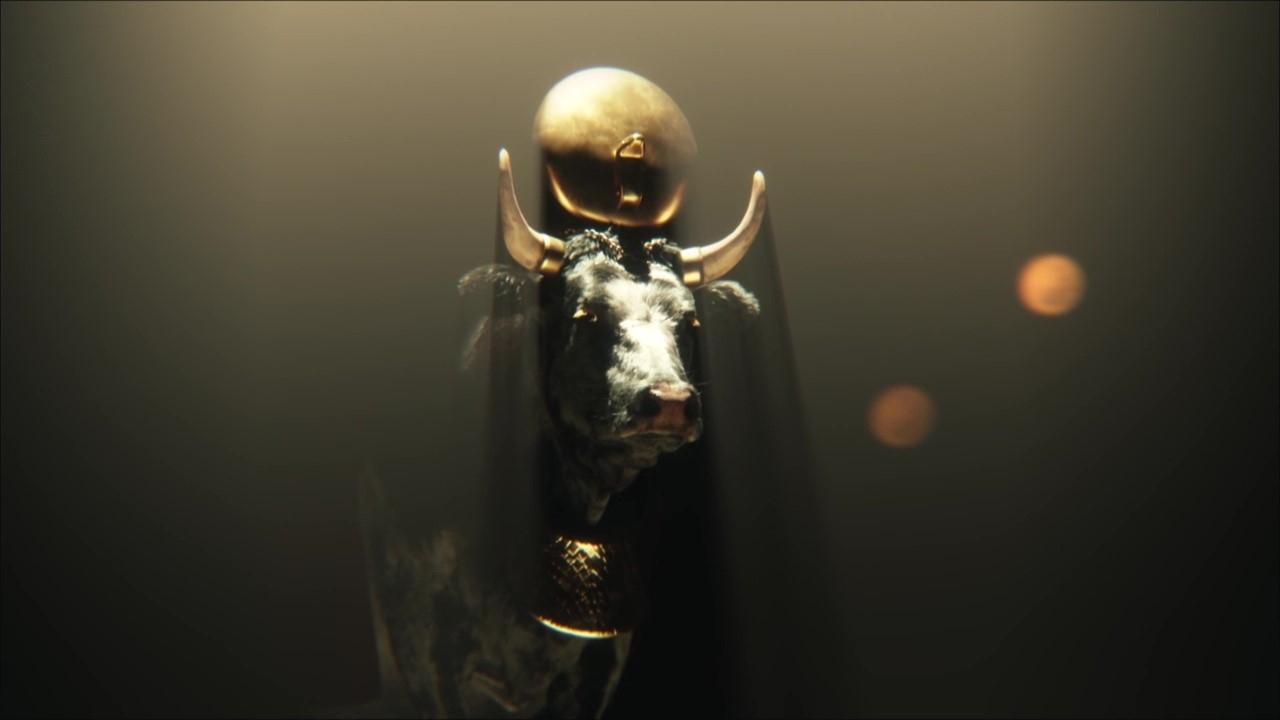
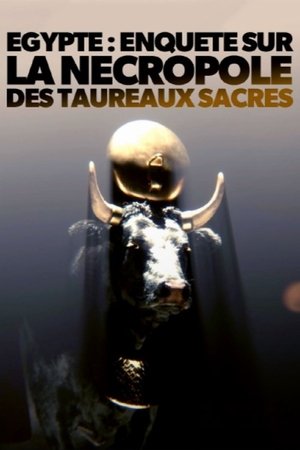
Ägypten - Das Grab der heiligen Stiere(2023)
Status: Released
Date: 2023-04-01
85%
2 Votes
Time: 1h 31m
Overview:
On the mythical site of Saqqara, the Apis bulls were buried for more than a thousand years in the immense underground necropolis of the Serapheum. Discovered in 1850 by the French Egyptologist Auguste Mariette, this place shelters a treasure of which a part is preserved in the Louvre. The collapse of the ceiling of one of the galleries had however prevented the archaeologist from venturing into the entire necropolis. More than 170 years later, the museum's Egyptologists are continuing the work of their famous predecessor. Investigating the cult of the Apis bull and the mysterious rituals that surrounded it, the team is especially looking for access to the unexplored parts, which have at least eight burial chambers, with the hope of finding intact tombs.
Languages: French.
Countries:
France
ProductionCompanies: 


Movie: Ägypten - Das Grab der heiligen Stiere
HomePage
Overview
On the mythical site of Saqqara, the Apis bulls were buried for more than a thousand years in the immense underground necropolis of the Serapheum. Discovered in 1850 by the French Egyptologist Auguste Mariette, this place shelters a treasure of which a part is preserved in the Louvre. The collapse of the ceiling of one of the galleries had however prevented the archaeologist from venturing into the entire necropolis. More than 170 years later, the museum's Egyptologists are continuing the work of their famous predecessor. Investigating the cult of the Apis bull and the mysterious rituals that surrounded it, the team is especially looking for access to the unexplored parts, which have at least eight burial chambers, with the hope of finding intact tombs.
Release Date
2023-04-01
Average
8.5
Rating:
4.3 startsTagline
Genres
Languages:
FrançaisKeywords
Recommendations Movies
74%
Unknown: The Lost Pyramid(en)
2023-07-02
Egyptian archaeologists dig into history, discovering tombs and artifacts over 4,000 years old as they search for a buried pyramid in this documentary.
74%
One Life(en)
2011-07-19
One Life captures unprecedented and beautiful sequences of animal behaviour guaranteed to bring you closer to nature than ever before, as well as a second disc packed full of never before seen extras including an exclusive making of featurette narrated by Daniel Craig.
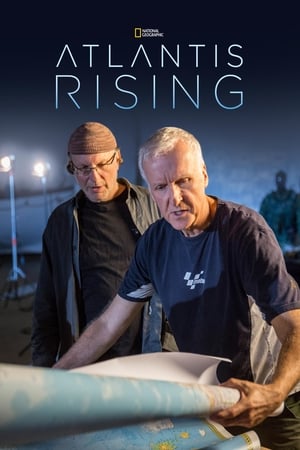
60%
Atlantis Rising(en)
2017-01-29
James Cameron and Simcha Jacobovici go on an adventure to find the lost city of Atlantis by using Greek philosopher Plato as a virtual treasure map.
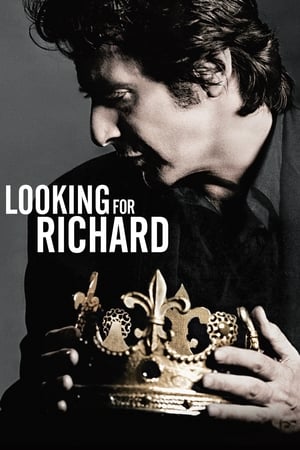
68%
Looking for Richard(en)
1996-10-11
Al Pacino's deeply-felt rumination on Shakespeare's significance and relevance to the modern world through interviews and an in-depth analysis of "Richard III."
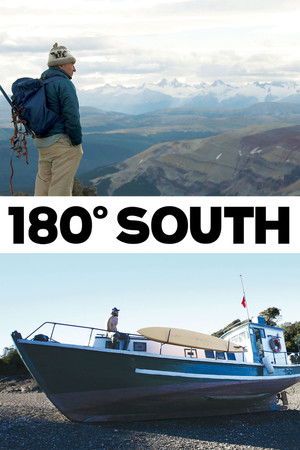
71%
180° South(en)
2010-02-10
The film follows adventurer Jeff Johnson as he retraces the epic 1968 journey of his heroes Yvon Chouinard and Doug Tompkins to Patagonia.

74%
I Am Heath Ledger(en)
2017-04-23
The life and career of an actor, artist, and icon. His own journey through his own camera.
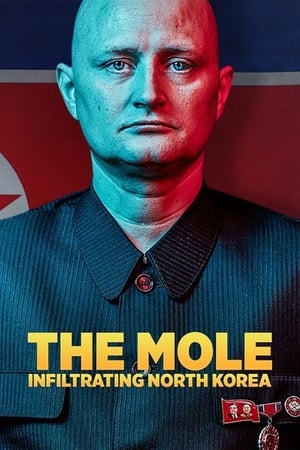
71%
The Mole: Undercover in North Korea(en)
2020-10-11
A real-life undercover thriller about two ordinary men who embark on an outrageously dangerous ten-year mission to penetrate the world's most secretive and brutal dictatorship: North Korea.
73%
The Walking Dead: The Return(en)
2024-02-15
Stars of "The Walking Dead," Andrew Lincoln and Danai Gurira, walk down memory lane and visit iconic locations where pivotal moments between their characters, Rick and Michonne, were filmed.

66%
Love, Marilyn(en)
2013-05-30
Using the book 'Fragments', which collects Marilyn Monroe's poems, notes and letters, and with participation from the Arthur Miller and Truman Capote estates who have contributed more material, each of the actresses will embody the legend at various stages in her life.
69%
Becoming Bond(en)
2017-03-11
The stranger-than-fiction true story of George Lazenby, a poor Australian car mechanic who, through an unbelievable set of circumstances, landed the role of James Bond despite having never acted a day in his life.
59%
South of the Border(en)
2009-09-07
A road trip across five countries to explore the social and political movements as well as the mainstream media's misperception of South America while interviewing seven of its elected presidents.

65%
Downloaded(en)
2013-06-20
A documentary that explores the downloading revolution; the kids that created it, the bands and the businesses that were affected by it, and its impact on the world at large.
65%
Heart of a Dog(en)
2015-10-21
Lyrical and powerfully personal essay film that reflects on the deaths of her husband Lou Reed, her mother, her beloved dog, and such diverse subjects as family memories, surveillance, and Buddhist teachings.
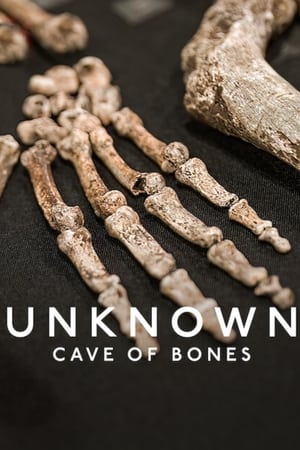
72%
Unknown: Cave of Bones(en)
2023-07-16
Scientists examine underground clues from over 250,000 years ago that raise questions about our early relatives — and what it truly means to be human.
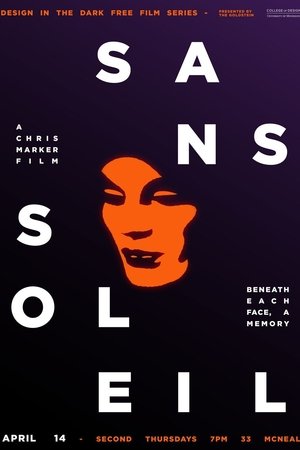
75%
Sans Soleil(fr)
1983-03-02
A woman narrates the thoughts of a world traveler, meditations on time and memory expressed in words and images from places as far-flung as Japan, Guinea-Bissau, Iceland, and San Francisco.
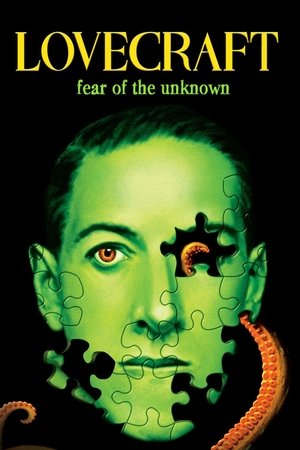
73%
Lovecraft: Fear of the Unknown(en)
2008-07-24
A chronicle of the life, work and mind that created the Cthulhu mythos.
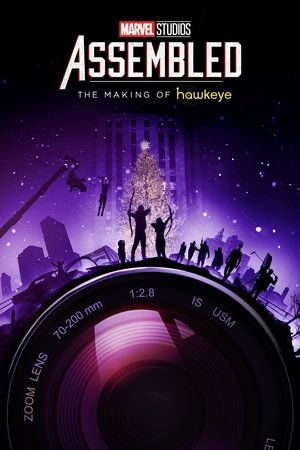
71%
Marvel Studios Assembled: The Making of Hawkeye(en)
2022-02-09
Join the likes of Jeremy Renner, Hailee Steinfeld, Florence Pugh, and Vincent D’Onofrio as they reveal how Marvel Studios’ “Hawkeye” was conceived and created. Witness firsthand what it took to pull off the show’s pulse-pounding action set pieces, and discover how iconic characters from the pages of Marvel Comics such as Kate Bishop were adapted and brought to life for the six-episode series.

74%
Animals Are Beautiful People(en)
1974-01-31
Animals Are Beautiful People (also called Beautiful People) is a 1974 South African nature documentary written, produced, directed, filmed and edited by Jamie Uys, about the wildlife in Southern Africa, presented with comedic elements. It was filmed in the Namib Desert, the Kalahari Desert and at the Okavango River and Okavango Delta. It was the recipient of the 1974 Golden Globe Award for Best Documentary Film. The film, a critical and commercial success, was independently made by Uys, also known for his later African comedy The Gods Must Be Crazy (1980).

79%
John Candy: I Like Me(en)
2025-09-04
Those who knew iconic funnyman John Candy best share his story, in their own words, through never-before-seen archival footage, imagery, and interviews.
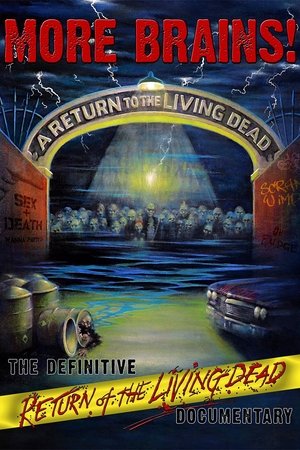
74%
More Brains! A Return to the Living Dead(en)
2011-10-18
Retrospective documentary about the making of the horror cult classic "The Return of the Living Dead."
Similar Movies
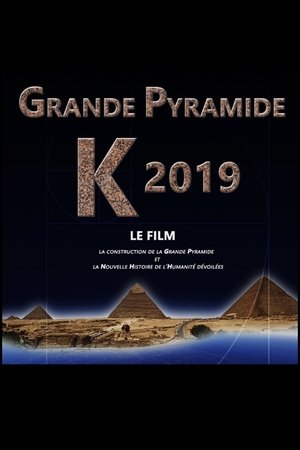
80%
Great Pyramid K 2019(en)
2019-12-04
Today we cut the granite with diamond-cut blade as is one of the most difficult rocks to cut due to its hardness.How could the egyptians, if it was them, have achieved those shapes in the sculpture sphinx of Sénousret made of Migmatite material, which is harder than granite? What was that extraordinary tool that made this possible? This example is what disputes all the official theories of egyptology. Dozen of questions now arise. Did the egyptians really have an advance technology that was losted over time? The answer is in this movie.Lucky is to understand that in 2019, we have a chance to learn how the Great Pyramid was built, who built it, and what its hidden behind it. Let yourself go and come discover the biggest mystery of humanity, the New Great Story!
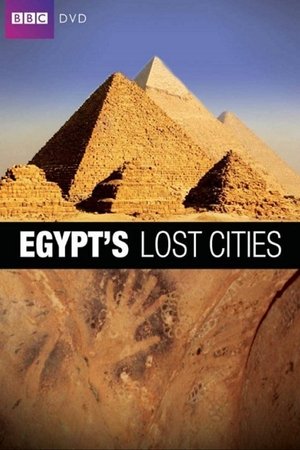
73%
Egypt's Lost Cities(en)
2011-05-30
It is possible that only one per cent of the wonders of ancient Egypt have been discovered, but now, thanks to a pioneering approach to archaeology, that is about to change. Dr. Sarah Parcak uses satellites to probe beneath the sands, where she has found cities, temples and pyramids. Now, with Dallas Campbell and Liz Bonnin, she heads to Egypt to discover if these magnificent buildings are really there.
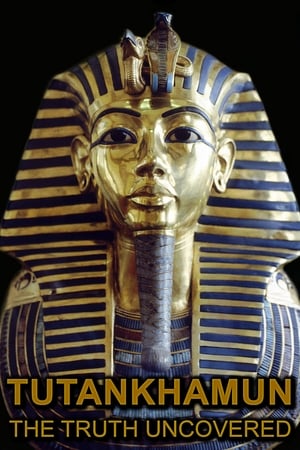
70%
Tutankhamun: The Truth Uncovered(en)
2014-10-26
What killed King Tutankhamun? Ever since his spectacular tomb was discovered, the boy king has been the most famous pharaoh of all ancient Egypt. But his mysterious death, at just 19 years old, has never been explained. In this BBC One special, presenter Dallas Campbell reveals new scientific research and carries out unique experiments to get to the truth. For the first time, a virtual autopsy of Tut's mummified body reveals astonishing secrets about the pharaoh. Using CT scan data, the programme creates the first ever full size, scientifically accurate image of the real Tutankhamun. Brand new DNA analysis uncovers a shocking secret about Tut's family background, and the genetic trail of clues leads to a radical and revolutionary new theory to explain Tut's sudden and unexpected death. This is an epic detective story that uncovers the extraordinary truth of the boy behind the golden mask.

50%
Behind Natacha Rambova's Shadow(ca)
2019-07-06
The adventurous life of Natacha Rambova (1897-1966), an American artist, born Winifred Kimball Shaughnessy, who reincarnated herself countless times: false Russian dancer, silent film actress, scenographer and costume designer, writer, spiritist, Egyptologist, indefatigable traveler, mysterious and curious; an amazing 20th century woman who created the myth of Rudolph Valentino.

0%
The Great Pyramids(en)
1997-01-16
Who built the Pyramids? Were they designed only as royal tombs? How were they built to such precise measurements? The Great Pyramids of Giza remain the world's most perplexing enigma. For over 4,000 years they have withstood the sands of time, casting a spell that even science cannot break. Through stunning film, interviews with experts and vivid reenactments, you'll witness the actual step-by-step process Egyptian embalmers used in the preparation of mummies to ensure immortality. You'll discover the journey of the Pharaohs into the afterlife and probe the obsessions that led the greatest kings of this powerful ancient civilization to build monuments designed to last for eternity.
77%
Valley of the Kings: The Lost Tombs(en)
2021-02-28
With over 60 tombs, the Valley of the Kings is the most-famous burial ground on Earth. In the biggest Egyptian excavation ever, a team of archaeologists led by Zahi Hawass heads into the Western Valley to hunt for evidence of an undiscovered tomb.

75%
Cleopatra's Final Secret(en)
2025-09-25
After 20 years seeking Cleopatra's tomb, archaeologist K. Martinez's search shifts to an underwater Mediterranean site. She's joined by Titanic finder Bob Ballard, Egyptian Navy and dive teams to explore the location.
85%
Rise of the Black Pharaohs(en)
2014-10-01
Around 800 BC, Kush, a little-known subject state of Egypt, rose up and conquered the Egyptians, enthroned its own Pharaohs, and ruled over the empire of King Tut for nearly 100 years. This unlikely chapter of history has been buried by the Egyptians and belittled by early archaeologists, who refused to believe that dark skinned Africans could have risen so high. But now, in the heart of Sudan, archeologists Geoff Emberling and Tim Kendall are bringing the truth about the Black Pharaohs to life.
75%
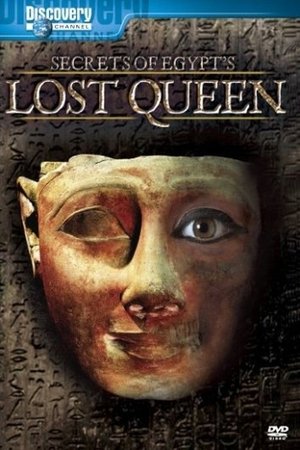
Secrets of Egypt's Lost Queen(en)
2007-01-01
Move over, King Tut: There's a new pharaoh on the scene. A team of top archaeologists and forensics experts revisits the story of Hatshepsut, the woman who snatched the throne dressed as a man and declared herself ruler. Despite her long and prosperous reign, her record was all but eradicated from Egyptian history in a mystery that has long puzzled scholars. But with the latest research effort captured in this program, history is about to change.
55%
Engineering Egypt(en)
2007-11-13
Egypt's two greatest Pharaohs, Khufu and Ramesses II, built their way to immortality through architectural marvels including the temples of Abu Simbel and the Great Pyramid of Giza
70%
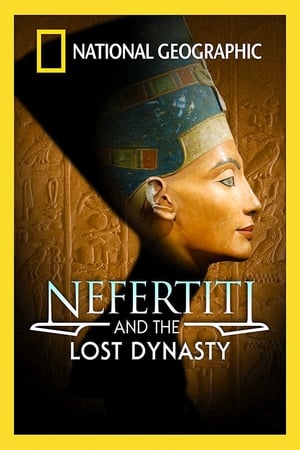
Nefertiti and the Lost Dynasty(en)
2007-07-16
It is one of Egypt's enduring mysteries. What happened to Nefertiti and her husband, Akhenaten - the radical king, and likely father of King Tut? In a dark and mysterious tomb located in the Valley of the Kings, there is a small chamber with two mummies without sarcophagi or wrappings. At times, both have been identified as Queen Nefertiti by scholars, filmmakers and historians. But the evidence has been circumstantial at best.
60%
Riddles of the Sphinx(en)
2010-01-19
For over 4000 years, the Sphinx has puzzled all who have laid eyes on it. What is this crouching lion, human-headed creature? Who built it and why? To unlock its secrets, two teams of scientists and sculptors immerse themselves in the world of ancient Egypt — a land of pharaohs and pyramids, animal gods and mummies, sun worship and human sacrifice.
65%
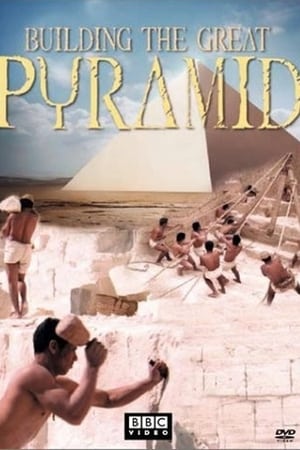
Pyramid(en)
2002-10-28
Of the Seven Wonders of the Ancient World, the Pyramid is the only one to survive. Many believe that even with our 21st-century technology, we could not build anything like it today. Based on the most up-to-date research and the latest archaeological discoveries, here is how the Pyramid came to be.
0%
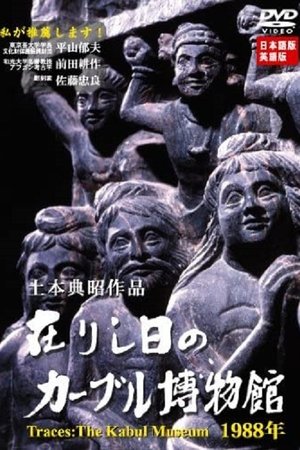
Traces: The Kabul Museum 1988(ja)
2003-01-01
The Kabul National Museum, once known as the "face of Afghanistan," was destroyed in 1993. We filmed the most important cultural treasures of the still-intact museum in 1988: ancient Greco-Roman art and antiquitied of Hellenistic civilization, as well as Buddhist sculpture that was said to have mythology--the art of Gandhara, Bamiyan, and Shotorak among them. After the fall of the Democratic Republic of Afghanistan in 1992, some seventy percent of the contents of the museum was destroyed, stolen, or smuggled overseas to Japan and other countries. The movement to return these items is also touched upon. The footage in this video represents that only film documentation of the Kabul Museum ever made.
70%
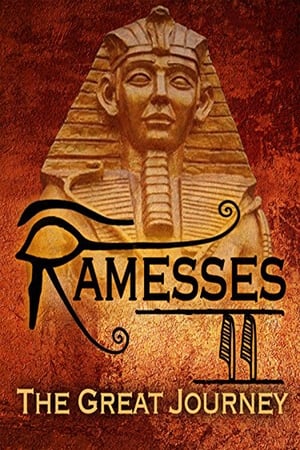
Ramesses II: The Great Journey(en)
2011-01-01
3,200 years ago, Egypt is living the final hours of its golden age under the reign of Ramesses II. After ruling the country for 67 years, the great pharaoh dies at the old age of 92. His mummy is burried in the heart of the Valley of the Kings. This is the beginning of his great journey towards the afterlife but only under one condition: that his tomb remains off limits forever. However, in the 19th century, many European adventurers explore the tomb of the king searching for the burial chamber. Then begins an archeological investigation, which reveals the story of Ramesses II after-life.

0%
Egypt: Rediscovering a Lost World(en)
2005-10-30
Dramatization of the great discoveries of ancient Egypt, from the exploration of tombs in the early 1800s, to the unraveling of the Rosetta Stone to translate the ancient language on the tombs, to the discovery of Tutankhamun's tomb.

70%
The Egypt Code Breakers(fr)
2022-09-09
By decoding ancient hieroglyphic texts, Jean-François Champollion gave voice to an enigmatic civilization, but behind his legendary feat is a mysterious brother who made it possible. The recent discovery of correspondence between Jean-François Champollion and his brother Jacques-Joseph now allows us to fully understand how a young, self-taught genius was able to make one of the most important discoveries of the 19th century. Without the ingenuity and unfailing support of his older brother, Jean-François would never have succeeded in solving this enigma, which had international repercussions. With animated sequences of their private correspondence, and with the help of archives and expert analysis, this film revisits this unique scientific, human and intellectual adventure to celebrate the bicentenary of the decoding of hieroglyphics.
70%
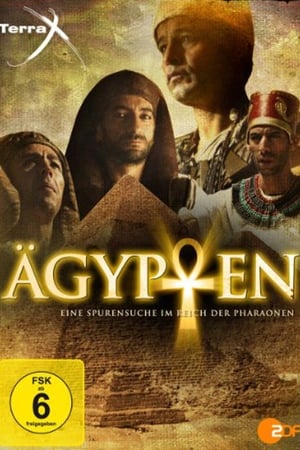
Ägypten: Sehnsucht nach Unsterblichkeit(de)
2011-04-09
Around 3,000 BC, the first territorial state in history was created with the unification of Upper and Lower Egypt. The empire on the Nile was to exist for 3,000 years. The current section focuses on religion, temple economy and the cult of the dead and examines the reigns of Akhenaten and Ramses II. The culture of Ancient Egypt is characterized by religion, temple economy and the cult of the dead. Two pharaohs play an important role in this context: Akhenaten and Ramses II. When Akhenaten ascended the throne around 1,350 BC, religious customs in Egypt had hardly changed for almost 2,000 years. The influential priesthood was organized hierarchically and the rituals were set out in fixed rituals. The temples are not only the spiritual but also the economic centers of the country.