
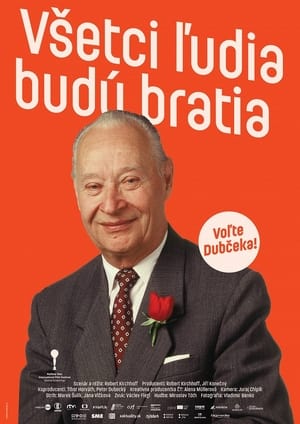
All Men Become Brothers(2023)
The brighter the light, the darker the shadow.
A film about the phenomenon of Alexander Dubček, a Czechoslovak politician, one of the most prominent personalities of the Prague Spring of 1968, author of the concept of “socialism with a human face”.




Movie: All Men Become Brothers
Top 4 Billed Cast
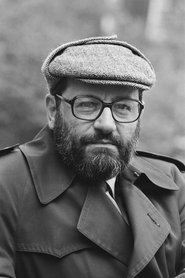
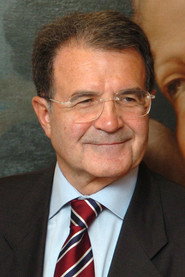
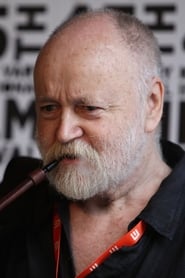
Video Trailer All Men Become Brothers
All 1 videos

ALL MEN BECOME BROTHERS - VŠICHNI LIDÉ BUDOU BRATŘI TRAILER - Trailer
Recommendations Movies
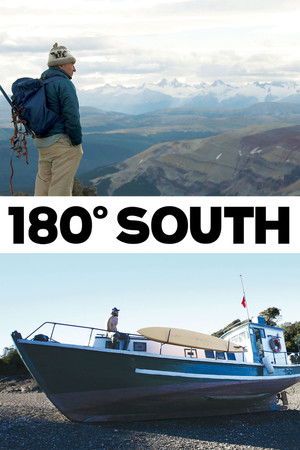
180° South(en)
The film follows adventurer Jeff Johnson as he retraces the epic 1968 journey of his heroes Yvon Chouinard and Doug Tompkins to Patagonia.

Downloaded(en)
A documentary that explores the downloading revolution; the kids that created it, the bands and the businesses that were affected by it, and its impact on the world at large.
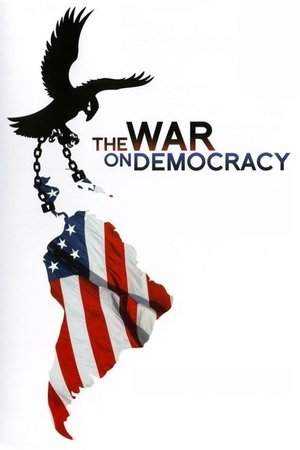
The War on Democracy(en)
Set both in Latin America and the United States, the film explores the historic and current relationship of Washington with countries such as Venezuela, Bolivia and Chile. Pilger says that the film "...tells a universal story... analysing and revealing, through vivid testimony, the story of great power behind its venerable myths. It allows us to understand the true nature of the so-called "war on terror". According to Pilger, the film’s message is that the greed and power of empire is not invincible and that people power is always the "seed beneath the snow".
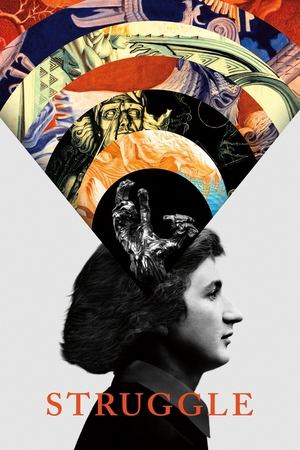
Struggle: The Life and Lost Art of Szukalski(en)
Artists in LA discover the work of forgotten Polish sculptor Stanislav Szukalski, a mad genius whose true story unfolds chapter by astounding chapter.
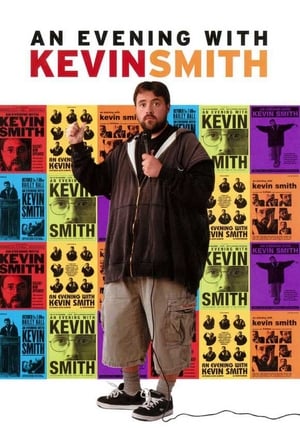
An Evening with Kevin Smith(en)
Kevin Smith interacts in Q&A sessions throughout various college stops in the USA.
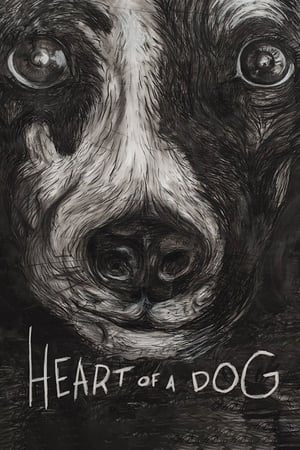
Heart of a Dog(en)
Lyrical and powerfully personal essay film that reflects on the deaths of her husband Lou Reed, her mother, her beloved dog, and such diverse subjects as family memories, surveillance, and Buddhist teachings.
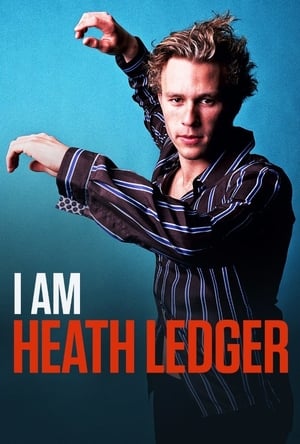
I Am Heath Ledger(en)
The life and career of an actor, artist, and icon. His own journey through his own camera.

John Candy: I Like Me(en)
Those who knew iconic funnyman John Candy best share his story, in their own words, through never-before-seen archival footage, imagery, and interviews.
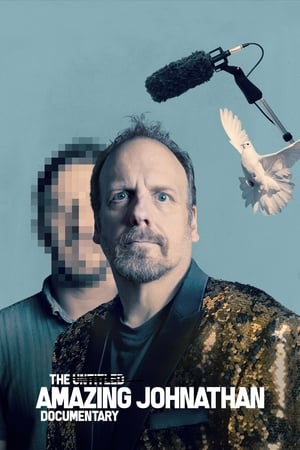
The Amazing Johnathan Documentary(en)
What begins as a documentary following the final tour of a dying magician - "The Amazing Johnathan" - becomes an unexpected and increasingly bizarre journey as the filmmaker struggles to separate truth from illusion.

Hitchcock/Truffaut(en)
Filmmakers discuss the legacy of Alfred Hitchcock and the book “Hitchcock/Truffaut” (“Le cinéma selon Hitchcock”), written by François Truffaut and published in 1966.
South of the Border(en)
A road trip across five countries to explore the social and political movements as well as the mainstream media's misperception of South America while interviewing seven of its elected presidents.
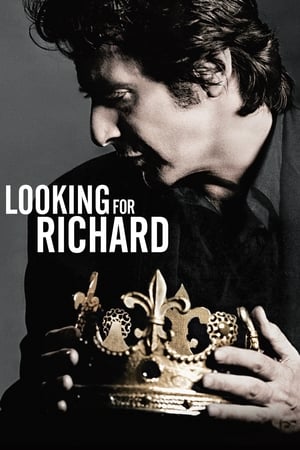
Looking for Richard(en)
Al Pacino's deeply-felt rumination on Shakespeare's significance and relevance to the modern world through interviews and an in-depth analysis of "Richard III."

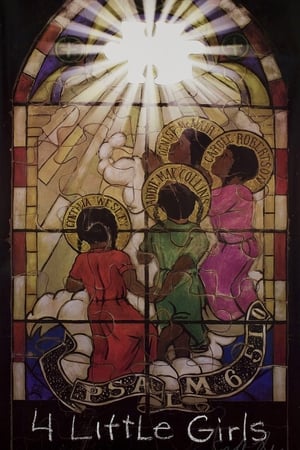
4 Little Girls(en)
On September 15, 1963, a bomb destroyed a black church in Birmingham, Alabama, killing four young girls who were there for Sunday school. It was a crime that shocked the nation--and a defining moment in the history of the civil-rights movement. Spike Lee re-examines the full story of the bombing, including a revealing interview with former Alabama Governor George Wallace.
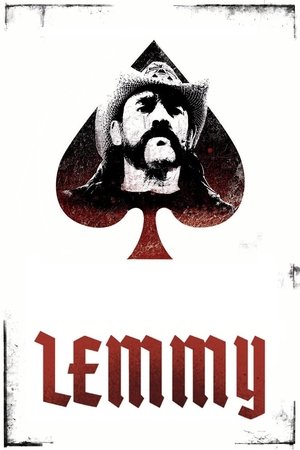
Lemmy(en)
Over four decades, Motorhead frontman Lemmy Kilmister has registered an immeasurable impact on music history. Nearly 65, he remains the living embodiment of the rock and roll lifestyle, and this feature-length documentary tells his story, one of a hard-living rock icon who continues to enjoy the life of a man half his age.
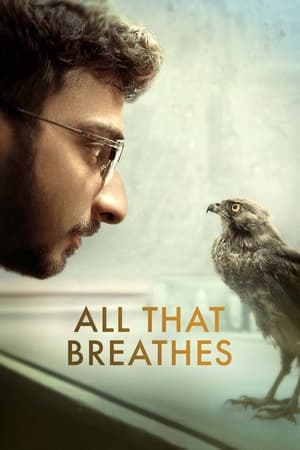
All That Breathes(en)
Against the darkening backdrop of New Delhi's apocalyptic air and escalating violence, two brothers devote their lives to protecting one casualty of the turbulent times: the bird known as the black kite.

The Class of ‘92(en)
A detailing of the rise to prominence and global sporting superstardom of six supremely talented young Manchester United football players (David Beckham, Nicky Butt, Ryan Giggs, Paul Scholes, Phil and Gary Neville). The film covers the period 1992-1999, culminating in Manchester United's European Cup triumph.
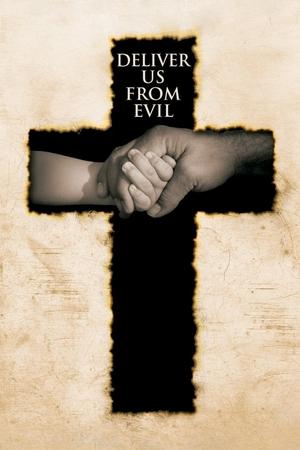
Deliver Us from Evil(en)
Documentary filmmaker Amy Berg investigates the life of 30-year pedophile Father Oliver O'Grady and exposes the corruption inside the Catholic Church that allowed him to abuse countless children. Victims' stories and a disturbing interview with O'Grady offer a view into the troubled mind of the spiritual leader who moved from parish to parish gaining trust ... all the while betraying so many.
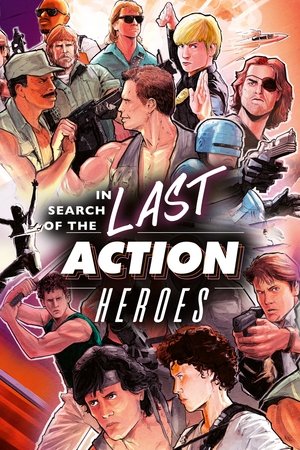
In Search of the Last Action Heroes(en)
The most comprehensive retrospective of the '80s action film genre ever made.
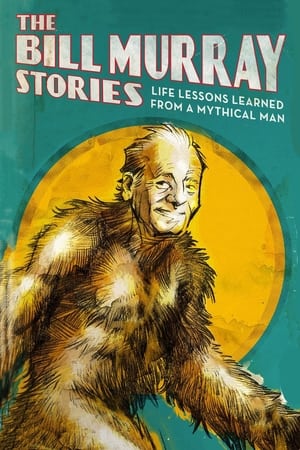
The Bill Murray Stories: Life Lessons Learned from a Mythical Man(en)
One man’s journey to find meaning in Bill Murray’s many unexpected adventures with everyday people, rare and never-before seen footage of the comedic icon participating in stories previously presumed to be urban legend.
Similar Movies
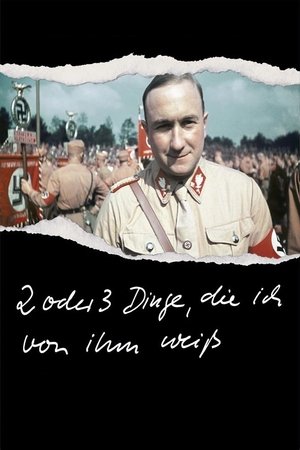
2 or 3 Things I Know About Him(de)
What would your family reminiscences about dad sound like if he had been an early supporter of Hitler’s, a leader of the notorious SA and the Third Reich’s minister in charge of Slovakia, including its Final Solution? Executed as a war criminal in 1947, Hanns Ludin left behind a grieving widow and six young children, the youngest of whom became a filmmaker. It's a fascinating, maddening, sometimes even humorous look at what the director calls "a typical German story." (Film Forum)
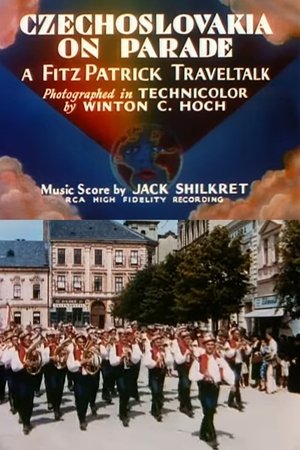
Czechoslovakia on Parade(en)
This FitzPatrick Traveltalk series short looks at Czechoslovakia before World War II, including images of bridges, churches, and castles in Prague, also a non-military parade through the city.
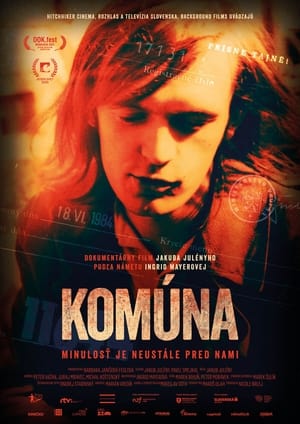
The Commune(sk)
The desire for freedom during the period of “normalisation” in Czechoslovakia led to the creation of a group of individuals who professed a deep inclination towards the principles of the underground movement. After many years they are unable to face their mutual suspicions of betrayal in the form of cooperation with the state-security police. The memory of their tragically departed guru, philosopher and poet, Marcel Strýko, drifts throughout their story. In an effort to come to terms with the past, an old companion from Prague organises a revival concert in a Gothic cathedral. Will these freethinking members manage to achieve a truce?
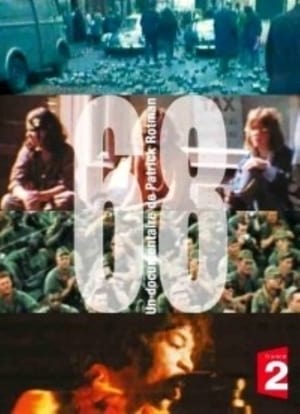
68(fr)
From Washington to Saigon, Rome to Mexico, Paris to Prague, a wave of protests shook the world. 68 looks back at the looks back at the Vietnam War, the Prague Spring and the Soviet Invasion, the Paris riots, Dubcek, Che Guevara, De Gaulle, Cohn-Bendrik and more. A dive into the chaos of a turbulent year, featuring fantastic colour footage and the music of Jimi Hendrix, Janis Joplin, Jim Morrisson and Bob Dylan.
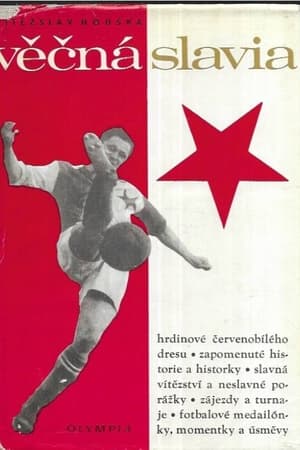
Věčná Slavia(cs)
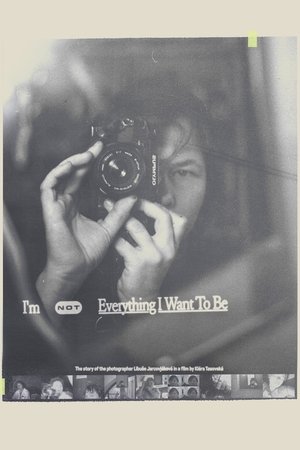
I'm Not Everything I Want to Be(cs)
After the Soviet invasion of Czechoslovakia in 1968, Libuše Jarcovjáková, a young female photographer, strives to break free from the constraints of Czechoslovak normalization and embarks on a wild journey towards freedom, capturing her experiences on thousands of subjective photographs.
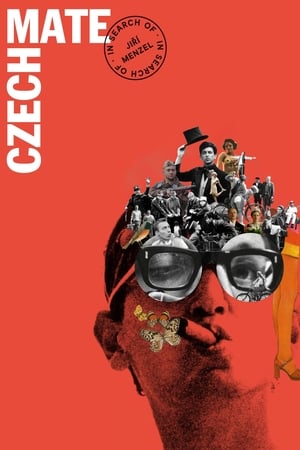
CzechMate: In Search of Jiří Menzel(cs)
An epic exploration of the Czechoslovak New Wave cinema of the 1960s and 70s, structured around a series of conversations with one of its most acclaimed exponents - Closely Observed Trains director Jiří Menzel.
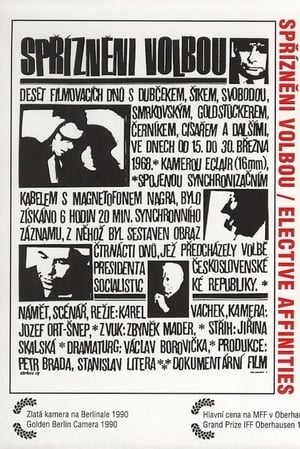
Elective Affinities(cs)
Documentary showing the Czechoslovakian political landscape in March 1968, when president Antonin Novotny, a hardline Stalinist, stepped down and moderate communist Ludvik Svoboda was elected. Five months later, in August 68, the Prague Spring would end with the military intervention of the Warsaw Pact.
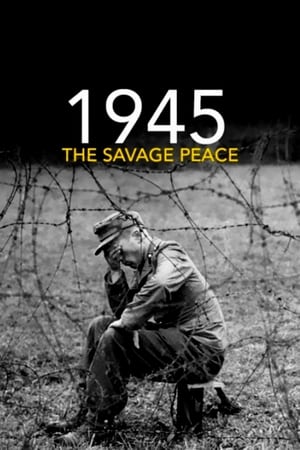
1945: The Savage Peace(en)
How, in 1945, after the end of World War II and the fall of the Nazi regime, the defeated were atrociously mistreated, especially those ethnic Germans who had lived peacefully for centuries in Germany's neighboring countries, such as Czechoslovakia and Poland. A heartbreaking story of revenge against innocent civilians, the story of acts as cruel as the Nazi occupation during the war years.
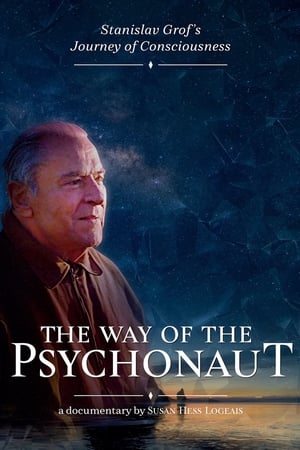
The Way of the Psychonaut(en)
The Way of the Psychonaut explores the life and work of Stanislav Grof, Czech-born psychiatrist and psychedelic psychotherapy pioneer. Stan’s quest for knowledge and insights into the healing power of non-ordinary states of consciousness, influenced the discipline of psychology and profoundly changed many individual lives. One of those transformed by Stan is filmmaker Susan Hess Logeais. The documentary utilizes Susan’s personal existential crisis as a gateway to Grof’s impact, from the micro to the macro.
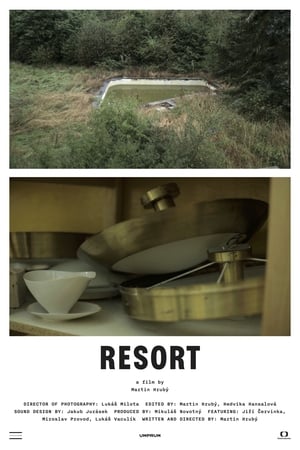
Resort(cs)
This architecturally unique resort on the shores of Lake Orlík was a secret retreat for the communist establishment in the 1960s, but later, rampant capitalism handed it over to now infamous businessmen. Imbued with a mysterious atmosphere, this portrait captures the genius loci and turbulent history of a hidden summer paradise that was never marked on any map.
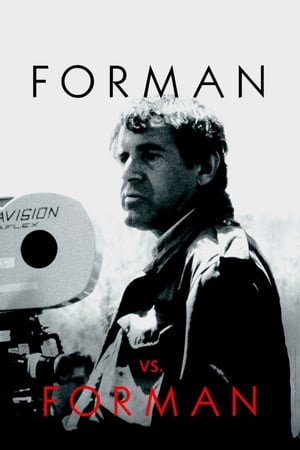
Forman vs. Forman(cs)
A moving account, in his own words, of the personal life and work of the brilliant Czech filmmaker Miloš Forman (1932-2018): his tragic childhood, his major contribution to the cultural movement known as the Czech New Wave, his exile in Paris, his troubled days in New York, his rise to stardom in Hollywood; a complete existence in the service of cinema.
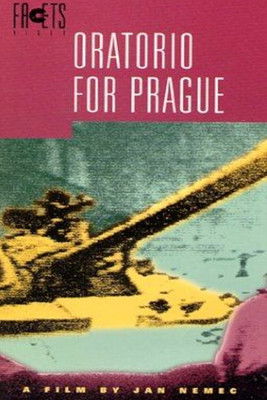
Oratorio for Prague(en)
A unique document of the 1968 Soviet invasion of Czechoslovakia, what began as a documentary about the liberalization of Czechoslovakia evolved into a record of the entry of Russian tanks into Prague.
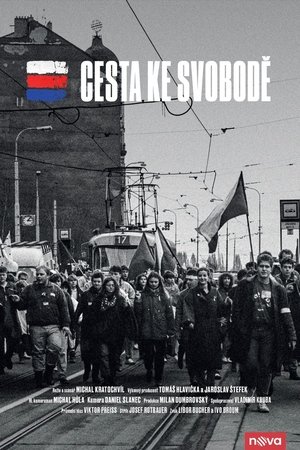
Cesta ke svobodě(cs)
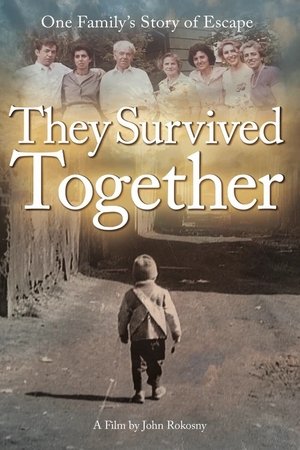
They Survived Together(en)
The Neiger family was living a peaceful life in the Jewish community in Krakow when the arrival of World War II changed their lives forever. When Nazi soldiers forced the family from their home into the harsh life of the Ghetto, they made a vow to escape as a family. But when circumstances forced the family to separate from older brother Ben, their will to survive was put to the test. They Survived Together" is the incredible, true story of one family as they desperately tried to stay alive... and together as a family with four small children, attempted to escape certain death at the hands of the Nazis. They are believed to be one of the only families to escape and survive as a family.
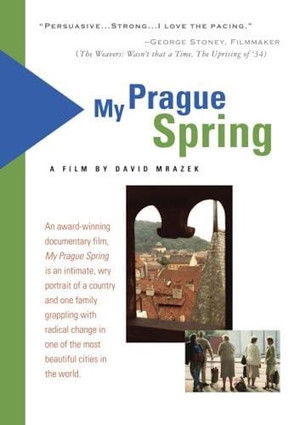
My Prague Spring(en)
In its "velvet revolution" of 1989, the people of Czechoslovakia toppled its communist dictatorship and embraced democracy and capitalism. By January 1993, the country had peacefully split in two. In the early 1990s, thousands of American college graduates began flocking to Prague, where they could postpone entering the "real world," and live cheaply in a beautiful undiscovered European city. Throughout that decade more and more tourists crossed the statue-lined Charles Bridge in search of old world beauty previously hidden by communist isolation. But what of the people who cross the Charles Bridge on their way to work every morning? Who are the Czechs? What is their history? What is their future? My Prague Spring is an award-winning film that vividly humanizes a resilient people who have survived a tumultuous history. In the spring of 1990, a Czech-American filmmaker spent four months living with his Czech relatives, and opened an intimate window into an uncertain world.