Loading Page

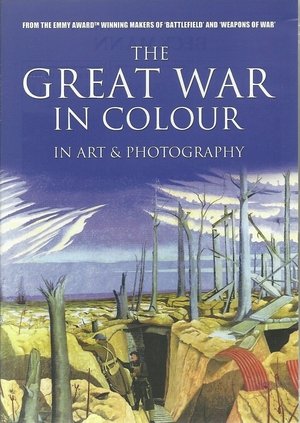
The Great War in Colour(2014)
Status: Released
Date: 2014-06-01
0%
0 Votes
Time: 0h 45m
Overview:
Even though the technology existed to produce colour at the time, most of the surviving films and photographs of the Great War were shot in black and white. It is a little known fact, but rare colour photographs of the Great War were produced by pioneers of colour photography at work on both sides of the lines. In 1903, the French brothers Auguste and Louis Lumiere patented the colour photography process and pioneered colour photography. On the German side of the line was the famous photographer Hans Hildenbrand. This powerful documentary brings those rare images to light. Of course the story of the Great War wasn't just recorded in photographs. The war artists both official and unofficial on both sides were able to present a vivid picture of the world as it really was, in full colour. This documentary film also features a remarkable and comprehensive record of the Great War as viewed through the eyes of the war artists.
Languages:
Countries:
Movie: The Great War in Colour
Top 2 Billed Cast
HomePage
Overview
Even though the technology existed to produce colour at the time, most of the surviving films and photographs of the Great War were shot in black and white. It is a little known fact, but rare colour photographs of the Great War were produced by pioneers of colour photography at work on both sides of the lines. In 1903, the French brothers Auguste and Louis Lumiere patented the colour photography process and pioneered colour photography. On the German side of the line was the famous photographer Hans Hildenbrand. This powerful documentary brings those rare images to light. Of course the story of the Great War wasn't just recorded in photographs. The war artists both official and unofficial on both sides were able to present a vivid picture of the world as it really was, in full colour. This documentary film also features a remarkable and comprehensive record of the Great War as viewed through the eyes of the war artists.
Release Date
2014-06-01
Average
0
Rating:
0.0 startsTagline
Genres
Languages:
Recommendations Movies
66%
The Bang Bang Club(en)
2011-04-22
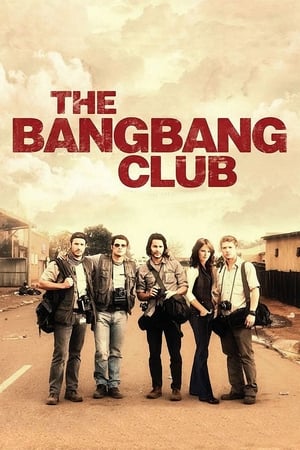
In the early to mid '90s, when the South African system of apartheid was in its death throes, four photographers - Greg Marinovich, Kevin Carter, Ken Oosterbroek and João Silva - bonded by their friendship and a sense of purpose, worked together to chronicle the violence and upheaval leading up to the 1994 election of Nelson Mandela as president. Their work is risky and dangerous, potentially fatally so, as they thrust themselves into the middle of chaotic clashes between forces backed by the government (including Inkatha Zulu warriors) and those in support of Mandela's African National Congress.

62%
84C MoPic(en)
1989-03-22
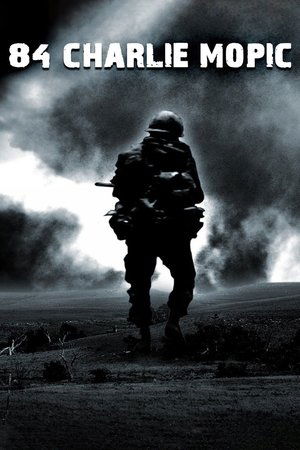
An Army cameraman is embedded with a reconnaissance patrol and charts their mission across territory controlled by the North Vietnamese.
70%
Visions of Light(en)
1992-09-17
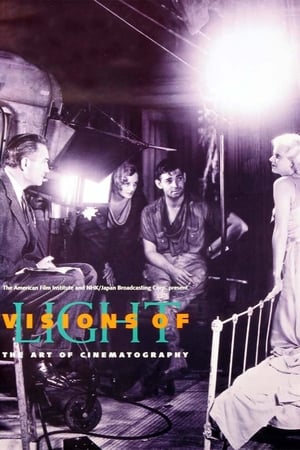
Cameramen and women discuss the craft and art of cinematography and of the "DP" (the director of photography), illustrating their points with clips from 100 films, from Birth of a Nation to Do the Right Thing. Themes: the DP tells people where to look; changes in movies (the arrival of sound, color, and wide screens) required creative responses from DPs; and, these artisans constantly invent new equipment and try new things, with wonderful results. The narration takes us through the identifiable studio styles of the 30s, the emergence of noir, the New York look, and the impact of Europeans. Citizen Kane, The Conformist, and Gordon Willis get special attention.
59%
Head in the Clouds(en)
2004-04-29
Gilda Bessé shares her Paris apartment with an Irish schoolteacher, Guy Malyon, and Mia, a refugee from Spain. As the world drifts toward war, Gilda defiantly pursues her hedonistic lifestyle and her burgeoning career as a photographer. But Guy and Mia feel impelled to join the fight against fascism, and the three friends are separated.

79%
Sgt. Stubby: An American Hero(en)
2018-04-13
The true story of the most decorated dog in American military history - Sgt. Stubby - and the enduring bonds he forged with his brothers-in-arms in the trenches of World War I.
79%
Five Came Back(en)
2017-03-31
The extraordinary story of how Hollywood changed World War II – and how World War II changed Hollywood, through the interwoven experiences of five legendary filmmakers who went to war to serve their country and bring the truth to the American people: John Ford, William Wyler, John Huston, Frank Capra, and George Stevens. Based on Mark Harris’ best-selling book, “Five Came Back: A Story of Hollywood and the Second World War.”

62%
Einstein and the Bomb(en)
2024-02-16
What happened after Einstein fled Nazi Germany? Using archival footage and his own words, this docudrama dives into the mind of a tortured genius.
78%
They Shall Not Grow Old(en)
2018-11-09
A documentary about World War I with never-before-seen footage to commemorate the centennial of Armistice Day, and the end of the war.
68%
Shoulder Arms(en)
1918-10-20
An American doughboy, stationed in France during the Great War, goes on a daring mission behind enemy lines and becomes a hero.
66%
The Naked Civil Servant(en)
1975-12-17
Story of the life of Quentin Crisp, an Englishman who was brave enough to live his life according to his own style even in the hostile days of WW2.

72%
A League of Their Own(en)
1992-07-01
As America's stock of athletic young men is depleted during World War II, a professional all-female baseball league springs up in the Midwest, funded by publicity-hungry candy maker Walter Harvey. Competitive sisters Dottie Hinson and Kit Keller spar with each other, scout Ernie Capadino and grumpy has-been coach Jimmy Dugan on their way to fame.
66%
Korengal(en)
2014-05-30
Korengal picks up where Restrepo left off; the same men, the same valley, the same commanders, but a very different look at the experience of war.
64%
Tobruk(en)
1967-02-07
In September 1942, the German Afrika Korps under Rommel have successfully pushed the Allies back into Egypt. A counter-attack is planned, for which the fuel dumps at Tobruk are a critical impediment. In order to aid the attack, a group of British commandos and German Jews make their way undercover through 800 miles of desert, to destroy the fuel dumps starving the Germans of fuel.

76%
Night Will Fall(en)
2014-06-07
When Allied forces liberated the Nazi concentration camps in 1944-45, their terrible discoveries were recorded by army and newsreel cameramen, revealing for the first time the full horror of what had happened. Making use of British, Soviet and American footage, the Ministry of Information’s Sidney Bernstein (later founder of Granada Television) aimed to create a documentary that would provide lasting, undeniable evidence of the Nazis’ unspeakable crimes. He commissioned a wealth of British talent, including editor Stewart McAllister, writer and future cabinet minister Richard Crossman – and, as treatment advisor, his friend Alfred Hitchcock. Yet, despite initial support from the British and US Governments, the film was shelved, and only now, 70 years on, has it been restored and completed by Imperial War Museums under its original title "German Concentration Camps Factual Survey".
61%
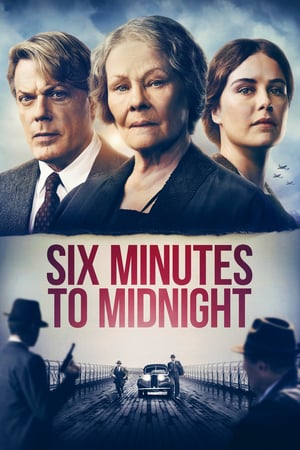
Six Minutes to Midnight(en)
2020-10-15
Summer 1939. Influential families in Nazi Germany have sent their daughters to a finishing school in an English seaside town to learn the language and be ambassadors for a future looking National Socialist. A teacher there sees what is coming and is trying to raise the alarm. But the authorities believe he is the problem.
72%
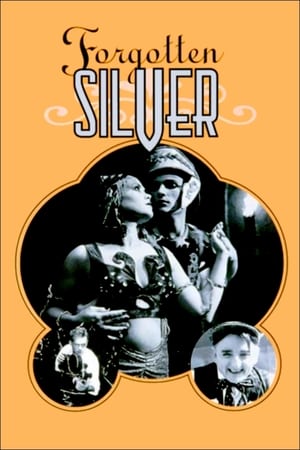
Forgotten Silver(en)
1997-10-03
The life story of Colin McKenzie, a forgotten pioneer of international cinema who was born in rural New Zealand in 1888.
74%
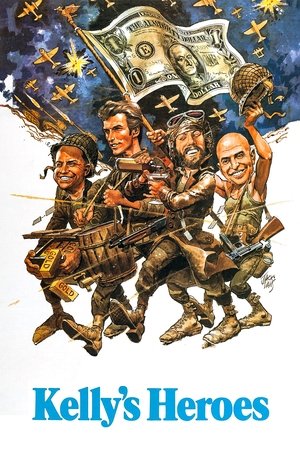
Kelly's Heroes(en)
1970-06-22
A misfit group of World War II American soldiers goes AWOL to rob a bank behind German lines.

72%
All the Beauty and the Bloodshed(en)
2022-11-23
The life of internationally renowned artist and activist Nan Goldin is told through her slideshows, intimate interviews, ground-breaking photography, and rare footage of her personal fight to hold the Sackler family accountable for the overdose crisis.