Loading Page


Zbrodnia katyńska(1991)
Status: Released
Date: 1991-01-01
0%
0 Votes
Overview:
Katyń. The name of this town was banned during the communist era in Poland. It appeared as an entry in only one edition of the PWN encyclopedia from 1958, where the Germans were blamed for the crimes. When, in 1989, one of the periodicals placed this word on the cover of its April issue in the context of National Remembrance Month, the publication provoked deep and loud outrage from Wiesław Górnicki, a publicist and official advisor to General Wojciech Jaruzelski. The name Katyń had been ruthlessly and consistently erased from the national memory.
Languages: Polish.
Countries:
Poland
ProductionCompanies:
Zespół Filmowy "Feniks"
Movie: Zbrodnia katyńska
HomePage
Overview
Katyń. The name of this town was banned during the communist era in Poland. It appeared as an entry in only one edition of the PWN encyclopedia from 1958, where the Germans were blamed for the crimes. When, in 1989, one of the periodicals placed this word on the cover of its April issue in the context of National Remembrance Month, the publication provoked deep and loud outrage from Wiesław Górnicki, a publicist and official advisor to General Wojciech Jaruzelski. The name Katyń had been ruthlessly and consistently erased from the national memory.
Release Date
1991-01-01
Average
0
Rating:
0.0 startsTagline
Genres
Languages:
PolskiKeywords
Recommendations Movies
73%
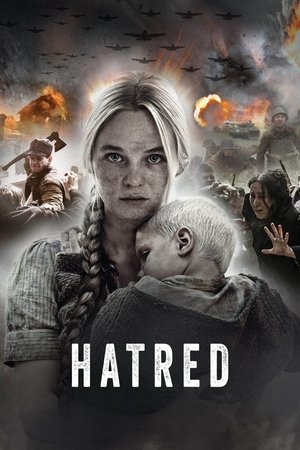
Hatred(pl)
2016-10-07
Summer of 1939. Zosia is a young Polish girl who is deeply in love with Ukrainian Petro. Their great love will be put to the test when her father decides to marry her to a wealthy widower Skiba. Right after wedding she is left alone because her husband is drafted to the Polish army for the war with Germany. Meanwhile, tensions grow due to Jews, Poles, and Ukrainians living side by side.
60%
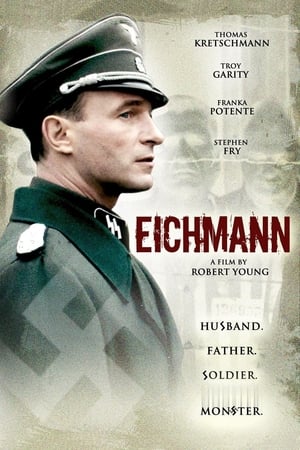
Eichmann(en)
2007-09-22
Based upon the final confession of Adolf Eichmann, made before his execution in Israel, of his role in Hitler's plan for the final solution.
60%
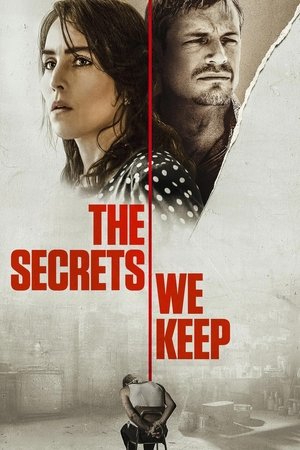
The Secrets We Keep(en)
2020-09-16
In post-World War II America, a woman, rebuilding her life in the suburbs with her husband, kidnaps her neighbor and seeks vengeance for the heinous war crimes she believes he committed against her.
67%
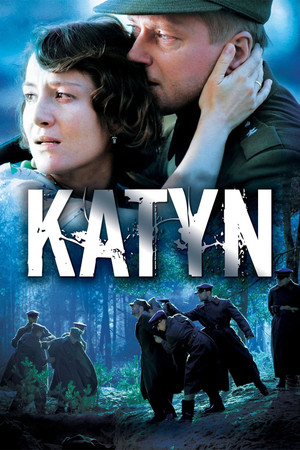
Katyn(pl)
2007-09-21
On September 1st, 1939, Nazi Germany invades Poland, unleashing World War II. On September 17th, the Soviet Red Army crosses the border. The Polish army, unable to fight on two fronts, is defeated. Thousands of Polish men, both military and government officials, are captured by the invaders. Their fate will only be known several years later.
59%
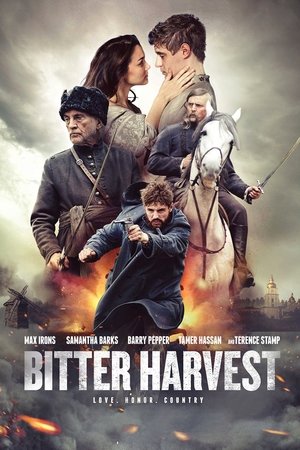
Bitter Harvest(en)
2017-01-31
Set between the two World Wars and based on true historical events, Bitter Harvest conveys the untold story of the Holodomor, the genocidal famine engineered by the tyrant Joseph Stalin. The film displays a powerful tale of love, honour, rebellion and survival at a time when Ukraine was forced to adjust to the horrifying territorial ambitions of the burgeoning Soviet Union.
75%
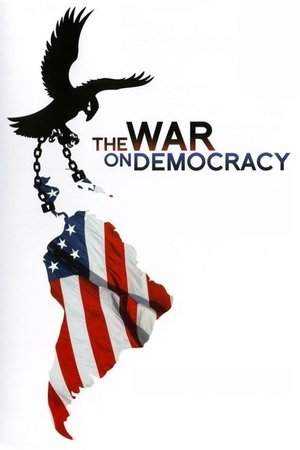
The War on Democracy(en)
2007-06-15
Set both in Latin America and the United States, the film explores the historic and current relationship of Washington with countries such as Venezuela, Bolivia and Chile. Pilger says that the film "...tells a universal story... analysing and revealing, through vivid testimony, the story of great power behind its venerable myths. It allows us to understand the true nature of the so-called "war on terror". According to Pilger, the film’s message is that the greed and power of empire is not invincible and that people power is always the "seed beneath the snow".
68%
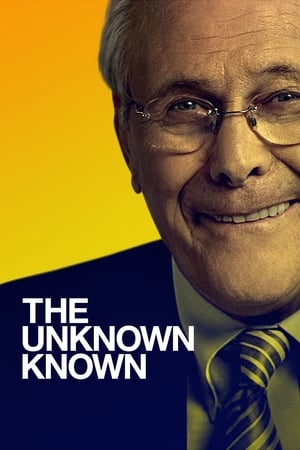
The Unknown Known(en)
2013-08-29
Former United States Secretary of Defense, Donald Rumsfeld, discusses his career in Washington D.C. from his days as a congressman in the early 1960s to planning the invasion of Iraq in 2003.
71%
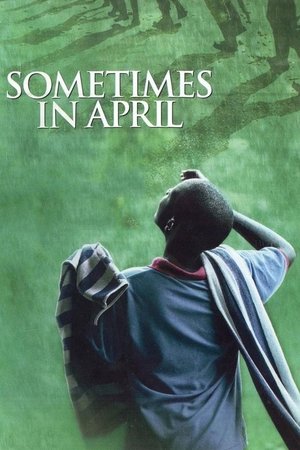
Sometimes in April(en)
2005-02-17
Two brothers are divided by marriage and fate during the 100 horrifying days of the 1994 Rwandan genocide.

76%
Night Will Fall(en)
2014-06-07
When Allied forces liberated the Nazi concentration camps in 1944-45, their terrible discoveries were recorded by army and newsreel cameramen, revealing for the first time the full horror of what had happened. Making use of British, Soviet and American footage, the Ministry of Information’s Sidney Bernstein (later founder of Granada Television) aimed to create a documentary that would provide lasting, undeniable evidence of the Nazis’ unspeakable crimes. He commissioned a wealth of British talent, including editor Stewart McAllister, writer and future cabinet minister Richard Crossman – and, as treatment advisor, his friend Alfred Hitchcock. Yet, despite initial support from the British and US Governments, the film was shelved, and only now, 70 years on, has it been restored and completed by Imperial War Museums under its original title "German Concentration Camps Factual Survey".
63%
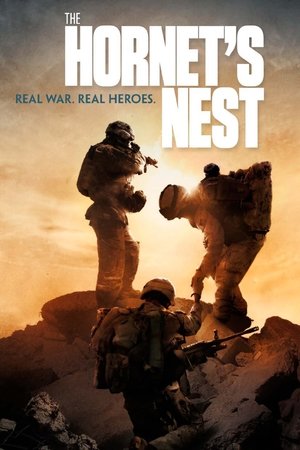
The Hornet's Nest(en)
2014-05-09
Armed only with their cameras, Peabody and Emmy Award-winning conflict Journalist Mike Boettcher, and his son, Carlos, provide unprecedented access into the longest war in U.S. history: they are embed with U.S. troops during nine days of intense combat in Afghanistan.
65%
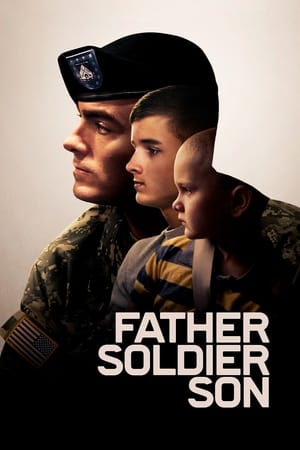
Father Soldier Son(en)
2020-04-15
When Sgt. First Class Brian Eisch is critically wounded in Afghanistan, it sets him and his sons on a journey of love, loss, redemption and legacy.
80%
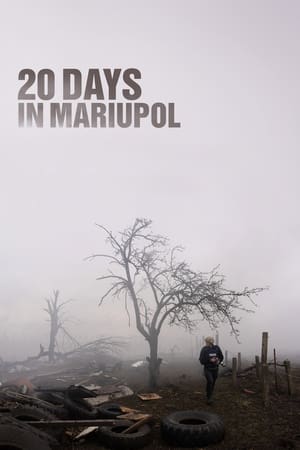
20 Days in Mariupol(en)
2023-07-14
As the Russian invasion begins, a team of Ukrainian journalists trapped in the besieged city of Mariupol struggle to continue their work documenting the war's atrocities.
67%
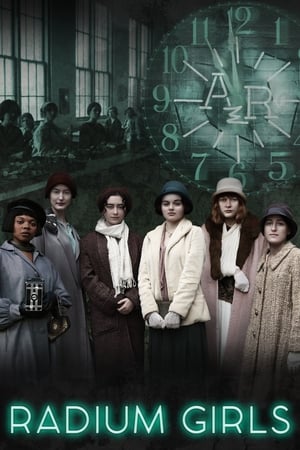
Radium Girls(en)
2020-10-23
Young women toiling in a factory are exposed to hazardous material which takes a disastrous toll on their health.
62%
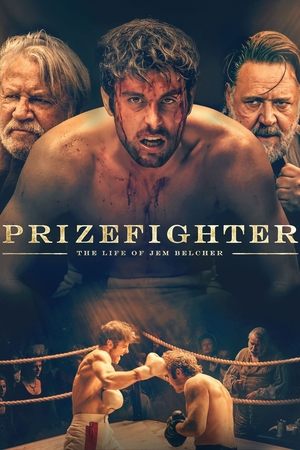
Prizefighter: The Life of Jem Belcher(en)
2022-06-30
At the turn of the 19th century, Pugilism was the sport of kings and a gifted young boxer fought his way to becoming champion of England.
61%
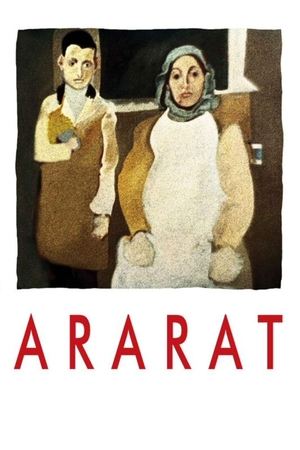
Ararat(en)
2002-05-20
Interrogated by a customs officer, a young man recounts how his life was changed during the making of a film about the Armenian genocide.
77%
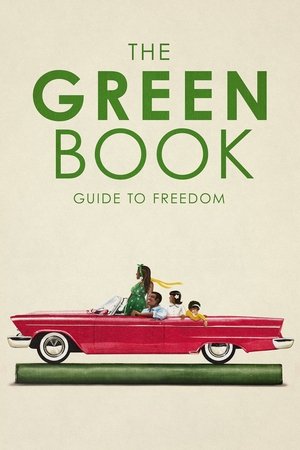
The Green Book: Guide to Freedom(en)
2019-02-25
In 1936, Victor H. Green (1892-1960) published The Negro Motorist Green Book, a book that was both a travel guide and a survival manual, to help African-Americans navigate safe those regions of the United States where segregation and Jim Crow laws were disgracefully applied.

72%
The Cave(en)
2019-10-18
Deep beneath the surface in the Syrian province of Ghouta, a group of female doctors have established an underground field hospital. Under the supervision of paediatrician Dr. Amani and her staff of doctors and nurses, hope is restored for some of the thousands of children and civilian victims of the ruthless Syrian civil war.
68%
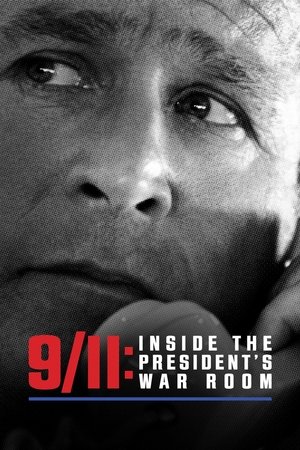
9/11: Inside the President's War Room(en)
2021-08-31
Experience the events of September 11, 2001 through the eyes of President Bush and his closest advisors as they personally detail the crucial hours and key decisions from that historic day.
66%
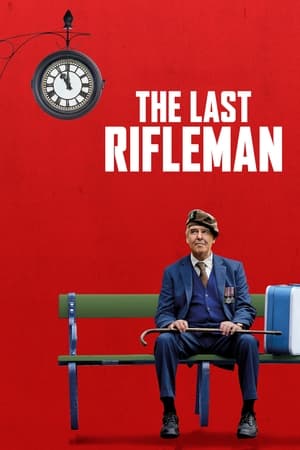
The Last Rifleman(en)
2023-12-07
A WWII veteran escapes his care home in Northern Ireland and embarks on an arduous but inspirational journey to France to attend the 75th anniversary of the D-Day landings, finding the courage to face the ghosts of his past.
82%
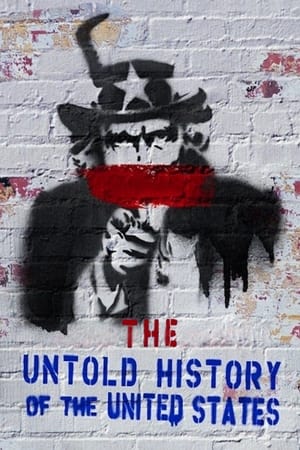
The Untold History Of The United States(en)
2012-11-12
Oliver Stone charts the history of the United States from the Second World War to the present.
Similar Movies
80%
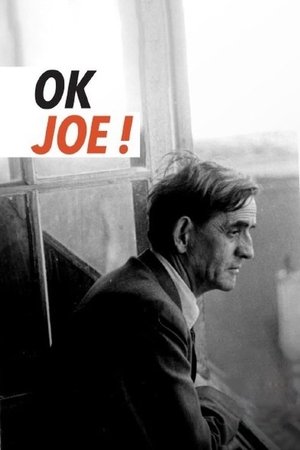
Okay, Joe! or the Memoirs of Private Guilloux(fr)
2023-06-12
In autumn 1944, during the Liberation of Brittany, writer Louis Guilloux worked as an interpreter for the American army. He was a privileged witness to some little-known dramatic aspects of the Liberation: the rapes and murders committed by GIs on French civilians. He also discovered the racism of American military justice. This experience haunted the novelist for thirty years. In 1976, he recounted it in a short novel, "Ok, Joe", which went unnoticed. This film compares his account with the memories of the last witnesses to these forgotten crimes and their punishments.

73%
Merry Christmas, Mr. Lawrence(ja)
1983-05-28
Island of Java, 1942, during World War II. British Major Jack Celliers arrives at a Japanese prison camp, run by the strict Captain Yonoi. Colonel John Lawrence, who has a profound knowledge of Japanese culture, and Sergeant Hara, brutal and simpleton, will witness the struggle of wills between two men from very different backgrounds who are tragically destined to clash.
68%
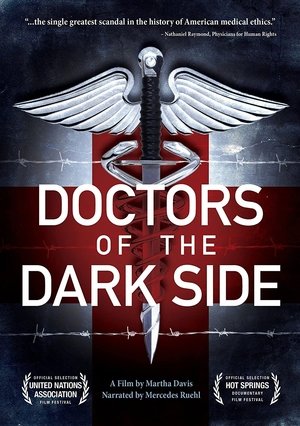
Doctors of the Dark Side(en)
2011-01-01
Doctors of the Dark Side is the first feature length documentary about the pivotal role of physicians and psychologists in detainee torture. The stories of four detainees and the doctors involved in their abuse demonstrate how US Army and CIA doctors implemented the Enhanced Interrogation Techniques and covered up signs of torture at Guantanamo and Abu Ghraib. Interviews with medical, legal and intelligence experts and evidence from declassified government memos document what has been called the greatest scandal in American medical ethics. Based on four years of research by Producer/Director Martha Davis, written by Oscar winning Mark Jonathan Harris, and filmed in HD by Emmy winning DP Lisa Rinzler, the film shows how the torture of detainees could not continue without the assistance of the doctors.
67%
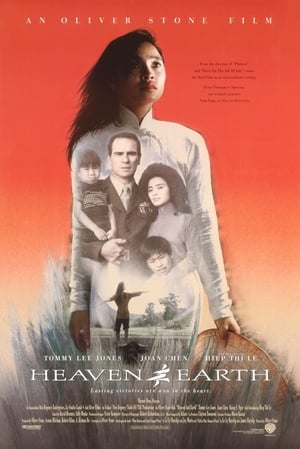
Heaven & Earth(en)
1993-12-25
In a small Vietnamese village torn apart by war, a young woman faces unimaginable horrors before deciding to escape to the city. There, she encounters a compassionate Marine who offers her hope and a chance at a new life, igniting the possibility of a future together.
68%
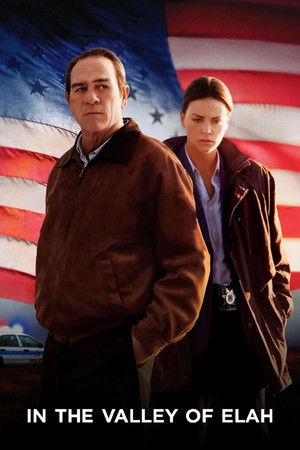
In the Valley of Elah(en)
2007-09-14
A career officer and his wife work with a police detective to uncover the truth behind their son's disappearance following his return from a tour of duty in Iraq.
80%
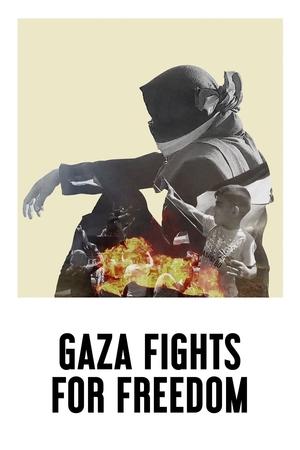
Gaza Fights for Freedom(en)
2019-06-20
Gaza Fights for Freedom depicts the ongoing Great March of Return protests in the Gaza Strip, occupied Palestine, that began in 2018.
75%
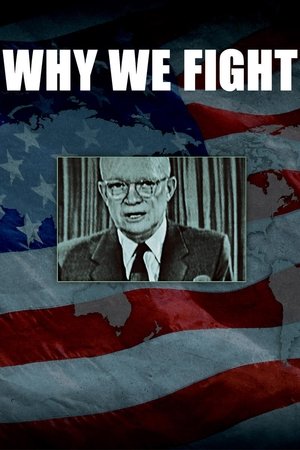
Why We Fight(en)
2005-01-20
Is American foreign policy dominated by the idea of military supremacy? Has the military become too important in American life? Jarecki's shrewd and intelligent polemic would seem to give an affirmative answer to each of these questions.

88%
Israel and Gaza: Into the Abyss(en)
2024-09-15
This deeply affecting documentary follows a small number of Israelis and Gazans through the most dramatic and tragic year of their lives. Using personal and previously unseen footage, it tells the story of the war in Gaza and the October 7 attacks through deeply emotional stories from both sides of the conflict. In Gaza, the film follows three individuals from reaction to the October 7th attacks to the start of the bombing by the Israeli military and to the loss of family members that all three suffer. In Israel, we witness footage of the Israeli characters, as they and their family members are attacked by Hamas on October 7th and then follow their stories through the year.

80%
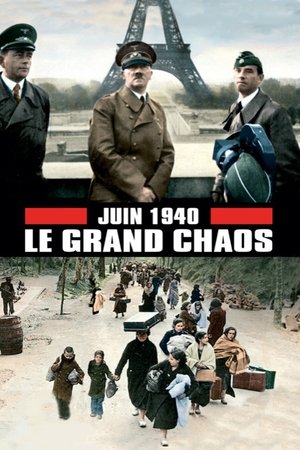
June 1940, the Great Chaos(fr)
2010-06-14
From May 10, 1940, France is living one of the worst tragedies of it history. In a few weeks, the country folds, and then collapsed in facing the attack of the Nazi Germany. On June 1940, each day is a tragedy. For the first time, thanks to historic revelations, and to numerous never seen before images and documents and reenacted situations of the time, this film recounts the incredible stories of those men and women trapped in the torment of this great chaos.

0%
Elie Wiesel Goes Home(hu)
1997-02-12
A documentary chronicling the adolescent years of Elie Wiesel and the history of his sufferings. Eliezer was fifteen when Fascism brutally altered his life forever. Fifty years later, he returns to Sighetu Marmatiei, the town where he was born, to walk the painful road of remembrance - but is it possible to speak of the unspeakable? Or does Auschwitz lie beyond the capacity of any human language - the place where words and stories run out?
61%
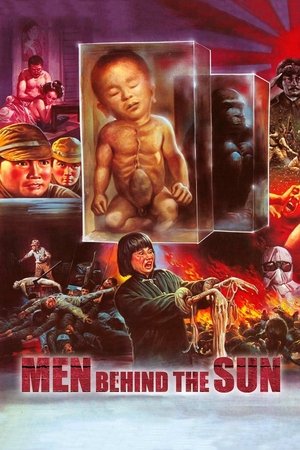
Men Behind the Sun(cn)
1988-12-01
Japanese troops round up Chinese and Russian prisoners of war and take them to unit 731, where they're horribly tortured and experimented on to test new biological weapons.
65%
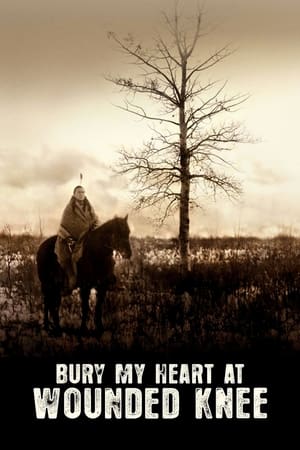
Bury My Heart at Wounded Knee(en)
2007-05-27
Beginning just after the bloody Sioux victory over General Custer at Little Big Horn, the story is told through two unique perspectives: Charles Eastman, a young, white-educated Sioux doctor held up as living proof of the alleged success of assimilation, and Sitting Bull the proud Lakota chief whose tribe won the American Indians’ last major victory at Little Big Horn.
67%
Katyn(pl)
2007-09-21
On September 1st, 1939, Nazi Germany invades Poland, unleashing World War II. On September 17th, the Soviet Red Army crosses the border. The Polish army, unable to fight on two fronts, is defeated. Thousands of Polish men, both military and government officials, are captured by the invaders. Their fate will only be known several years later.
72%
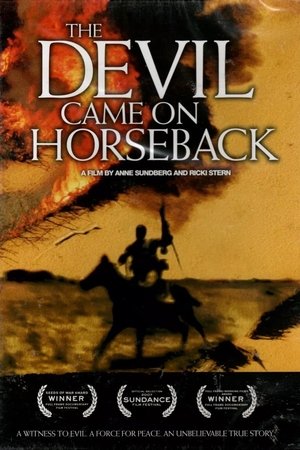
The Devil Came on Horseback(en)
2007-01-19
While serving with the African Union, former Marine Capt. Brian Steidle documents the brutal ethnic cleansing occuring in Darfur. Determined that the Western public should know about the atrocities he is witnessing, Steidle contacts New York Times reporter Nicholas Kristof, who publishes some of Steidle's photographic evidence.

0%
Bengal Memory(en)
A Bangladeshi American undertakes a journey to learn about the liberation war in his native country, traveling there for the first time in nearly two decades, and uncovering the controversial role the U.S. played in a forgotten genocide that occurred there over 50 years ago. From 1971 to the present day, this is a story of Bangladesh’s independence, a family’s journey immigrating to America, and the cognitive dissonance of a person belonging to both homelands. Driven by interviews with his father and other family members, along with experts and witnesses, archival videos, declassified recordings, and animations, BENGAL MEMORY is a unique and untold oral history through a personal lens.

100%
Gaza(en)
2024-10-07
This feature length investigation by Al Jazeera’s Investigative Unit exposes Israeli war crimes in the Gaza Strip through the medium of photos and videos posted online by Israeli soldiers themselves during the year long conflict. The I-Unit has built up a database of thousands of videos, photos and social media posts. Where possible it has identified the posters and those who appear. The material reveals a range of illegal activities, from wanton destruction and looting to the demolition of entire neighbourhoods and murder. The film also tells the story of the war through the eyes of Palestinian journalists, human rights workers and ordinary residents of the Gaza Strip. And it exposes the complicity of Western governments – in particular the use of RAF Akrotiri in Cyprus as a base for British surveillance flights over Gaza.