

Brasilianische Protokolle 2(1992)
Documentary film about a slum community on the outskirts of Recife, a major city in northeastern Brazil. A portrait of life in extreme poverty and lawlessness: men without work, hopeless women, hungry and sick children.
Movie: Brasilianische Protokolle 2
Top 5 Billed Cast
HomePage
Overview
Documentary film about a slum community on the outskirts of Recife, a major city in northeastern Brazil. A portrait of life in extreme poverty and lawlessness: men without work, hopeless women, hungry and sick children.
Release Date
1992-02-10
Average
0
Rating:
0.0 startsTagline
Genres
Languages:
DeutschKeywords
Recommendations Movies
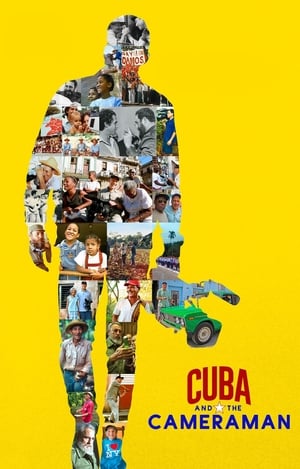
Cuba and the Cameraman(en)
This revealing portrait of Cuba follows the lives of Fidel Castro and three Cuban families affected by his policies over the last four decades.
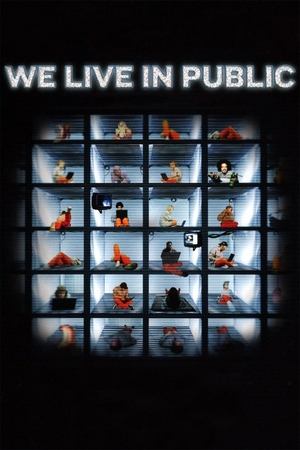
We Live in Public(en)
In 1999, Internet entrepreneur Josh Harris recruits dozens of young men and women who agree to live in underground apartments for weeks at a time while their every movement is broadcast online. Soon, Harris and his girlfriend embark on their own subterranean adventure, with cameras streaming live footage of their meals, arguments, bedroom activities, and bathroom habits. This documentary explores the role of technology in our lives, as it charts the fragile nature of dot-com economy.

The Class of ‘92(en)
A detailing of the rise to prominence and global sporting superstardom of six supremely talented young Manchester United football players (David Beckham, Nicky Butt, Ryan Giggs, Paul Scholes, Phil and Gary Neville). The film covers the period 1992-1999, culminating in Manchester United's European Cup triumph.
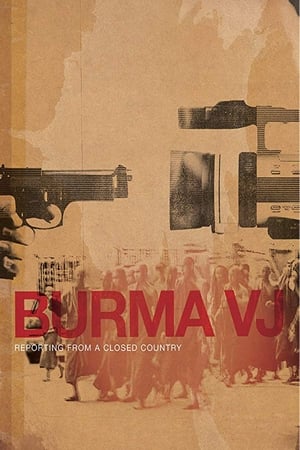
Burma VJ: Reporting from a Closed Country(en)
Going beyond the occasional news clip from Burma, the acclaimed filmmaker, Anders Østergaard, brings us close to the video journalists who deliver the footage. Though risking torture and life in jail, courageous young citizens of Burma live the essence of journalism as they insist on keeping up the flow of news from their closed country.
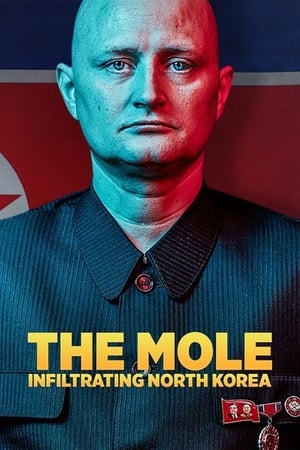
The Mole: Undercover in North Korea(en)
A real-life undercover thriller about two ordinary men who embark on an outrageously dangerous ten-year mission to penetrate the world's most secretive and brutal dictatorship: North Korea.
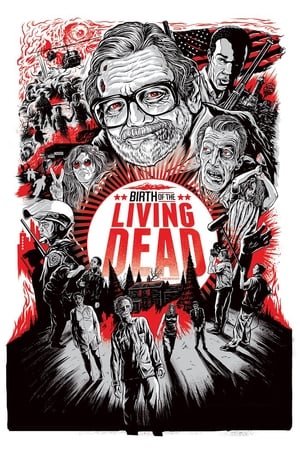
Birth of the Living Dead(en)
A behind the scenes look into George Romero's groundbreaking horror classic Night of the Living Dead.
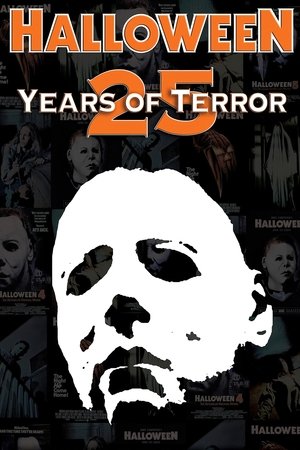
Halloween: 25 Years of Terror(en)
Follow the evolution of the 'Halloween' movies over the past twenty-five years. It examines why the films are so popular and revisits many of the original locations used in the films - seeing the effects on the local community. For the first time, cast, crew, critics and fans join together in the ultimate 'Halloween' retrospective.
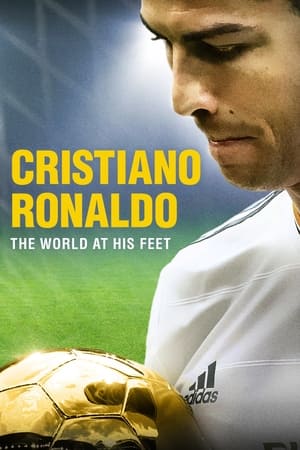
Cristiano Ronaldo: World at His Feet(en)
Cristiano Ronaldo: The World at His Feet follows the footballer from his beginnings in Portugal, breakthrough start with Manchester United and current career at Real Madrid.

Naqoyqatsi(en)
A visual montage portrait of our contemporary world dominated by globalized technology and violence.
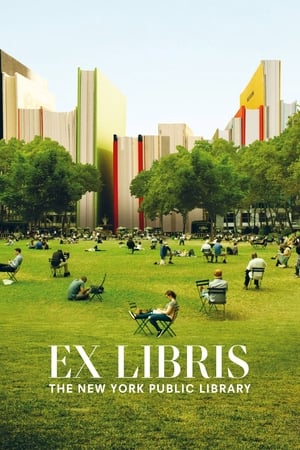
Ex Libris: The New York Public Library(en)
A documentary about how a dominant cultural and demographic institution both sustains their traditional activities and adapts to the digital revolution.
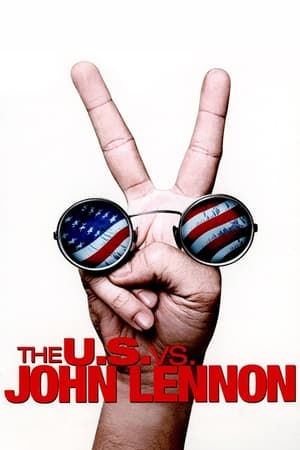
The U.S. vs. John Lennon(en)
A documentary on the life of John Lennon, with a focus on the time in his life when he transformed from a musician into an antiwar activist.
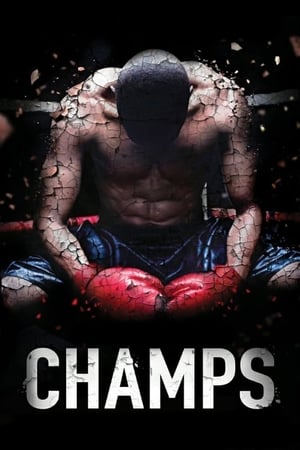
Champs(en)
A documentary about the sport of boxing, as seen through the eyes of champions Mike Tyson, Evander Holyfield and Bernard Hopkins.

Con Mum(en)
A chef's life is upended when a jet-setting, champagne-sipping, hotel-hopping woman claims to be his long-lost mother. This documentary reveals the untold story.


My Mom Jayne(en)
Through deeply personal interviews with her siblings and an examination of the photographs, letters, and belongings left behind, Mariska assembles a new portrait of her mother Jayne Mansfield, an extraordinary and complex woman.
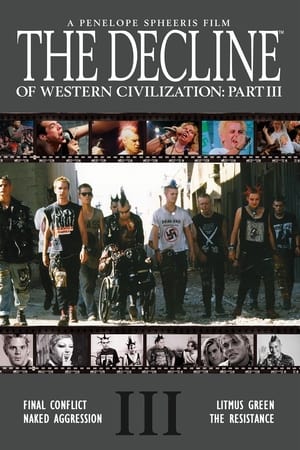
The Decline of Western Civilization Part III(en)
A musical study of Los Angeles in the late 90s, where homeless teens roam the streets and profess to live a punk lifestyle of music, drugs, and flouting authority.
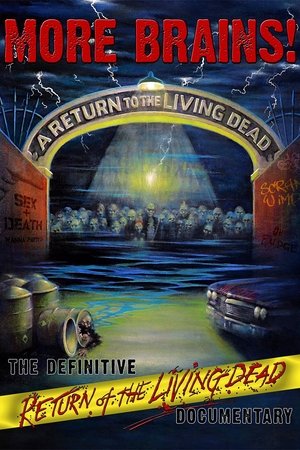
More Brains! A Return to the Living Dead(en)
Retrospective documentary about the making of the horror cult classic "The Return of the Living Dead."
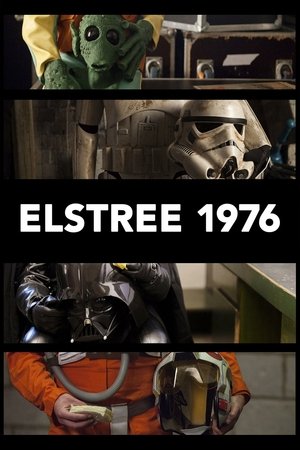
Elstree 1976(en)
A documentary about ten very different lives connected by having appeared onscreen wearing masks or helmets in Star Wars.
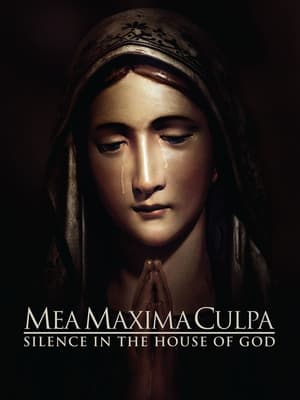
Mea Maxima Culpa: Silence in the House of God(en)
Alex Gibney explores the charged issue of pedophilia in the Catholic Church, following a trail from the first known protest against clerical sexual abuse in the United States and all way to the Vatican.
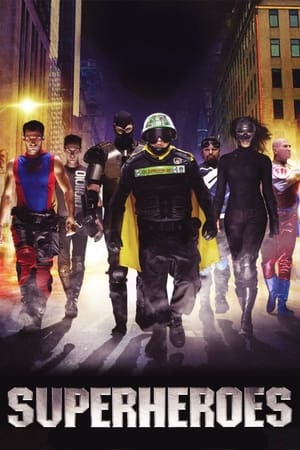
Superheroes(en)
A journey inside the world of real life caped crusaders. From all over America, these self-proclaimed crime fighters, don masks, homemade costumes and elaborate utility belts in an attempt to bring justice to evildoers everywhere.
Similar Movies
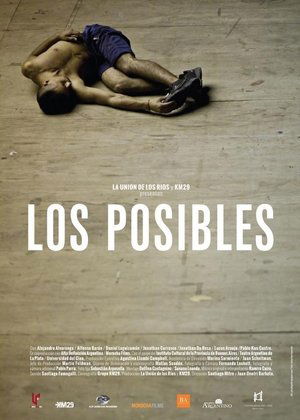
Los posibles(es)
Santiago Mitre co-directs his first movement following The Student together with choreographer Onofri Barbato. Although it would have been more accurate to say “his first film-story-adventure-movie-great movie following The Student”, the word movement fits perfectly in Los posibles, the most overwhelmingly kinetic work Argentine cinema has delivered in many, many years. The film deals with the adaptation of a dance show directed by Onofri together with a group of teenagers who came to Casa La Salle, a center of social integration located in González Catán, trying to find some refuge from hardship. Already entitled Los posibles, the piece opened in the La Plata Tacec and was later staged in the AB Hall of the San Martín Cultural Center. Now, it dazzles audiences out of a film screen, with extraordinary muscles and a huge heart: Los posibles is a rhapsody of roughen bodies and torn emotions. Precise and exciting, it’s our own delayed, necessary, and incandescent West Side Story.
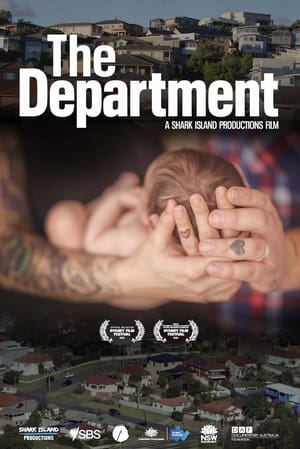
The Department(en)
THE DEPARTMENT is a feature documentary which takes us inside the never-before-seen child protection system at work in NSW. Filmed in an observational style, it follows caseworkers across the state as they navigate the complexities of keeping children safe in families experiencing domestic violence, addiction, poverty, mental health issues and intergenerational trauma.
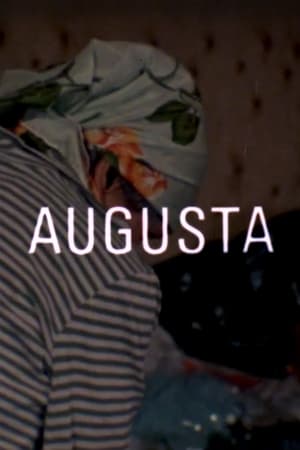
Augusta(en)
This short documentary is the portrait of an 88-year-old woman who lives alone in a log cabin without running water or electricity in the Williams Lake area of British Columbia. The daughter of a Shuswap chief, Augusta lost her Indian status as the result of a marriage to a white man. She recalls past times, but lives very much in the present. Self-sufficient, dedicated to her people, she spreads warmth wherever she moves, with her songs and her harmonica.
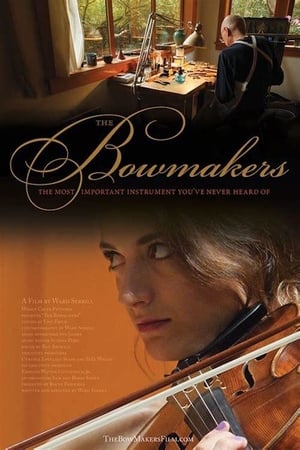
The Bowmakers(en)
This documentary film explores the world of the bow and the extraordinary masters who make them. The bow is the Cinderella of the orchestra—the overworked and overshadowed ally to its more glamorous partners. Few people, even among lovers of classical music, think of the bow as an instrument in its own right, but players of stringed instruments see them differently. To musicians, the bow is as essential to expressing the soul of the music as the violin or cello. The film follows the journey of the “silent servant” of the music world—from the workshops of the virtuosos of the trade, to the birthplace of the bow in France, and to Brazil, home to the imperiled tree from which the world’s finest bows are made.
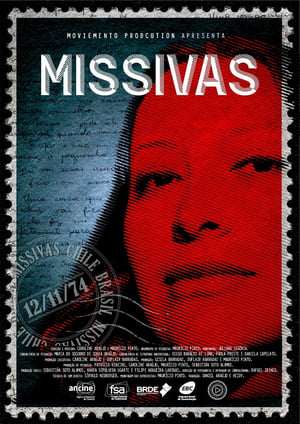
Missivas(pt)
The Documentary tells the story of Jane Vanini from the author's reflections on her militancy-building process. Starting with the meeting of the two during the “Jornadas de 2013”, we will look at Jane's path as we follow steps, from her hometown, Cáceres, to Concepcion, in Chile. It is the possibility of discussing this journey from a personal point of view that makes this project unique and takes us to social, political and human borders. This window is opened to us through Jane's 41 letters to her family, allowing us to glimpse nuances of her intimacy and militancy choices. It was while researching Jane's militancy that the author debated these reflections on his own militant career and the context in which it takes place. Telling Jane's trajectory, going through her family and religious formation and its implications for her activism was one of the moments of encounter between these two days.
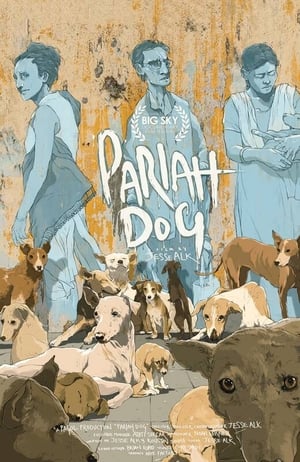
Pariah Dog(bn)
Shot over three years, Pariah Dog paints a kaleidoscopic picture of the city of Kolkata, seen through the prism of four outsiders and the dogs they love. These men and women have found meaning and purpose in their shared mission to care for neglected street dogs, who have existed in the towns and villages of India for thousands of years. For some this mission is enough, for others, dreams of a better life are always near.
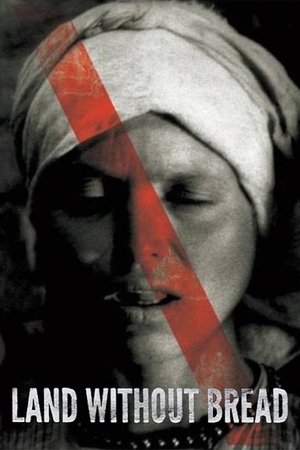
Land Without Bread(es)
An exploration —manipulated and staged— of life in Las Hurdes, in the province of Cáceres, in Extremadura, Spain, as it was in 1932. Insalubrity, misery and lack of opportunities provoke the emigration of young people and the solitude of those who remain in the desolation of one of the poorest and least developed Spanish regions at that time.
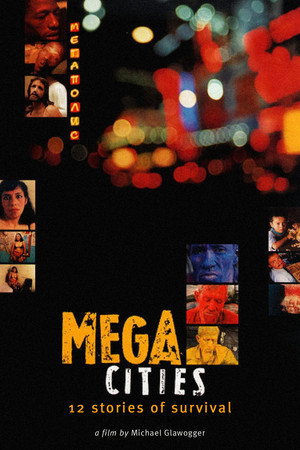
Megacities(en)
Megacities is a documentary about the slums of five different metropolitan cities.
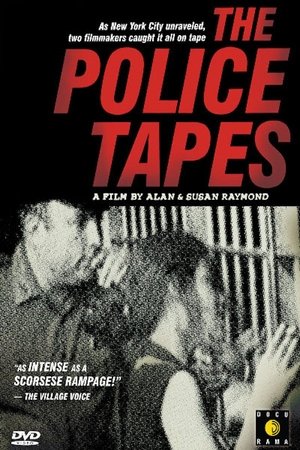
The Police Tapes(en)
Filmmakers Alan and Susan Raymond spent three months in 1976 riding along with patrol officers in the 44th Precinct of the South Bronx, which had the highest crime rate in New York City at that time.
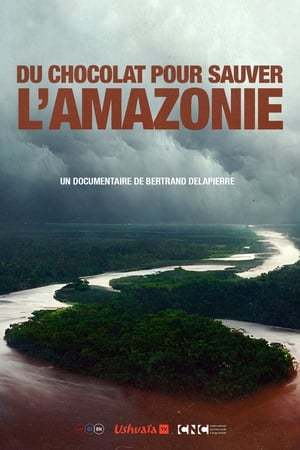
Du Chocolat Pour Sauver l'Amazonie(fr)
The Amazon is the river of superlatives: the longest - 7,025 km, the most powerful, the most indomitable - no dam possible over hundreds of kilometres. Its waters cross the largest tropical forest in the world: the Amazon, “the lungs of the earth”. Going against the current of this gigantism, this documentary is betting on approaching this extraordinary natural space through one of its tiniest productions: the cocoa bean. Scientists, chocolate makers, producers and farmers, many are those who, faced with the deforestation of this unique ecosystem, use this chocolate seed to recreate, on a small scale, human exploitations in harmony with nature. This film tells us about the fight of those who decided to make cocoa the spearhead of environmental defense in Brazil.

Sou Jazz(pt)
Sound is a journey. Each note opens a door, closes another. Instruments chart the course. Through a poetic and immersive lens, Sou Jazz shines a light on musicians from the Paraisópolis community, reaffirming the social and transformative power of art. The film invites viewers into a reflective, sensory exploration of the relationship between jazz and life on the margins.
2plus1(pt)
From casting to production of "Three", following the strategies used to compose the characters, chemistry between actors and coordination of intimacy; aiming to highlight the importance of a more humanized and sensitive work.
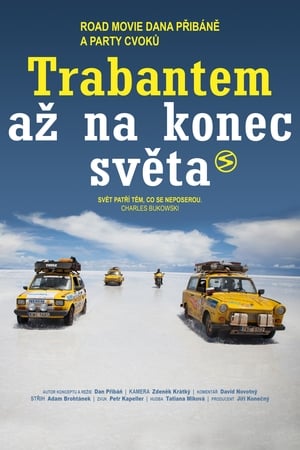
Trabantem až na konec světa(cs)
The third installment in Dan Přibáň's series of travel documentaries describes the author's journey with his friends across South America in vehicles that are often notorious but cult in their own way. The charming dynamics of the group on screen are further enhanced by the high-quality craftsmanship.
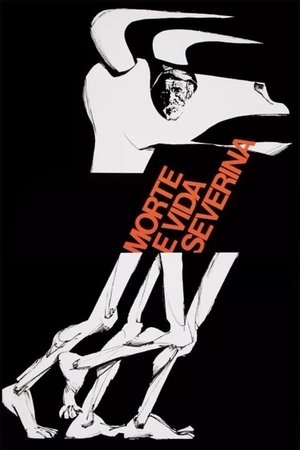
Morte e Vida Severina(pt)
The story of Severino, a man who tries to escape the misery and the drought prevailing in the rural backcountry of the Northeast of Brazil. He heads for Recife, passing through desert and forest regions, expecting to find a better life.
Las Hurdes, país de leyenda(es)
An account of the journey that King Alfonso XIII of Spain made to the impoverished shire of Las Hurdes, in the province of Cáceres, in the region of Extremadura, in 1922.

Snake Island(en)
"The highest concentration of one of the most venomous snakes in the world is located about 90 miles off the coast of Santos, Brazil, on a small, craggy chunk of otherwise uninhabitable land. It's known as Ilha da Queimada Grande, or Snake Island, and it's the only place you will find 2,000 or so of the wholly unique golden lancehead viper, or Bothrops insularis."
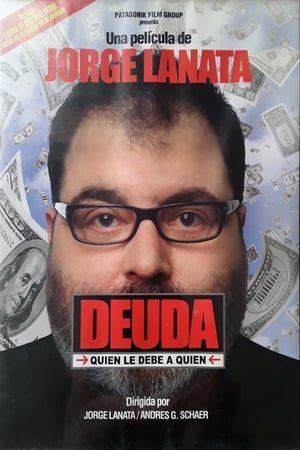
Debt(es)
DEBT is the story of a frantic pursuit: the search for the responsible for the televised cry of hunger of Barbara Flores, an eight-year-old Argentinean girl. Buenos Aires, Washington, the IMF, the World Bank and Davos; corruption and the international bureaucratic lack of interest.
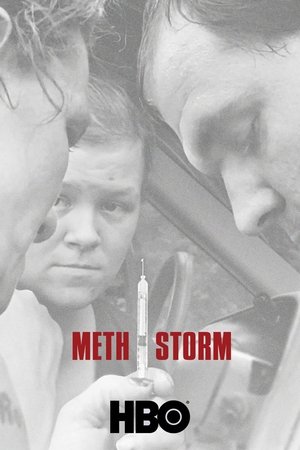
Meth Storm(en)
As police and DEA agents battle sophisticated cartels, rural, economically-disadvantaged users and dealers–whose addiction to ICE and lack of job opportunities have landed them in an endless cycle of poverty and incarceration–are caught in the middle.

Rush in Rio(en)
Legendary rock band Rush plays the Maracana Stadium in Rio de Janeiro, Brazil, on the final night of the band's 2002 Vapor Trails tour, in front of 40,000 fans.