Loading Page


The Water of Babylon(2024)
Status: Released
Date: 2024-03-01
0%
0 Votes
Time: 1h 19m
Overview:
1914-1918, Burma, Turkish POW camp, and other side Turkey, British POW camp. Hidden truths that still remain silent despite the intervening century. Descendants of Turkish and British soldiers who crossed paths in Mesopotamia during the First World War think upon the unknown stories of their grandfathers and how it has affected their lives. The film progresses with testimonies from two different nations' prisoners of war, who have been left outside of the historical framework, and showcases the shared painful effects of war's cruelty upon individuals, and the bond that distinguishes the reality of history from memory and forgiveness. The film focuses on the tragic stories of W. C. Spackman, an English military doctor working in the Indian Army, and Colonel Suphi Bey, a Turkish officer, whose destinies intersect in Mesopotamia.
Languages: Turkish.
Countries:
Turkey
Movie: The Water of Babylon
Loading Photos
Photo Type :Total items
Recommendations Movies
82%
The Untold History Of The United States(en)
2012-11-12
Oliver Stone charts the history of the United States from the Second World War to the present.
68%
The Unknown Known(en)
2013-08-29
Former United States Secretary of Defense, Donald Rumsfeld, discusses his career in Washington D.C. from his days as a congressman in the early 1960s to planning the invasion of Iraq in 2003.

68%
Making Waves: The Art of Cinematic Sound(en)
2019-10-25
The history of cinematic sound, told by legendary sound designers and visionary filmmakers.
75%
The War on Democracy(en)
2007-06-15
Set both in Latin America and the United States, the film explores the historic and current relationship of Washington with countries such as Venezuela, Bolivia and Chile. Pilger says that the film "...tells a universal story... analysing and revealing, through vivid testimony, the story of great power behind its venerable myths. It allows us to understand the true nature of the so-called "war on terror". According to Pilger, the film’s message is that the greed and power of empire is not invincible and that people power is always the "seed beneath the snow".
70%
Visions of Light(en)
1992-09-17
Cameramen and women discuss the craft and art of cinematography and of the "DP" (the director of photography), illustrating their points with clips from 100 films, from Birth of a Nation to Do the Right Thing. Themes: the DP tells people where to look; changes in movies (the arrival of sound, color, and wide screens) required creative responses from DPs; and, these artisans constantly invent new equipment and try new things, with wonderful results. The narration takes us through the identifiable studio styles of the 30s, the emergence of noir, the New York look, and the impact of Europeans. Citizen Kane, The Conformist, and Gordon Willis get special attention.
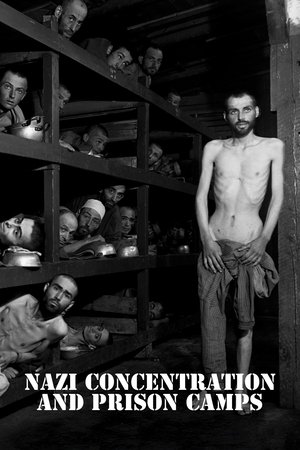
77%
Nazi Concentration Camps(en)
1945-11-29
Produced and presented as evidence at the Nuremberg war crimes trial of Hermann Göring and twenty other Nazi leaders, this film consists primarily of dead and surviving prisoners and of facilities used to kill and torture during the World War II.
72%
City of Ghosts(en)
2017-07-14
With unprecedented access, this documentary follows the extraordinary journey of “Raqqa is Being Slaughtered Silently”—a group of anonymous citizen journalists who banded together after their homeland was overtaken by ISIS—as they risk their lives to stand up against one of the greatest evils in the world today.
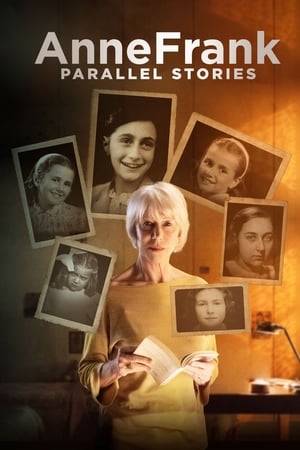
70%
#AnneFrank. Parallel Stories(en)
2019-10-18
One single Anne Frank moves us more than the countless others who suffered just as she did but whose faces have remained in the shadows-Primo Levi. The Oscar®-winning Helen Mirren will introduce audiences to Anne Frank's story through the words in her diary. The set will be her room in the secret refuge in Amsterdam, reconstructed in every detail by set designers from the Piccolo Theatre in Milan. Anne Frank this year would have been 90 years old. Anne's story is intertwined with that of five Holocaust survivors, teenage girls just like her, with the same ideals, the same desire to live: Arianna Szörenyi, Sarah Lichtsztejn-Montard, Helga Weiss and sisters Andra and Tatiana Bucci. Their testimonies alternate with those of their children and grandchildren.
62%
Loose Change 9/11: An American Coup(en)
2009-09-22
With the departure of the Bush Administration and the arrival of an “era of transparency,” opportunities are arising for the disclosure of new information that may shed more light on the events that took place before and after 9/11/2001. Loaded with powerful, new footage and in-depth interviews this documentary presents a wide array of evidence both known and unknown…until now.

76%
Night Will Fall(en)
2014-06-07
When Allied forces liberated the Nazi concentration camps in 1944-45, their terrible discoveries were recorded by army and newsreel cameramen, revealing for the first time the full horror of what had happened. Making use of British, Soviet and American footage, the Ministry of Information’s Sidney Bernstein (later founder of Granada Television) aimed to create a documentary that would provide lasting, undeniable evidence of the Nazis’ unspeakable crimes. He commissioned a wealth of British talent, including editor Stewart McAllister, writer and future cabinet minister Richard Crossman – and, as treatment advisor, his friend Alfred Hitchcock. Yet, despite initial support from the British and US Governments, the film was shelved, and only now, 70 years on, has it been restored and completed by Imperial War Museums under its original title "German Concentration Camps Factual Survey".

74%
Red Army(en)
2015-01-23
A documentary highlighting the Soviet Union's legendary and enigmatic hockey training culture and world-dominating team through the eyes of the team's Captain Slava Fetisov, following his shift from hockey star and celebrated national hero to political enemy.

72%
Love, Gilda(en)
2018-04-18
Diaries, audiotapes, videotapes and testimonials from friends and colleagues offer insight into the life and career of Gilda Radner -- the beloved comic and actress who became an icon on Saturday Night Live.
64%
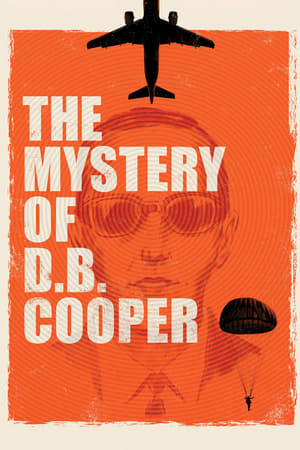
The Mystery of D.B. Cooper(en)
2020-09-13
This documentary brings to life the stories of four people believed by their family and friends to be “DB Cooper,” a man who hijacked a 727 flying out of Seattle and jumped from the plane over the wilds of Washington State with a parachute and $200,000, never to be heard from again.

64%
Why We Fight: Prelude to War(en)
1942-05-27
Prelude to War was the first film of Frank Capra's Why We Fight propaganda film series, commissioned by the Pentagon and George C. Marshall. It was made to convince American troops of the necessity of combating the Axis Powers during World War II. This film examines the differences between democratic and fascist states.

70%
The Cutting Edge: The Magic of Movie Editing(en)
2004-10-12
Documentary about the art of film editing. Clips are shown from many groundbreaking films with innovative editing styles.
78%
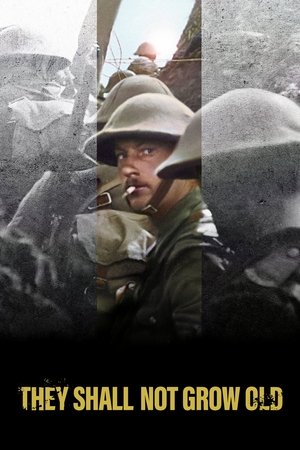
They Shall Not Grow Old(en)
2018-11-09
A documentary about World War I with never-before-seen footage to commemorate the centennial of Armistice Day, and the end of the war.
68%
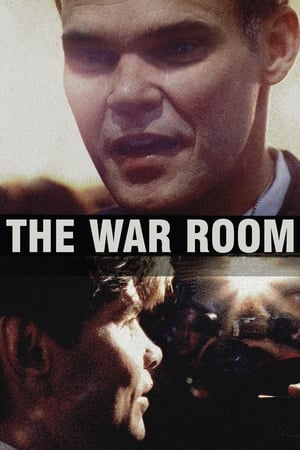
The War Room(en)
1993-11-03
A behind-the-scenes documentary about the Clinton for President campaign, focusing on the adventures of spin doctors James Carville and George Stephanopoulos.
65%
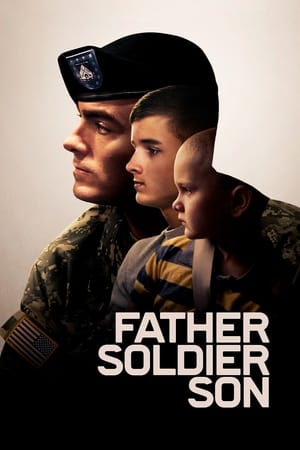
Father Soldier Son(en)
2020-04-15
When Sgt. First Class Brian Eisch is critically wounded in Afghanistan, it sets him and his sons on a journey of love, loss, redemption and legacy.
69%
Oranges and Sunshine(en)
2010-10-08
The story of Margaret Humphreys, a social worker from Nottingham, who uncovers one of the most significant social scandals in recent times – the forced migration of children from the United Kingdom to Australia and other Commonwealth countries. Almost singlehandedly, Margaret reunited thousands of families, brought authorities to account and worldwide attention to an extraordinary miscarriage of justice.
66%
The Last Rifleman(en)
2023-12-07
A WWII veteran escapes his care home in Northern Ireland and embarks on an arduous but inspirational journey to France to attend the 75th anniversary of the D-Day landings, finding the courage to face the ghosts of his past.