Loading Page
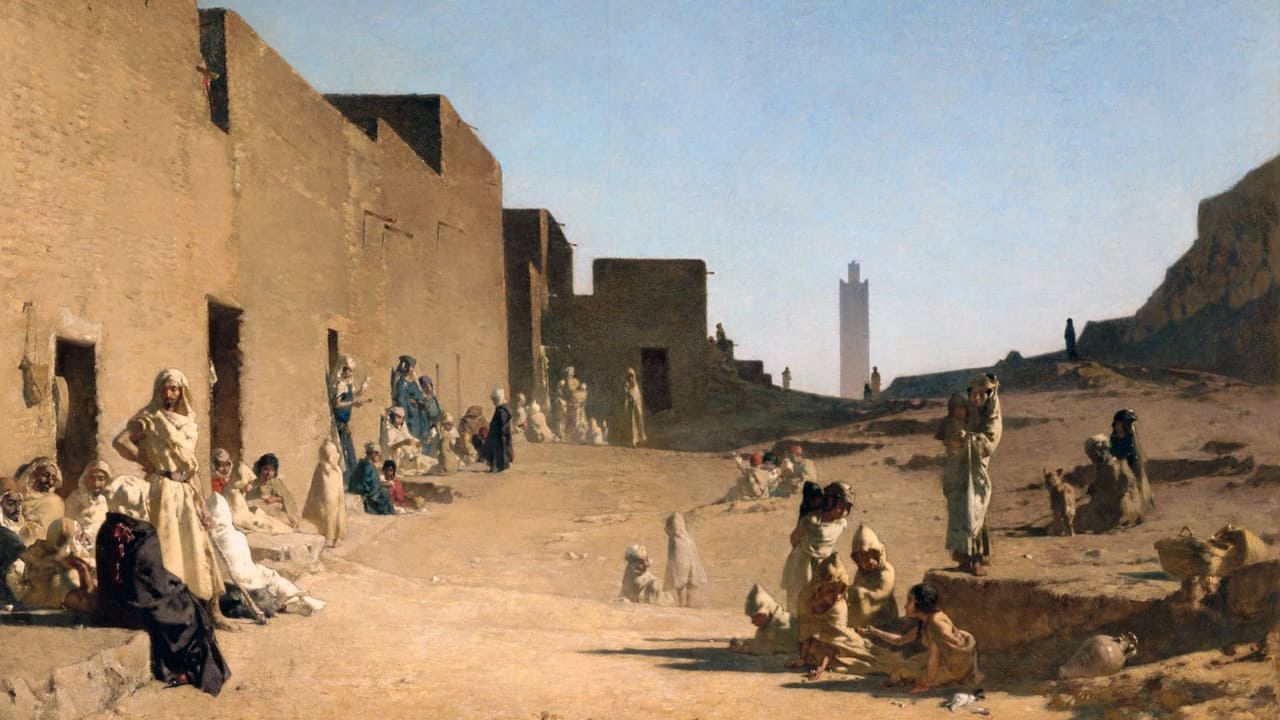
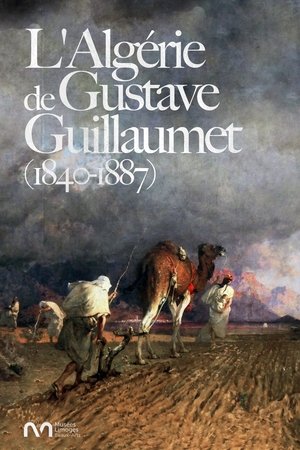
L'Algérie de Gustave Guillaumet (1840-1887)(2018)
Status: Released
Date: 2018-10-17
100%
1 Votes
Time: 0h 6m
Overview:
Born on March 25, 1840, Gustave Guillaumet discovered Algeria by chance when he was about to embark for Italy. Over the course of his ten or eleven trips and extended stays, he established a familiarity with this space. Traveling through the different regions from north to south, he never ceases to note the differences. He is also the first artist, apart from Delacroix's Women of Algiers, to penetrate into female interiors and reveal the reality, far removed from the harem fantasies that reigned in his time. Fascinated by the country, its deserts and its inhabitants , going so far as to live like the Algerians, Gustave Guillaumet devoted his life and his painting to this country, breaking with the colorful and exotic representations of the time. The painting The Famine in Algeria, restored thanks to exceptional fundraising, was dictated by the events of the years 1865-1868, and well illustrates his knowledge of the country, in a manner that is at once demanding, sensitive and serious.
Languages: French.
Countries:
France
ProductionCompanies: 
Movie: L'Algérie de Gustave Guillaumet (1840-1887)
Top 1 Billed Cast
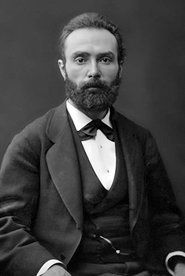
Gustave Guillaumet
Painter
HomePage
Overview
Born on March 25, 1840, Gustave Guillaumet discovered Algeria by chance when he was about to embark for Italy. Over the course of his ten or eleven trips and extended stays, he established a familiarity with this space. Traveling through the different regions from north to south, he never ceases to note the differences. He is also the first artist, apart from Delacroix's Women of Algiers, to penetrate into female interiors and reveal the reality, far removed from the harem fantasies that reigned in his time. Fascinated by the country, its deserts and its inhabitants , going so far as to live like the Algerians, Gustave Guillaumet devoted his life and his painting to this country, breaking with the colorful and exotic representations of the time. The painting The Famine in Algeria, restored thanks to exceptional fundraising, was dictated by the events of the years 1865-1868, and well illustrates his knowledge of the country, in a manner that is at once demanding, sensitive and serious.
Release Date
2018-10-17
Average
10
Rating:
5.0 startsTagline
Genres
Languages:
FrançaisKeywords
Recommendations Movies
69%
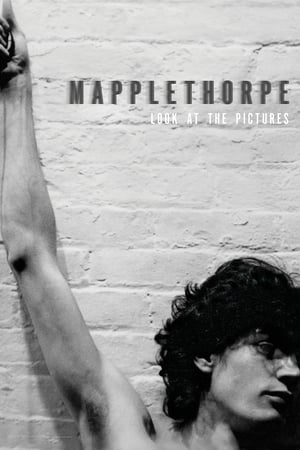
Mapplethorpe: Look at the Pictures(en)
2016-06-16
Nude men in rubber suits, close-ups of erections, objects shoved in the most intimate of places—these are photographs taken by Robert Mapplethorpe, known by many as the most controversial photographer of the twentieth century. Openly gay, Mapplethorpe took images of male sex, nudity, and fetish to extremes that resulted in his work still being labelled by some as pornography masquerading as art. But less talked about are the more serene, yet striking portraits of flowers, sculptures, and perfectly framed human forms that are equally pioneering and powerful.
75%
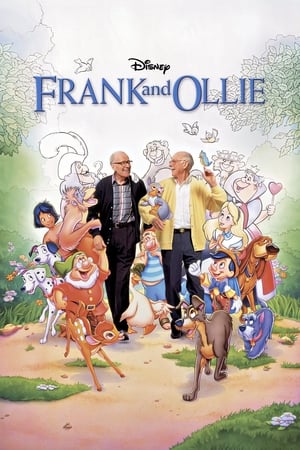
Frank and Ollie(en)
1995-10-20
Before computer graphics, special effects wizardry, and out-of-this world technology, the magic of animation flowed from the pencils of two of the greatest animators The Walt Disney Company ever produced -- Frank Thomas and Ollie Johnston. Frank and Ollie, the talent behind BAMBI, PINOCCHIO, LADY AND THE TRAMP, THE JUNGLE BOOK, and others, set the standard for such modern-day hits as THE LION KING. It was their creative genius that helped make Disney synonymous with brilliant animation, magnificent music, and emotional storytelling. Take a journey with these extraordinary artists as they share secrets, insights, and the inspiration behind some of the greatest animated movies the world has ever known!
75%
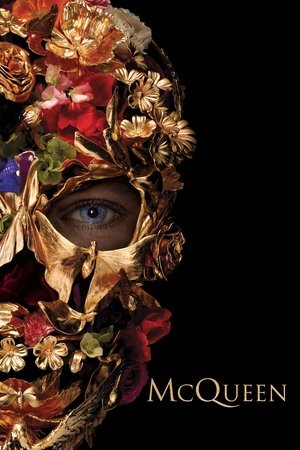
McQueen(en)
2018-06-08
Alexander McQueen's rags-to-riches story is a modern-day fairy tale, laced with the gothic. Mirroring the savage beauty, boldness and vivacity of his design, this documentary is an intimate revelation of McQueen's own world, both tortured and inspired, which celebrates a radical and mesmerizing genius of profound influence.
69%
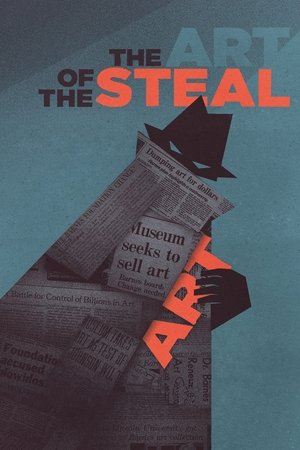
The Art of the Steal(en)
2010-02-26
A gripping tale of intrigue and mystery in the art world, this film traces the history of a collection of Post-Impressionist paintings - worth billions - which became the subject of a power struggle after the death of its owner. Dr. Albert Barnes.
68%
Spider-Man: All Roads Lead to No Way Home(en)
2022-05-03
JB Smoove and Martin Starr host a celebration of 20 years of "Spider-Man" movies, from the Sam Raimi trilogy to Marc Webb's movies and the trio from Jon Watts.
74%
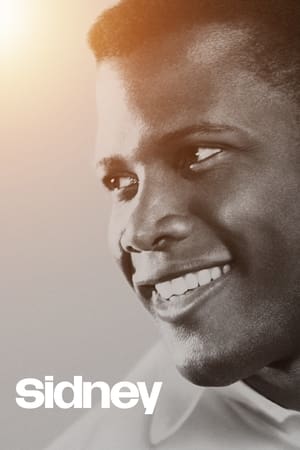
Sidney(en)
2022-09-10
This revealing documentary honors the legendary Sidney Poitier—iconic actor, filmmaker, and civil rights activist. Featuring interviews with Denzel Washington, Spike Lee, Halle Berry, and more.
79%
A Decade Under the Influence(en)
2003-04-25
A documentary examining the decade of the 1970s as a turning point in American cinema. Some of today's best filmmakers interview the influential directors of that time.
75%
Struggle: The Life and Lost Art of Szukalski(en)
2018-12-20
Artists in LA discover the work of forgotten Polish sculptor Stanislav Szukalski, a mad genius whose true story unfolds chapter by astounding chapter.
71%
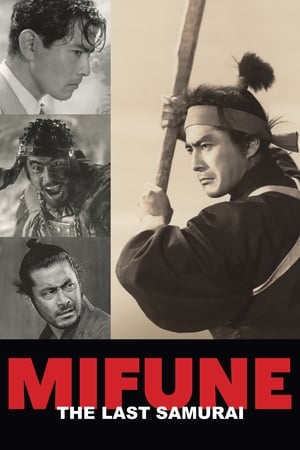
Mifune: The Last Samurai(en)
2016-12-02
An account of the life and work of legendary Japanese actor Toshirō Mifune (1920-97), the most prominent actor of the Golden Age of Japanese cinema.
71%
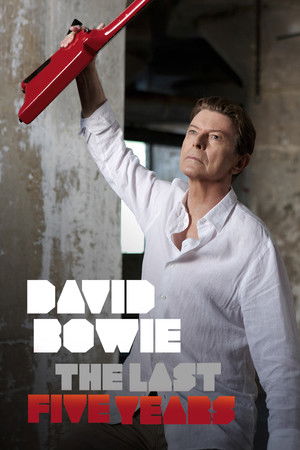
David Bowie: The Last Five Years(en)
2017-01-07
In the last five years of his life, David Bowie ended nearly a decade of silence to engage in an extraordinary burst of activity, producing two groundbreaking albums and a musical. David Bowie: The Last Five Years explores this unexpected end to a remarkable career. Made with remarkable access, Francis Whately’s documentary is a revelatory follow-up to his acclaimed 2013 documentary David Bowie: Five Years, which chronicled Bowie’s golden ‘70s and early-‘80s period.

85%
Everybody’s Everything(en)
2019-11-12
The story of artist Lil Peep from his birth in Long Island and meteoric rise as a genre blending pop star & style icon, to his death due to an accidental opioid overdose in Arizona at just 21 years of age.
69%
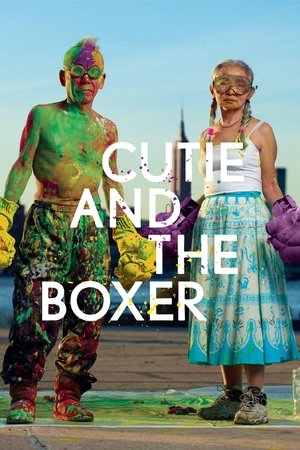
Cutie and the Boxer(en)
2013-08-16
This candid New York love story explores the chaotic 40-year marriage of famed boxing painter Ushio Shinohara and his wife, Noriko. Anxious to shed her role as her overbearing husband's assistant, Noriko finds an identity of her own.
69%
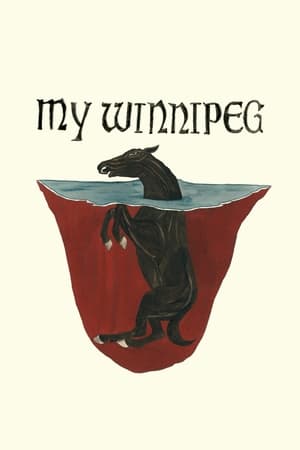
My Winnipeg(en)
2008-06-13
The geographical dead center of North America and the beloved birthplace of Guy Maddin, Winnipeg, is the frosty and mysterious star of Maddin’s film. Fact, fantasy and memory are woven seamlessly together in this work, conjuring a city as delightful as it is fearsome.
75%
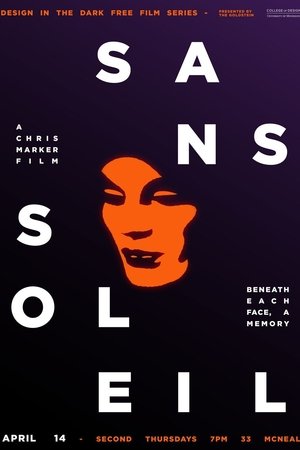
Sans Soleil(fr)
1983-03-02
A woman narrates the thoughts of a world traveler, meditations on time and memory expressed in words and images from places as far-flung as Japan, Guinea-Bissau, Iceland, and San Francisco.
74%
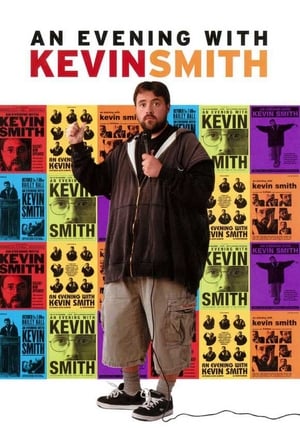
An Evening with Kevin Smith(en)
2002-12-17
Kevin Smith interacts in Q&A sessions throughout various college stops in the USA.
70%
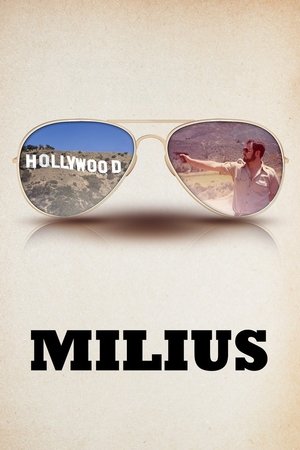
Milius(en)
2013-03-09
The life story of ‘Zen Anarchist’ filmmaker John Milius, one of the most influential storytellers of his generation.
75%
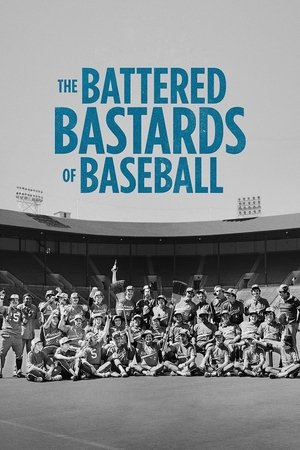
The Battered Bastards of Baseball(en)
2014-01-20
Hollywood veteran Bing Russell creates the only independent baseball team in the country—alarming the baseball establishment and sparking the meteoric rise of the 1970s Portland Mavericks.
68%
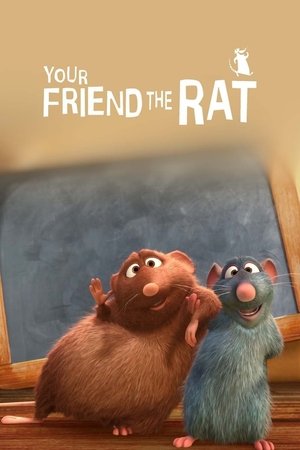
Your Friend the Rat(en)
2007-11-06
Let's face it, rats are not the most beloved creatures on earth. However, maybe this little tale about the history of human and rat interaction will change the world's tune. At least that is the hope of Remy, the star of Ratatouille, and his reluctant brother Emile as they guide us through world history from a rat's perspective. Why can't we all just get along?
71%
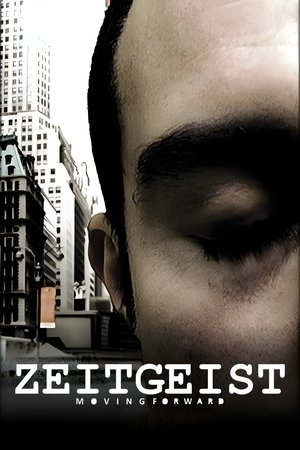
Zeitgeist: Moving Forward(en)
2011-01-15
A presentation of a case for a needed transition out of the current socioeconomic monetary paradigm which governs the entire world society. This subject matter will transcend the issues of cultural relativism and traditional ideology and move to relate the core, empirical 'life ground' attributes of human and social survival, extrapolating those immutable natural laws into a new sustainable social paradigm called a 'Resource-Based Economy'.
69%
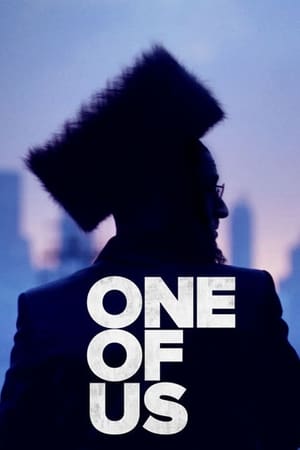
One of Us(en)
2017-09-10
Penetrating the insular world of New York's Hasidic community, focusing on three individuals driven to break away despite threats of retaliation.
Similar Movies
100%
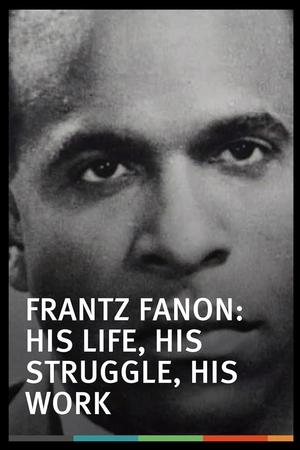
Frantz Fanon: His Life, His Struggle, His Work(fr)
2001-11-30
It is the evocation of a life as brief as it is dense. An encounter with a dazzling thought, that of Frantz Fanon, a psychiatrist of West Indian origin, who will reflect on the alienation of black people. It is the evocation of a man of reflection who refuses to close his eyes, of the man of action who devoted himself body and soul to the liberation struggle of the Algerian people and who will become, through his political commitment, his fight, and his writings, one of the figures of the anti-colonialist struggle. Before being killed at the age of 36 by leukemia, on December 6, 1961. His body was buried by Chadli Bendjedid, who later became Algerian president, in Algeria, at the Chouhadas cemetery (cemetery of war martyrs ). With him, three of his works are buried: “Black Skin, White Masks”, “L’An V De La Révolution Algérien” and “The Wretched of the Earth”.
67%
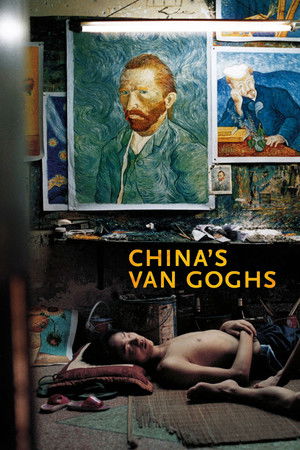
China's Van Goghs(zh)
2016-12-15
An intimate portrait of a peasant-turned oil painter transitioning from making copies of iconic Western paintings to creating his own authentic works of art.
60%
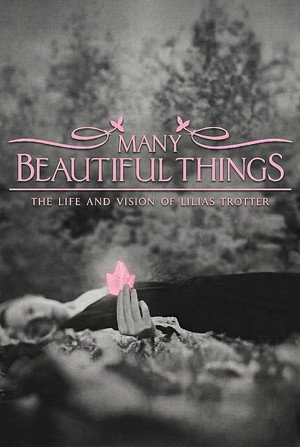
Many Beautiful Things(en)
2015-10-17
In an age when women were incapable of joining the artistic dialogue, Lilias Trotter managed to win the favour of celebrated critics.
100%
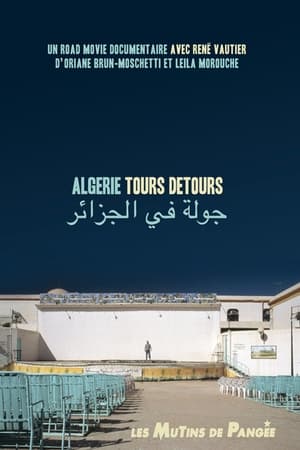
Algérie Tours Détours(fr)
2007-11-11
A documentary road movie with René Vautier In the aftermath of Algeria's independence, René Vautier, a militant filmmaker, considered "the dad" of Algerian cinema, set up the cine-pops. We recreate with him the device of itinerant projections and we travel the country in ciné-bus (Algiers, Béjaïa, Tizi Ouzou, Tébessa) to hear the voices of the spectators on the political situation, youth and living conditions of men and Of women today.
60%
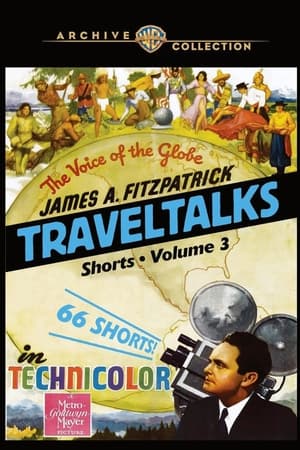
Glimpses of Morocco and Algiers(en)
1951-08-04
This FitzPatrick Traveltalk short visits the cities of Casablanca, Rabat, and Marrakesh in Morocco, as well as the city of Algiers in Algeria.
80%
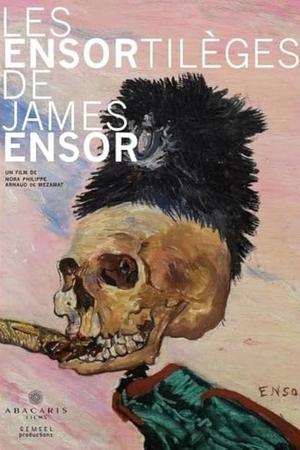
James Ensor: Demons Teasing Me(en)
2010-10-14
This film explains what James Ensor (1860-1949) meant for the development of art and makes palpable where he got his inspiration from.
60%
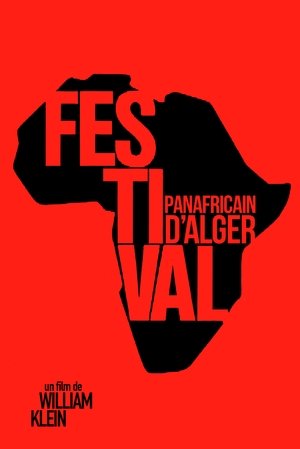
The Panafrican Festival in Algiers(ar)
1969-01-01
Festival panafricain d'Alger is a documentary by William Klein of the music and dance festival held 40 years ago in the streets and in venues all across Algiers. Klein follows the preparations, the rehearsals, the concerts… He blends images of interviews made to writers and advocates of the freedom movements with stock images, thus allowing him to touch on such matters as colonialism, neocolonialism, colonial exploitation, the struggles and battles of the revolutionary movements for Independence.
70%
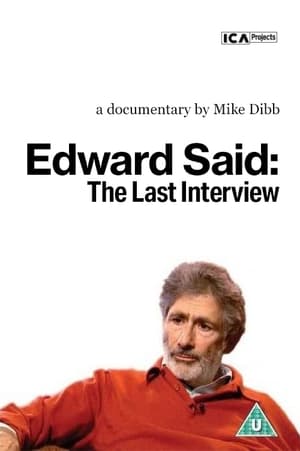
Edward Said: The Last Interview(en)
2004-06-11
Edward Said, Professor of English & Comparative Literature at Columbia University, was a prominent literary critic of the late 20th century and a leading spokesperson for the Palestinian cause in the US. Born to a Palestinian family in Al-Quds (Jerusalem) in 1935, he and his family were dispossessed in 1948 and settled in Cairo. Educated in the US, he lived in New York for many years. Said was a member of the Palestine National Council. After resigning from the PNC in 1991, Said wrote critically about the post-Oslo peace process, the political failures of Yasser Arafat and the PLO. Said was diagnosed with leukemia in 1991 and struggled with the disease while continuing to write and teach. He stopped giving interviews but made an exception less than a year before his death in 2003, speaking about his illness, work, Palestine, politics, life, and education. The last interview is the final testament of this passionately committed intellectual.
0%
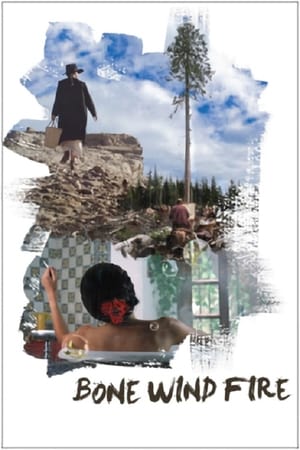
Bone Wind Fire(en)
2011-10-09
A journey into the hearts, minds and eyes of Georgia O’Keeffe, Emily Carr and Frida Kahlo - three of the 20th century’s most remarkable artists.
70%
143 Sahara Street(fr)
2021-06-16
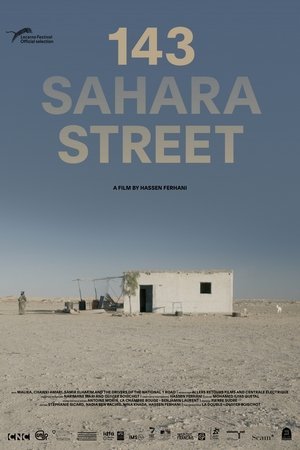
Alone in a small white house on the edge of national road 1, the Trans-Saharan road, which connects Algiers to Tamanrasset crossing the immensity of the desert, Malika, 74, one day opened her door to the director Hassen Ferhani, who came there to scout with his friend Chawki Amari, journalist at El Watan and author of the story Nationale 1 which relates his journey on this north-south axis of more than 2000 km. The Malika of Amari's novel, which Ferhani admits to having first perceived as a "literary fantasy", suddenly takes on an unsuspected human depth in this environment naturally hostile to man. She lends herself to the film project as she welcomes her clients, with an economy of gestures and words, an impression reinforced by the mystery that surrounds her and the rare elements of her biography which suggest that she is not from the region, that she left the fertile north of Algeria to settle in the desert where she lives with a dog and a cat.
0%
Pegi Nicol: Something Dancing About Her(en)
2004-02-13
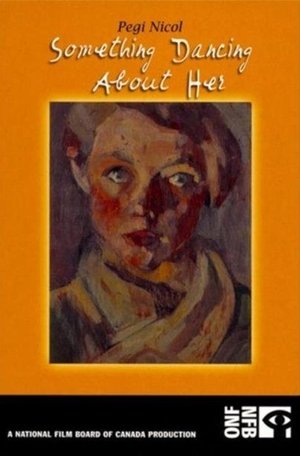
Something Dancing About Her is an affectionate portrait of Pegi Nicol MacLeod, a charismatic yet relatively unknown painter. Shedding fresh light on her place in Canadian art history, director Michael Ostroff chronicles the life of this remarkable creative spirit who threw herself into painting, left-wing politics and love affairs with equal enthusiasm.

100%
Manifesto of the 121(fr)
2011-01-01
On September 5, 1960, the trial of about twenty French activists from the "Jeanson Network" began, supporters in the metropolis of the action of the Algerian FLN independence activists. But after a few days, the situation was reversed and the trial transformed into a political arena, it was the government, the army, their policy, it was the entire Algerian war whose trial began. Accused, witnesses, lawyers, overflowing a stunned court, transformed the courtroom into a tribune of the opposition. The trial coincided with the publication of the "Manifesto of the 121" on the right to insubordination, signed among others by Jean Paul Sartre, Arthur Adamov, Simone de Beauvoir, André Breton, Marguerite Duras, Pierre Boulez, René Dumont, François Chatelet…
100%
Leonora Carrington or The Ironic Spell(es)
1965-02-09
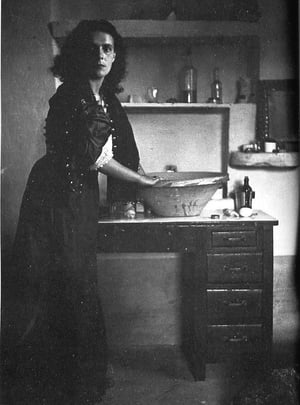
Cinema and painting establish a fluid dialogue and begins with introspection in the themes and forms of the plastic work of a woman tormented by the elongated specters, originating from her obsessions and nightmares.
85%
Algeria in Flames(ar)
1958-01-02
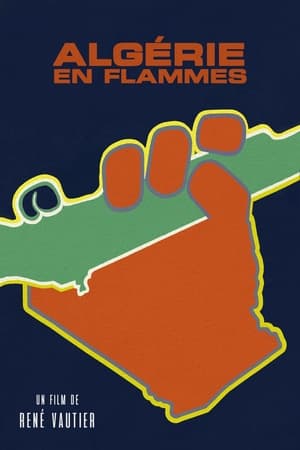
These are the first images shot in the ALN maquis, camera in hand, at the end of 1956 and in 1957. These war images taken in the Aurès-Nementchas are intended to be the basis of a dialogue between French and Algerians for peace in Algeria, by demonstrating the existence of an armed organization close to the people. Three versions of Algeria in Flames are produced: French, German and Arabic. From the end of the editing, the film circulates without any cuts throughout the world, except in France where the first screening takes place in the occupied Sorbonne in 1968. Certain images of the film have circulated and are found in films, in particular Algerian films. Because of the excitement caused by this film, he was forced to go into hiding for 25 months. After the declaration of independence, he founded the first Algerian Audiovisual Center.
77%
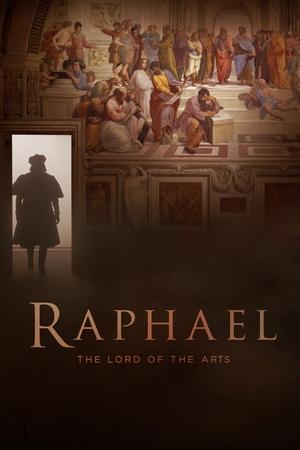
Raphael: The Lord of the Arts(it)
2017-04-03
Raphael: The Lord of the Arts is a documentary about the 15th century Italian Renaissance painter Raphael Sanzio.

0%
The Story Won't Die(en)
2021-04-29
THE STORY WON’T DIE, from Award-winning filmmaker David Henry Gerson, is an inspiring, timely look at a young generation of Syrian artists who use their work to protest and process what is currently the world’s largest and longest ongoing displacement of people since WWII. The film is produced by Sundance Award-winner Odessa Rae (Navalny). Rapper Abu Hajar, together with other creative personalities of the Syrian uprising, a post-Rock musician (Anas Maghrebi), members of the first all-female Syrian rock band (Bahila Hijazi + Lynn Mayya), break-dancer (Bboy Shadow), choreographer (Medhat Aldaabal), and visual artists (Tammam Azzam, Omar Imam + Diala Brisly), use their art to rise in revolution and endure in exile in this new documentary reflecting on a battle for peace, justice and freedom of expression. It is an uplifting and humanizing look at what it means to be a refugee in today’s world and offers inspiring and hopeful vantages on a creative response to the chaos of war.
72%
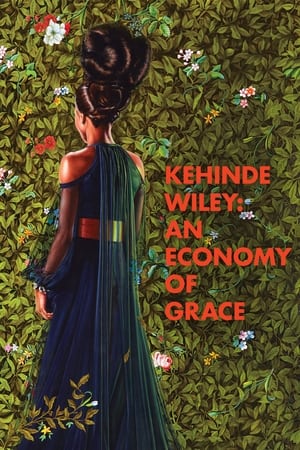
Kehinde Wiley: An Economy of Grace(en)
2014-09-05
Known for his vibrant reinterpretations of classical portraits featuring African-American men, New York-based painter Kehinde Wiley has turned the practice of portraiture on its head and in the process has taken the art world by storm.
73%
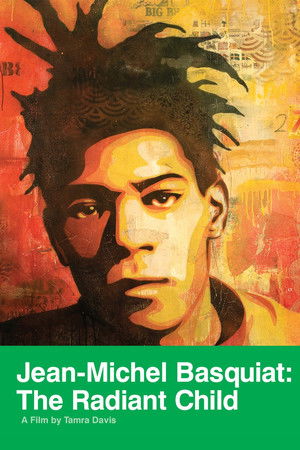
Jean-Michel Basquiat: The Radiant Child(en)
2010-01-25
A thoughtful portrait of a renowned artist, this documentary shines the spotlight on New York City painter Jean-Michel Basquiat. Featuring extensive interviews conducted by Basquiat's friend, filmmaker Tamra Davis, the production reveals how he dealt with being a black artist in a predominantly white field. The film also explores Basquiat's rise in the art world, which led to a close relationship with Andy Warhol, and looks at how the young painter coped with acclaim, scrutiny and fame.

80%
Un été à la Garoupe(fr)
2020-11-28
La Garoupe, a beach in Antibes, in 1937. For one summer, the painter and photographer Man Ray films his friends Pablo Picasso, Dora Maar, Paul Eluard and his wife Nusch, as well as Lee Miller. During these few weeks, love, friendship, poetry, photography and painting are still mixed in the carefree and the creativity specific to the artistic movements of the interwar period.