Loading Page


Ruhestörung(1967)
Status: Released
Date: 1967-01-01
53%
3 Votes
Time: 1h 10m
Overview:
The film chronicles the beginning of the student protest following the death of student Benno Ohnesorg in Berlin in June of 1967.
Languages: German.
Countries:
Germany
ProductionCompanies:
Hochschule für Gestaltung Ulm
Movie: Ruhestörung
HomePage
Overview
The film chronicles the beginning of the student protest following the death of student Benno Ohnesorg in Berlin in June of 1967.
Release Date
1967-01-01
Average
5.3
Rating:
2.6 startsTagline
Genres
Languages:
DeutschKeywords
Recommendations Movies

65%
Downloaded(en)
2013-06-20
A documentary that explores the downloading revolution; the kids that created it, the bands and the businesses that were affected by it, and its impact on the world at large.
70%
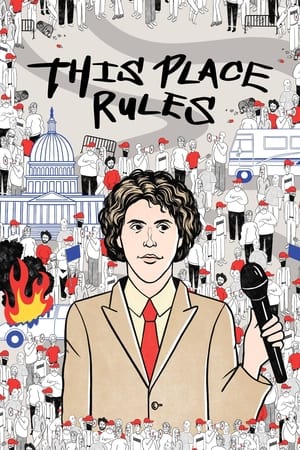
This Place Rules(en)
2022-12-30
Acclaimed for his unfiltered reporting and deadpan humor, Andrew Callaghan brings his gonzo style reporting to the undercurrents that led to the January 6 Capitol Riot. As one of the best-known and hardest working journalists of his generation, the 25-year-old ventures on a wild RV journey through America to take the pulse of a divided nation.
65%
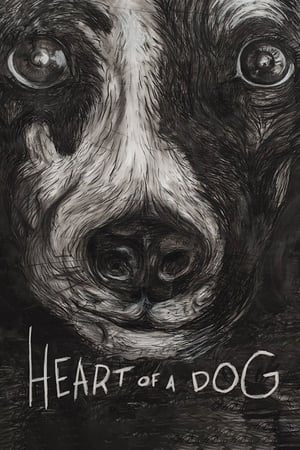
Heart of a Dog(en)
2015-10-21
Lyrical and powerfully personal essay film that reflects on the deaths of her husband Lou Reed, her mother, her beloved dog, and such diverse subjects as family memories, surveillance, and Buddhist teachings.
59%
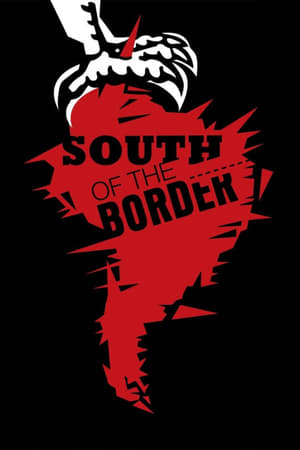
South of the Border(en)
2009-09-07
A road trip across five countries to explore the social and political movements as well as the mainstream media's misperception of South America while interviewing seven of its elected presidents.
67%
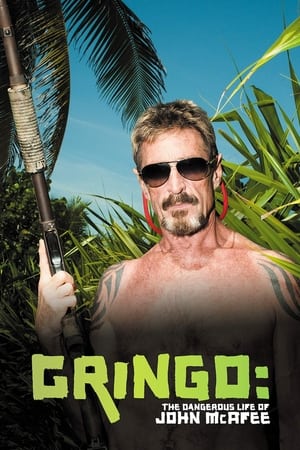
Gringo: The Dangerous Life of John McAfee(en)
2016-09-24
The strange story of John McAfee, who went from millionaire software mogul to yogi, Kurtz-like jungle recluse to potential murderer, and most recently a prospective presidential candidate for the American Libertarian Party.

61%
Naqoyqatsi(en)
2002-09-02
A visual montage portrait of our contemporary world dominated by globalized technology and violence.
67%
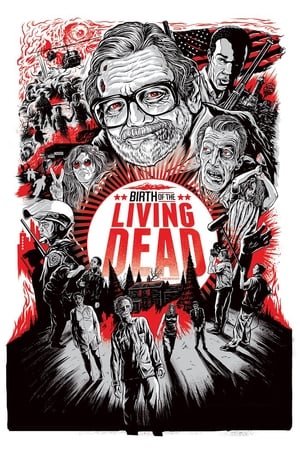
Birth of the Living Dead(en)
2013-10-18
A behind the scenes look into George Romero's groundbreaking horror classic Night of the Living Dead.
71%
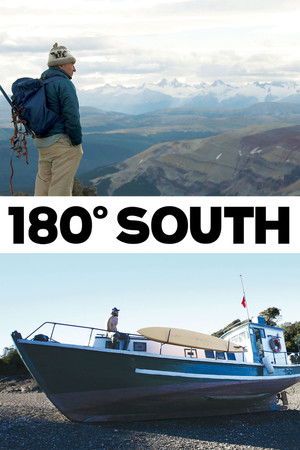
180° South(en)
2010-02-10
The film follows adventurer Jeff Johnson as he retraces the epic 1968 journey of his heroes Yvon Chouinard and Doug Tompkins to Patagonia.


69%
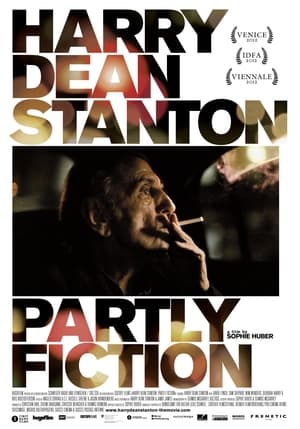
Harry Dean Stanton: Partly Fiction(en)
2013-09-11
An impressionistic portrait of the iconic actor Harry Dean Stanton comprised of intimate moments, film clips from some of his 250 films and his renditions of American folk songs.
62%
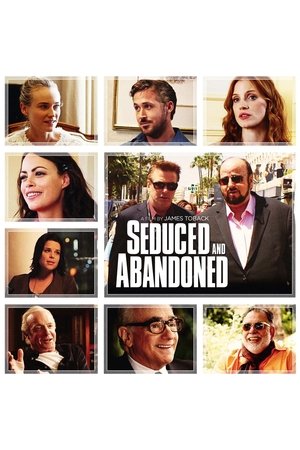
Seduced and Abandoned(en)
2013-05-20
SEDUCED AND ABANDONED combines acting legend Alec Baldwin with director James Toback as they lead us on a troublesome and often hilarious journey of raising financing for their next feature film. Moving from director to financier to star actor, the two players provide us with a unique look behind the curtain at the world's biggest and most glamourous film festival, shining a light on the bitter-sweet relationship filmmakers have with Cannes and the film business. Featuring insights from directors Martin Scorsese, 'Bernando Bertolucci' and Roman Polanski; actors Ryan Gosling and Jessica Chastain and a host of film distribution luminaries.
71%
Deliver Us from Evil(en)
2006-06-24
Documentary filmmaker Amy Berg investigates the life of 30-year pedophile Father Oliver O'Grady and exposes the corruption inside the Catholic Church that allowed him to abuse countless children. Victims' stories and a disturbing interview with O'Grady offer a view into the troubled mind of the spiritual leader who moved from parish to parish gaining trust ... all the while betraying so many.
65%
Capital in the Twenty-First Century(en)
2019-09-12
Film adaptation of French economist Thomas Piketty's ground-breaking global bestseller of the same name: an eye-opening journey through wealth and power.
79%
John Candy: I Like Me(en)
2025-09-04
Those who knew iconic funnyman John Candy best share his story, in their own words, through never-before-seen archival footage, imagery, and interviews.
79%
A Decade Under the Influence(en)
2003-04-25
A documentary examining the decade of the 1970s as a turning point in American cinema. Some of today's best filmmakers interview the influential directors of that time.
74%
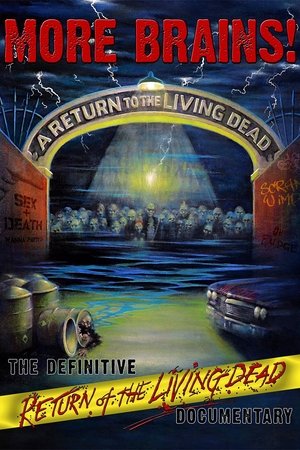
More Brains! A Return to the Living Dead(en)
2011-10-18
Retrospective documentary about the making of the horror cult classic "The Return of the Living Dead."
69%
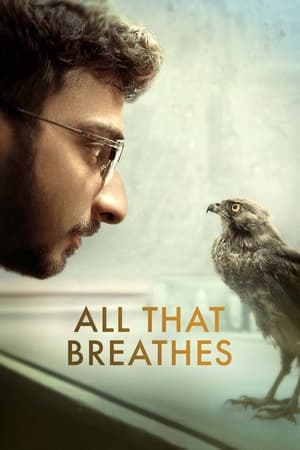
All That Breathes(en)
2022-10-21
Against the darkening backdrop of New Delhi's apocalyptic air and escalating violence, two brothers devote their lives to protecting one casualty of the turbulent times: the bird known as the black kite.
74%
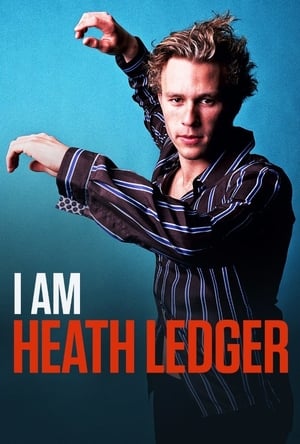
I Am Heath Ledger(en)
2017-04-23
The life and career of an actor, artist, and icon. His own journey through his own camera.
Similar Movies
73%
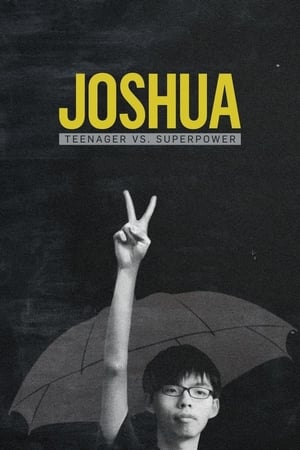
Joshua: Teenager vs. Superpower(en)
2017-01-20
When the Chinese Communist Party backtracks on its promise of autonomy to Hong Kong, teenager Joshua Wong decides to save his city. Rallying thousands of kids to skip school and occupy the streets, Joshua becomes an unlikely leader in Hong Kong and one of China’s most notorious dissidents.
75%
A Night of Knowing Nothing(bn)
2022-04-13
L, a student in India witness to the government's violent response to university protests, writes letters to her estranged lover while he is away.
0%
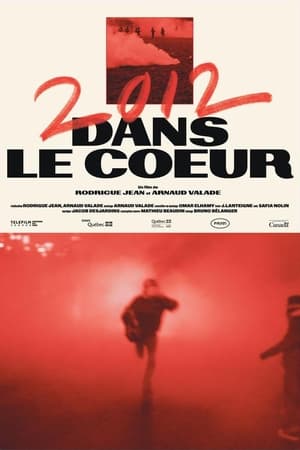
2012/Through the heart(fr)
2023-03-31
What remains of the 2012 Quebec student protests? Little has changed in the decade that ensued. Rodrigue Jean and Arnaud Valade exhume images of the battles, recorded live and relayed through the mass media, that flared up as anger and indignation went head-to-head with the rhetoric of power. Against these divisive images, the filmmakers overlay a historical perspective of the state and its police in Montreal, Quebec and Canada, delving into the roots of sanctioned violence. Their compelling glance at the past is, of course, a cry that continues to echo in the present day. While the voices have been silenced, revolt still brews. All it takes is a spark...
0%
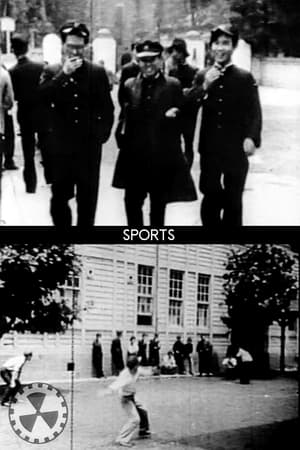
Sports(ja)
1932-07-15
The film is about a protest provoked when the university decided to restrict access to sports facilities to athletes, cutting out all other students. This is, strictly speaking, not a Prokino film. It was produced by the Waseda University Film Circle, which was organized by Kawazoe Shiro. Feature film directors Yamamoto Satsuo and Taniguchi Senkichi were apparently students at Waseda at the time and participated in the production.

82%
Deaf President Now!(en)
2025-01-28
Discover the story of the greatest civil rights movement most people have never heard about. During eight tumultuous days in 1988 at the world's only Deaf university, four students must find a way to lead a revolution—and change the course of history.
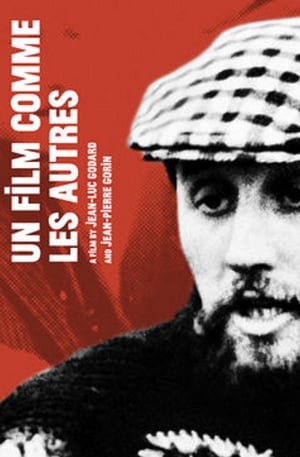
67%
A Film Like Any Other(fr)
1968-09-30
An analysis of the social upheaval of May 1968, made in the immediate wake of the workers’ and students’ protests. The picture consists of two parts, each with with identical image tracks, and differing narration.
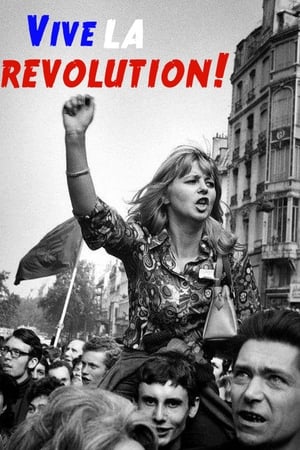
0%
Vive la Revolution! Joan Bakewell on May '68(en)
2018-05-09
In 1968 Joan Bakewell was one of the few female TV presenters, fronting the BBC's Late Night Line-Up and addressing daily the most pressing issues of the time. In this film she looks back at the events that led to what for many became the defining event of that extraordinarily turbulent year - the protests in France in May. While the rest of the world was in turmoil, with the Vietnam War causing increasing dissent, the Civil Rights movement growing in intensity and young people finding new ways of expressing themselves, as 1968 began it seemed to France's president, General de Gaulle, that his country was immune to the kind of protest sweeping the rest of the world.
60%
Brink of Disaster!(en)
1972-01-01
A student is held up in the library while a riot rages outside. As SDS protesters head to burn the library down, he has to fend them off with his baseball bat. This film opens with actual footage of civil disturbances in the 1960s, and moves on to images of historical American figures.
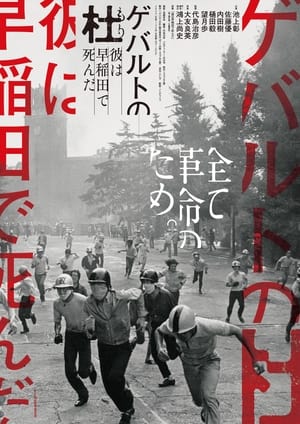
0%
Gewalt no Mori - Kare ha Waseda de shinda(ja)
2024-05-25
A documentary about the end of the student movement in 1972 and the lynching of Daizaburo Kawaguchi, a student at Waseda University. The documentary interweaves testimonies from japanese intellectuals and a short play, written and directed by Shôji Kôkami, about the murder.
0%
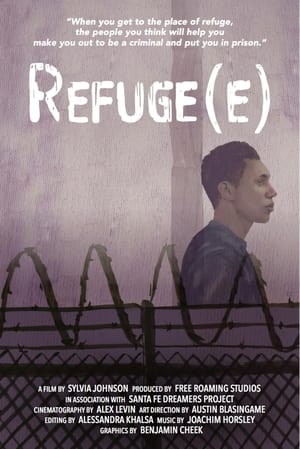
Refuge(e)(en)
2019-03-14
Refuge(e) traces the incredible journey of two refugees, Alpha and Zeferino. Each fled violent threats to their lives in their home countries and presented themselves at the US border asking for political asylum, only to be incarcerated in a for-profit prison for months on end without having committed any crime. Thousands more like them can't tell their stories.

0%
Occupation(en)
1970-01-01
Students seeking greater control over the hiring of faculty occupy the offices of the Political Science Department at McGill University. The film crew lives with the students and follows their action through confusion, argument, dissent, and negotiations with faculty. The result is an intimate view of a student political action.
69%
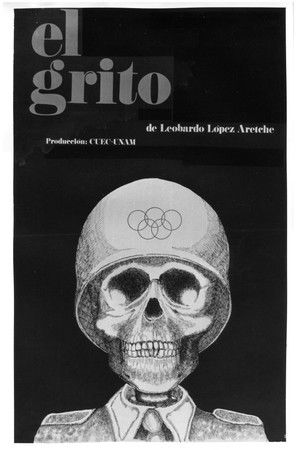
The Shout(es)
1968-12-12
In the summer of revolt 1968, student Leobardo López Aretche captured the protests in Mexico City, and the state’s brutal response, up close – and like many of his subjects and fellow comrades, would pay a high price for his audacity. Fifty years later, his movie is no longer a secret.
80%
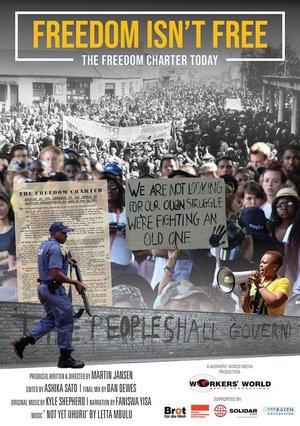
Freedom Isn't Free — The Freedom Charter Today(en)
2018-06-02
Since its adoption in June 1955 by the Congress movement, the Freedom Charter has been the key political document that acted as a beacon and source of inspiration in the liberation struggle against Apartheid. It was reputedly the main source that informed democratic South Africa’s liberal constitution and a constant reference point for the ruling African National Congress (ANC) and rival political parties that it spawned since 1994, all claiming the Freedom Charter’s legacy. Freedom Isn’t Free assesses the history and role of the charter, especially in relation to key political and socio-economic aspects of developments in South Africa up to the present period. It includes rare archival footage with interviews of a cross-section of outspoken influential South Africans.

60%
The Columbia Revolt (Newsreel #14)(en)
1968-10-01
In April 1968, black and white students rebelled against the university administration, occupying five buildings, including the president's office in one of the first campus revolts of the Civil Rights/Vietnam War era. The revolt began as a protest against university expansion into neighboring communities and its role as a slum lord. After five days of student control, the administrators and trustees ordered the police to clear the buildings. What resulted was an unprecedented display of brutality and repression. Narrated by one of the student rebels, the detailed eyewitness account of this event galvanized other campus revolts around the country.
0%
Tragedy or Hope(en)
1972-01-01
Contrasting radical mobs, anarchy, and 1960s counterculture with footage of American manufacturing and innovation, this film celebrates the concept of American exceptionalism and argues that anti-Vietnam War protesters were influenced by communism, atheism, and immorality. Set mostly in a university library, this political debate between a medical student, his 1770s ancestor, and a history professor is a sequel to the 1972 National Education Program film, Brink of Disaster! Two additional characters appear in this drama: a 19th-century steamboat captain, and the student’s grandfather - an early 20th-century automobile worker. The National Education Program at Harding College in Searcy, Arkansas created a variety of widely-distributed anti-communism films from the mid-1940s to the early 1970s.
70%
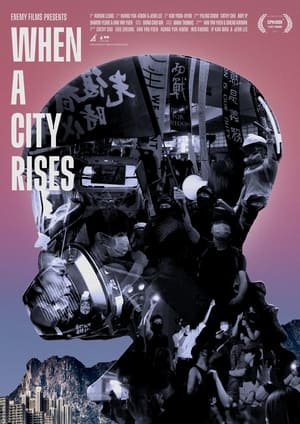
When a City Rises(cn)
2021-04-23
Behind the gas masks of Hong Kong’s democracy movement, the often very young activists are just as diverse as the youths of the rest of the world. But they share a demand for democracy and freedom. They have the will and the courage to fight – and they can see that things are going in the wrong direction in the small island city, which officially has autonomy under China but is now tightening its grip and demanding that ‘troublemakers’ be put away or silenced. Amid the violent protests, we meet a 21-year-old student, a teenage couple and a new father.

0%
Road Not Taken(zh)
2016-12-10
After the failed Umbrella Revolution in 2014, lives go back to normal, but the scenes of the great protest are like yesterday for Billy and Popsy, students in the University of Hong Kong who took part in the movement. One of them now becomes a student leader, while the other chooses a low-profile life as a private tutor. Amid the rapid social changes, when the Communist Beijing government is extending their influence to Hong Kong to take away the freedom and democracy, how would the youths see their future? Do they still see hopes, when both peaceful protests and radical actions seem to be futile?