Loading Page

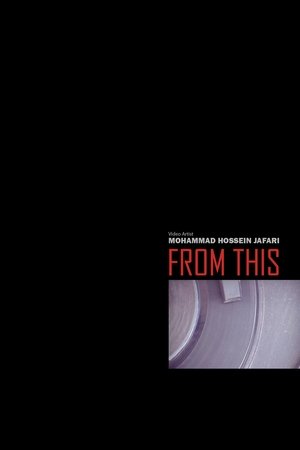
From This(2010)
Status: Released
Date: 2010-09-25
0%
0 Votes
Overview:
“From This” is a permanent cycle. This video intended to be timeless in its original action plan, to be played constantly in a particular place, with a TV, a player and a power generator.
Languages:
Countries:
Movie: From This
HomePage
Overview
“From This” is a permanent cycle. This video intended to be timeless in its original action plan, to be played constantly in a particular place, with a TV, a player and a power generator.
Release Date
2010-09-25
Average
0
Rating:
0.0 startsTagline
Genres
Languages:
Keywords
Recommendations Movies

68%
Looking for Richard(en)
1996-10-11
Al Pacino's deeply-felt rumination on Shakespeare's significance and relevance to the modern world through interviews and an in-depth analysis of "Richard III."
65%
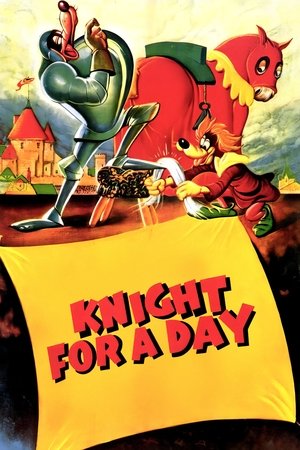
A Knight for a Day(en)
1946-03-08
By accident, Cedric (Goofy), replaces his master, Sir Loinsteak, in the armor just before the joust with champion Sir Cumference.
75%
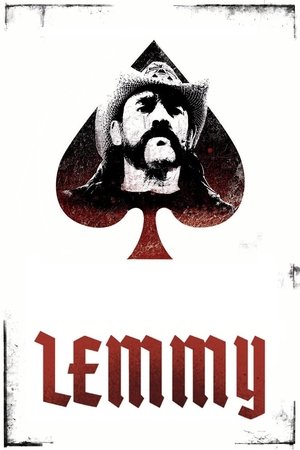
Lemmy(en)
2010-03-15
Over four decades, Motorhead frontman Lemmy Kilmister has registered an immeasurable impact on music history. Nearly 65, he remains the living embodiment of the rock and roll lifestyle, and this feature-length documentary tells his story, one of a hard-living rock icon who continues to enjoy the life of a man half his age.
60%
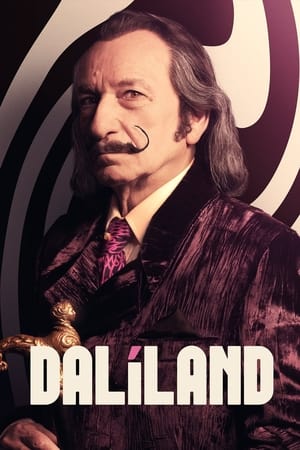
Dalíland(en)
2022-09-29
In 1973, a young gallery assistant goes on a wild adventure behind the scenes as he helps aging genius Salvador Dali prepare for a big show in New York.
61%
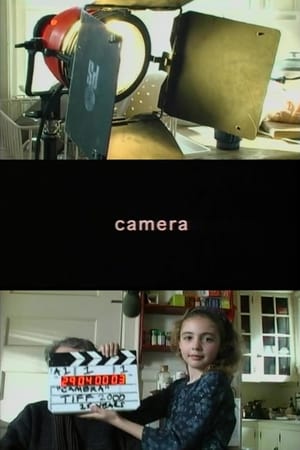
Camera(en)
2000-09-01
While a veteran actor laments the state of film and film acting, a group of young children sneak a Panavision camera into the apartment where the actor resides and decide to make a film with it.
70%
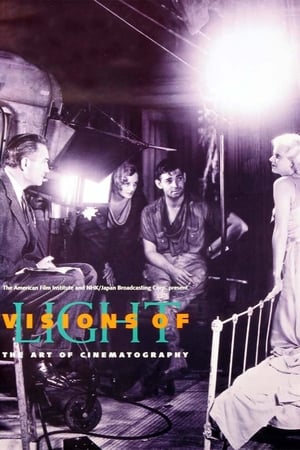
Visions of Light(en)
1992-09-17
Cameramen and women discuss the craft and art of cinematography and of the "DP" (the director of photography), illustrating their points with clips from 100 films, from Birth of a Nation to Do the Right Thing. Themes: the DP tells people where to look; changes in movies (the arrival of sound, color, and wide screens) required creative responses from DPs; and, these artisans constantly invent new equipment and try new things, with wonderful results. The narration takes us through the identifiable studio styles of the 30s, the emergence of noir, the New York look, and the impact of Europeans. Citizen Kane, The Conformist, and Gordon Willis get special attention.
84%
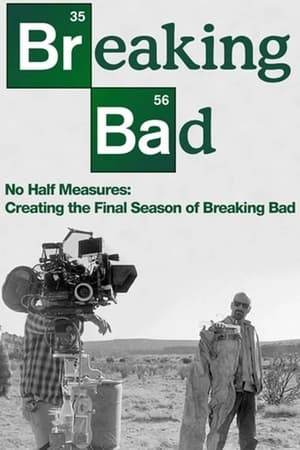
No Half Measures: Creating the Final Season of Breaking Bad(en)
2013-11-26
A documentary about the making of season five of the acclaimed AMC series Breaking Bad.
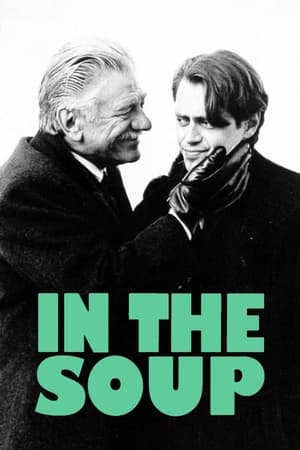
67%
In the Soup(en)
1992-10-23
An aspiring young filmmaker gets involved with an eccentric gangster for the financing of his first film.
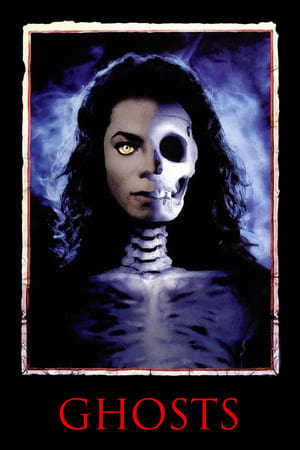
80%
Ghosts(en)
1997-09-04
In the town of Normal Valley, an eccentric magician named Maestro entertains the local children every day in his spooky mansion. One stormy night, the town's mayor leads a group of angry citizens to the mansion in an attempt to run Maestro out of town.
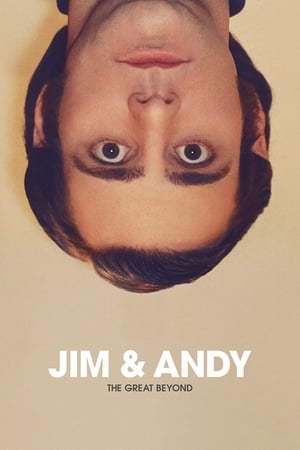
75%
Jim & Andy: The Great Beyond(en)
2017-09-05
Offbeat documentarian Chris Smith provides a behind-the-scenes look at how Jim Carrey adopted the persona of idiosyncratic comedian Andy Kaufman on the set of Man on the Moon.
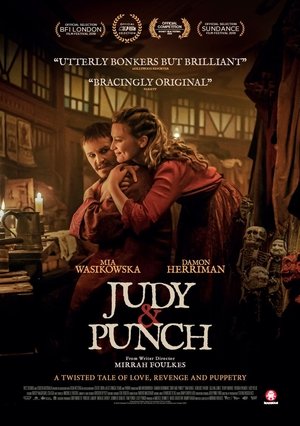
61%
Judy & Punch(en)
2019-11-21
In the anarchic town of Seaside, nowhere near the sea, puppeteers Judy and Punch are trying to resurrect their marionette show. The show is a hit due to Judy's superior puppeteering but Punch's driving ambition and penchant for whisky lead to an inevitable tragedy that Judy must avenge.
86%
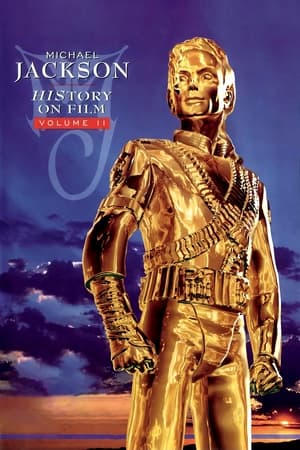
HIStory on Film, Volume II(en)
1997-05-20
Nearly 2 hours of the short films that made HIStory... Including never before released short films.
63%
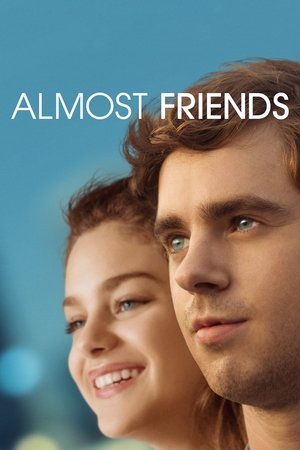
Almost Friends(en)
2017-11-17
A man in his mid-20s, still living at home with his mother and stepfather, puts all his eggs in one basket: the girl who works at his local coffee shop. The problem is, she has a serious boyfriend. As they become closer, the line between friendship and intimacy is blurred, and the situation forces both to examine where they are in their lives.
63%
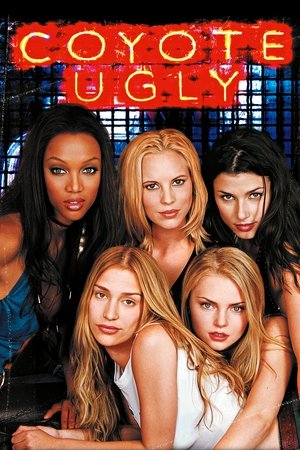
Coyote Ugly(en)
2000-07-30
Graced with a velvet voice, 21-year-old Violet Sanford heads to New York to pursue her dream of becoming a songwriter only to find her aspirations sidelined by the accolades and notoriety she receives at her "day" job as a barmaid at Coyote Ugly. The "Coyotes" as they are affectionately called tantalize customers and the media alike with their outrageous antics, making Coyote Ugly the watering hole for guys on the prowl.
68%
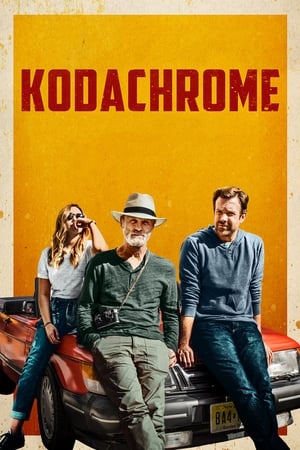
Kodachrome(en)
2017-09-08
Matt Ryder is convinced to drive his estranged and dying father Benjamin Ryder cross country to deliver four old rolls of Kodachrome film to the last lab in the world that can develop them before it shuts down for good. Along with Ben's nurse Zooey, the three navigate a world changing from analogue to digital while trying to put the past behind them.
64%
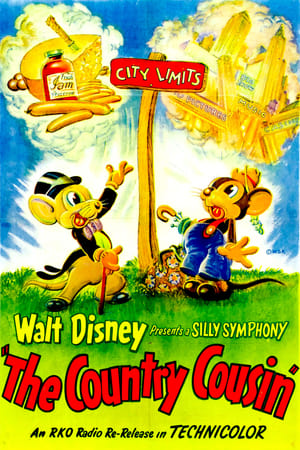
The Country Cousin(en)
1936-10-31
Monty Citymouse invites his cousin Abner Countrymouse for a visit and shows him the ways of the big city, including traps, eating quietly, and busy traffic.


72%
A Royal Runaway Romance(en)
2022-04-09
Princess Amelia of Bundbury travels across America to explore a budding romance with an artist, only to fall in love with her bodyguard, Grady.
60%
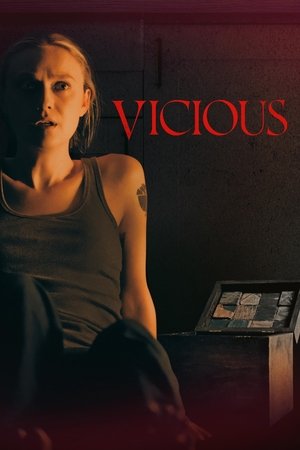
Vicious(en)
2025-08-06
When Polly receives a mysterious box, it comes with one rule: place inside something she needs, something she hates, and something she loves. If she doesn’t obey, it will consume everything—and everyone—she’s ever known.
Similar Movies

0%
The Thomas Henry Experience(en)
2023-03-16
A vlogger whose life is seemingly controlled by an unknown presence begins to spiral as he falls further into surrealism and imaginary worlds.
0%
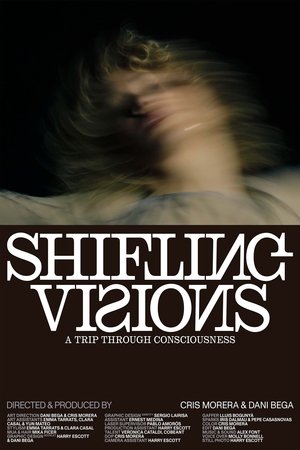
SHIFTING VISIONS(en)
2022-07-24
SHIFTING VISIONS is a video essay that revolves around the transition between the different stages of human consciousness. From the most intense state of full attention to the most abstract and dreamlike state, passing through all its nuances. We know that the mind remains a mystery to science, but, through combining neuroscientific theory and personal perceptions, we represent these mental dynamics transferred to images, sounds and metaphors. We thoroughly analyse each of these stages to translate concepts and create audiovisual imaginaries through symbolic mental limbos. A piece that drags the viewer on an inner journey to their own lucidity.
70%
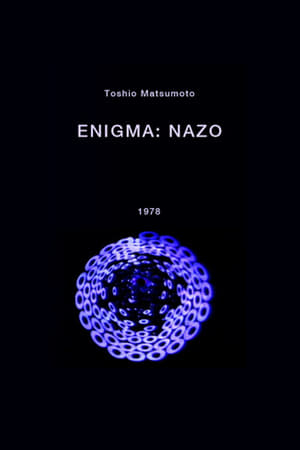
Enigma: Nazo(ja)
1978-07-12
Enigma is something of a more glamorous version of White Hole, with a wide variety of elaborate textures (often composed of iconographic and religious symbols) converging towards the centre of the screen.
73%
Ki or Breathing(ja)
1980-07-11
'Ki or Breathing' is a spare concoction assembled from slow motion shots of nature and set to a score by the much-acclaimed Tohru Takemitsu.
0%
How to Live Together(en)
2025-10-09
Six roommates share a cramped four bedroom apartment. One moves out. Another moves in. In the process, the precarious balance of their routines is comically disrupted.
0%
Nova the Film(en)
2011-03-18
An inspiring 75min DIY documentary film on new art and the young artists behind it. It was all filmed on the heat of live action of the first NOVA Contemporary Culture Festival, July and August 2010 in São Paulo, Brazil.
10%
Chinese Characters(en)
1986-01-01
Best known for his work in video, Richard Fung has made the politics of gender, ethnicity, and sexual orientation his central focus. Chinese Characters (1986) examines the ambiguous relationship of gay Asian men with white gay porn.

0%
Several Ways to Please Valya(ru)
2001-01-25
Vickie and Zhenya are identical twins in the process of transitioning. They live in the small city of Norilsk in the far north of Russia. Their entire life is condensed into the space of their small room. The film is constructed as a methodological manual for the creation and arrangement of a living space, and the placement of various objects there. The room of Vickie and Zhenya is examined as an ideal example of the intimate private space capable of authentically reflecting its hostess. The film is based on a video-letter that Vickie and Zhenya sent to their friend Valya. Vickie and Zhenya got to know Valya at the clinic where they underwent their sex reassignment. Since then, Valya has been their constant—though invisible—witness of their life. They report to Valya on all the changes they go through in the process of their transfiguration into Beautiful Ladies.
0%
Projections(en)
1993-11-29
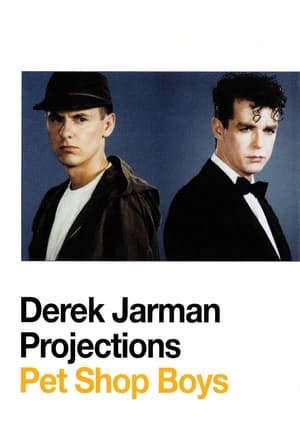
The innovative and influential British filmmaker Derek Jarman was invited to direct the Pet Shop Boys' 1989 tour. This film is a series of iconoclastic images he created for the background projections. Stunning, specially shot sequences (featuring actors, the Pet Shop Boys, and friends of Jarman) contrast with documentary montages of nature, all skillfully edited to music tracks.
60%
Grid(pt)
2021-10-22
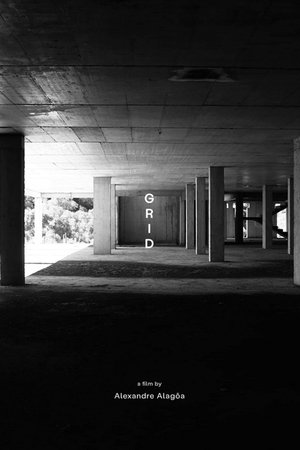
A ritual of grids, reflections and chasms; a complete state of entropy; a space that devours itself; a vertigo that destroys the gravity of the Earth; a trap that captures us inside the voids of the screen of light: «That blank arena wherein converge at once the hundred spaces» (Hollis Frampton).

100%
White Homeland Commando(en)
1993-03-04
White Homeland Commando takes the familiar terrain of network action drama and tilts the playing field. Reminiscent of today's popular reality-based cop shows, White Homeland Commando offers a straightforward story: four members of a special police unit investigate and infiltrate a New York-based white supremacist organization. But that is where the commonplace ends. The teleplay is shot and edited in a highly textured visual style, the colors are subdued yet somehow garish, and the sound is deliberately just out of sync with the speaker's lips. Occasional static combines with jumps in the plot — the editing is reminiscent of a television viewer flipping channels.

100%
Temporally(en)
2020-09-20
TEMPORALLY tells the story of an Italian thunderstorm through the eyes of a Japanese painter. The lightning itself fusions with its environment and creates a hypnotic point of view. The sound in the video was recorded on the occasion of the exceptionally high water alert in Venice, Italy. The alarm is composed of two parts. The first was the sirene in use under bombardments during WW2, whereas the second is designed by the University of Venice and should be heard during all the sleep phases, yet not causing any panic. The images themselves were shot during multiple thunderstorms in the mountains between Lake Lugano and Lake Como. So, an interplay of salt and sweet water. Furthermore, the title TEMPORALLY is a combination of the Italian word for storm "temporale", and the word for atmospheric weather "tempo" which in English means rhythm and rally, thus a race of lightning, in the end, following in a recovery.
0%
How to Smile for More Than Five Seconds(es)
2022-03-08
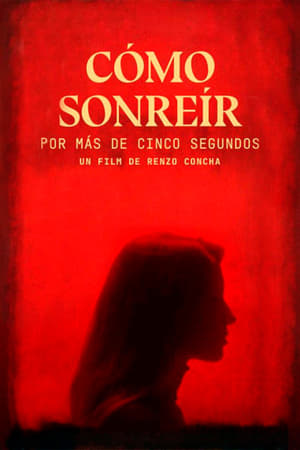
A tutorial about guided meditation. Throughout the project, the spectator is invited to follow a series of steps that, if done well, will take them to a calm and tranquility state.
0%
FUCK TV(en)
2019-08-09
After concluding the now-legendary public access TV series, The Pain Factory, Michael Nine embarked on a new and more subversive public access endeavor: a collaboration with Scott Arford called Fuck TV. Whereas The Pain Factory predominantly revolved around experimental music performances, Fuck TV was a comprehensive and experiential audio-visual presentation. Aired to a passive and unsuspecting audience on San Francisco’s public access channel from 1997 to 1998, each episode of Fuck TV was dedicated to a specific topic, combining video collage and cut-up techniques set to a harsh electronic soundtrack. The resultant overload of processed imagery and visceral sound was unlike anything presented on television before or since. EPISODES: Yule Bible, Cults, Riots, Animals, Executions, Static, Media, Haterella (edited version), Self Annihilation Live, Electricity.
100%
Technicolor Dream(en)
2017-01-08
TECHNICOLOR DREAM is a video art of vivid imagery and symbolic scenarios. It is a portrayal of passion,agony,memories and melancholy through unorthodox fusion of sight and sound.
65%
Melody(en)
1971-12-22
Although Gainsbourg and Birkin had appeared in a string of films since their magnetic collision in Pierre Grimblat’s Slogan, Melody was a bit of diversion from their collaborations since it’s a series of interwoven videos inspired by the Gainsbourgalbum. For '71 it’s a novel concept to bring visual life to an LP, but even more surprising are the short film’s amazing visuals that director Averty crafted using a wealth of video filters, overlays, camera movements and chroma key effects. Averty applies these in tandem with the increasing tone of Gainsbourg’s songs, which more or less chronicle an older man's affair with a young girl. Each song is comprised of steady, sometimes brooding poetic delivery, with refrains timed to the phrase repeats of each song, while Alan Parker’s buzzing guitar accompanies and wiggles around Gainsbourg’s resonant voice. The bass is fat and groovy, the drums easy but steady, and the periodic use of strings or rich vibrato makes this short a sultry little gem.
0%
The death of the minotavr(en)
2022-09-30
The death of the minotavr talks about the concept of the heroine's journey. Suffering, horror and exhaustion lead the protagonist to a process of transformation, abyss and expiation, because only murdering to minotaur and everything he represents is possible to return to life. From the female gaze, it shows the depth of the emotional wounds caused by domestic violence; the same one that the surrealist Dora Maar lived and that ask why, as a society, instead of killing the minotaur, we blindly continue to send him women only to be devoured and ask them why they simply did not fight, why they did not try get out of the labyrinth.
81%
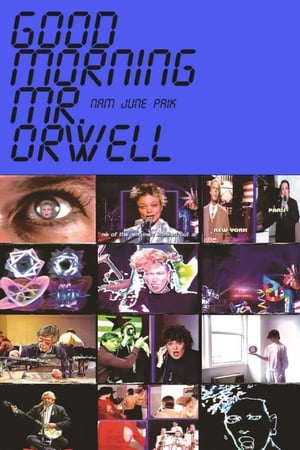
Good Morning, Mr. Orwell(en)
1984-01-01
In his book "1984", George Orwell saw the television of the future as a control instrument in the hands of Big Brother. Right at the start of the much-anticipated Orwellian year, Paik and Co. were keen to demonstrate satellite TV's ability to serve positive ends-- Namely, the intercontinental exchange of culture, combining both highbrow and entertainment elements. A live broadcast shared between WNET TV in New York and the Centre Pompidou in Paris, linked up with broadcasters in Germany and South Korea, reached a worldwide audience of over 10 or even 25 million (including the later repeat transmissions).
100%
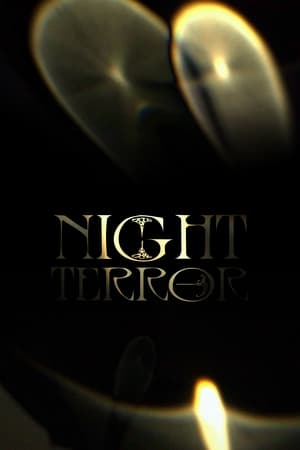
Night Terror(en)
2021-07-02
Strange things occur tonight whether the paranormal phenomenon is the invisible invasion of aliens from outer space or light flashes of another dimension? We will never know. Are we alone or may we encounter extraterrestrial species that are coming at night to conquer our dreams, our body and mind? What are you afraid of?