
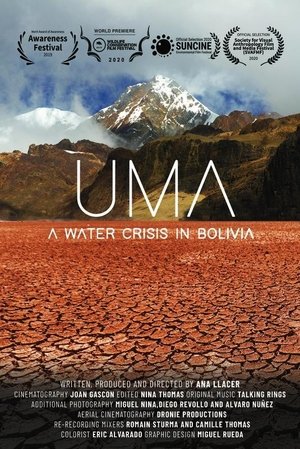
Uma: A Water Crisis in Bolivia(2020)
Andean communities fight to protect their water from contamination by mining companies.
Movie: Uma: A Water Crisis in Bolivia
HomePage
Overview
Andean communities fight to protect their water from contamination by mining companies.
Release Date
2020-01-01
Average
0
Rating:
0.0 startsTagline
Genres
Languages:
Keywords
Similar Movies
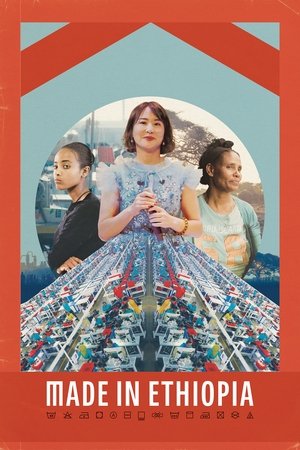
Made in Ethiopia(am)
When a massive Chinese factory complex attempts a high-stakes expansion in rural Ethiopia, three women in search of prosperity have their faith in industrialization tested to the limit. Filmed over four years with singular access, Made in Ethiopia lifts the curtain on China’s historic but misunderstood impact on Africa, and explores contemporary Ethiopia at a moment of profound crisis. The film was awarded the Jury Special Mention at Tribeca Festival.
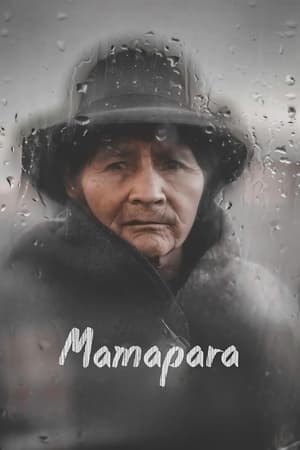
Mother River(es)
In a remote Peruvian city, lives Honorata Vilca, an illiterate woman of Quechua descent who sells candies more than 20 years ago, with the rain will cry to the sky itself.

Red Girl Rising(en)
Joyce Jonathan Crone—Mohawk matriarch, retired teacher, activist, humanitarian—reaches forward into her community of Huntsville, Ontario, opening hearts and bridging gaps for Indigenous education.
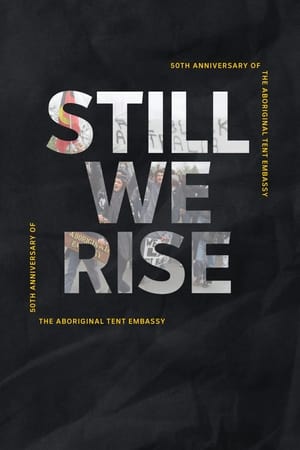
Still We Rise(en)
50 years on, the Aboriginal Tent Embassy is the oldest continuing protest occupation site in the world. Taking a fresh lens this is a bold dive into a year of protest and revolutionary change for First Nations people.
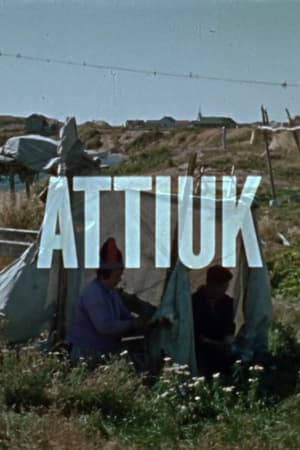
Attiuk(fr)
The people of Unamenshipu (La Romaine), an Innu community in the Côte-Nord region of Quebec, are seen but not heard in this richly detailed documentary about the rituals surrounding an Innu caribou hunt. Released in 1960, it’s one of 13 titles in Au Pays de Neufve-France, a series of poetic documentary shorts about life along the St. Lawrence River. Off-camera narration, written by Pierre Perrault, frames the Innu participants through an ethnographic lens. Co-directed by René Bonnière and Perrault, a founding figure of Quebec’s direct cinema movement.
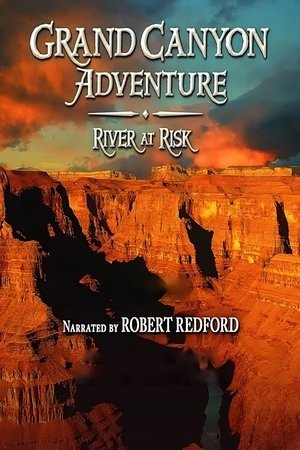
Grand Canyon Adventure: River at Risk(en)
A documentary about a 15-day river-rafting trip on the Colorado River aimed at highlighting water conservation issues.

Lost Songs of Sundari(mr)
In Mumbai, once an island city linked by the sea, modern bridges and land reclamation have reshaped the landscape, disrupting the lives of its original communities.

Tawai: A Voice from the Forest(en)
Explorer Bruce Parry visits nomadic tribes in Borneo and the Amazon in hope to better understand humanity's changing relationship with the world around us.

Yanuni(en)
Indigenous chief Juma Xipaia fights to protect tribal lands despite assassination attempts. Her struggle intensifies after learning she's pregnant, while her husband, Special Forces ranger Hugo Loss, stands by her side.
Tokyo Ainu(ja)
TOKYO Ainu features the Ainu, an indigenous people of Japan, living in Greater Tokyo (Tokyo and its surrounding areas), who are and actively in promoting their traditional culture in a metropolitan environment away from their traditional homeland, Hokkaido. Shedding a common assumption that all Ainu live in Hokkaido, the film captures the feelings, thoughts and aspirations of Ainu people that who try to follow the Ainu way no matter where they live.
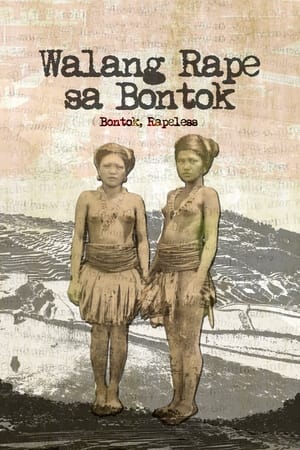
Bontok, Rapeless(tl)
Two Filipina victims of sexual abuse search the truth behind the finding of a renowned anthropologist: that merely a few generations ago, the Bontok Igorot lived in what seems an unthinkable utopia—a rape-less society.
Des Rives(fr)

Revealed: How to Poison a Planet(en)
A searing examination of the contamination that sparked an international catastrophe and the decades’ long battle with some of the world’s largest chemical companies for justice and compensation.
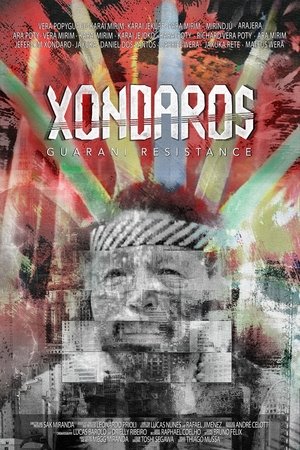
Xondaros - Guarani Resistance(gn)
The 6 Guarani villages of Jaraguá, in São Paulo, fight for land rights, for human rights and for the preservation of nature. They suffer from the proximity to the city, which brings lack of resources, pollution of rivers and springs, racism, police violence, fires, lack of infrastructure and sanitation, among others. Unable to live like their ancestors, their millenary culture is lost as it merges with the urban culture.
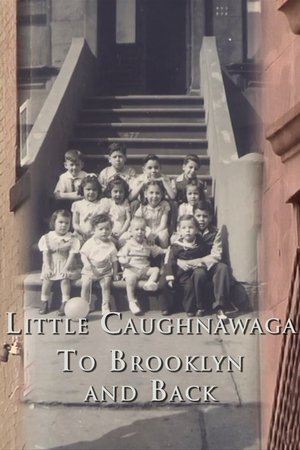
Little Caughnawaga: To Brooklyn and Back(en)
For over 50 years, the Kahnawake Mohawks, of Quebec, Canada occupied a 10 square block area in the North Gowanus section of Brooklyn, which became known as Little Caughnawaga. The men, skilled ironworkers, came to New York in search of work and brought their wives, children and often, extended family with them. The story of the Mohawk ironworkers is an important one and is one that has been told and continues to be told through documentaries, newspaper and magazine articles. Yet the stories of Kahnawake Mohawk women who lived in Brooklyn have gone untold.