Loading Page
Locked-Up Time(1991)
Status: Released
Date: 1991-04-04
54%
5 Votes
Time: 1h 34m
Overview:
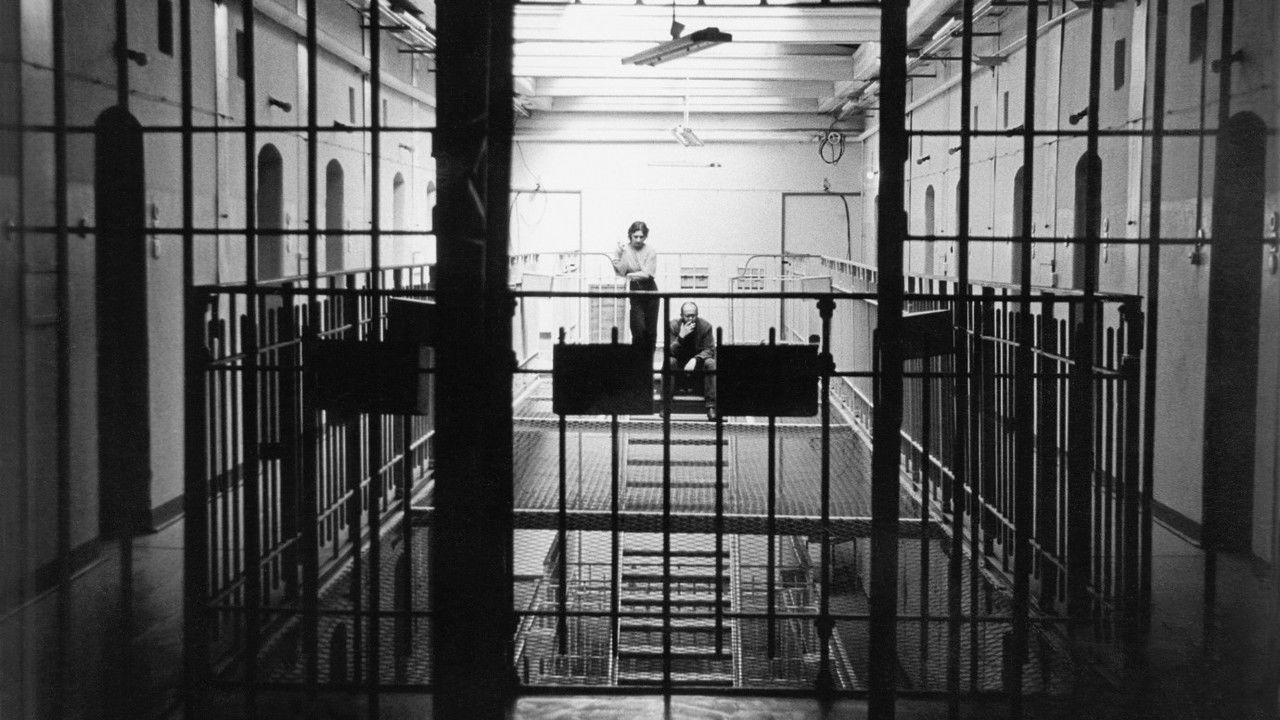
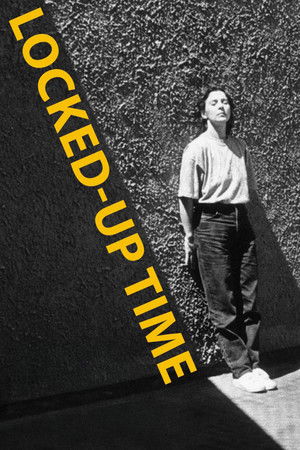
Filmmaker Sibylle Schoenemann, imprisoned by the GDR in 1984, was released to the FRG after having West Germany literally buy her freedom. In 1990 she went back and questioned those responsible.
Languages: German.
Countries:
Germany
Movie: Locked-Up Time
Top 1 Billed Cast
Video Trailer Locked-Up Time
Loading Photos
Photo Type :Total items
Recommendations Movies
69%
Triumph of the Will(de)
1935-03-28
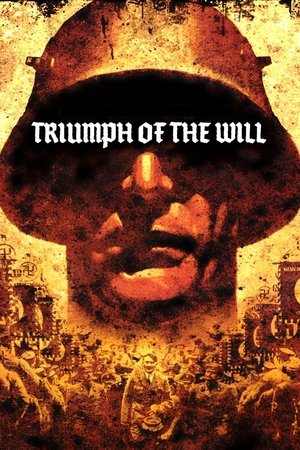
A showcase of German chancellor and Nazi Party leader Adolf Hitler at the 1934 Nuremberg Rally.


76%
Night Will Fall(en)
2014-06-07
When Allied forces liberated the Nazi concentration camps in 1944-45, their terrible discoveries were recorded by army and newsreel cameramen, revealing for the first time the full horror of what had happened. Making use of British, Soviet and American footage, the Ministry of Information’s Sidney Bernstein (later founder of Granada Television) aimed to create a documentary that would provide lasting, undeniable evidence of the Nazis’ unspeakable crimes. He commissioned a wealth of British talent, including editor Stewart McAllister, writer and future cabinet minister Richard Crossman – and, as treatment advisor, his friend Alfred Hitchcock. Yet, despite initial support from the British and US Governments, the film was shelved, and only now, 70 years on, has it been restored and completed by Imperial War Museums under its original title "German Concentration Camps Factual Survey".
67%
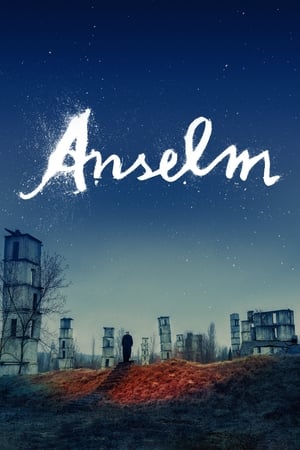
Anselm(de)
2023-10-12
This unique cinematic experience dives deep into an artist’s work and reveals his life path, inspiration, and creative process. It explores his fascination with myth and history. Past and present are interwoven to diffuse the line between film and painting, allowing the audience to be completely immersed in the remarkable world of one of the greatest contemporary artists, Anselm Kiefer. Wim Wenders shot this unique portrait over the course of two years in stunning 3D.
62%
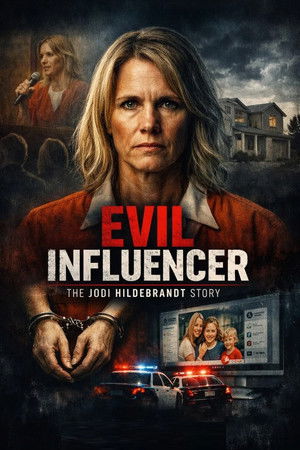
Evil Influencer: The Jodi Hildebrandt Story(en)
2025-12-30
Unravel the case of Utah therapist Jodi Hildebrandt, whose child abuse arrest with parenting YouTuber Ruby Franke exposed a twisted tale of manipulation.
75%
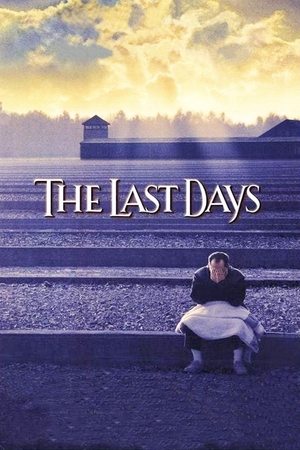
The Last Days(en)
1998-10-23
Five Jewish Hungarians, now US citizens, tell their stories: before March 1944, when Nazis began to exterminate Hungarian Jews, months in concentration camps, and visiting childhood homes more than 50 years later. An historian, a Sonderkommando, a doctor who experimented on Auschwitz prisoners, and US soldiers who were part of the liberation in April 1945.
70%
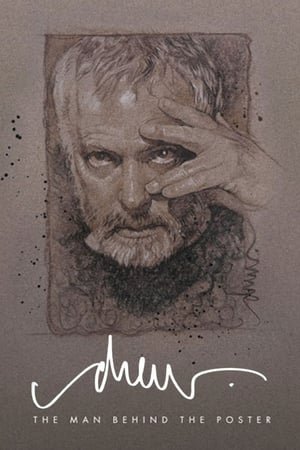
Drew: The Man Behind the Poster(en)
2013-07-19
A documentary on legendary movie-poster artist Drew Struzan.

79%
John Candy: I Like Me(en)
2025-09-04
Those who knew iconic funnyman John Candy best share his story, in their own words, through never-before-seen archival footage, imagery, and interviews.
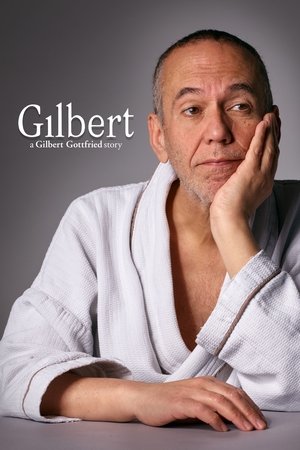
67%
Gilbert(en)
2017-04-20
The life and career of one of comedy's most inimitable modern voices, Mr. Gilbert Gottfried.

61%
Killing for Love(de)
2016-10-27
Derek and Nancy Haysom were brutally murdered in their house in Lynchburg, Virginia, on March 30, 1985. Suspicion fell on their daughter Elizabeth and her boyfriend Jens Söring. They flee to Europe, but are caught and extradited to the U.S. Elizabeth is sentenced to 90 years in jail for incitement to murder, Jens Söring to two life sentences. Karin Steinberger, Marcus Vetter and their team spent over three years researching this case, which achieved world-wide notoriety. They uncovered new evidence, including the fact none of the blood samples found at the scene of the crime belonged to Jens Söring.

71%
The Class of ‘92(en)
2013-12-01
A detailing of the rise to prominence and global sporting superstardom of six supremely talented young Manchester United football players (David Beckham, Nicky Butt, Ryan Giggs, Paul Scholes, Phil and Gary Neville). The film covers the period 1992-1999, culminating in Manchester United's European Cup triumph.

60%
Anna Nicole Smith: You Don't Know Me(en)
2023-05-16
From the heights of her modeling fame to her tragic death, this documentary reveals Anna Nicole Smith through the eyes of the people closest to her.

76%
As I Was Moving Ahead, Occasionally I Saw Brief Glimpses of Beauty(en)
2000-11-05
A compilation of over 30 years of private home movie footage shot by Lithuanian-American avant-garde director Jonas Mekas, assembled by Mekas "purely by chance", without concern for chronological order.

72%
Love, Gilda(en)
2018-04-18
Diaries, audiotapes, videotapes and testimonials from friends and colleagues offer insight into the life and career of Gilda Radner -- the beloved comic and actress who became an icon on Saturday Night Live.

81%
Beyoncé: Life Is But a Dream(en)
2013-06-10
Life Is But a Dream is a HBO documentary about the life of US singer Beyoncé Knowles during the years 2011 and 2012 and on the recording of her fifth album. The film was directed by Beyoncé herself. The film shows Beyoncé from intimate moments of her pregnancy to behind the scenes and rehearsals of the main concerts of that time.
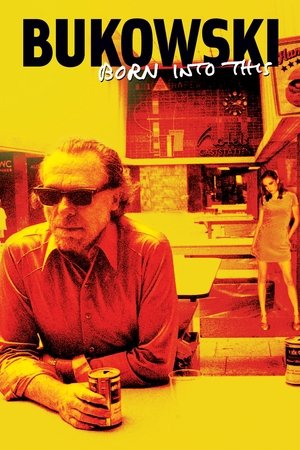
67%
Bukowski: Born Into This(en)
2003-01-18
Director John Dullaghan’s biographical documentary about infamous poet Charles Bukowski, Bukowski: Born Into This, is as much a touching portrait of the author as it is an exposé of his sordid lifestyle. Interspersed between ample vintage footage of Bukowski’s poetry readings are interviews with the poet’s fans including such legendary figures such as Lawrence Ferlinghetti, Joyce Fante (wife of John), Bono, and Harry Dean Stanton. Filmed in grainy black and white by Bukowski’s friend, Taylor Hackford, due to lack of funding, the old films edited into this movie paint Bukowski’s life of boozing and brawling romantically, securing Bukowski’s legendary status.
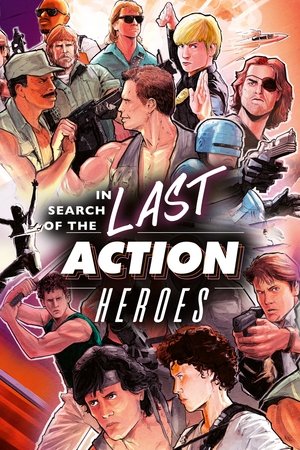
69%
In Search of the Last Action Heroes(en)
2019-09-01
The most comprehensive retrospective of the '80s action film genre ever made.
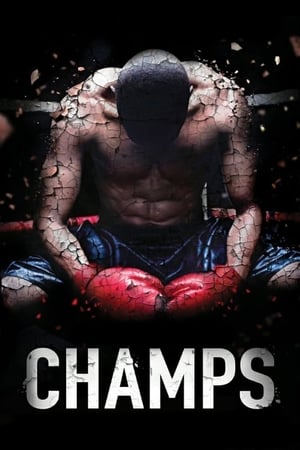
66%
Champs(en)
2015-03-13
A documentary about the sport of boxing, as seen through the eyes of champions Mike Tyson, Evander Holyfield and Bernard Hopkins.

Similar Movies
68%
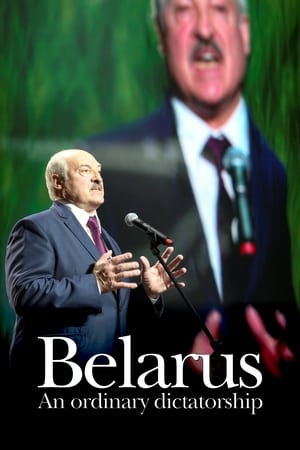
Belarus: An Ordinary Dictatorship(fr)
2018-03-18
It’s the last dictatorship of Europe, caught in a Soviet time-warp, where the secret police is still called the KGB and the president rules by fear. Disappearances, political assassinations, waves of repression and mass arrests are all regular occurances. But while half of Belarus moves closer to Russia, the other half is trying to resist…

20%
Inês(fr)
1974-11-17
Inês Etienne Romeu was an opponent to the Brazilian's dictatorship. She was kidnapped, tortured and raped in jail, where she stayed for almost 100 days. She was later sentenced to life imprisonment. She stayed ten years in prison, from 1971 to 1979. Delphine Seyrig directed this film in 1974, when Inês was still in prison, protesting against this imprisonment and in support to Inês.
0%
Todxs somos López. Donde empieza la vida y termina la muerte(es)
2017-01-01
A chronicle on the days without Jorge Julio López, key witness and complainant on the first trial on genocide in Argentina, dated in 2006. López, who had survived through concentration camps on the late seventies argentinian dictatorship, disappeared for the second time the day the court decision meant to condemn his kidnappers was about to be read.
0%
Warrior: The Life of Leonard Peltier(en)
1991-11-01
An intimate exploration of the circumstances surrounding the incarceration of Native American activist Leonard Peltier, convicted of murder in 1977, with commentary from those involved, including Peltier himself.
76%
Hearts and Minds(en)
1974-12-20
Many times during his presidency, Lyndon B. Johnson said that ultimate victory in the Vietnam War depended upon the U.S. military winning the "hearts and minds" of the Vietnamese people. Filmmaker Peter Davis uses Johnson's phrase in an ironic context in this anti-war documentary, filmed and released while the Vietnam War was still under way, juxtaposing interviews with military figures like U.S. Army Chief of Staff William C. Westmoreland with shocking scenes of violence and brutality.
55%
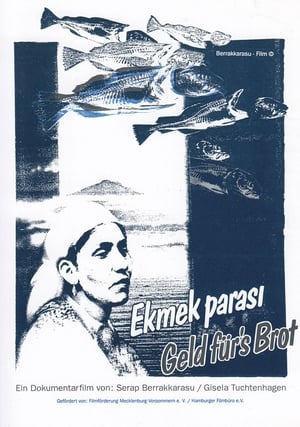
Money for Bread(de)
1994-01-01
Women from Turkey and Mecklenburg are working together side-by-side at a fish-processing factory in Lübeck. As they work, they share stories about their lives, including their sorrows, griefs, hopes, and dreams, while expressing their longing for home and feelings of being lost in a foreign place.
0%
The Hell of Ueckermünde(de)
1993-01-01
This report was broadcast on ARD in 1993. In 43 minutes, the development of psychiatry "in the third year after reunification" is shown using two institutions in the new federal states as examples. A touchstone for all of psychiatry and disability care to this day. The film shows a shocking way in which disabled people are treated. The commentary uses the perspective of those affected. 50 years after euthanasia in Germany, this documentary reminds us of this once again.

0%
Burma Soldier(en)
2010-11-01
The story of Myo Myint, a political prisoner, who made the transformation from being a soldier in Burma's junta to a pro-democracy activist.

80%
Der Reichstag(de)
2017-12-19
Docudrama telling the story of a building with a breath taking career that began in the empire, flourished in the Weimar Republic, perished in the Nazi dictatorship, and was rebuilt after its partial destruction.
72%
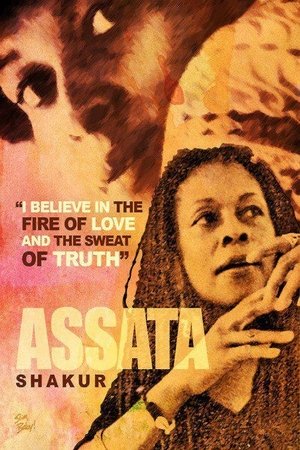
Eyes of the Rainbow(en)
1997-01-01
"Eyes of the Rainbow" deals with the life of Assata Shakur, the Black Panther and Black Liberation Army leader who escaped from prison and was given political asylum in Cuba, where she has lived for close to 15 years. In it we visit with Assata in Havana and she tells us about her history and her life in Cuba. This film is also about Assata's AfroCuban context, including the Yoruba Orisha Oya, goddess of the ancestors, of war, of the cemetery and of the rainbow.

85%
Becoming Navalny(de)
2024-02-17
A portrait of Alexei Navalny (1976), the staunchest opponent of Russian President Vladimir Putin, severely poisoned in 2020, arrested in 2021 and died on February 16, 2024 in a Siberian prison camp under unclear circumstances.
60%
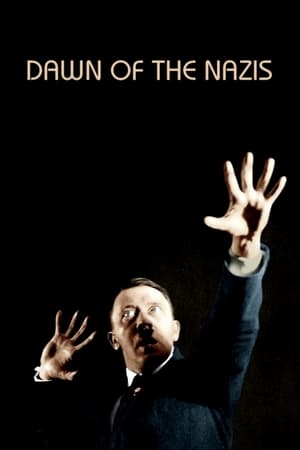
Dawn of the Nazis(en)
2017-01-01
How Germany was when its people entered the nightmare of World War II? Despair and fear lead a hungry population to follow the chilling call of just one man to world domination. A real-life horror story, an ominous tale of violence and deception, which takes place from 1919 to 1934. (Entirely made up of restored, colorized archival footage.)
66%
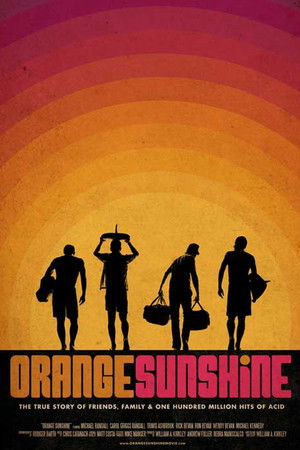
Orange Sunshine(en)
2016-03-14
The never-before-told story of the Brotherhood of Eternal Love – a spiritual group of surfers and hippies in Southern California that became the largest suppliers of psychedelic drugs in the world during the 1960s and early 1970s. Bonded by their dreams to fight social injustice and spread peace, this unlikely band of free-spirited idealists quickly transformed into a drug-smuggling empire and at the same time inadvertently invented the modern illegal drug trade. At the head of the Brotherhood, and the heart of this story, is the anti-capitalistic husband and wife team, who made it their mission to change the world through LSD.
80%
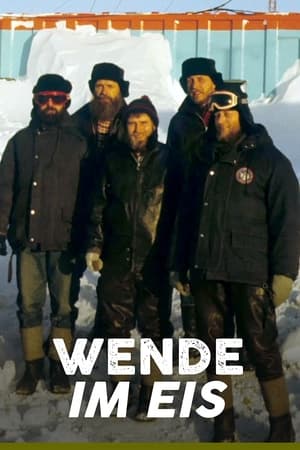
Reunification in the Ice: The Story of the Last GDR Antarctic Explorers(de)
2020-10-02
In 1989, thirteen GDR scientists and technicians set off from East Berlin to the Georg Forster research station in the Antarctic. During their expedition the Berlin Wall fell on November 9th. Cut off from the images that go around the world, the men can only experience the historical events passively. When they returned in the spring of 1991, their homeland was a foreign country. The documentary reconstructs the thoughts and feelings of the East German researchers on the basis of eyewitness accounts, diary excerpts, letters, film material, grandiose landscape shots from the location of the action and unique photos to make the consequences of the events tens of thousands of kilometers away on the small GDR expedition in the middle of the eternal ice tangible.

65%
The Right to Live in Peace(es)
1999-01-01
A moving portrait of Chilean singer-songwriter and political activist Victor Jara (1932-73) that chronicles the life of the talented artist who was imprisoned, tortured and machine-gunned by the country's dictatorship.

64%
Born in Evin(de)
2019-10-17
Follows filmmaker and actress, Maryam Zaree, on her quest to find out the violent circumstances surrounding her birth inside one of the most notorious political prisons in the world.
0%
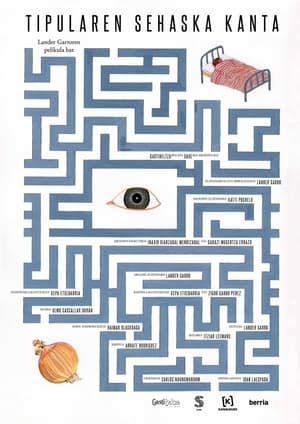
Lullaby of the onion(eu)
2022-02-02
Going to the doctor to make a diagnosis or to have a treatment is a common thing in the outside world. But for every prisoner it is a very difficult or impossible path. Lander Garro, the director, turns to those who have lived the experience of being ill in prison to better understand its consequences. It uses a language that goes beyond political discourse, exploring the helplessness of prisoners whose right to health is limited from an emotional point of view, through cinematographic tools. 'Tipularen sehaska kanta' ('Nana de la cebolla' - 'Lullaby of the onion') more than a political film is an artistic film, narrated in the first person and from the entrails. Based on the poem 'Nana de la cebolla' by the Spanish poet Miguel Hernández, who died in prison in 1942, the film makes a historical analogy: if it didn't make sense to die in prison in 1936, does it make sense today?