

Die Macht der Musik - 200 Jahre Beethovens Neunte(2024)
Composed in 1824, Beethoven's "Symphony No. 9" will celebrate its bicentennial in 2024. With its famous finale based on Schiller's poem "An die Freude" (Ode to Joy), this colossal work is now one of the symbols of European unity. How was this symphony created? And how has it survived two centuries of history?


Movie: Die Macht der Musik - 200 Jahre Beethovens Neunte
Top 5 Billed Cast

Self
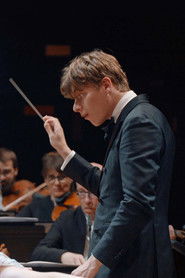
Self
Self
Self
Beethoven
HomePage
Overview
Composed in 1824, Beethoven's "Symphony No. 9" will celebrate its bicentennial in 2024. With its famous finale based on Schiller's poem "An die Freude" (Ode to Joy), this colossal work is now one of the symbols of European unity. How was this symphony created? And how has it survived two centuries of history?
Release Date
2024-05-07
Average
0
Rating:
0.0 startsTagline
Genres
Languages:
DeutschKeywords
Similar Movies
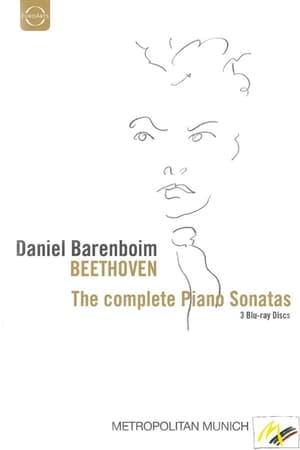
Beethoven: The Complete Piano Sonatas(en)
In this recording, seven-time GRAMMY® Award-winning pianist and conductor Daniel Barenboim tackles the so-called 'New Testament' of music, Ludwig van Beethoven's thirty-two piano sonatas, composed over twenty-five years and embodying the shift of musical taste from the Classic to the Romantic, their performance requires a musician of extraordinary versatility. Daniel Barenboim is one such pianist his recordings run the gamut from Bach and Mozart to Bruckner and Bartók.
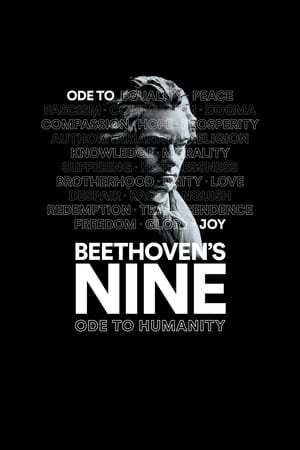
Beethoven's Nine: Ode to Humanity(en)
Can a work of art remain relevant 200 years after its creation? Ludwig van Beethoven’s last completed symphony proves it’s possible.
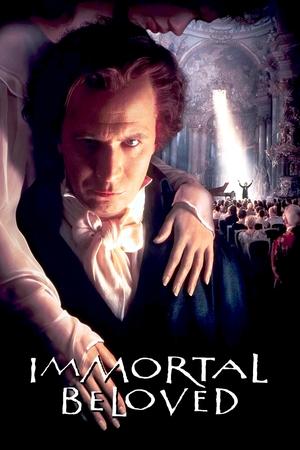
Immortal Beloved(en)
A chronicle of the life of infamous classical composer Ludwig van Beethoven and his painful struggle with hearing loss. Following Beethoven's death in 1827, his assistant, Schindler, searches for an elusive woman referred to in the composer's love letters as "immortal beloved." As Schindler solves the mystery, a series of flashbacks reveal Beethoven's transformation from passionate young man to troubled musical genius.
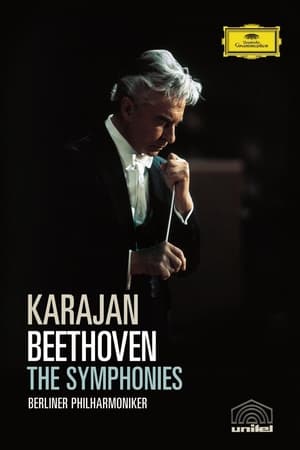
Karajan · Die Symphonien(de)
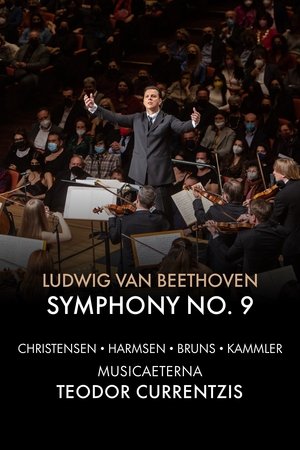
Currentzis conducts Beethoven Symphony No. 9(de)
Ludwig van Beethoven headed for Symphony No. 9 literally his entire life. As early as the 1790s, he had an eye on Ode to Joy, perhaps the most well-known poem by Friedrich Schiller, written on the threshold of the French Revolution (1786). In his mature and, in particular, later years, the deaf composer with an acute ‘hearing vision’ increasingly distanced himself from conventional forms and genres and wrote parts beyond the possibilities of instruments of his day. He nurtured the idea of a symphony with a choir for at least several years. The history of the Ninth’s interpretations includes 200 years of staggering revelations and lingering stagnation. Performed by the musicAeterna orchestra, choir, and guest soloists under the baton of Teodor Currentzis, Beethoven’s opus magnum acquires the original poignancy and energy of a recent discovery.

Song of the Hands(es)
This film takes you through the inspiring journey of Venezuela's Coro de Manos Blancas (White Hands Choir) while exploring their daily struggles and lives. Established in 1995 as part of Venezuela's El Sistema program, the White Hands Choir provides artistic opportunities for children, youth, and adults with disabilities, utilizing music for social development and inclusion.

Space and Light(en)
An award-winning wordless documentary that explores the architecture of the then new St. Peter's Seminary which is now seen as one of the most important post-war buildings in the United Kingdom. The film was made in celebration after architect Jack Coia was awarded the RIBA Gold Medal in 1969. Winner of the Medalla de Bronce at the Fifth Union of International Architects Festival in Madrid (1975).
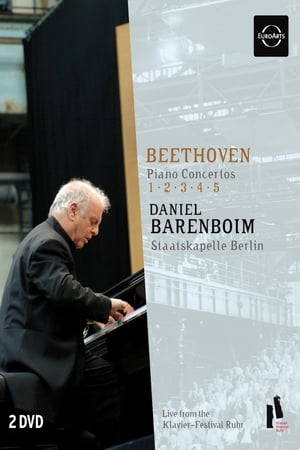
Daniel Barenboim: Beethoven - Piano Concertos 1-5(en)
If Daniel Barenboim is not the world's greatest living classical musician he is certainly the most versatile. In a career spanning more than 50 years, his name is attached to many of the celebrated recordings of opera, symphony, small ensemble and piano solo. With the later half of his career marked by distinction at the podium, one may forget that he is still an accomplished concert pianist. Here we are treated to both talents as Barenboim conducts the Staatskapelle Berlin and plays all five of Beethoven's piano concerti. From the accompanying booklet we find that Barenboim first recorded these works in 1967 at the age of 24 under Otto Klemperer. Now he is revisiting them 40 years later on the occasion of his 65th birthday.
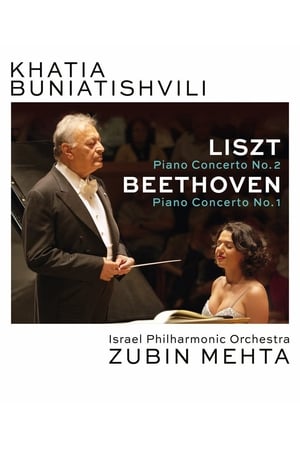
Khatia Buniatishvili and Zubin Mehta: Liszt & Beethoven(de)
Vivaldi, Mozart, and Beethoven serve up an evening of glittering virtuosity and transcendent melody in this unusual, all-concerto program. Filmed at Tel Aviv’s Mann Auditorium in July 2015. Zubin Mehta leads the Israel Philharmonic Orchestra as they accompany three very different 18th-century concertos performed respectively by trumpeters Ram Oren and Yigal Meltzer, clarinettist Ron Selka, and pianist Khatia Buniatishvili. Set-List: Antonio Vivaldi, Concerto for 2 Trumpets in C Major, RV 537 / Wolfgang Amadeus Mozart, Clarinet Concerto in A Major, K. 622 / Ludwig van Beethoven, Piano Concerto No. 1 in C Major, Op. 15.
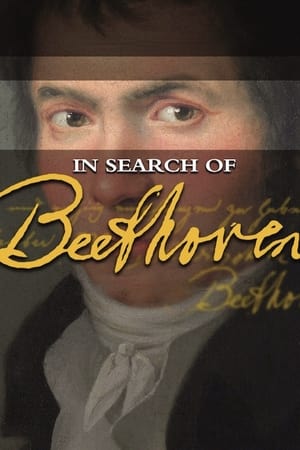
In Search of Beethoven(en)
In Search of Beethoven offers a comprehensive documentary about the life and works of the great composer. Over 65 performances by the world's finest musicians were recorded and 100 interviews conducted in the making of this beautifully crafted film. Eleven interviews are included in the Extras and Six complete movements.

Faking Beethoven(ja)
Beethoven, the world's most famous musician and iconic solitary genius. But what if that image was entirely fabricated… by his own secretary?
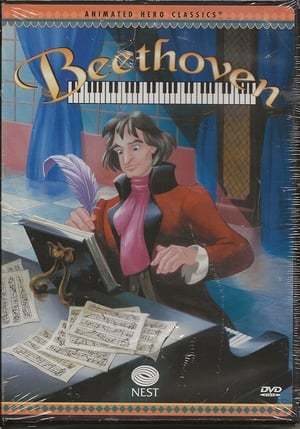
Animated Hero Classics: Beethoven(en)
Even as a young boy, Beethoven marched to the beat of a different drummer. Trained in the traditional music methods by his father, Beethoven was an accomplished pianist by the age of 12. But he yearned to try new sounds and persevered until audiences heard his music. By his early twenties, this persistent young man performed for Joseph Haydn, who compared him to the great Mozart. Sadly, Beethoven began to lose his hearing, but he threw himself even more deeply into his music, composing "Fur Elise," "Sonata Pathetique" and the dramatic "Fifth Symphony" years later, audience members heard what he could not and leapt to their feet in ecstatic appreciation for such passionate music. His creativity gave the world then, as it does today, music that stirs the soul. The video begins in 1827 with 30,000 people paying tribute to the great Beethoven in Vienna, Austria. Then the video switches to his life as a child...
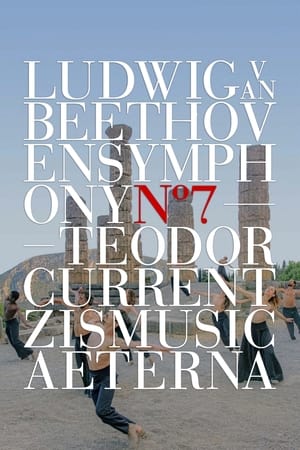
Beethoven: Symphony No. 7(en)
In the ancient theater of Delphi, against the backdrop of the ruins of the Temple of Apollo, musicAeterna, conducted by Teodor Currentzis, performs Ludwig van Beethoven’s 7th Symphony, in conjunction with a new choreography by Sasha Waltz and her company.
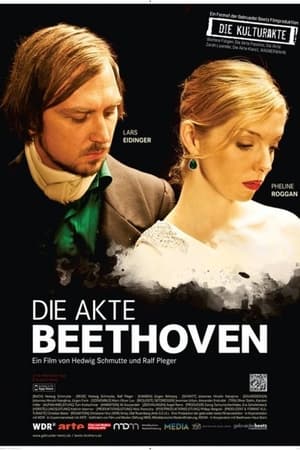
Die Akte Beethoven(de)
In a mixture of feature film, music documentary and animated comics, historical facts are retold, analyzed and interpreted in modern settings. Ludwig van Beethoven, played by Lars Eidinger, becomes a contemporary of today's audience. Quick-tempered, irascible, curmudgeonly - that is the common image of Ludwig van Beethoven, the composer with the wild lion's mane. But there is also another Beethoven - young, seductive, spirited and, above all, combative.
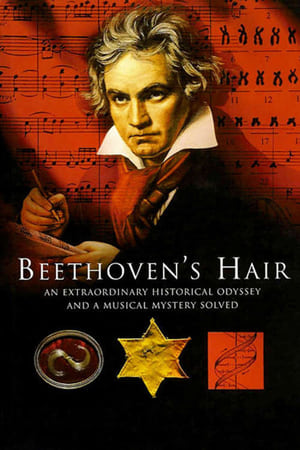
Beethoven's Hair(en)
Beethoven's Hair traces the unlikely journey of a lock of hair cut from Beethoven's corpse and unravels the mystery of his tortured life and death. The film begins in modern times, when a pair of Beethoven enthusiasts purchase the hair at a Sotheby's auction. The story then looks at the lock's previous owners and culminates in the science that reveals Beethoven's "medical secret". Set to a lush score of some of Beethoven's most glorious music, the film explores the world of forensic testing in sharp relief against the romance of 19th-century Vienna and the horrors of 20th-century Nazi Germany.
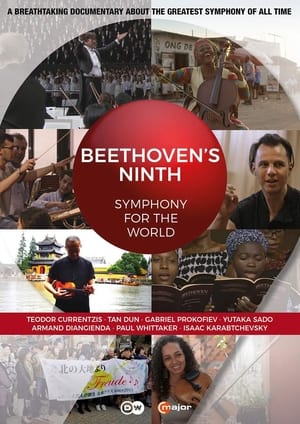
Beethoven’s Ninth: Symphony for the World(de)
The 9th Symphony of Ludwig van Beethoven is one of the most popular pieces of classical music in the world. Even those who are not passionate about the classical music recognize the famous Ode to Joy. Despite the grim context in which it was created, the 9th Symphony leaves us fascinated, moved and uplifted by its creativity, its power and its culmination in the Ode to Joy. More than 160 years after it was written, Beethoven’s hymn to brotherhood was adopted by the European Union as its official anthem. But Beethoven’s Ninth is also met with enthusiasm far beyond the borders of Europe. What’s the explanation for its never ending success? What is it about this work of art that fascinates people all over the world?
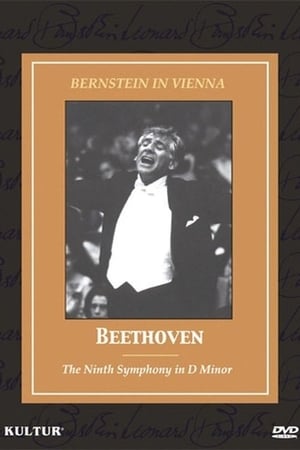
Bernstein in Vienna: Beethoven, The Ninth Symphony(en)
To play Beethoven's music is to give oneself over completely to the child-spirit which lived in that grim, awkward, violent man. Without that utter submission it is impossible to play the Adagio of the Ninth. Or, Heaven knows, the first movement. And the Finale? Most of all! It is simply unplayable unless we go all the way with him, as he cries out "Brüder!" - Leonard Bernstein
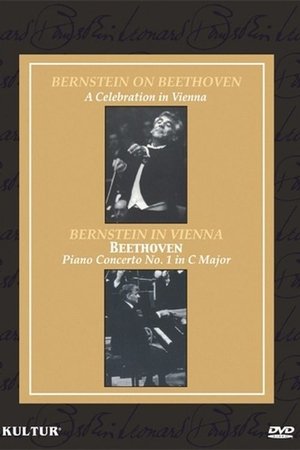
Beethoven's Birthday: A Celebration in Vienna with Leonard Bernstein(en)
In this documentary portrait prepared for the anniversary of Ludwig Van Beethoven's 200th birthday, Leonard Bernstein illustrates his analysis with excerpts from his performances of Beethoven's Piano Concerto No. 1 in C Major and the Ode to Joy from the Ninth Symphony.
Enchained(pt)
A woman in her daily life at home. A ballerina practicing her art. Realities mix in a remembrance of an irretrievable time.