Loading Page

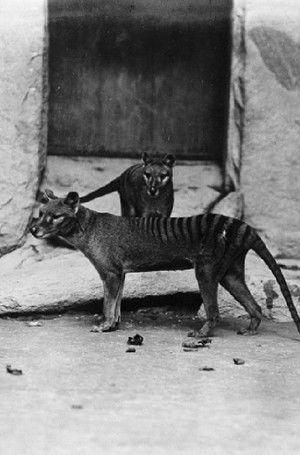
Thylacine Film(1933)
Status: Released
Date: 1933-07-14
100%
1 Votes
Time: 0h 3m
Last & Only Footage of Thylacine
Overview:
The original film of the Tasmanian tiger (also known as the thylacine) was shot by Australian zoologist David Fleay in 1933 on black-and-white film. Recently, this historic footage has been colorized and digitized by a team of international experts. You can watch the remastered footage of the last-known surviving Tasmanian tiger here. The thylacine, which resembled a medium-to-large-sized canid, had dark transverse stripes radiating from the top of its back. Sadly, the last known thylacine died in 1936 at the Hobart Zoo in Tasmania.
Languages:
Countries:
Movie: Thylacine Film
Video Trailer Thylacine Film
All 1 videos

Tasmanian Tiger in Colour - Trailer
Recommendations Movies
69%
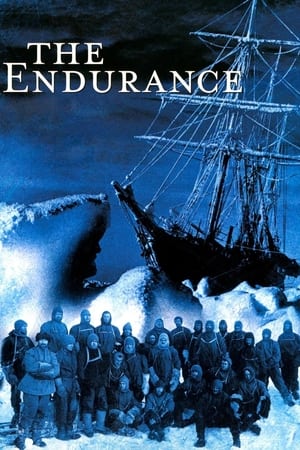
The Endurance(en)
2000-09-02
Documentary on the Shackleton Antartic expedition. A retelling of Sir Ernest Shackleton's ill-fated expedition to Antarctica in and the crew of his vessel 'The Endurance', which was trapped in the ice floes and frigid open ocean of the Antarctic in 1914. Shackleton decided, with many of his crew injured and weak from exposure and starvation, to take a team of his fittest men and attempt to find help. Setting out in appalling conditions with hopelessly inadequate equipment, they endured all weather and terrain and finally reached safety. Persuading a local team of his confidence that the abandoned team would still be alive, he set out again to find them. After almost 2 years trapped on the ice, all members of the crew were finally rescued.

82%
The Untold History Of The United States(en)
2012-11-12
Oliver Stone charts the history of the United States from the Second World War to the present.
70%
The Cutting Edge: The Magic of Movie Editing(en)
2004-10-12
Documentary about the art of film editing. Clips are shown from many groundbreaking films with innovative editing styles.
78%
Racing Extinction(en)
2015-01-24
An unlikely team of activists and innovators hatches a bold mission to save endangered species.
79%
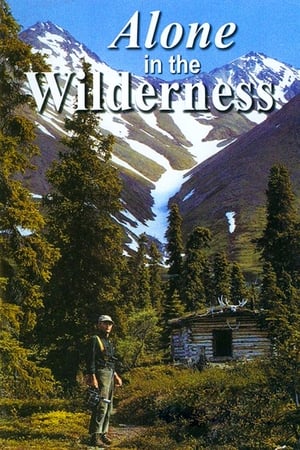
Alone in the Wilderness(en)
2004-10-08
Dick Proenneke retired at age 50 in 1967 and decided to build his own cabin in the wilderness at the base of the Aleutian Peninsula, in what is now Lake Clark National Park. Using color footage he shot himself, Proenneke traces how he came to this remote area, selected a homestead site and built his log cabin completely by himself. The documentary covers his first year in-country, showing his day-to-day activities and the passing of the seasons as he sought to scratch out a living alone in the wilderness.
66%
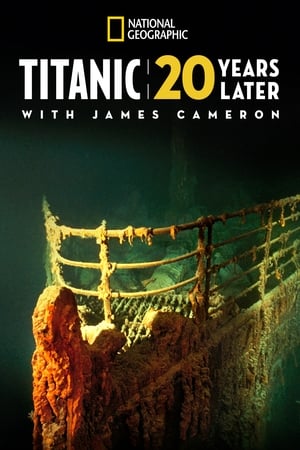
Titanic: 20 Years Later with James Cameron(en)
2017-11-26
For the 20th anniversary of "Titanic," James Cameron reopens the file on the disaster.
68%
Making Waves: The Art of Cinematic Sound(en)
2019-10-25
The history of cinematic sound, told by legendary sound designers and visionary filmmakers.
70%
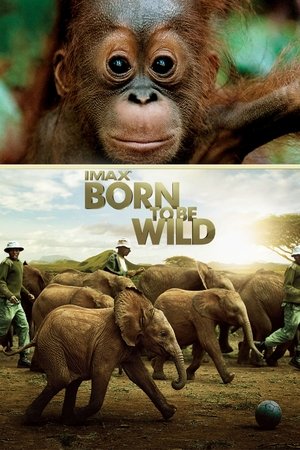
Born to Be Wild(en)
2011-04-08
Born to Be Wild observes various orphaned jungle animals and their day-to-day behavioural interactions with the individuals who rescue them and raise them to adulthood. The film unfurls in two separate geographic spheres. Half of it takes place in the rain forests of Borneo, where celebrated primatologist Dr. Birute Galdikas assists baby orangutans; the other half takes place on the arid savannahs of Kenya, where zoologist Dame Daphne Sheldrick works with baby elephant calves.
72%
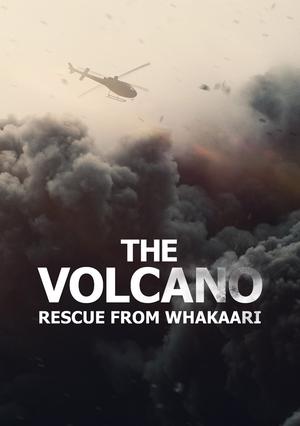
The Volcano: Rescue from Whakaari(en)
2022-11-03
A close examination of the Whakaari / White Island volcanic eruption of 2019 in which 22 lives were lost, the film viscerally recounts a day when ordinary people were called upon to do extraordinary things, placing this tragic event within the larger context of nature, resilience, and the power of our shared humanity.
76%
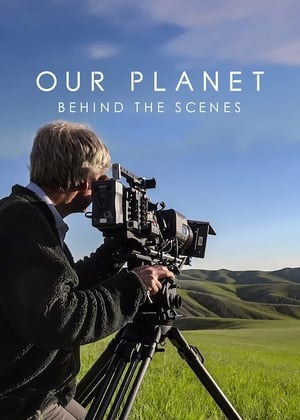
Our Planet: Behind the Scenes(en)
2019-04-05
Years spent recording footage of creatures from every corner of the globe is bound to produce a bit of drama. Here's a behind-the-scenes look.

61%
Naqoyqatsi(en)
2002-09-02
A visual montage portrait of our contemporary world dominated by globalized technology and violence.

68%
Ten Minutes Older: The Trumpet(en)
2002-05-18
Ten Minutes Older is a 2002 film project consisting of two compilation feature films entitled The Trumpet and The Cello. The project was conceived by the producer Nicolas McClintock as a reflection on the theme of time at the turn of the Millennium. Fifteen celebrated film-makers were invited to create their own vision of what time means in ten minutes of film.
68%
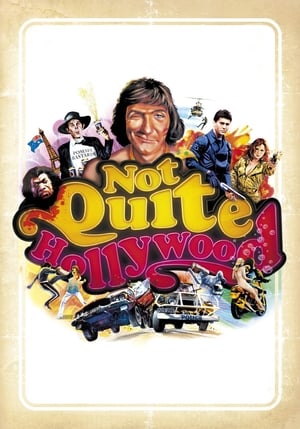
Not Quite Hollywood(en)
2008-08-28
As Australian cinema broke through to international audiences in the 1970s through respected art house films like Peter Weir's "Picnic At Hanging Rock," a new underground of low-budget exploitation filmmakers were turning out considerably less highbrow fare. Documentary filmmaker Mark Hartley explores this unbridled era of sex and violence, complete with clips from some of the scene's most outrageous flicks and interviews with the renegade filmmakers themselves.
66%
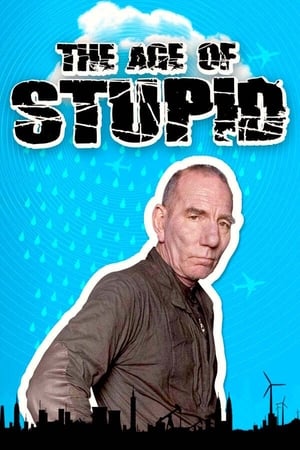
The Age of Stupid(en)
2009-09-21
Pete Postlethwaite stars as a man living alone in the devastated future world of 2055, looking at old footage from 2008 and asking: why didn’t we stop climate change when we had the chance?
73%
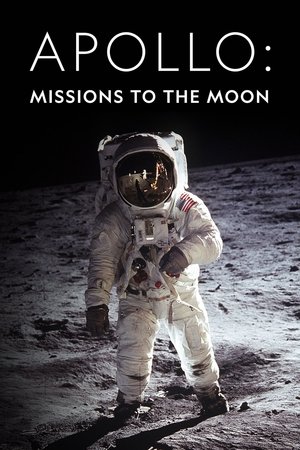
Apollo: Missions to the Moon(en)
2019-07-07
National Geographic's riveting effort recounts all 12 crewed missions using only archival footage, photos and audio.
81%
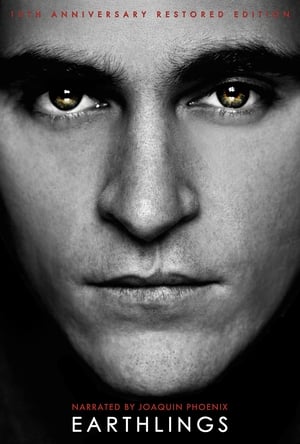
Earthlings(en)
2005-09-24
Using hidden cameras and never-before-seen footage, Earthlings chronicles the day-to-day practices of the largest industries in the world, all of which rely entirely on animals for profit.
62%
Loose Change 9/11: An American Coup(en)
2009-09-22
With the departure of the Bush Administration and the arrival of an “era of transparency,” opportunities are arising for the disclosure of new information that may shed more light on the events that took place before and after 9/11/2001. Loaded with powerful, new footage and in-depth interviews this documentary presents a wide array of evidence both known and unknown…until now.
72%
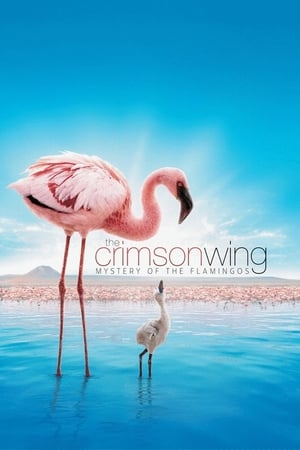
The Crimson Wing: Mystery of the Flamingos(en)
2008-12-17
In the remote and forgotten wilderness of Lake Natron, in northern Tanzania, one of nature's last great mysteries unfolds: the birth, life and death of a million crimson-winged flamingos.
65%
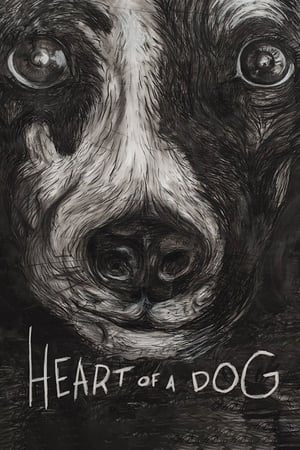
Heart of a Dog(en)
2015-10-21
Lyrical and powerfully personal essay film that reflects on the deaths of her husband Lou Reed, her mother, her beloved dog, and such diverse subjects as family memories, surveillance, and Buddhist teachings.
70%
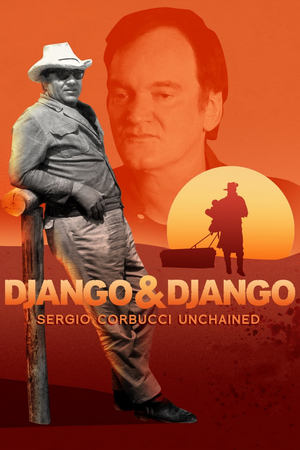
Django & Django: Sergio Corbucci Unchained(en)
2021-11-15
A tribute to Italian filmmaker Sergio Corbucci (1926-90), presented by American filmmaker Quentin Tarantino.
Similar Movies

53%
Van Diemen's Land(en)
2009-09-24
The true story of Australia’s most notorious convict, Alexander Pearce and his infamous journey into the beautiful yet brutal Tasmanian wilderness. A point of no return for convicts banished from their homeland, Van Diemen’s Land was a feared and dreaded penal settlement at the end of the earth.
50%
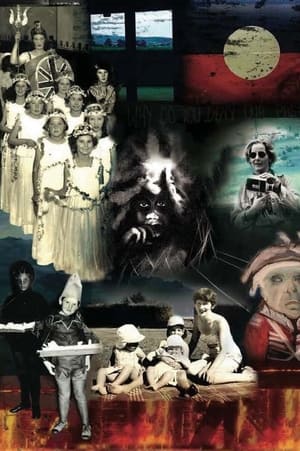
Island Home Country(en)
2008-08-02
A poetic cine-essay about race and Australia’s colonised history and how it impacts into the present offering insights into how various individuals deal with the traumatic legacies of British colonialism and its race-based policies. The film’s consultative process, with ‘Respecting Cultures’ (Tasmanian Aboriginal Protocols), offers an evolving shift in Australian historical narratives from the frontier wars, to one of diverse peoples working through historical trauma in a process of decolonisation.

80%
Quoll Farm(en)
2021-02-14
This is the story of a charismatic family of endangered animals and one man’s extraordinary devotion. It unfolds in a distant wilderness, in a land forgotten by time. But change is coming. In less than a year, this magical place, along with those who live here, may be lost forever. Welcome to Quoll Farm.
58%
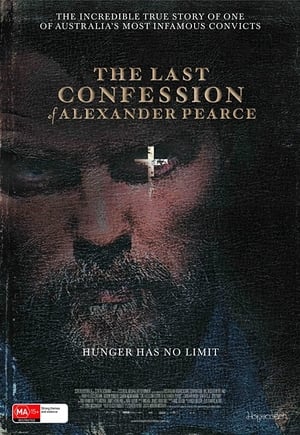
The Last Confession of Alexander Pearce(en)
2009-01-29
Eight men escape from the most isolated prison on earth. Only one man survives and the story he recounts shocks the British establishment to the core. This story is the last confession of Alexander Pearce.
72%
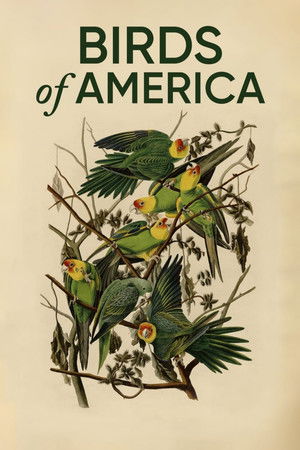
Birds of America(fr)
2022-05-25
In the first half of the 19th century, the French ornithologist Jean-Jacques Audubon travelled to America to depict birdlife along the Mississippi River. Audubon was also a gifted painter. His life’s work in the form of the classic book ‘Birds of America’ is an invaluable documentation of both extinct species and an entire world of imagination. During the same period, early industrialisation and the expulsion of indigenous peoples was in full swing. The gorgeous film traces Audubon’s path around the South today. The displaced people’s descendants welcome us and retell history, while the deserted vistas of heavy industry stretch across the horizon. The magnificent, broad images in Jacques Loeuille’s atmospheric, modern adventure reminds us at the same time how little - and yet how much - is left of the nature that Audubon travelled around in. His paintings of the colourful birdlife of the South still belong to the most beautiful things you can imagine.
85%
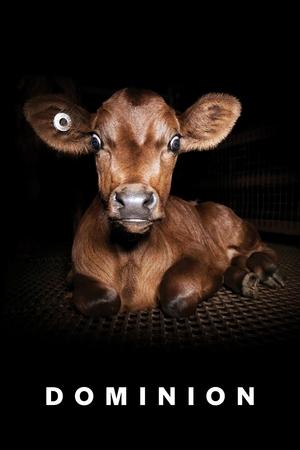
Dominion(en)
2018-03-29
Exposing the dark underbelly of modern animal agriculture through drones, hidden & handheld cameras, the feature-length film explores the morality and validity of our dominion over the animal kingdom.
70%
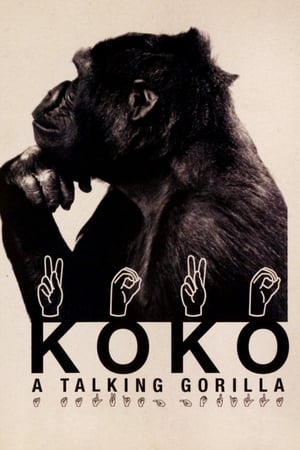
Koko: A Talking Gorilla(fr)
1978-10-11
A documentary that follows Dr. Penny Patterson's current scientific study of Koko, a gorilla who communicates through American Sign Language.
64%
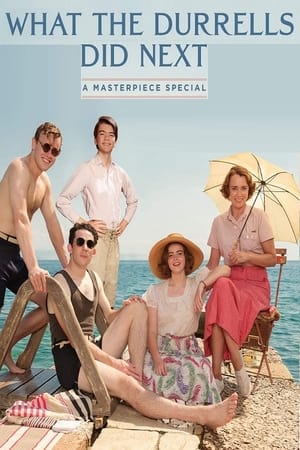
What The Durrells Did Next(en)
2019-05-19
Hosted by Keeley Hawes, star of the popular television series The Durrells, this documentary reveals the adventures of the eccentric Durrell family once they left Corfu, Greece.

0%
Tasmanian Tiger in Colour(en)
2021-09-06
Original 35mm nitrate negative film shot by naturalist David Fleay at Beaumaris Zoo, Hobart in December 1933. Colorized by Samuel François-Steininger at the Paris-based, Composite Films, from a 4K scan of the negative by the National Film and Sound Archive Australia.
0%
Beyond the Enclosure(pt)
2024-09-23
The documentary investigates the challenges and practices of animal welfare in the Rio de Janeiro Biopark, addressing how different species are cared for outside their natural habitats. The production reveals the work of specialized Biologists and Veterinarians, highlighting essential aspects such as the population plan and environmental enrichment.
0%
Zoos of the World(en)
1970-10-15
Travel around the globe to some of the best zoos, which are striving to fill a new role that relates directly to environmental education.
0%
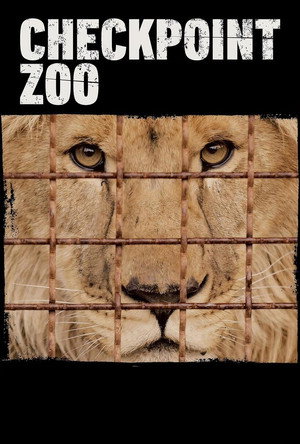
Checkpoint Zoo(en)
2024-06-06
Checkpoint Zoo documents a daring rescue led by a heroic team of zookeepers and volunteers, who risked their lives to save thousands of animals trapped in a zoo behind enemy lines in the Russian Invasion of Ukraine.
70%
Born to Be Wild(en)
2011-04-08
Born to Be Wild observes various orphaned jungle animals and their day-to-day behavioural interactions with the individuals who rescue them and raise them to adulthood. The film unfurls in two separate geographic spheres. Half of it takes place in the rain forests of Borneo, where celebrated primatologist Dr. Birute Galdikas assists baby orangutans; the other half takes place on the arid savannahs of Kenya, where zoologist Dame Daphne Sheldrick works with baby elephant calves.

0%
The Trouble with Merle(en)
2002-08-29
The director explores the birth origins of actress Merle Oberon, traveling to Tasmania and India in search of the truth, but her quest ultimately results in probably more questions than it answers.
80%
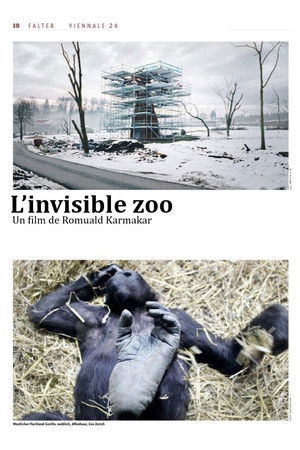
The Invisible Zoo(de)
2024-02-20
Across the seasons, the film gives an account of life and work and the animals and visitors at Zurich Zoo, an institution that is one of the leading zoological gardens in Europe. Animals in their cages, humans in the cinema. What lies between them?
0%
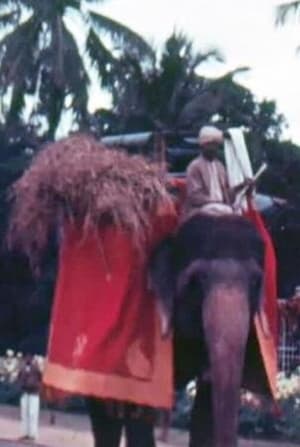
Mysore(en)
1940-06-01
Two sides of Mysore: down to earth with the field workers and an Indian spectacle for the Maharaja.
100%
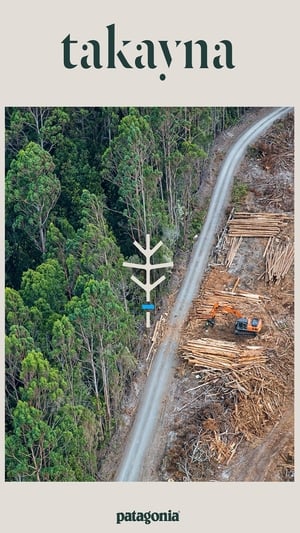
Takayna(en)
takayna / Tarkine in northwestern Tasmania is home to one of the last undisturbed tracts of Gondwanan rainforest in the world, and one of the highest concentrations of Aboriginal archaeology in the hemisphere. Yet this place, which remains largely as it was when dinosaurs roamed the planet, is currently at the mercy of destructive extraction industries, including logging and mining. Weaving together the conflicting narratives of activists, locals and Aboriginal communities, and told through the experiences of a trail running doctor and a relentless environmentalist, this documentary, presented by Patagonia Films, unpacks the complexities of modern conservation and challenges us to consider the importance of our last truly wild places.
0%
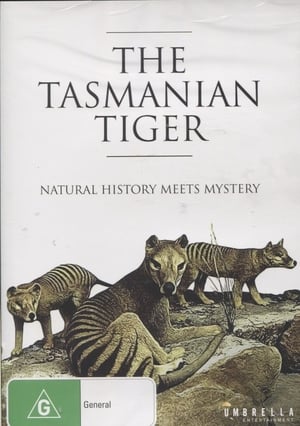
The Tasmanian Tiger: Natural History Meets Mystery(en)
1996-01-01
Recorded by pioneers as far back as 1805, the Tasmanian tiger has become an intensely mystifying Australian icon, whose entire existence has become the stuff of both fable and legend. This program investigates a chequered past and puts the speculation into perspective, taking into account the tragic culling and ‘bounty era’ where the carnivorous creatures were thought to be solely responsible for a considerable loss of farmers’ livestock. Balancing the facts with personal reflections from Tasmanian locals, scientists and other informed practitioners, The Tasmanian Tiger is a thought-provoking and revealing look at the extraordinary life and death of one of Australia’s most mysterious marsupials.