Loading Page

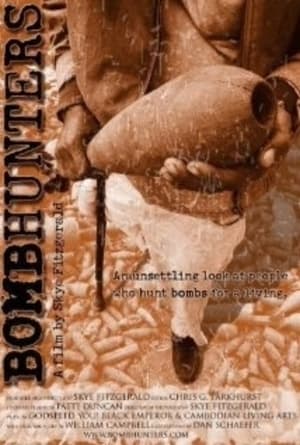
Bomb Hunters(2006)
Status: Released
Date: 2006-08-21
0%
0 Votes
Time: 0h 57m
An unsettling look at people who hunt bombs for a living.
Overview:
Bomb Hunters is an engrossing examination of the micro-economy that has emerged in Cambodia from untrained civilians harvesting unexploded bombs as scrap metal. The film explores the long-term consequences of war and genocide in an attempt to understand the social, cultural, and historical context and experiences of rural villagers who seek out and dismantle UXO (unexploded ordnance) for profit. Part of a global economy, these individuals clear UXO from their land in order to protect their families from harm and to earn enough money to survive. Bomb Hunters is an eye-opening account investigating the on-going residual, persistent effects of war experienced by post-conflict nations around the globe, and the complex realities of achieving "peace".
Languages: English.
Countries:
United States of America,
Cambodia
Budget: $100,000.00
ProductionCompanies:
Collective Eye Films
Movie: Bomb Hunters
Loading Photos
Photo Type :Total items
Recommendations Movies
75%
The Killing Fields(en)
1984-11-23
New York Times reporter Sydney Schanberg is on assignment covering the Cambodian Civil War, with the help of local interpreter Dith Pran and American photojournalist Al Rockoff. When the U.S. Army pulls out amid escalating violence, Schanberg makes exit arrangements for Pran and his family. Pran, however, tells Schanberg he intends to stay in Cambodia to help cover the unfolding story — a decision he may regret as the Khmer Rouge rebels move in.
74%
First They Killed My Father(en)
2017-02-18
A 5-year-old girl embarks on a harrowing quest for survival amid the sudden rise and terrifying reign of the Khmer Rouge in Cambodia.
70%
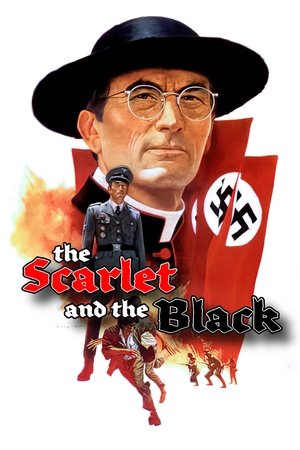
The Scarlet and the Black(en)
1983-02-02
Fr. Hugh O'Flaherty is a Vatican official in 1943-45 who has been hiding downed pilots, escaped prisoners of war, and Italian resistance families. His activities become so large that the Nazis decide to assassinate him the next time he leaves the Vatican.
82%
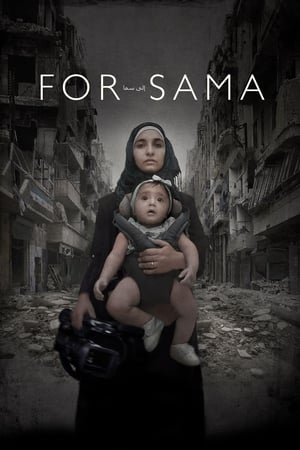
For Sama(en)
2019-07-26
A love letter from a young mother to her daughter, the film tells the story of Waad al-Kateab’s life through five years of the uprising in Aleppo, Syria as she falls in love, gets married and gives birth to Sama, all while cataclysmic conflict rises around her. Her camera captures incredible stories of loss, laughter and survival as Waad wrestles with an impossible choice– whether or not to flee the city to protect her daughter’s life, when leaving means abandoning the struggle for freedom for which she has already sacrificed so much.
61%
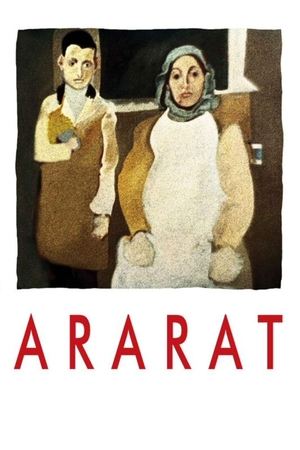
Ararat(en)
2002-05-20
Interrogated by a customs officer, a young man recounts how his life was changed during the making of a film about the Armenian genocide.
72%
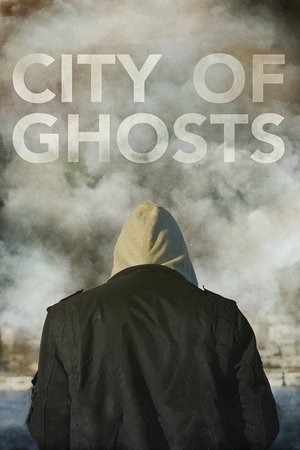
City of Ghosts(en)
2017-07-14
With unprecedented access, this documentary follows the extraordinary journey of “Raqqa is Being Slaughtered Silently”—a group of anonymous citizen journalists who banded together after their homeland was overtaken by ISIS—as they risk their lives to stand up against one of the greatest evils in the world today.
77%
Platoon(en)
1986-12-19
As a young and naive recruit in Vietnam, Chris Taylor faces a moral crisis when confronted with the horrors of war and the duality of man.
71%
Sometimes in April(en)
2005-02-17
Two brothers are divided by marriage and fate during the 100 horrifying days of the 1994 Rwandan genocide.
66%
Men in War(en)
1957-05-03
In Korea, on 6 September 1950, Lieutenant Benson's platoon finds itself isolated in enemy-held territory after a retreat. Soon they are joined by Sergeant Montana, whose overriding concern is caring for his catatonic colonel. Benson and Montana can't stand each other, but together they must get the survivors to Hill 465, where they hope the division is waiting. It's a long, harrowing march, fraught with all the dangers the elusive enemy can summon.

75%
The War on Democracy(en)
2007-06-15
Set both in Latin America and the United States, the film explores the historic and current relationship of Washington with countries such as Venezuela, Bolivia and Chile. Pilger says that the film "...tells a universal story... analysing and revealing, through vivid testimony, the story of great power behind its venerable myths. It allows us to understand the true nature of the so-called "war on terror". According to Pilger, the film’s message is that the greed and power of empire is not invincible and that people power is always the "seed beneath the snow".

70%
The Cutting Edge: The Magic of Movie Editing(en)
2004-10-12
Documentary about the art of film editing. Clips are shown from many groundbreaking films with innovative editing styles.
64%
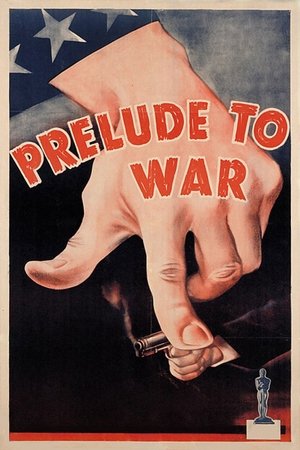
Why We Fight: Prelude to War(en)
1942-05-27
Prelude to War was the first film of Frank Capra's Why We Fight propaganda film series, commissioned by the Pentagon and George C. Marshall. It was made to convince American troops of the necessity of combating the Axis Powers during World War II. This film examines the differences between democratic and fascist states.
76%
Bitter Lake(en)
2015-01-24
An experimental documentary that explores Saudi Arabia's relationship with the U.S. and the role this has played in the war in Afghanistan.
71%
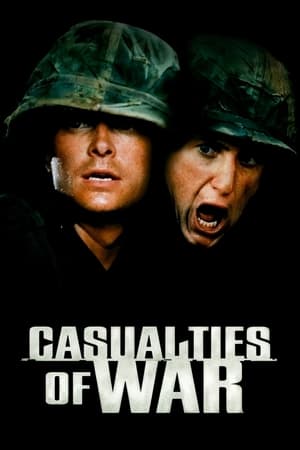
Casualties of War(en)
1989-08-18
During the Vietnam War, a soldier finds himself the outsider of his own squad when they unnecessarily kidnap a female villager.
72%
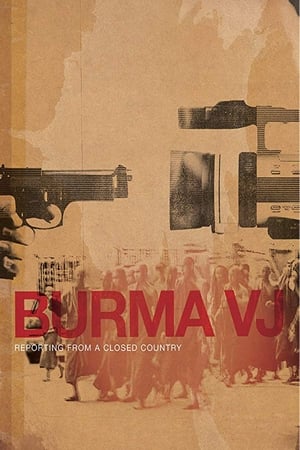
Burma VJ: Reporting from a Closed Country(en)
2008-11-12
Going beyond the occasional news clip from Burma, the acclaimed filmmaker, Anders Østergaard, brings us close to the video journalists who deliver the footage. Though risking torture and life in jail, courageous young citizens of Burma live the essence of journalism as they insist on keeping up the flow of news from their closed country.

79%
Virunga(en)
2014-11-07
Virunga in the Democratic Republic of the Congo is Africa’s oldest national park, a UNESCO world heritage site, and a contested ground among insurgencies seeking to topple the government that see untold profits in the land. Among this ongoing power struggle, Virunga also happens to be the last natural habitat for the critically endangered mountain gorilla. The only thing standing in the way of the forces closing in around the gorillas: a handful of passionate park rangers and journalists fighting to secure the park’s borders and expose the corruption of its enemies. Filled with shocking footage, and anchored by the surprisingly deep and gentle characters of the gorillas themselves, Virunga is a galvanizing call to action around an ongoing political and environmental crisis in the Congo.

61%
The Battle of San Pietro(en)
1945-05-03
This documentary movie is about the battle of San Pietro, a small village in Italy. Over 1,100 US soldiers were killed while trying to take this location, that blocked the way for the Allied forces from the Germans. Preserved by the Academy Film Archive in 2005.
69%
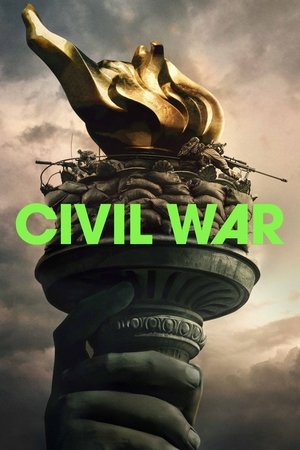
Civil War(en)
2024-04-10
In the near future, a group of war journalists attempt to survive while reporting the truth as the United States stands on the brink of civil war.
66%
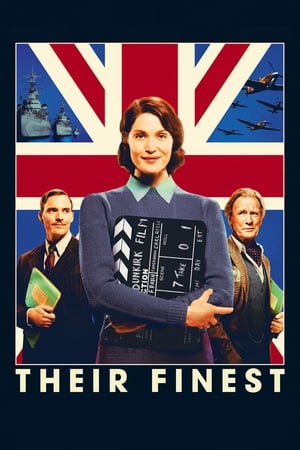
Their Finest(en)
2017-02-19
During the Blitz of World War II, a female screenwriter works on a film celebrating England's resilience as a way to buoy a weary populace's spirits. Her efforts to dramatise the true story of two sisters who undertook their own maritime mission to rescue wounded soldiers are met with mixed feelings by a dismissive all-male staff.
Similar Movies
77%
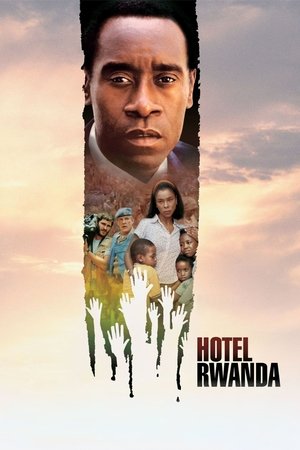
Hotel Rwanda(en)
2004-12-22
Inspired by true events, this film takes place in Rwanda in the 1990s when more than a million Tutsis were killed in a genocide that went mostly unnoticed by the rest of the world. Hotel owner Paul Rusesabagina houses over a thousand refuges in his hotel in attempt to save their lives.
83%
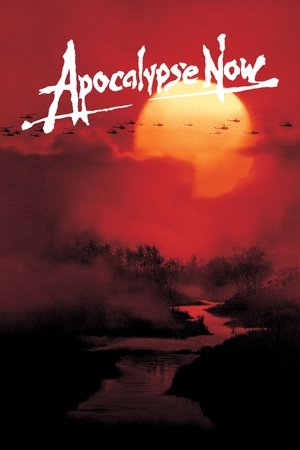
Apocalypse Now(en)
1979-05-19
At the height of the Vietnam war, Captain Benjamin Willard is sent on a dangerous mission that, officially, "does not exist, nor will it ever exist." His goal is to locate - and eliminate - a mysterious Green Beret Colonel named Walter Kurtz, who has been leading his personal army on illegal guerrilla missions into enemy territory.
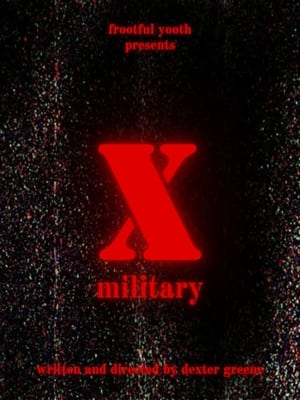
0%
X MILITARY(en)
2023-07-30
A soldier abandoned by the government exists trapped inside of a dilapidated apartment. The only thing keeping him company is a radio, and a dead body.
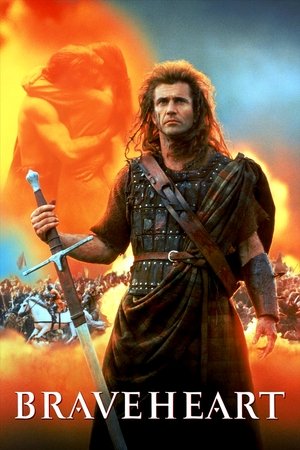
79%
Braveheart(en)
1995-05-24
Enraged at the slaughter of Murron, his new bride and childhood love, Scottish warrior William Wallace slays a platoon of the local English lord's soldiers. This leads the village to revolt and, eventually, the entire country to rise up against English rule.
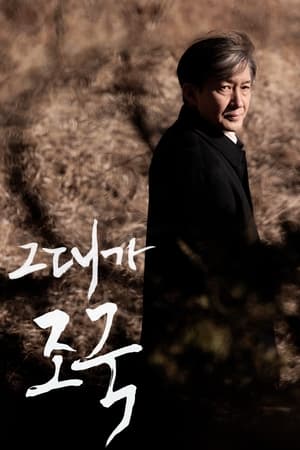
100%
The Red Herring(ko)
2022-05-25
Is Korea a democratic republic or a prosecution republic? Can you be confident that the blade of the prosecution is not aiming at you? Their hunt has begun. Following the coordinates thrown by the prosecution, the media gathers, and rumors circulate. Prosecutors wield a sword before the angry public. Who is the one being chased over there? Are you confident that you are not the one?
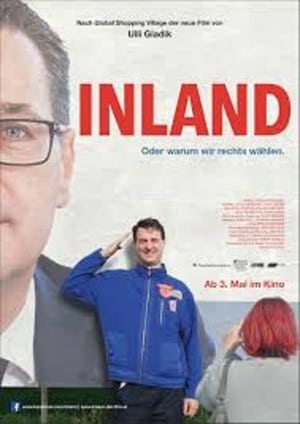
0%
Inland(en)
2019-05-03
"Politics for Austria," "Fairness," "We provide security"-election slogans that promise a return to bygone morals, adorn the city of Vienna before the Austrian national parliamentary elections in 2017. The mistrust with regard to supposed political elites, coupled with promises made by the right wing populist parties, polarize Austrian society. INLAND offers intimate insight into the lives of its protagonists and thereby draws a genre picture of their fears and hopes in complex times.

77%
Roberto Benigni: TuttoBenigni(it)
1983-09-29
The film presents many clips taken from the television and theatrical shows of the Tuscan comedian who makes fun of the habits of the Italians and of the governing politics of the eighties.
0%
Beside Heroes(fr)
2016-11-23
Wali, an ex-sniper, leaves Canada to fight the Islamic state. He meets two Americans: Rebaz and Zyrian. One is a veteran of the war in Iraq. The other is a homosexual idealist. They meet the Kurds, a welcoming people. Together, they will confront the fanatical Islamic terrorists. Beside Heroes, an uncensored documentary that tells the tale of three volunteer fighters who realized that to change the world, you have to act.
0%
The Shaman(et)
1997-02-05
"Shaman" was filmed on July the 16th, 1977 in the northernmost corner of Eurasia, on the Taymyr Peninsula, at the Avam river, concurrently with the shooting of the documentary "The Winds of the Milky Way". The Nganasan Shaman Demnime (1913-1980) was 64 years old at the time. The documentary about Demnime's incarnation ritual was completed 20 years later. The fifth and final documentary in Lennart Meri's "Encyclopaedia Cinematographica Gentium Fenno - Uricarum" series.
71%
Fahrenheit 9/11(en)
2004-06-25
Michael Moore's view on how the Bush administration allegedly used the tragic events on 9/11 to push forward its agenda for unjust wars in Afghanistan and Iraq.
70%
An Inconvenient Truth(en)
2006-05-24
A documentary on Al Gore's campaign to make the issue of global warming a recognized problem worldwide.
83%
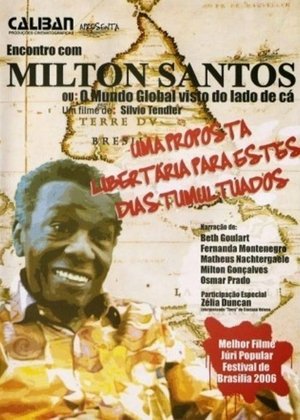
A Meeting with Milton Santos(pt)
2006-08-17
The film deals with the process of globalization based on the thought of geographer Milton Santos, who through his ideas and practices, inspires the debate about Brazilian society and the construction of a new world. Santos discusses his views on the importance of respecting difference and his belief that an alternative globalisation model could wholly enfranchise all citizens of the world. An illustrious presence in 20th century social sciences, the man dubbed as ‘geography’s philosopher’ eloquently elucidates a developing world perspective on the global age.

55%
Golden Years(fr)
2017-09-13
The true story of a French WW1 deserter who, with the support of his wife, spends a decade in disguise as a woman.
67%
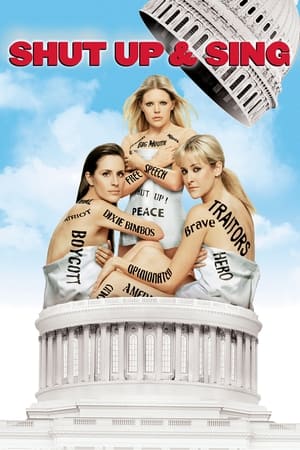
Dixie Chicks: Shut Up and Sing(en)
2006-10-27
Shut Up and Sing is a documentary about the country band from Texas called the Dixie Chicks and how one tiny comment against President Bush dropped their number one hit off the charts and caused fans to hate them, destroy their CD’s, and protest at their concerts. A film about freedom of speech gone out of control and the three girls lives that were forever changed by a small anti-Bush comment
70%
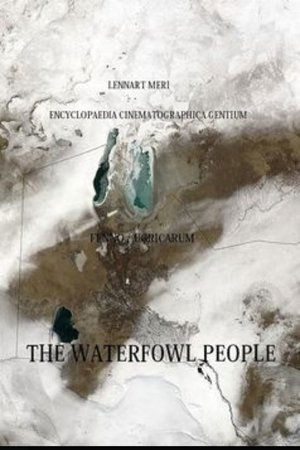
The Waterfowl People(et)
1970-01-01
A documentary about the histoy and linguistic ties of the Finno-Ugric, and Samoyedic peoples. Speakers of the Kamassian, Nenets, Khanty, Komi, Mari, and Karelian languages were filmed in their everyday settings in the late 1960s and early 1970s. The footage was shot in Altai Krai, the Nenets Okrug, Khantia-Mansia, Uzbekistan, the Komi Republic, Mari el, Karelia, and Estonia. The first documentary in Lennart Meri's "Encyclopaedia Cinematographica Gentium Fenno - Ugricarum (1970 - 1997)" series.