

Verdades verdaderas, la vida de Estela(2011)
In 1976, a coup d'etat by the Armed Forces replaced the argentine constitutional Government and policies of terror that trampled on human rights were implemented. In a few years, the hidden and silent violence of these policies spiraled and 30,000 citizens of different ages and social conditions were murdered. They were wrongly called the disappeared and, among them, there were young children or unborn young who were delivered in prisons of the military dictatorship and whose kidnappers abducted and registered as their own children. This movie tells the story of Estela Barnes Carlotto, a human rights activist in Argentina, chairwoman of the Association of Grandmothers of the Plaza de Mayo, who stopped being a housewife to get involved in public affairs after the kidnap of her daughter, Laura Estela Carlotto in 1977. The film is about the way her life was transformed.
Movie: Verdades verdaderas, la vida de Estela
Top 4 Billed Cast




HomePage
Overview
In 1976, a coup d'etat by the Armed Forces replaced the argentine constitutional Government and policies of terror that trampled on human rights were implemented. In a few years, the hidden and silent violence of these policies spiraled and 30,000 citizens of different ages and social conditions were murdered. They were wrongly called the disappeared and, among them, there were young children or unborn young who were delivered in prisons of the military dictatorship and whose kidnappers abducted and registered as their own children. This movie tells the story of Estela Barnes Carlotto, a human rights activist in Argentina, chairwoman of the Association of Grandmothers of the Plaza de Mayo, who stopped being a housewife to get involved in public affairs after the kidnap of her daughter, Laura Estela Carlotto in 1977. The film is about the way her life was transformed.
Release Date
2011-11-17
Average
5.6
Rating:
2.8 startsTagline
Genres
Languages:
Español
Recommendations Movies
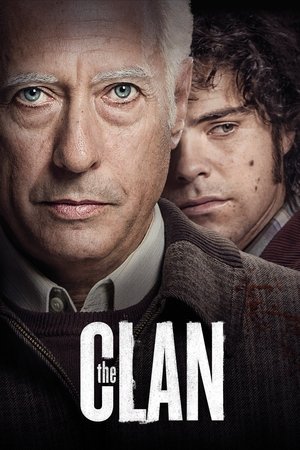
The Clan(es)
In Argentina, between 1982 and 1985, the Puccios, a well-established family of San Isidro, an upper-class suburb of Buenos Aires, kidnap several people and hold them as hostages for a ransom.
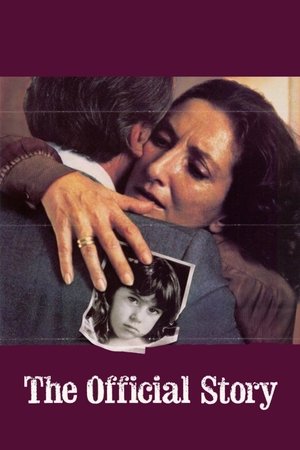
The Official Story(es)
Buenos Aires, Argentina, 1983. In the last and turbulent days of the military dictatorship, Alicia, a high school history teacher, begins to ask uncomfortable questions about the dark origins of Gaby, her adopted daughter.
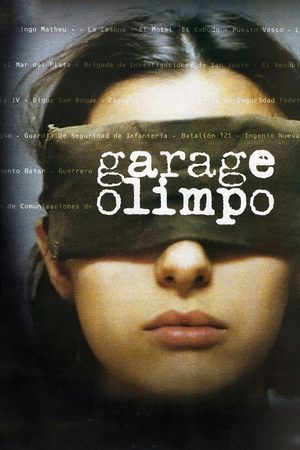
Garage Olimpo(es)
María is eighteen years old, she lives with her mother in an old house in Buenos Aires in 1978, subletting rooms and giving classes to poor illiterate adults. Suddenly she is abducted by a military squad and finds herself accused of subversion and submitted to torture in the hideous underground of the Garage Olimpo, while her mother desperately tries to find her.
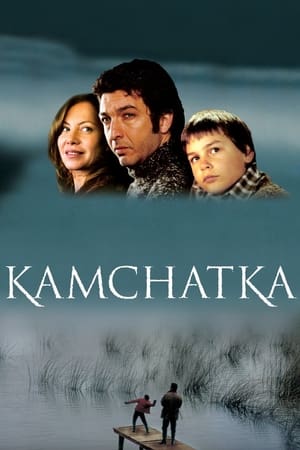
Kamchatka(es)
In 1976, Argentina fell into the hands of a de facto government. Thousands of citizens are persecuted and kidnapped. This is the case of the parents of two children, who, knowing they are wanted, decide to hide.

Argentina 1985(es)
In the 1980s, a team of lawyers takes on the heads of Argentina's bloody military dictatorship in a battle against odds and a race against time.
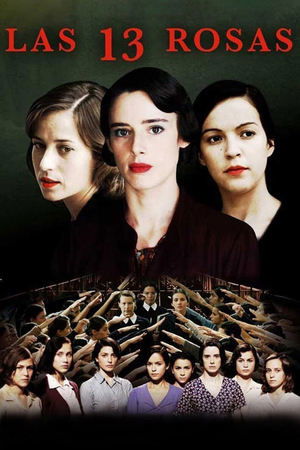
The 13 Roses(es)
True story of thirteen totally normal young women that suffered harsh questioning and were put in prison under made up charges of helping the rebellion against Franco back in the 1940s. Despite of their innocence, the thirteen were soon executed without even a trace of evidence of any wrong doing.
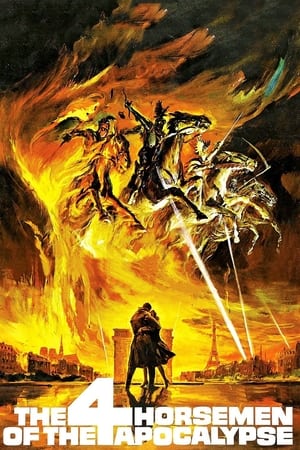
The Four Horsemen of the Apocalypse(en)
In Argentina, one daughter of patriarch Madariaga is married to a Frenchman while the other is married to a German thus leading to a crisis when Nazi Germany occupies France and some Madariaga family members fight on opposite sides.
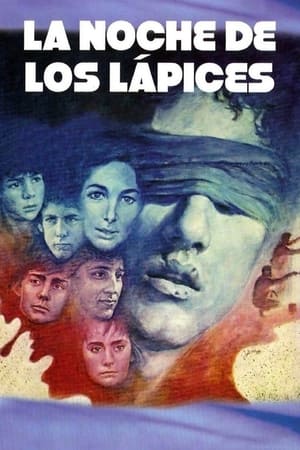
Night of the Pencils(es)
The Night of the Pencils was a series of kidnappings and forced disappearances, followed by the torture, rape, and murder of a number of young students during the last Argentine dictatorship (known as the National Reorganization Process). The kidnappings took place over the course of several days beginning on September 16, 1976.
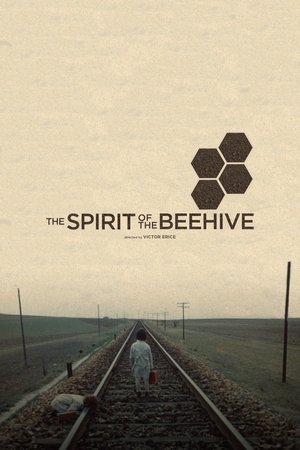
The Spirit of the Beehive(es)
In 1940, in the immediate aftermath of the Spanish Civil War, a young girl living on the Castilian plain is haunted after attending a screening of James Whale's 1931 film Frankenstein and hearing from her sister that the monster is not dead, instead existing as a spirit inhabiting a nearby barn.

American Pastoral(en)
Set in postwar America, a man watches his seemingly perfect life fall apart as his daughter's new political affiliation threatens to destroy their family.
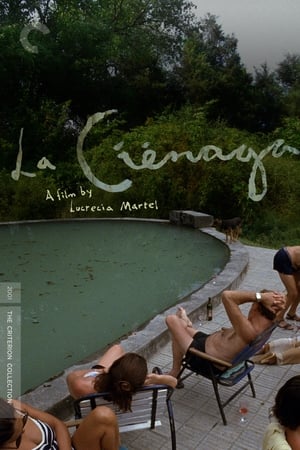
La Ciénaga(es)
Amid the sweltering summer heat in northern Argentina, two middle-class families retreat to a crumbling country estate and a modest townhouse, where strained relationships, simmering tensions, and the presence of children and servants quietly expose the fractures of family life. Between idle days, gossip, and unspoken desires, the boundaries of class, tradition, and faith are reflected in their everyday interactions.

The House on Telegraph Hill(en)
Concentration camp survivor Victoria Kowelska finds herself involved in mystery, greed, and murder when she assumes the identity of a dead friend in order to gain passage to America.
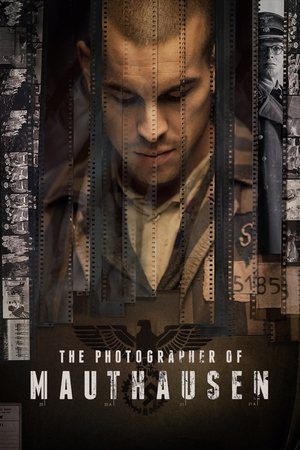
The Photographer of Mauthausen(es)
Spanish photographer Francesc Boix, imprisoned in the Mauthausen-Gusen concentration camp, works in the SS Photographic Service. Between 1943 and 1945, he hides, with the help of other prisoners, thousands of negatives, with the purpose of showing the freed world the atrocities committed by the Nazis, exhaustively documented. He will be a key witness during the Nuremberg Trials.
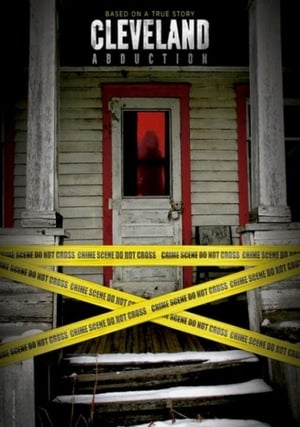
Cleveland Abduction(en)
A single mother becomes Ariel Castro's first kidnapping victim, and finds herself trapped in his home with two other women for 11 years.
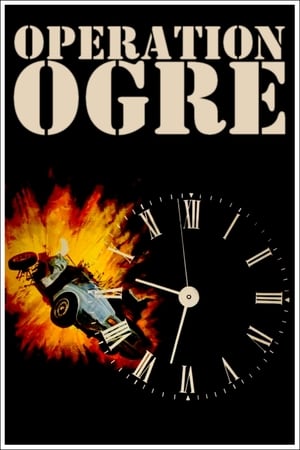
Operation Ogre(es)
Spain, 1973. Dictator Francisco Franco has ruled the country since 1939 with an iron fist; but he is now a very old and sick man. The future of the weakened regime is in danger. Admiral Carrero Blanco is his natural successor. The Basque terrorist gang ETA decides that he must die to prevent the dictatorship from continuing.

El Angel(es)
Buenos Aires, Argentina, 1971. Carlos Robledo Puch is a 19-year-old boy with an angelic face, but a vocational thief as well, who acts ruthlessly, without remorse. When he meets Ramón, they follow together a dark path of crime and death.
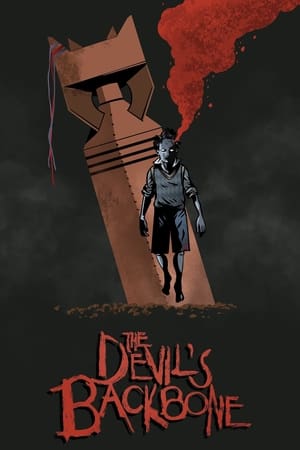
The Devil's Backbone(es)
Spain, 1939. In the last days of the Spanish Civil War, the young Carlos arrives at the Santa Lucía orphanage, where he will make friends and enemies as he follows the quiet footsteps of a mysterious presence eager for revenge.
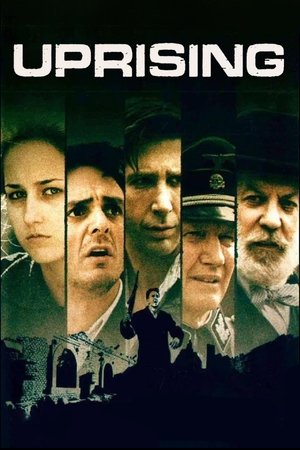

Operation Finale(en)
In 1960, a team of Israeli secret agents is deployed to find Adolf Eichmann, the infamous Nazi architect of the Holocaust, supposedly hidden in Argentina, and get him to Israel to be judged.
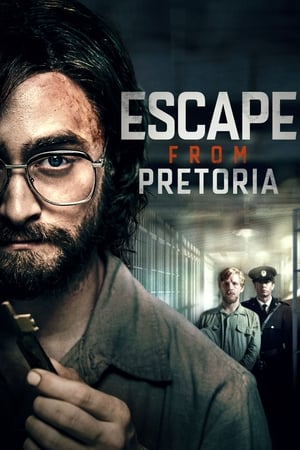
Escape from Pretoria(en)
South Africa, 1978. Tim Jenkin and Stephen Lee, two white political activists from the African National Congress imprisoned by the apartheid regime, put a plan in motion to escape from the infamous Pretoria Prison.