Māori(1981)
The hongi is a greeting of affection: aroma. 'Aroha': love or compassion, is the vine that binds the tribe.
This 1981 NFU film is a tour of the contemporary world of Aotearoa’s tangata whenua. It won headlines over claims that its portrayal of Māori had been sanitised for overseas viewers. Debate and a recut ensued. Writer Witi Ihimaera felt that mentions of contentious issues (Bastion Point, the land march) in his original script were ignored or elided in the final film, and withdrew from the project. He later told journalists that the controversy showed that educated members of minority groups were no longer prepared to let the majority interpret the minority view.
Movie: Māori
HomePage
Overview
This 1981 NFU film is a tour of the contemporary world of Aotearoa’s tangata whenua. It won headlines over claims that its portrayal of Māori had been sanitised for overseas viewers. Debate and a recut ensued. Writer Witi Ihimaera felt that mentions of contentious issues (Bastion Point, the land march) in his original script were ignored or elided in the final film, and withdrew from the project. He later told journalists that the controversy showed that educated members of minority groups were no longer prepared to let the majority interpret the minority view.
Release Date
1981-07-25
Average
0
Rating:
0.0 startsTagline
The hongi is a greeting of affection: aroma. 'Aroha': love or compassion, is the vine that binds the tribe.
Genres
Languages:
EnglishKeywords
Recommendations Movies

Naqoyqatsi(en)
A visual montage portrait of our contemporary world dominated by globalized technology and violence.
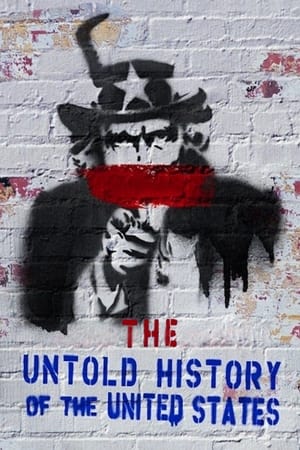
The Untold History Of The United States(en)
Oliver Stone charts the history of the United States from the Second World War to the present.
Powaqqatsi(en)
An exploration of technologically developing nations and the effect the transition to Western-style modernization has had on them.
Voyage of Time: The IMAX Experience(en)
A celebration of the universe, displaying the whole of time, from its start to its final collapse. This film examines all that occurred to prepare the world that stands before us now: science and spirit, birth and death, the grand cosmos and the minute life systems of our planet.

Making Waves: The Art of Cinematic Sound(en)
The history of cinematic sound, told by legendary sound designers and visionary filmmakers.
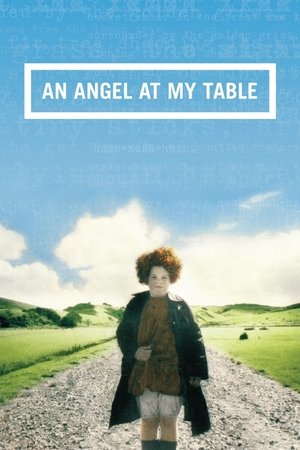
An Angel at My Table(en)
Based on the autobiographical work of New Zealand writer Janet Frame, this production depicts the author at various stage of her life. Afflicted with mental and emotional issues, Frame grows up in an impoverished family and experiences numerous tragedies while still in her youth, including the deaths of two of her siblings. Portrayed as an adult by Kerry Fox, Frame finds acclaim for her writing while still in a mental institution, and her success helps her move on with her life.
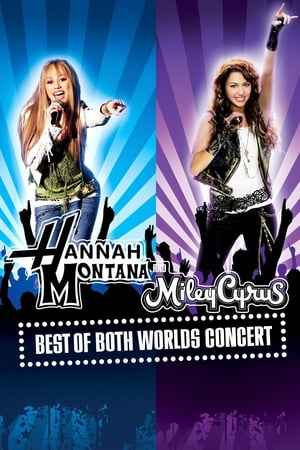
Hannah Montana & Miley Cyrus: Best of Both Worlds Concert(en)
In this concert film, 'Hannah Montana' star Miley Cyrus performs a slew of hit songs, including 'Just Like You' and 'Life's What You Make It.'
My Life Directed by Nicolas Winding Refn(en)
A documentary directed by Winding Refn's wife, Liv Corfixen, and it follows the Danish-born filmmaker during the making of his 2013 film Only God Forgives.
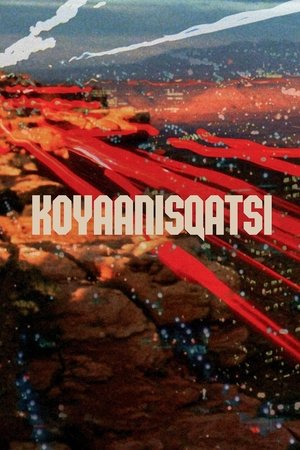
Koyaanisqatsi(en)
Takes us to locations all around the US and shows us the heavy toll that modern technology is having on humans and the earth. The visual tone poem contains neither dialogue nor a vocalized narration: its tone is set by the juxtaposition of images and the exceptional music by Philip Glass.
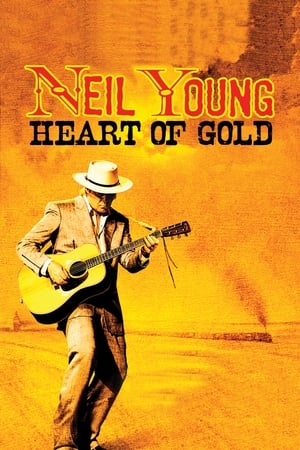
Neil Young: Heart of Gold(en)
In March 2005, Neil Young was diagnosed with a brain aneurysm. Four days before he was scheduled for a lifesaving operation, he headed to Nashville, where he wrote and recorded the country folk album Prairie Wind with old friends and family members. After the successful operation and recovery period, he returned to Nashville that August to play at the famed Ryman Auditorium, once again gathering together friends and family for this special performance.
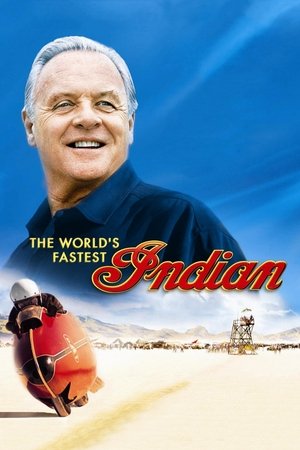
The World's Fastest Indian(en)
The life story of New Zealander Burt Munro, who spent years building a 1920 Indian motorcycle—a bike which helped him set the land-speed world record at Utah's Bonneville Salt Flats in 1967.
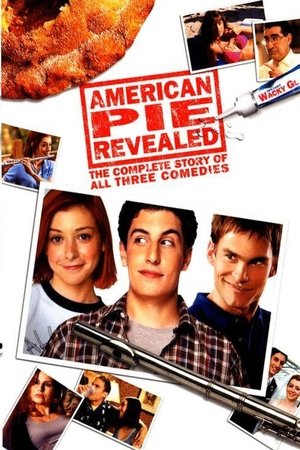
American Pie: Revealed(en)
Documentary about the making of American Pie (1999), American Pie 2 (2001) and American Wedding (2003).
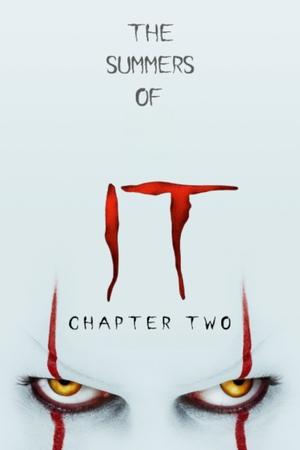
The Summers of It - Chapter Two: It Ends(en)
This documentary focuses on the actors and their journey over two summers to create the remake to the original IT, by Stephen King. The documentary originally released as bonus material, bundled with IT: Chapter Two.
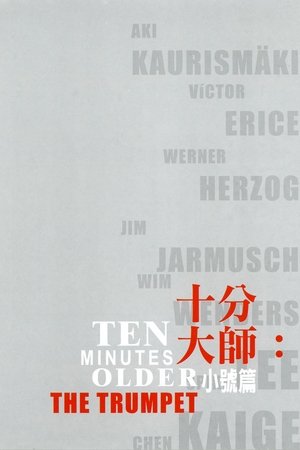
Ten Minutes Older: The Trumpet(en)
Ten Minutes Older is a 2002 film project consisting of two compilation feature films entitled The Trumpet and The Cello. The project was conceived by the producer Nicolas McClintock as a reflection on the theme of time at the turn of the Millennium. Fifteen celebrated film-makers were invited to create their own vision of what time means in ten minutes of film.

The Matrix Recalibrated(en)
The making of Matrix Revolutions, The (2003) is briefly touched on here in this documentary. Interviews with various cast and crew members inform us how they were affected by the deaths of Gloria Foster and Aaliyah, and also delve into the making of the visual effects that takes up a lot of screen time. Written by Rhyl Donnelly
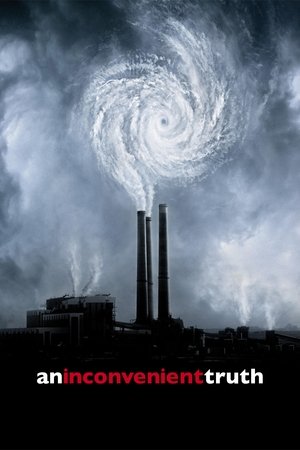
An Inconvenient Truth(en)
A documentary on Al Gore's campaign to make the issue of global warming a recognized problem worldwide.
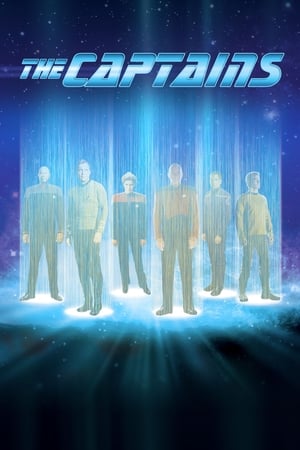
The Captains(en)
The Captains is a feature-length documentary film written and directed by William Shatner. The film follows Shatner as he interviews the other actors who have portrayed starship captains in the Star Trek franchise.
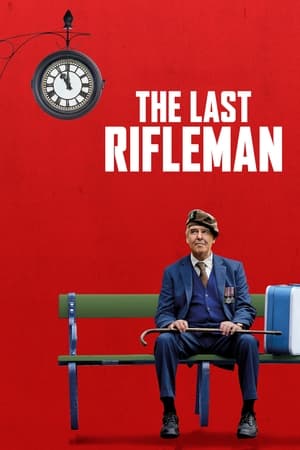
The Last Rifleman(en)
A WWII veteran escapes his care home in Northern Ireland and embarks on an arduous but inspirational journey to France to attend the 75th anniversary of the D-Day landings, finding the courage to face the ghosts of his past.
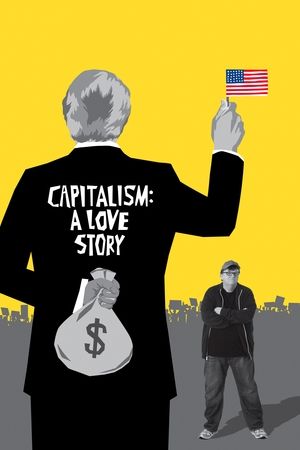
Capitalism: A Love Story(en)
Michael Moore comes home to the issue he's been examining throughout his career: the disastrous impact of corporate dominance on the everyday lives of Americans (and by default, the rest of the world).
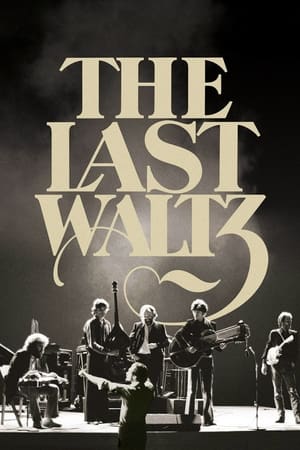
The Last Waltz(en)
Martin Scorsese's documentary intertwines footage from The Band's incredible farewell tour with probing backstage interviews and featured performances by Eric Clapton, Bob Dylan, Joni Mitchell, Van Morrison, and other rock legends.
Similar Movies
Dread(en)
An East Coast community in Ruatōria, New Zealand attempts to live in autarchy according to the tenets of their movement. Bob Marley, a prophet of our electronic age, is the soundtrack to the everyday lives of these Māori who feel closer to their own roots by observing a blend of Afro-Carribean Rastafarianism and the Ringatū faith. Merata Mita's camera respectfully portrays this singular cultural dialogue. The outsider cultures of Jamaicans, Ethiopians and Māori have come together, vibrating to a common cosmic chord. They find an underground brotherhood, across continents and seas.
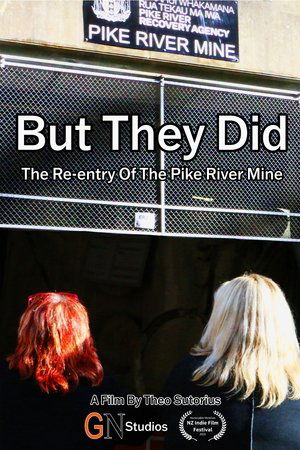
But They Did: The Re-entry Of The Pike River Mine(en)
Anna Osborn and Sonia Rockhouse were forever changed when the Pike River Mine Disaster stole their loved ones, but instead of sitting down, they stood up! But They Did tells Anna and Sonia's story, following them through the period of time before and during the re-entry of the mine.
An Angel at My Table(en)
Based on the autobiographical work of New Zealand writer Janet Frame, this production depicts the author at various stage of her life. Afflicted with mental and emotional issues, Frame grows up in an impoverished family and experiences numerous tragedies while still in her youth, including the deaths of two of her siblings. Portrayed as an adult by Kerry Fox, Frame finds acclaim for her writing while still in a mental institution, and her success helps her move on with her life.
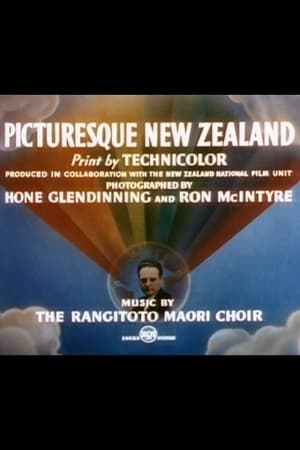
Picturesque New Zealand(en)
This Traveltalk series short visit to New Zealand starts in Auckland, a bustling, modern city. Next is Christchurch, home of Canterbury University, where rowing teams participate in a regatta. Nearby is Lake Wakatipu, which inspires artists to put their impressions on canvas. We then visit Rotorua, a city famous for its geysers, hot springs, bubbling mud pools, and other geothermal activity. At Ferry Springs there is lots of trout for fishing. Later, a group of natives performs a canoe dance.
River Deep, Mountain High: James Nesbitt in New Zealand(en)
James Nesbitt moved to New Zealand in 2011 when he landed the role of Bofur in Peter Jackson's Hobbit trilogy, but he says the country remains largely unknown to him. Travelling more than 1,000 miles from the tip of the North Island down to the South, the actor finds out more about the place he has called home, visiting areas of natural beauty and learning about the nation's history and traditions. Along the way, he meets former All Blacks player the late great Jonah Lomu, takes a trip around film star Sam Neill's vineyards in Queenstown, catches up with Peter Jackson and goes Base-jumping from the tallest building in Auckland.
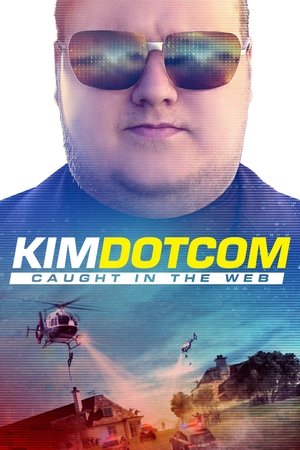
Kim Dotcom: Caught in the Web(en)
The larger-than-life story of Kim Dotcom, the 'most wanted man online', is extraordinary enough, but the battle between Dotcom and the US Government and entertainment industry—being fought in New Zealand—is one that goes to the heart of ownership, privacy and piracy in the digital age.
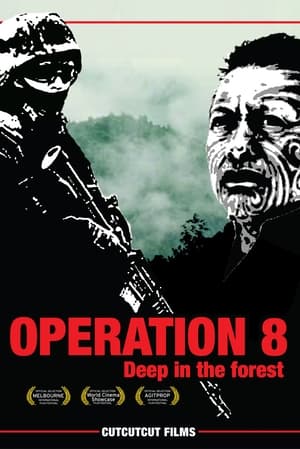
Operation 8(en)
Operation 8 examines the so-called 'anti-terror' raids that took place around New Zealand on October 15, 2007 - asking how and why they took place and at what cost to those targeted.
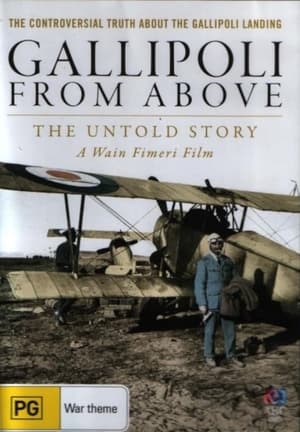
Gallipoli from Above(en)
Gallipoli from Above: The Untold Story is the true story of how a team of Australian officers used aerial intelligence, emerging technology and innovative tactics to plan the landing at Anzac Cove. It is now nearly 100 years since the landing and hundreds of books, movies and documentaries have failed to grasp the significance of the ANZAC achievement. Instead, the mythology has clouded the real story of how these two influential Australian officers took control of the landing using every innovation they could muster to safely land their men on Z beach.
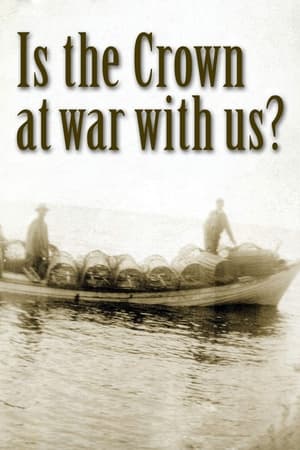
Is the Crown at war with us?(en)
In the summer of 2000, federal fishery officers appeared to wage war on the Mi'gmaq fishermen of Burnt Church, New Brunswick. Why would officials of the Canadian government attack citizens for exercising rights that had been affirmed by the highest court in the land? Alanis Obomsawin casts her nets into history to provide a context for the events on Miramichi Bay.
The World's Fastest Indian(en)
The life story of New Zealander Burt Munro, who spent years building a 1920 Indian motorcycle—a bike which helped him set the land-speed world record at Utah's Bonneville Salt Flats in 1967.
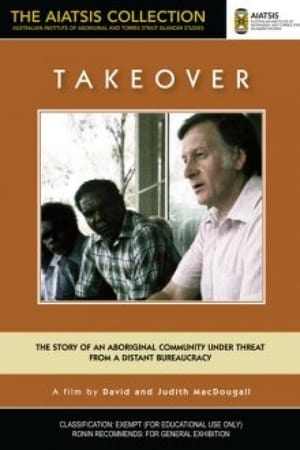
Takeover(en)
About Aborigines and Australian politics. On 13 March 1978 the Queensland Government announced its intention to take over management of the Aurukun Aboriginal Reserve from the Uniting Church. The people of Aurukun complained bitterly, believing that the Church was more sympathetic to their aims and fearing that the State was merely seeking easier access to the rich bauxite deposits on their Reserve. When the Federal Government took the side of the Aborigines the stage was set for national confrontation. Shows the situation at Aurukun during those crucial three weeks.

Battle for the Trees(en)
This documentary examines the battle strategies of citizens, scientists, loggers, environmentalists and First Nations people who are fighting over the liquidation of public forests and, with it, a way of life.
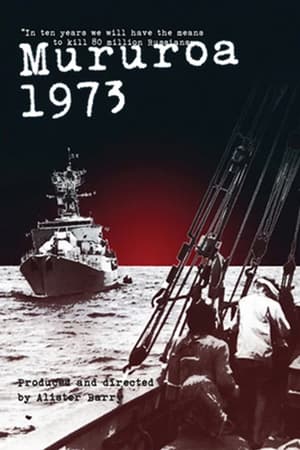
Mururoa 1973(en)
In 1973 Alister Barry joined the crew of a protest boat (The Fri) to Mururoa Atoll, where the French Government were testing nuclear weapons. Barry records the assembly of the crew, the long journey from Northland, and their reception in the test zone; when The Fri was boarded and impounded by French military he had to hide his camera in a barrel of oranges.
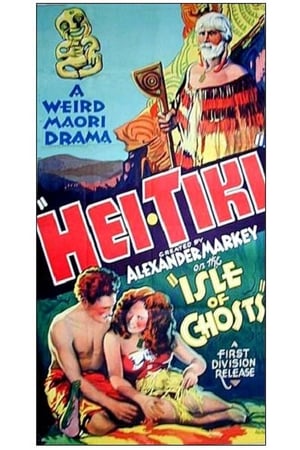
Hei Tiki(en)
Hei Tiki, also known as Primitive Passions and Hei Tiki: A Saga of the Maoris, is a 1935 American mock-documentary film made in New Zealand by the eccentric Alexander Markey and released (with sound added) in America. The film gained notoriety in America for having scenes of nudity cut in various states. It is one of four films (with The Devil's Pit, Down on the Farm, and On the Friendly Road) which claim to be the first "New Zealand talkie", although the claim is dubious in this case as the sound was added in America.
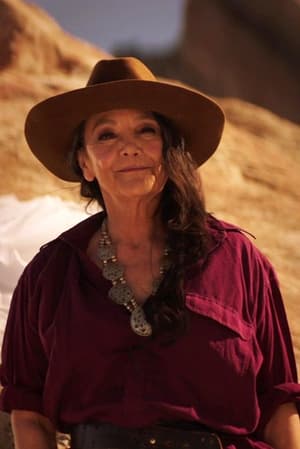
Tantoo Cardinal(en)
A moving portrait of actress Tantoo Cardinal, travelling through time and across the many roles she’s played, capturing her strength and her impact—and how she shattered the glass ceiling and survived.
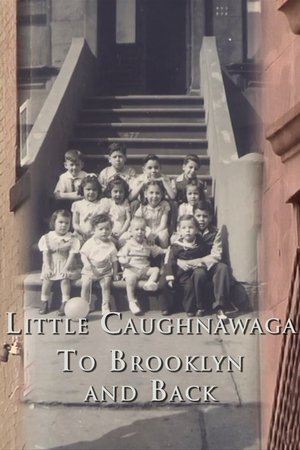
Little Caughnawaga: To Brooklyn and Back(en)
For over 50 years, the Kahnawake Mohawks, of Quebec, Canada occupied a 10 square block area in the North Gowanus section of Brooklyn, which became known as Little Caughnawaga. The men, skilled ironworkers, came to New York in search of work and brought their wives, children and often, extended family with them. The story of the Mohawk ironworkers is an important one and is one that has been told and continues to be told through documentaries, newspaper and magazine articles. Yet the stories of Kahnawake Mohawk women who lived in Brooklyn have gone untold.