

Into the Island(2023)
Into the Island is the first chapter of Groundwork, a three-part film and exhibition series exploring the conceptual development and field research of contemporary architects cultivating alternative modes of engagement with new project sites.
Movie: Into the Island
Top 1 Billed Cast
Video Trailer Into the Island
Video: Groundwork : Into the Island - Roundtable

Groundwork : Into the Island - Roundtable

Opening Conference - Groundwork : Into the Island
All 2 videos

Groundwork : Into the Island - Roundtable - Behind the Scenes

Opening Conference - Groundwork : Into the Island - Behind the Scenes
Recommendations Movies

Naqoyqatsi(en)
A visual montage portrait of our contemporary world dominated by globalized technology and violence.
Powaqqatsi(en)
An exploration of technologically developing nations and the effect the transition to Western-style modernization has had on them.

In the Realms of the Unreal(en)
In the Realms of the Unreal is a documentary about the reclusive Chicago-based artist Henry Darger. Henry Darger was so reclusive that when he died his neighbors were surprised to find a 15,145-page manuscript along with hundreds of paintings depicting The Story of the Vivian Girls, in What is Known as the Realms of the Unreal, of the Glodeco-Angelinnian War Storm, Cased by the Child Slave Rebellion.
Burma VJ: Reporting from a Closed Country(en)
Going beyond the occasional news clip from Burma, the acclaimed filmmaker, Anders Østergaard, brings us close to the video journalists who deliver the footage. Though risking torture and life in jail, courageous young citizens of Burma live the essence of journalism as they insist on keeping up the flow of news from their closed country.
We Live in Public(en)
In 1999, Internet entrepreneur Josh Harris recruits dozens of young men and women who agree to live in underground apartments for weeks at a time while their every movement is broadcast online. Soon, Harris and his girlfriend embark on their own subterranean adventure, with cameras streaming live footage of their meals, arguments, bedroom activities, and bathroom habits. This documentary explores the role of technology in our lives, as it charts the fragile nature of dot-com economy.
Champs(en)
A documentary about the sport of boxing, as seen through the eyes of champions Mike Tyson, Evander Holyfield and Bernard Hopkins.
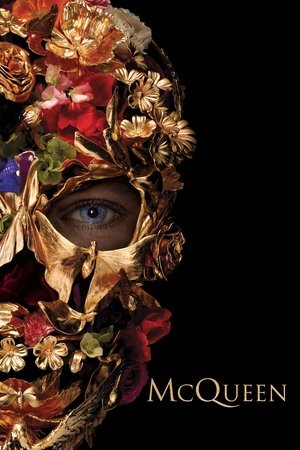
McQueen(en)
Alexander McQueen's rags-to-riches story is a modern-day fairy tale, laced with the gothic. Mirroring the savage beauty, boldness and vivacity of his design, this documentary is an intimate revelation of McQueen's own world, both tortured and inspired, which celebrates a radical and mesmerizing genius of profound influence.
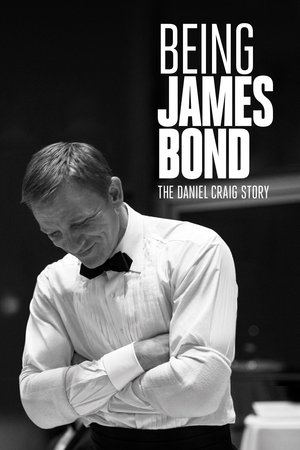
Being James Bond(en)
Daniel Craig candidly reflects on his 15 year adventure as James Bond. Including never-before-seen archival footage from Casino Royale to the upcoming 25th film No Time To Die, Craig shares his personal memories in conversation with 007 producers, Michael G Wilson and Barbara Broccoli.
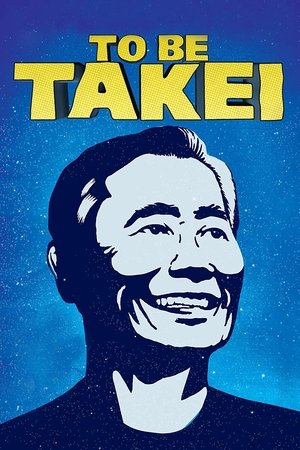
To Be Takei(en)
Over seven decades, actor and activist George Takei journeyed from a World War II internment camp to the helm of the Starship Enterprise, and then to the daily news feeds of five million Facebook fans. Join George and his husband, Brad, on a wacky and profound trek for life, liberty, and love.
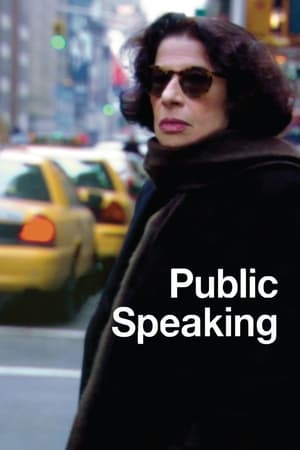
Public Speaking(en)
Martin Scorsese’s portrait of writer and social commentator Fran Lebowitz, celebrated for her sharp wit and observations on modern life. Filmed at New York’s Waverly Inn and intercut with archival footage and interviews, the documentary captures Lebowitz’s distinctive worldview through her spontaneous monologues and public appearances.
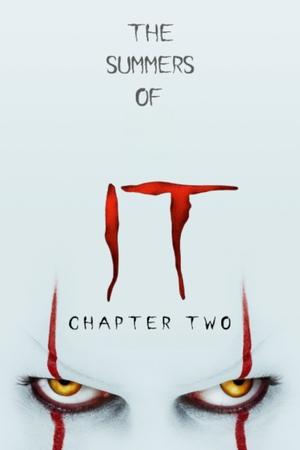
The Summers of It - Chapter Two: It Ends(en)
This documentary focuses on the actors and their journey over two summers to create the remake to the original IT, by Stephen King. The documentary originally released as bonus material, bundled with IT: Chapter Two.
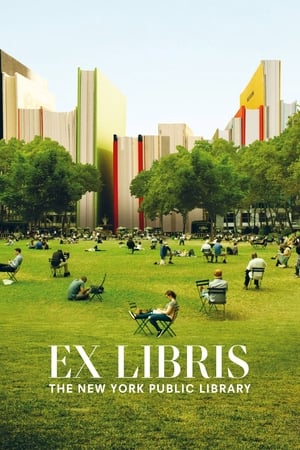
Ex Libris: The New York Public Library(en)
A documentary about how a dominant cultural and demographic institution both sustains their traditional activities and adapts to the digital revolution.

Anna Nicole Smith: You Don't Know Me(en)
From the heights of her modeling fame to her tragic death, this documentary reveals Anna Nicole Smith through the eyes of the people closest to her.
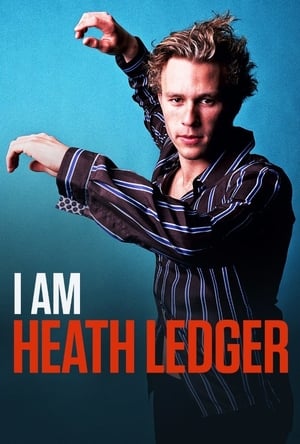
I Am Heath Ledger(en)
The life and career of an actor, artist, and icon. His own journey through his own camera.

Voyage of Time: The IMAX Experience(en)
A celebration of the universe, displaying the whole of time, from its start to its final collapse. This film examines all that occurred to prepare the world that stands before us now: science and spirit, birth and death, the grand cosmos and the minute life systems of our planet.

The Class of ‘92(en)
A detailing of the rise to prominence and global sporting superstardom of six supremely talented young Manchester United football players (David Beckham, Nicky Butt, Ryan Giggs, Paul Scholes, Phil and Gary Neville). The film covers the period 1992-1999, culminating in Manchester United's European Cup triumph.
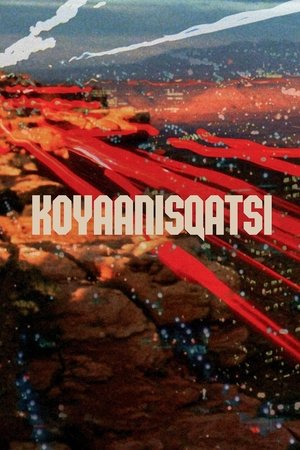
Koyaanisqatsi(en)
Takes us to locations all around the US and shows us the heavy toll that modern technology is having on humans and the earth. The visual tone poem contains neither dialogue nor a vocalized narration: its tone is set by the juxtaposition of images and the exceptional music by Philip Glass.
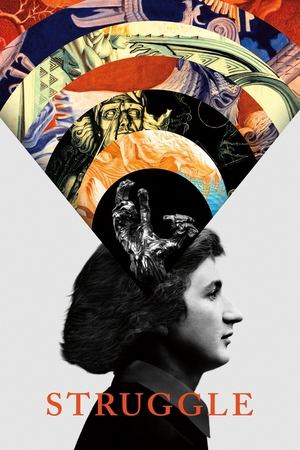
Struggle: The Life and Lost Art of Szukalski(en)
Artists in LA discover the work of forgotten Polish sculptor Stanislav Szukalski, a mad genius whose true story unfolds chapter by astounding chapter.
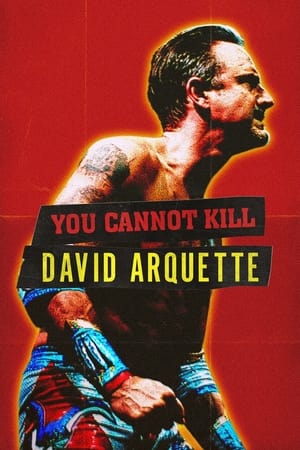
You Cannot Kill David Arquette(en)
Following his infamous championship as part of a marketing stunt for the film Ready to Rumble, David Arquette is widely known as the most hated man in pro-wrestling worldwide. Nearly 20 years after he "won" the initial title, through ups and downs in his career, with his family, and with his struggles with addiction, David Arquette seeks redemption by returning to the ring...for real this time.
Similar Movies
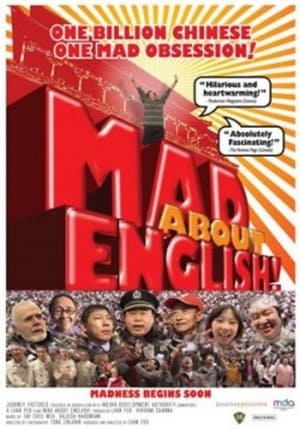
Mad About English!(en)
The amazing story of 1,000,000,000 people and their MAD MAD MAD rush to learn English! China 's love affair with the English language has reached feverish proportions. With half a million or more visitors descending on Beijing for the Games, can the Chinese pull it off with their newly-acquired English? Mad About English! follows the inspiring and heart-warming efforts of a city preparing to host the world by learning a once-forbidden tongue.
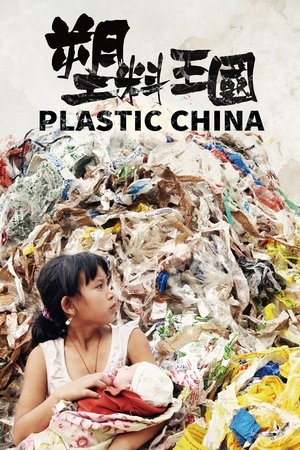
Plastic China(zh)
This film tells a story about an unschooled 11-year-old girl Yi-Jie, she's a truly global child who learns the world through the United Nations of Wastes while working with her YI minority parents in this recycle workshop thousand miles away from their mountain village home town
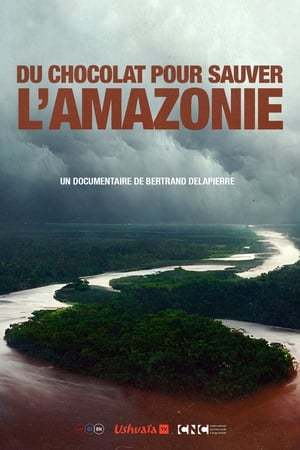
Du Chocolat Pour Sauver l'Amazonie(fr)
The Amazon is the river of superlatives: the longest - 7,025 km, the most powerful, the most indomitable - no dam possible over hundreds of kilometres. Its waters cross the largest tropical forest in the world: the Amazon, “the lungs of the earth”. Going against the current of this gigantism, this documentary is betting on approaching this extraordinary natural space through one of its tiniest productions: the cocoa bean. Scientists, chocolate makers, producers and farmers, many are those who, faced with the deforestation of this unique ecosystem, use this chocolate seed to recreate, on a small scale, human exploitations in harmony with nature. This film tells us about the fight of those who decided to make cocoa the spearhead of environmental defense in Brazil.

Kiss the Wind(zh)
After the COVID-19 time, the weather gradually turned cool and the octogenarian couple led a quiet life. The couple realized that there were only three people left in their generation after stumbling upon a photo. So they decided to visit their relative who lived in another city.
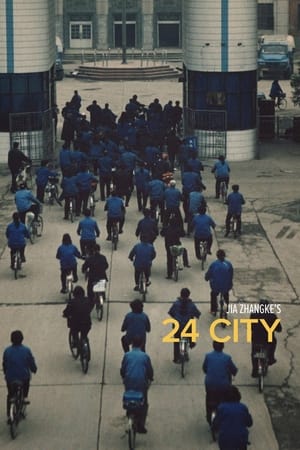
24 City(zh)
As a decades-old state-run aeronautics munitions factory in downtown Chengdu, China is being torn down for the construction of the titular luxury apartment complex, director Jia Zhangke interviews various people affiliated with it about their experiences.

Paris, the Mystery of the Disappeared Palace(fr)
In the heart of Paris, an entire palace has disappeared. It was the very first residence of the kings of France. Long before Versailles, long before the Louvre, the Palais de la Cité stood on the most prestigious island in Paris, the historic cradle of France, facing Notre-Dame. So majestic in the Middle Ages, this palace has become a ghost of history. Over the centuries, this architectural masterpiece has almost completely disappeared. A trio of experts will resurrect it in 3D. Using science and unprecedented excavations, they will track down the pieces of the puzzle to reconstruct it at its peak in the 14th century, and bring back to life those who inhabited it. From the Romans to the Vikings, from Saint Louis to the cursed kings, all have left clues of this 'Versailles of the Middle Ages'.
Bauhaus 100(en)
In 1919 an art school opened in Germany that would change the world forever. It was called the Bauhaus. A century later, its radical thinking still shapes our lives today. Bauhaus 100 is the story of Walter Gropius, architect and founder of the Bauhaus, and the teachers and students he gathered to form this influential school. Traumatised by his experiences during the Great War, and determined that technology should never again be used for destruction, Gropius decided to reinvent the way art and design were taught. At the Bauhaus, all the disciplines would come together to create the buildings of the future, and define a new way of living in the modern world.
Beijing Spring(en)
The documentary film of the brief window of artistic freedom and democracy movement 1978 - 1982 following China's brutal cultural revolution.
World War C(nl)
It's war. War against an invisible enemy that is not as deadly as we are told. The world is changing rapidly. Disproportionate measures are taken worldwide that disrupt society as a whole. A dichotomy in society forced vaccinations and restrictions on freedom. Have we had the worst? Or is there something more disturbing to awaiting us.

Group of dancers(fr)
Cultural documentary featuring a Chinese folk dance performance held in the courtyard of Auguste François's house in Yunnanfu, present-day Kunming, China. Four dancers interact in an artistic performance. Produced in 1901 by Societé L. Gaumont et Cie. and directed by French photographer and diplomat Auguste François. Working as a French diplomatic consul in China, Auguste François shot a large number of films, most of which are still preserved, showing aspects of Chinese society in the last years of the last Chinese monarchical dynasty, the Qing. This film was only released commercially in 1905 as part of the collection "Au Pays des Mandarins".
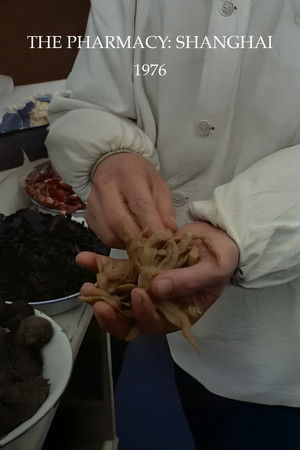
The Pharmacy: Shanghai(fr)
Filmed inside Pharmacy No. 3 in Shanghai, Joris Ivens and Marceline Loridan-Ivens document the daily work of a state pharmacy that functions as both a dispensary and a neighborhood medical center. The film focuses on routine interactions between staff and patients, revealing an integrated model of urban healthcare in 1970s China.
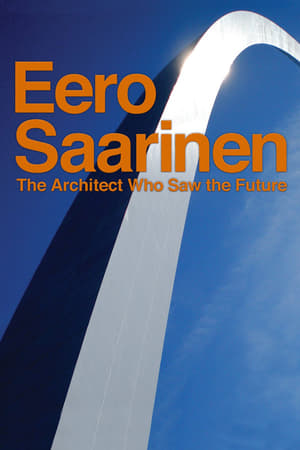
Eero Saarinen: The Architect Who Saw the Future(en)
Best known for designing National Historic Landmarks such as St. Louis’ iconic Gateway Arch and the General Motors Technical Center, Saarinen also designed New York’s TWA Flight Center at John F. Kennedy International Airport, Yale University’s Ingalls Rink and Morse and Ezra Stiles Colleges, Virginia’s Dulles Airport, and modernist pedestal furniture like the Tulip chair.
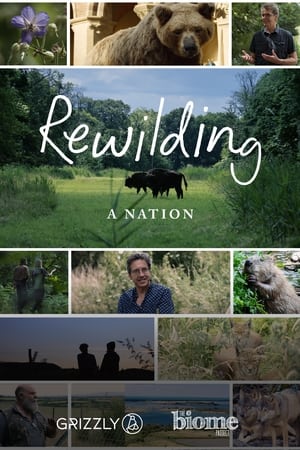
Rewilding a Nation(en)
Robi Watkinson and Emma Hodson travel across Britain and the Netherlands documenting the story of the rewilding movement from its inception, to the return of the beaver, bison and perhaps one day, the lynx to Britain.
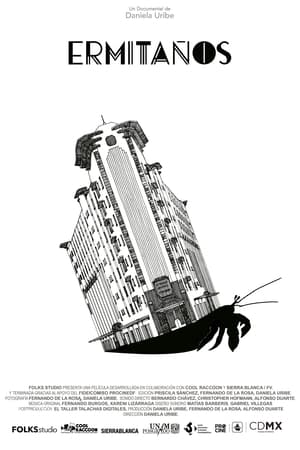
The Hermits(es)
In the midst of the chaos of México City, a group of eight bachelor millennials who call themselves ´The Hermits´, open the doors to their tiny apartments in the historic Ermita Building, in the yet-to-be gentrified neighborhood of Tacubaya, and share their life experiences in a time when precarity changes the way in which we love, feel and relate to each other. As we explore the homes of these eight neighbors, we also witness their personalities intersect in a Whatsapp chat, a virtual space that functions as a supporting system that helps them face the adversities that living alone in this city brings.
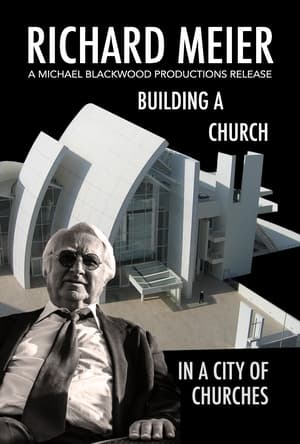
Richard Meier in Rome Building a Church in the City of Churches(en)
Known for his bold, abstract and stark white buildings, American architect Richard Meier now takes on the challenge of building the Jubilee Church in Rome. Holding the location in high regard, Meier praises the vibrant visual layout of the city and tells us, "Rome is a city of architecture; it's a city of walls and columns and spaces and places and defined places and wherever you look there's architecture" (Richard Meier). Staying true to his signature design style, Meier has created a structure resembling grand soaring sails which appear steady and peaceful as they stand in striking opposition to the city's landscape. Three curved walls separate three distinct spaces: the main sanctuary, the weekday chapel and the baptistry, each with its own entrance. As a contrast he shows us his favorite churches in Rome by his famous colleagues from earlier times.
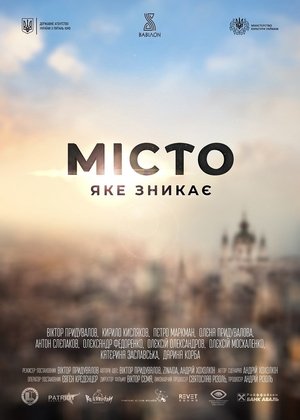
Fading City(uk)
A docu-art film about Kyiv and the contemporary problems of the capital. The film raises the issue of the dilapidated state of Kyiv's old buildings and the search for effective mechanisms to preserve the city's architectural heritage.
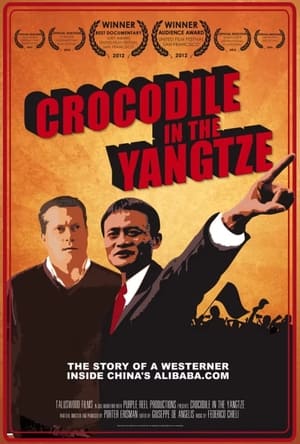
Crocodile in the Yangtze(en)
Crocodile in the Yangtze follows China's first Internet entrepreneur and former English teacher, Jack Ma, as he battles US giant eBay on the way to building China's first global Internet company, Alibaba Group. An independent memoir written, directed and produced by an American who worked in Ma's company for eight years, Crocodile in the Yangtze captures the emotional ups and downs of life in a Chinese Internet startup at a time when the Internet brought China face-to-face with the West. Crocodile in the Yangtze draws on 200 hours of archival footage filmed by over 35 sources between 1995 and 2009. The film presents a strikingly candid portrait of Ma and his company, told from the point of view of an “American fly on a Chinese wall” who witnessed the successes and the mistakes Alibaba encountered as it grew from a small apartment into a global company employing 16,000 staff.