Loading Page


Aus der Tiefe empor(1934)
Status: Released
Date: 1934-10-29
0%
0 Votes
Time: 0h 18m
Overview:
Images and numbers illustrate the domestic political measures taken after the Nazis came to power to eliminate unemployment.
Languages: German.
Countries:
Germany
ProductionCompanies:
Reichspropagandaleitung der NSDAP
Movie: Aus der Tiefe empor
Top 2 Billed Cast

Paul Rehkopf
Homeless Man (uncredited)
HomePage
Overview
Images and numbers illustrate the domestic political measures taken after the Nazis came to power to eliminate unemployment.
Release Date
1934-10-29
Average
0
Rating:
0.0 startsTagline
Genres
Languages:
DeutschKeywords
Recommendations Movies


76%
Night Will Fall(en)
2014-06-07
When Allied forces liberated the Nazi concentration camps in 1944-45, their terrible discoveries were recorded by army and newsreel cameramen, revealing for the first time the full horror of what had happened. Making use of British, Soviet and American footage, the Ministry of Information’s Sidney Bernstein (later founder of Granada Television) aimed to create a documentary that would provide lasting, undeniable evidence of the Nazis’ unspeakable crimes. He commissioned a wealth of British talent, including editor Stewart McAllister, writer and future cabinet minister Richard Crossman – and, as treatment advisor, his friend Alfred Hitchcock. Yet, despite initial support from the British and US Governments, the film was shelved, and only now, 70 years on, has it been restored and completed by Imperial War Museums under its original title "German Concentration Camps Factual Survey".
69%
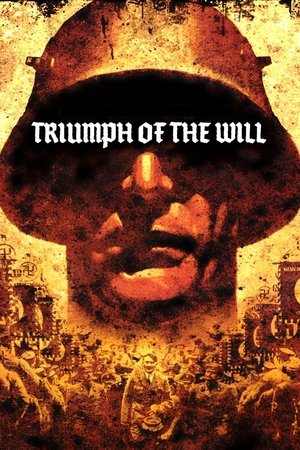
Triumph of the Will(de)
1935-03-28
A showcase of German chancellor and Nazi Party leader Adolf Hitler at the 1934 Nuremberg Rally.
71%
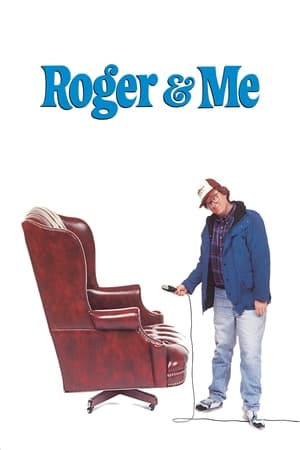
Roger & Me(en)
1989-09-01
A documentary about the closure of General Motors' plant at Flint, Michigan, which resulted in the loss of 30,000 jobs. Details the attempts of filmmaker Michael Moore to get an interview with GM CEO Roger Smith.
73%
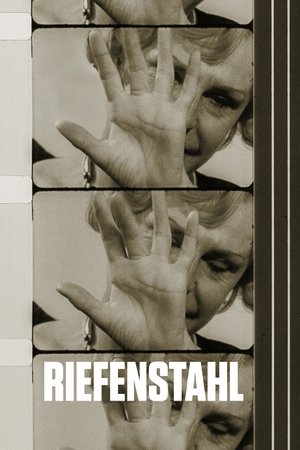
Riefenstahl(de)
2024-08-29
Explores Leni Riefenstahl's artistic legacy and her complex ties to the Nazi regime, juxtaposing her self-portrayal with evidence suggesting awareness of the regime's atrocities.
74%
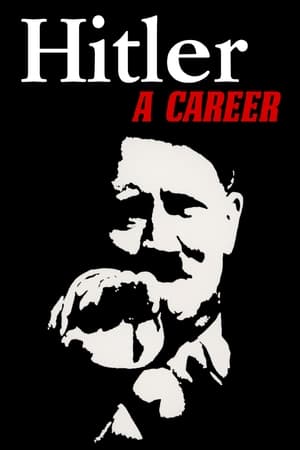
Hitler: A Career(de)
1977-07-08
A keen chronicle of the unlikely rise to power of Adolf Hitler (1889-1945) and a dissection of the Third Reich (1933-1945), but also an analysis of mass psychology and how the desperate crowd can be deceived and shepherded to the slaughterhouse.

71%
The Class of ‘92(en)
2013-12-01
A detailing of the rise to prominence and global sporting superstardom of six supremely talented young Manchester United football players (David Beckham, Nicky Butt, Ryan Giggs, Paul Scholes, Phil and Gary Neville). The film covers the period 1992-1999, culminating in Manchester United's European Cup triumph.
77%
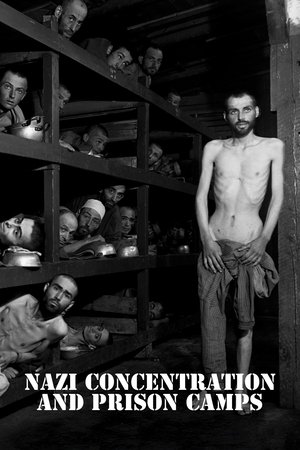
Nazi Concentration Camps(en)
1945-11-29
Produced and presented as evidence at the Nuremberg war crimes trial of Hermann Göring and twenty other Nazi leaders, this film consists primarily of dead and surviving prisoners and of facilities used to kill and torture during the World War II.
78%
Being James Bond(en)
2021-08-29
Daniel Craig candidly reflects on his 15 year adventure as James Bond. Including never-before-seen archival footage from Casino Royale to the upcoming 25th film No Time To Die, Craig shares his personal memories in conversation with 007 producers, Michael G Wilson and Barbara Broccoli.
75%
McQueen(en)
2018-06-08
Alexander McQueen's rags-to-riches story is a modern-day fairy tale, laced with the gothic. Mirroring the savage beauty, boldness and vivacity of his design, this documentary is an intimate revelation of McQueen's own world, both tortured and inspired, which celebrates a radical and mesmerizing genius of profound influence.
67%
Anselm(de)
2023-10-12
This unique cinematic experience dives deep into an artist’s work and reveals his life path, inspiration, and creative process. It explores his fascination with myth and history. Past and present are interwoven to diffuse the line between film and painting, allowing the audience to be completely immersed in the remarkable world of one of the greatest contemporary artists, Anselm Kiefer. Wim Wenders shot this unique portrait over the course of two years in stunning 3D.

65%
Downloaded(en)
2013-06-20
A documentary that explores the downloading revolution; the kids that created it, the bands and the businesses that were affected by it, and its impact on the world at large.
62%
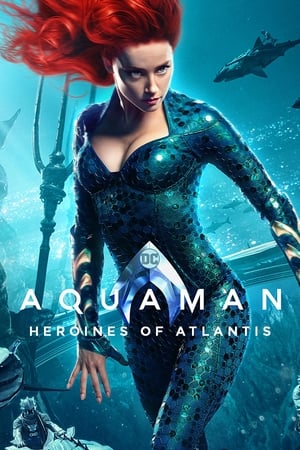
Aquaman: Heroines of Atlantis(en)
2019-03-26
Amber Heard and Nicole Kidman discuss their characters Mera and Atlanna.
76%
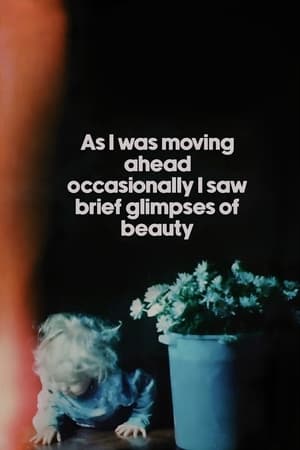
As I Was Moving Ahead, Occasionally I Saw Brief Glimpses of Beauty(en)
2000-11-05
A compilation of over 30 years of private home movie footage shot by Lithuanian-American avant-garde director Jonas Mekas, assembled by Mekas "purely by chance", without concern for chronological order.
67%
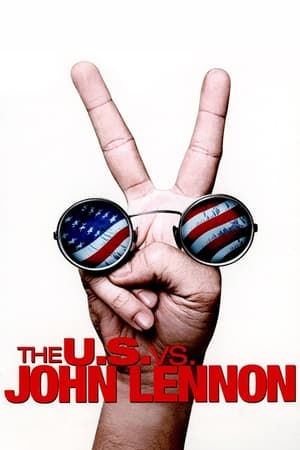
The U.S. vs. John Lennon(en)
2006-09-15
A documentary on the life of John Lennon, with a focus on the time in his life when he transformed from a musician into an antiwar activist.

63%
Am I Racist?(en)
2024-09-13
Matt Walsh goes deep undercover in the world of diversity, equity, and inclusion. Prepare to be shocked by how far race hustlers will go and how much further Matt Walsh will go to expose the grift, uncovering absurdities that will leave you laughing.
67%
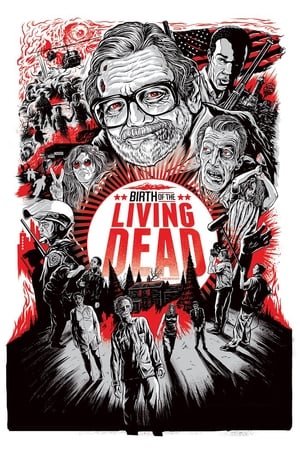
Birth of the Living Dead(en)
2013-10-18
A behind the scenes look into George Romero's groundbreaking horror classic Night of the Living Dead.
65%
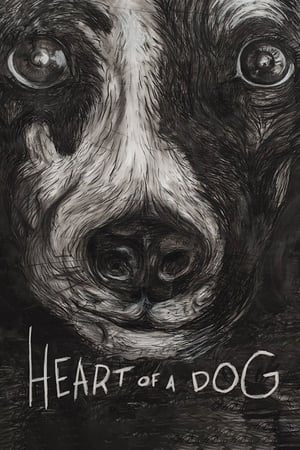
Heart of a Dog(en)
2015-10-21
Lyrical and powerfully personal essay film that reflects on the deaths of her husband Lou Reed, her mother, her beloved dog, and such diverse subjects as family memories, surveillance, and Buddhist teachings.
72%
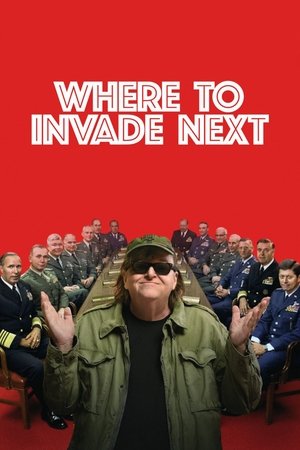
Where to Invade Next(en)
2015-12-23
To understand firsthand what the United States of America can learn from other nations, Michael Moore playfully “invades” some to see what they have to offer.

60%
Trainwreck: The Real Project X(en)
2025-07-07
A night of drunken chaos rocks a quiet Dutch town in this shocking documentary about a teen's birthday invite that accidentally went viral on Facebook.
Similar Movies

0%
Imprint in Clay(en)
1993-01-01
“Sardar Gurcharan Singh was the father of studio pottery in India. "Daddyji" as most called him lovingly was very close to my father. I often tagged along to visit his home studio where pottery wheels were lined up under the big neem trees in his old brick house. My father wanted me to make a film on Daddyji, who was then 95. He was afraid that Daddyji's wonderful story would be left untold. He not only introduced studio pottery in India but due to his longevity, mentored many potters. So despite not knowing anything about films, I made the documentary, Imprint in Clay with a classmate of mine, which was mostly funded by my father.”
83%
Night and Fog(fr)
1956-01-29
Filmmaker Alain Resnais documents the atrocities behind the walls of Hitler's concentration camps.
70%
Welles' Language(pt)
1990-01-01
Orson Welles acted in Brazilian culture and music by deeply researching Brazil's historical geology, consciously completing a legendary cultural mission. Although being turned down by Hollywood producers, he developed a triumphantly accomplished mission in the language domain - three friends of Welles' testified his love for cinema, his passion for Brazilian music and people and his obstinate endurance against formidable pressures coming from inside and outside Hollywood regarding his unfinished "It's All True".
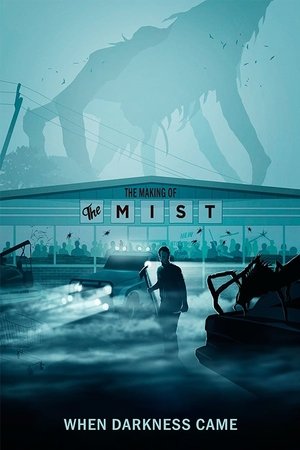
82%
When Darkness Came: The Making of 'The Mist'(en)
2008-03-25
Behind the scenes documentary on the making of the film.

0%
A Secret Place(es)
2023-07-28
In this documentary, we learn about five stories that converge at the same point, the bathroom. Each bathroom tells the story of its inhabitant.

75%
Berlin: Symphony of a Great City(de)
1927-09-23
A day in the city of Berlin, which experienced an industrial boom in the 1920s, and still provides an insight into the living and working conditions at that time. Germany had just recovered a little from the worst consequences of the First World War, the great economic crisis was still a few years away and Hitler was not yet an issue at the time.

0%
One Way Trip(es)
2020-10-12
Two young women try to adapt to a new city: nostalgia, loneliness, friendship and family are mixed throughout the emotional process of both characters. A reflection on the sense of belonging and the experience of being a foreigner.
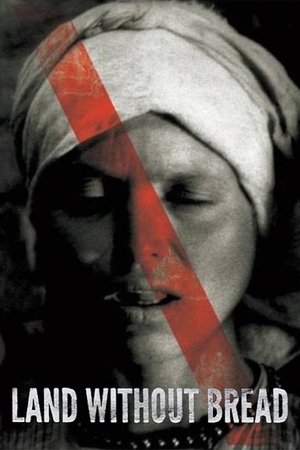
71%
Land Without Bread(es)
1933-12-01
An exploration —manipulated and staged— of life in Las Hurdes, in the province of Cáceres, in Extremadura, Spain, as it was in 1932. Insalubrity, misery and lack of opportunities provoke the emigration of young people and the solitude of those who remain in the desolation of one of the poorest and least developed Spanish regions at that time.
0%
Isaiah vs. The Hodag(en)
2020-12-14
A young man living with his parents in Wisconsin comes face to face with a terrifying monster while searching for the elusive cryptic known as the Hodag.
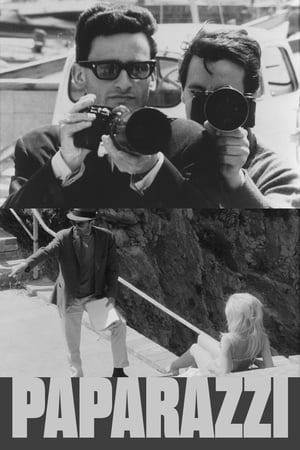
67%
Paparazzi(fr)
1964-09-22
Paparazzi explores the relationship between Brigitte Bardot and groups of invasive photographers attempting to photograph her while she works on the set of Jean-Luc Godard's film Le Mépris (Contempt). Through video footage of Bardot, interviews with the paparazzi, and still photos of Bardot from magazine covers and elsewhere, director Rozier investigates some of the ramifications of international movie stardom, specifically the loss of privacy to the paparazzi. The film explains the shooting of the film on the island of Capri, and the photographers' valiant, even foolishly dangerous, attempts to get a photograph of Bardot.
52%
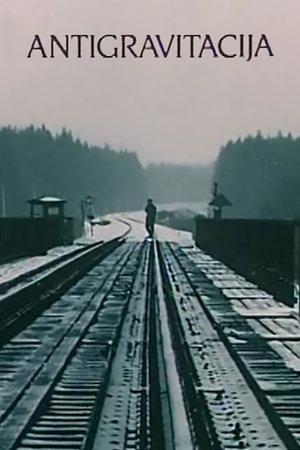
Antigravitation(lt)
1995-01-01
An isolated village in the Lithuanian countryside. Seated in her house, an elderly woman recites an old folk story. Then she climbs up the tall ladder that takes her to the rooftop of the church.
90%
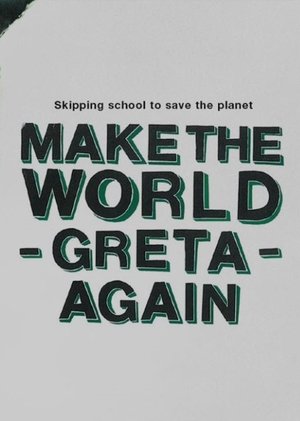
Make the World Greta Again(en)
2019-05-24
Upon realising her generation won’t have a future unless the world’s politicians act now on climate change, 15-year-old Greta Thunberg skipped school in August 2018 to protest outside the Swedish parliament. What started as a one person strike soon gained global momentum. We follow Greta and the organisers of the school strikes for climate as they are cementing a worldwide movement ahead of their first global protest that took place on March 15th, 2019. It was the biggest climate strike in history with up to 1.6 million students in more than 125 countries.
70%
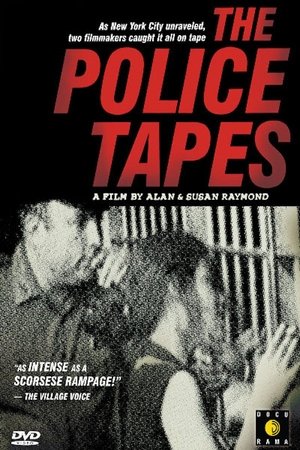
The Police Tapes(en)
1977-01-02
Filmmakers Alan and Susan Raymond spent three months in 1976 riding along with patrol officers in the 44th Precinct of the South Bronx, which had the highest crime rate in New York City at that time.
61%
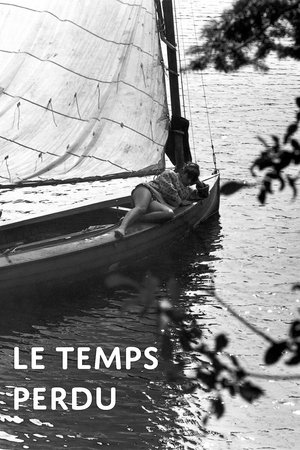
The End of Summer(fr)
1964-01-01
A 16 year old girl recalls the last moments of her summer vacation, spent with friends in the Laurentians north of Montreal. She reminisces about their talks on life, death, love, and God. Shot in direct cinema style, working from a script that left room for the teenagers to improvise and express their own thoughts, the film sought to capture the immediacy of the youths presence their bodies, their language, their environment.
0%
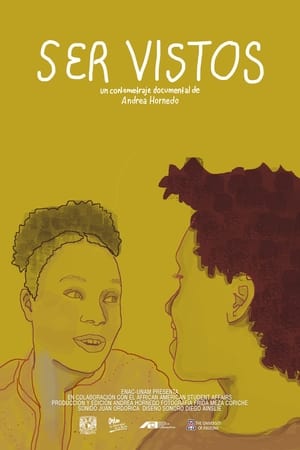
Being Seen(en)
2023-07-29
A group of African American students at the University of Arizona reveals the importance of political spaces within Universities in times of intolerance.
80%
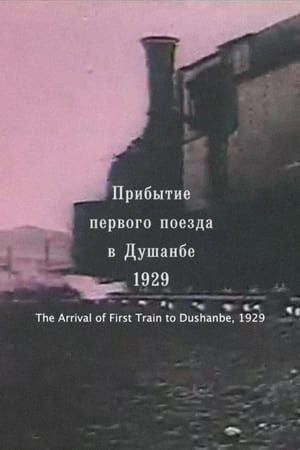
Soviet Tajikistan: Arrival of the first train in Dushanbe(ru)
1929-10-16
On September 11, 1929, the first Termez-Dushanbe train arrived at the newly built station in the Tajik capital. However, not only the train was the first that day - the shots of the arrival of the locomotive, as well as people waiting for it with excitement, became the basis of the first Tajik film.
0%
Alcoholism and Its Consequences(ru)
1913-01-01
Alcoholism and its Ill-Effects was considered to be one of the most popular science propaganda (or educational) films produced in Russia before the revolution of 1917. Alexander Khanzhonkov, the most prominent Russian film producer of that era, financed a special department dedicated to non-fictional cinema, despite the fact that such films were not commercially successful. Unfortunately, not a single copy of the film has survived to the present day. All that remains are 12 frames, which were used by Izvolov to create this reconstruction. He also used extracts from critical reviews, published at the time of the film’s release, to produce a soundtrack.