
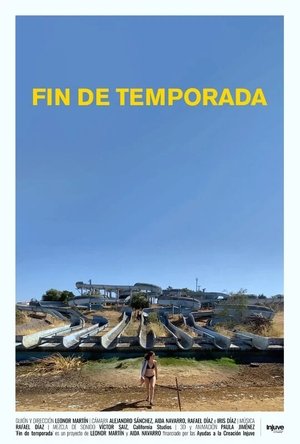
End of Season(2024)
It is 2030. Due to the enormous water scarcity, water parks in Spain and Portugal have been dried up. In her swimsuit, director Leonor Martín wanders through the water parks of her youth. In End of Season she muses about the beautiful memories she has from a time when water still flowed freely. What are we giving up in the name of progress?
Movie: End of Season
Top 1 Billed Cast

Herself
HomePage
Overview
It is 2030. Due to the enormous water scarcity, water parks in Spain and Portugal have been dried up. In her swimsuit, director Leonor Martín wanders through the water parks of her youth. In End of Season she muses about the beautiful memories she has from a time when water still flowed freely. What are we giving up in the name of progress?
Release Date
2024-10-12
Average
0
Rating:
0.0 startsTagline
Genres
Languages:
EspañolKeywords
Similar Movies
Cathedrals(de)
The city of Ordos, in the middle of China, was build for a million people yet remains completely empty. Ordos is not so much a place but a symbol of babylonic hype. But nothing will change - as long as people believe.
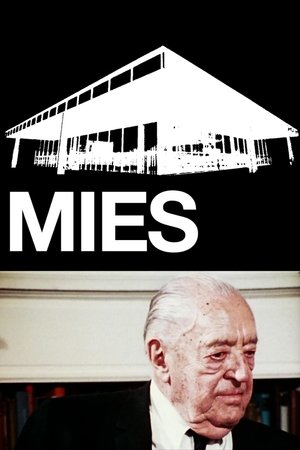
Mies(en)
No understanding of the modern movement in architecture is possible without knowledge of its master builder, Mies van der Rohe. Together with documentation of his life, this film shows all his major buildings, as well as rare film footage of Mies explaining his philosophy. Phyllis Lambert relates her choice of Mies as the architect for the Seagram building. Mies's achievements and continuing influence are debated by architects Robert A.M. Stern, Robert Venturi, and Philip Johnson, by former students and by architectural historians. Mies is seen in rare documentary footage.
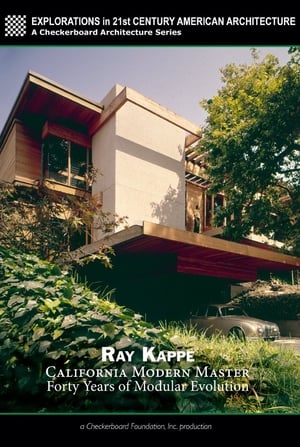
Ray Kappe: California Modern Master - Forty Years of Modular Evolution(en)
Explorations in 21st Century American Architecture Series: Ray Kappe has long been a cult figure in the architectural scene in and around Los Angeles. In 1972, he founded the influential, avant garde Southern California Institute of Architecture (SCI-ARC), where many of the younger-generation architects have studied or taught.
Big Time(da)
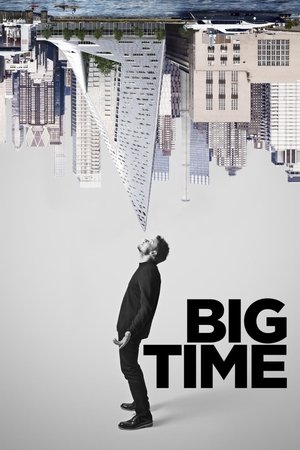
Big Time gets up close with Danish architectural prodigy Bjarke Ingels over a period of six years while he is struggling to complete his largest projects yet, the Manhattan skyscraper W57 and Two World Trade Center.
Safety123(de)
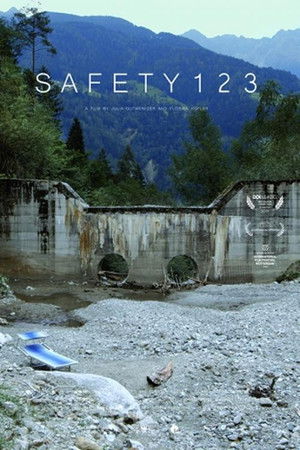
The Alps are covered by a nearly invisible security system that’s supposed to protect humans from natural disasters. This film attentively follows the sometimes mysterious-looking activities and preparations to portray the human struggle against the forces of nature.
Coast Modern(en)
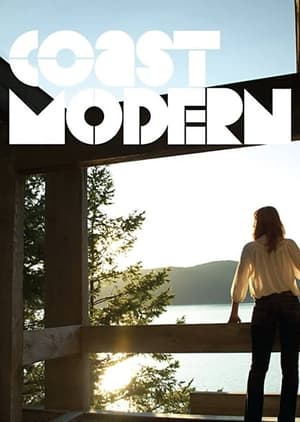
A core group of architects embraced the West Coast from Vancouver to LA with its particular geography and values and left behind a legacy of inspired dwellings. Today, architects celebrate the influence established by their predecessors.

Bamboo Theatre(cn)
This film is a portrait of unique cultural space for Spirits, Gods and People. While permanent theatres are commonly built in most cosmopolitan modern cities, Hong Kong preserves a unique theatrical architecture, a Chinese tradition that has lasted more than a century - Bamboo Theatre.
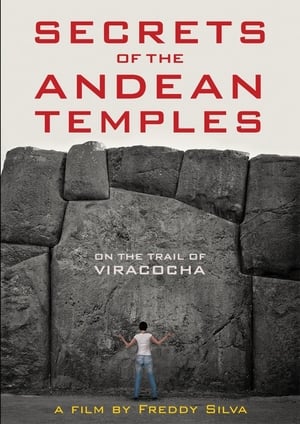
Secrets of the Andean Temples: On the Trail of Viracocha(en)
Thousands of years before the Inca, a megalithic civilization was founded at Lake Titicaca which spread 500 miles to Cuzco, following a global flood that destroyed the Earth in 9000 BC. Its architects — Viracocha and his seven Shining Ones — disappeared as mysteriously as they appeared, yet the legacy of temples they left behind still baffles the modern mind. Filmed at Tiwanaku, Puma Punku, Cuzco, Quenqo, Saqsayhuaman, Amuru Machay, Quillarumiyoc, Pisac, Tombomachay, Huayna Picchu, Ollantaytambo, Machu Picchu, Cutimbo, Silustani and Amaru Meru.
Secrets of Sacred Architecture(en)
For most of America's history, sacred buildings represented our greatest feats of innovative engineering and artistic design. Unlock the elements of design that make these structures so fascinating and unveil the meaning in religious architecture, ranging from grand cathedrals and simple country churches to synagogues and mosques.
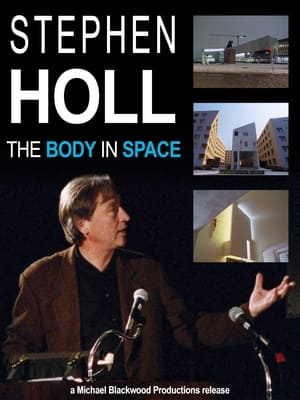
Steven Holl: The Body in Space(en)
"Steven Holl: The Body in Space" explores the career of the innovative, highly renowned American architect. In this portrait Holl presents some of his most acclaimed works, including the Makuhari Housing Complex in Chiba, Japan and the Chapel of St. Ignatius in Seattle. Centered around the completion of Holl's Museum of Contemporary Art in Helsinki, the film observes his process and reasoning throughout the duration of the project
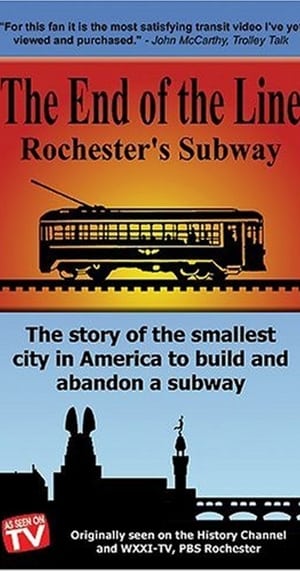
The End Of The Line: Rochester's Subway(en)
"The End of the Line - Rochester's Subway" tells the little-known story of the rail line that operated in a former section of the Erie Canal from 1927 until its abandonment in 1956. Produced in 1994 by filmmakers Fredrick Armstrong and James P. Harte, the forty-five minute documentary recounts the tale of an American city's bumpy ride through the Twentieth Century, from the perspective of a little engine that could, but didn't. The film has since been rereleased (2005) and now contains the main feature with special portions that were added as part of the rereleased version. These include a look at the only surviving subway car from the lines and a Phantom tun through the tunnels in their abandoned state, among others, for a total of 90 minutes of unique and well preserved historical information.
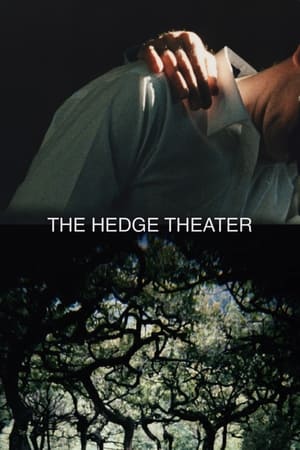
The Hedge Theater(en)
Filmed in Rome in the 1980s, the work draws on Borromini’s Baroque architecture and Il Sassetta’s St. Martin and the Beggar. Beavers contrasts winter’s subdued light with the verdant growth of spring, constructing a precise montage in which image and sound form a poetic dialogue.

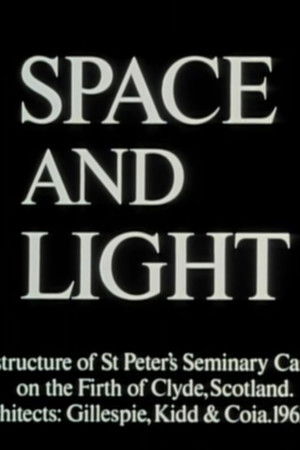
Space and Light(en)
An award-winning wordless documentary that explores the architecture of the then new St. Peter's Seminary which is now seen as one of the most important post-war buildings in the United Kingdom. The film was made in celebration after architect Jack Coia was awarded the RIBA Gold Medal in 1969. Winner of the Medalla de Bronce at the Fifth Union of International Architects Festival in Madrid (1975).
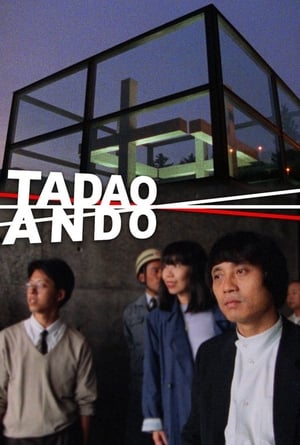
Tadao Ando(en)
Tadao Ando, a self-taught architect, proposes an international architecture that he believes can only be conceived by someone Japanese. His architecture mixes Piranesian drama with contemplative spaces in urban complexes, residences and chapels. This film presents the formative years of his impressive career before he embarked on projects in Europe and the United States.
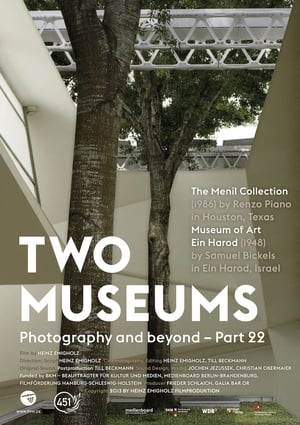
Two Museums(de)
The film juxtaposes/compares two museums: The Museum of Art, Ein Harod, Israel, which Samuel Bickels (1909-1975) built there in 1948, and The Menil Collection in Houston, Texas, built by Renzo Piano (b. 1937) 1986 . The method of natural lighting in Bickels‘s construction was the direct model for Piano, who adopted for his construction at the request of its patroness Dominique de Menil.
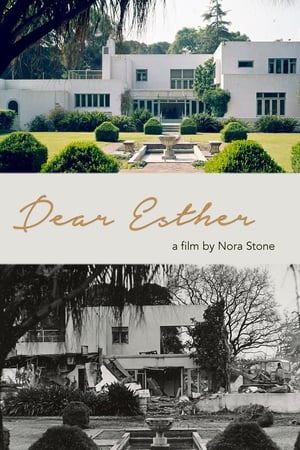
Dear Esther(en)
In 1989, a woman writes a letter to her mentor. She reminisces about a life-changing campaign they spearheaded to save a historic home, Irving Gill's Walter Luther Dodge House in Los Angeles, twenty years prior.