Loading Page

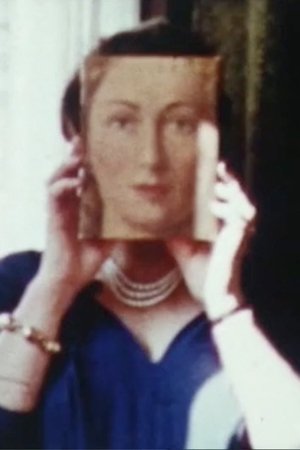
Magritte Home Movies(NaN)
Status: Released
Date:
0%
0 Votes
Time: 0h 26m
Overview:
In 1956, Magritte purchased a movie camera and, in the following years, made numerous short films featuring himself, his wife, their friends, and even their dog. Magritte’s home movies were sometimes scripted, but rarely had discernible plots, instead stringing together a series of strange and unrelated actions. Bringing Magritte’s iconic imagery to life, the films feature actors mischievously substituting real apples for their painted counterparts or reenacting entire compositions. These snippets of Surrealist collaboration showcase Magritte’s playfulness, prompting his friend Louis Scutenaire to observe, “Perhaps he was never more happy than when handling the camera.”
Languages:
Countries:
Movie: Magritte Home Movies
HomePage
Overview
In 1956, Magritte purchased a movie camera and, in the following years, made numerous short films featuring himself, his wife, their friends, and even their dog. Magritte’s home movies were sometimes scripted, but rarely had discernible plots, instead stringing together a series of strange and unrelated actions. Bringing Magritte’s iconic imagery to life, the films feature actors mischievously substituting real apples for their painted counterparts or reenacting entire compositions. These snippets of Surrealist collaboration showcase Magritte’s playfulness, prompting his friend Louis Scutenaire to observe, “Perhaps he was never more happy than when handling the camera.”
Release Date
Average
0
Rating:
0.0 startsTagline
Genres
Languages:
Recommendations Movies
71%
They'll Love Me When I'm Dead(en)
2018-08-31
As his life comes to its end, famous Hollywood director Orson Welles puts it all on the line at the chance for renewed success with the film The Other Side of the Wind.
60%
Out West(en)
1918-01-20
The story involves Arbuckle coming to the western town of Mad Dog Gulch after being thrown off a train and chased by Indians. He teams up with gambler/saloon owner Bill Bullhum, in trying to keep the evil Wild Bill Hickup away from Salvation Army girl, Salvation Sue. Fatty and Buster have a series of adventures trying to beat St. John, until they discover his one weakness: his ticklishness.
76%
As I Was Moving Ahead, Occasionally I Saw Brief Glimpses of Beauty(en)
2000-11-05
A compilation of over 30 years of private home movie footage shot by Lithuanian-American avant-garde director Jonas Mekas, assembled by Mekas "purely by chance", without concern for chronological order.
67%
Manhatta(en)
1921-01-01
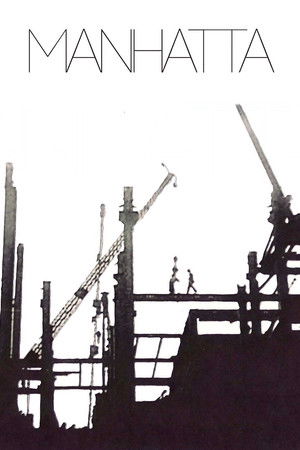
Morning reveals New York harbor, the wharves, the Brooklyn Bridge. A ferry boat docks, disgorging its huddled mass. People move briskly along Wall St. or stroll more languorously through a cemetery. Ranks of skyscrapers extrude columns of smoke and steam. In plain view. Or framed, as through a balustrade. A crane promotes the city's upward progress, as an ironworker balances on a high beam. A locomotive in a railway yard prepares to depart, while an arriving ocean liner jostles with attentive tugboats. Fading sunlight is reflected in the waters of the harbor. The imagery is interspersed with quotations from Walt Whitman, who is left unnamed.
72%
Val(en)
2021-07-23
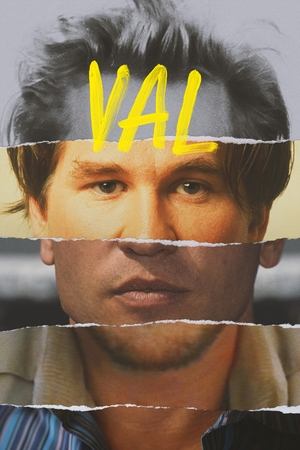
For over 40 years Val Kilmer, one of Hollywood’s most mercurial and/or misunderstood actors has been documenting his own life and craft through film and video. He has amassed thousands of hours of footage, from 16mm home movies made with his brothers, to time spent in iconic roles for blockbuster movies like Top Gun, The Doors, Tombstone, and Batman Forever. This raw, wildly original and unflinching documentary reveals a life lived to extremes and a heart-filled, sometimes hilarious look at what it means to be an artist and a complex man.
70%
Symbiopsychotaxiplasm: Take One(en)
1968-10-28
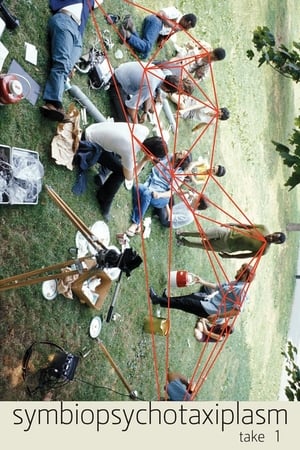
In Manhattan's Central Park, a film crew directed by William Greaves is shooting a screen test with various pairs of actors. It's a confrontation between a couple: he demands to know what's wrong, she challenges his sexual orientation. Cameras shoot the exchange, and another camera records Greaves and his crew. Sometimes we watch the crew discussing this scene, its language, and the process of making a movie. Is there such a thing as natural language? Are all things related to sex? The camera records distractions - a woman rides horseback past them; a garrulous homeless vet who sleeps in the park chats them up. What's the nature of making a movie?
69%
Capturing Avatar(en)
2010-11-16
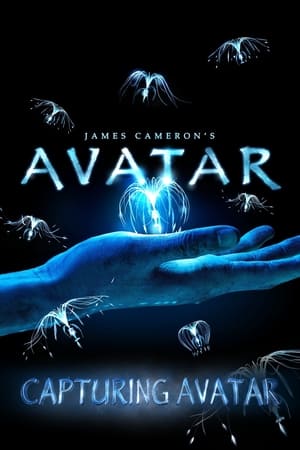
Capturing Avatar is a feature length behind-the-scenes documentary about the making of Avatar. It uses footage from the film's development, as well as stock footage from as far back as the production of Titanic in 1995. Also included are numerous interviews with cast, artists, and other crew members. The documentary was released as a bonus feature on the extended collector's edition of Avatar.

67%
American Grindhouse(en)
2011-02-04
This documentary explores the hidden history of the American Exploitation Film. The movie digs deep into this often overlooked category of U.S. cinema and unearths the shameless and occasionally shocking origins of this popular entertainment.
83%
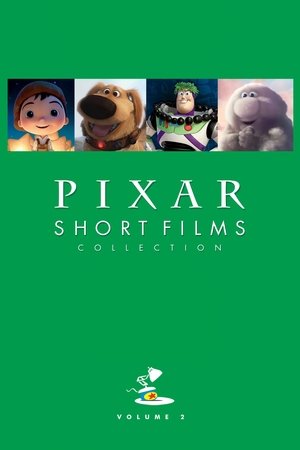
Pixar Short Films Collection: Volume 2(en)
2012-11-13
Disney and Pixar present an incredible new collection of 12 short films, featuring multiple Academy Award® nominees (Best Short Film, Animated: "Presto," 2008; "Day & Night," 2010; "La Luna," 2011) and a host of family favorites. Join the celebration of imagination with this collection, packed with unforgettable animation, fantastic stories and captivating characters. Plus, enjoy all-new extras that share how Pixar's storied talent got their start — including student films from acclaimed directors John Lasseter, Andrew Stanton and Pete Docter!
71%
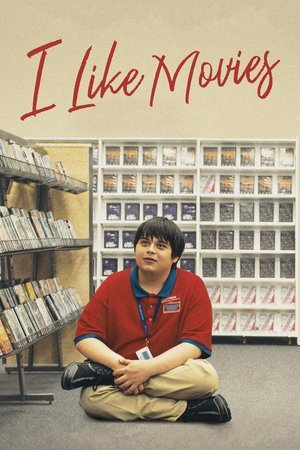
I Like Movies(en)
2023-03-10
Socially inept 17-year-old cinephile Lawrence Kweller gets a job at a video store, where he forms a complicated friendship with his older female manager.
78%
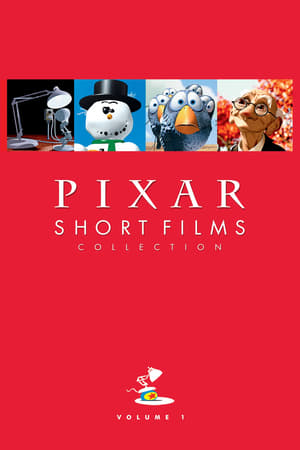
Pixar Short Films Collection: Volume 1(en)
2007-03-21
Experience these masterpieces of storytelling from the creative minds that brought you Toy Story, Monsters, Inc., Finding Nemo and many more. With revolutionary animation, unforgettable music and characters you love, these dazzling short films have changed the face of animation and entertainment and are sure to delight people of all ages for years to come.
71%
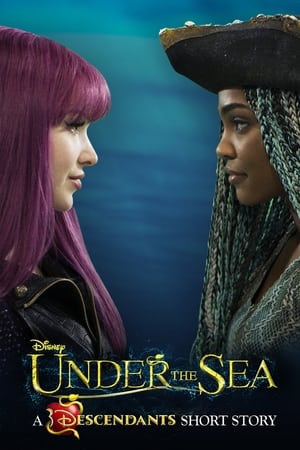
Under the Sea: A Descendants Story(en)
2018-09-28
Mal emerges from the shadows of a mystical forest onto a dark coastline where she crosses paths with Dizzy.
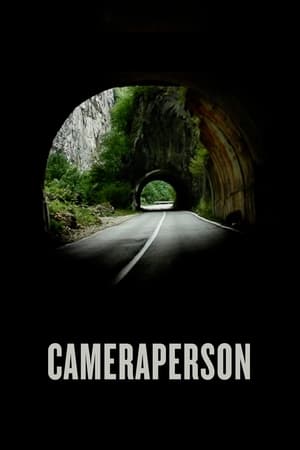
67%
Cameraperson(en)
2016-09-09
As a visually radical memoir, CAMERAPERSON draws on the remarkable footage that filmmaker Kirsten Johnson has shot and reframes it in ways that illuminate moments and situations that have personally affected her. What emerges is an elegant meditation on the relationship between truth and the camera frame, as Johnson transforms scenes that have been presented on Festival screens as one kind of truth into another kind of story—one about personal journey, craft, and direct human connection.
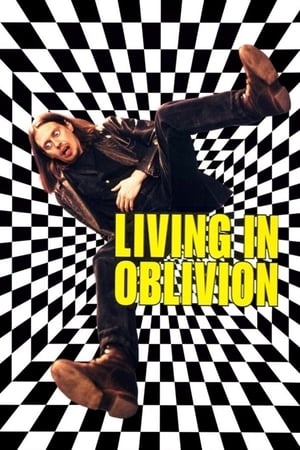
72%
Living in Oblivion(en)
1995-07-21
Low-budget independent filmmaker Nick Reve tries to keep everything together as his production is plagued with an insecure actress, a megalomaniac star, a pretentious beret-wearing director of photography, and lousy catering.

73%
Maria by Callas(en)
2017-12-13
Told through performances, TV interviews, home movies, family photographs, private letters and unpublished memoirs, the film reveals the essence of an extraordinary woman who rose from humble beginnings in New York City to become a glamorous international superstar and one of the greatest artists of all time.

72%
Hitchcock/Truffaut(en)
2015-09-05
Filmmakers discuss the legacy of Alfred Hitchcock and the book “Hitchcock/Truffaut” (“Le cinéma selon Hitchcock”), written by François Truffaut and published in 1966.
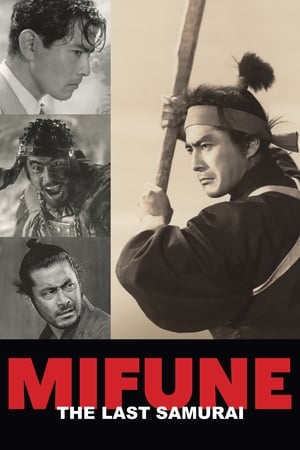
71%
Mifune: The Last Samurai(en)
2016-12-02
An account of the life and work of legendary Japanese actor Toshirō Mifune (1920-97), the most prominent actor of the Golden Age of Japanese cinema.
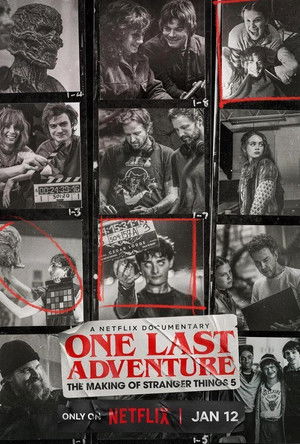
74%
One Last Adventure: The Making of Stranger Things 5(en)
2026-01-11
An inside look at the years of effort and craft that went into the final installment of the Duffer Brothers' generation-defining series.
78%
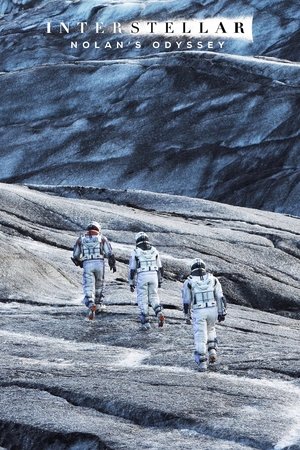
Interstellar: Nolan's Odyssey(en)
2014-11-05
A look behind the lens of Christopher Nolan's space epic.
60%
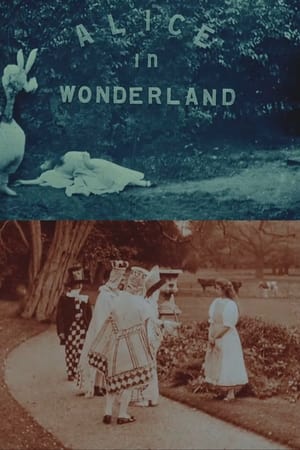
Alice in Wonderland(en)
1903-05-19
This is the first movie version of the famous story. Alice dozes in a garden, awakened by a dithering white rabbit in waistcoat with pocket watch. She follows him down a hole and finds herself in a hall of many doors.