Loading Page


The Iron Graveyard(1976)
Status: Released
Date: 1976-07-01
0%
0 Votes
Time: 0h 10m
Overview:
This color educational film is a driver's safety film about city driving. There is no copyright at the beginning or end of the film so the date of the production appears to be the mid to late 1970s.
Languages: English.
Countries:
United States of America
ProductionCompanies:
National Safety Council
National Safety Foundation
Pilot Productions
Movie: The Iron Graveyard
Video Trailer The Iron Graveyard
All 1 videos

"THE IRON GRAVEYARD" 1970s NATIONAL SAFETY COUNCIL DRIVER'S ED FILM 95104 - Trailer
Recommendations Movies
73%
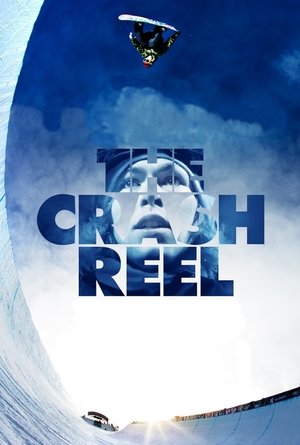
The Crash Reel(en)
2013-06-10
The Crash Reel tells the story of a sport and the risks that athletes face in reaching the pinnacle of their profession. This is Kevin Pearce’s story, a celebrated snowboarder who sustained a brain injury in a trick gone wrong and who now aims, against all the odds, to get back on the snow.
65%
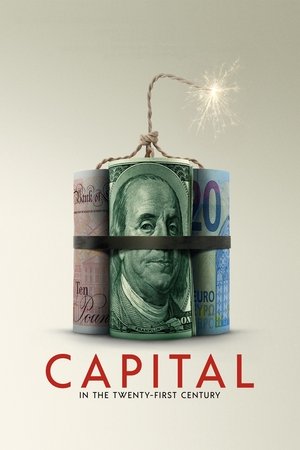
Capital in the Twenty-First Century(en)
2019-09-12
Film adaptation of French economist Thomas Piketty's ground-breaking global bestseller of the same name: an eye-opening journey through wealth and power.

66%
Hack Your Health: The Secrets of Your Gut(en)
2024-04-26
Delve into the digestive system with this lighthearted and informative documentary that demystifies the role gut health plays in our overall well-being.

61%
Naqoyqatsi(en)
2002-09-02
A visual montage portrait of our contemporary world dominated by globalized technology and violence.
81%
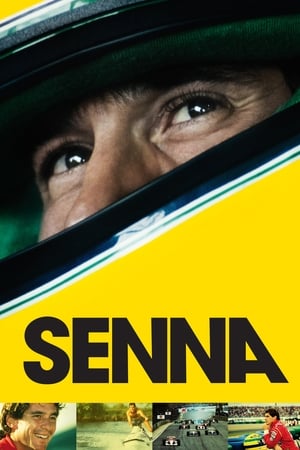
Senna(en)
2010-10-07
The remarkable story of Brazilian racing driver Ayrton Senna, charting his physical and spiritual achievements on the track and off, his quest for perfection, and the mythical status he has since attained, is the subject of Senna, a documentary feature that spans the racing legend's years as an F1 driver, from his opening season in 1984 to his untimely death a decade later.

71%
Deliver Us from Evil(en)
2006-06-24
Documentary filmmaker Amy Berg investigates the life of 30-year pedophile Father Oliver O'Grady and exposes the corruption inside the Catholic Church that allowed him to abuse countless children. Victims' stories and a disturbing interview with O'Grady offer a view into the troubled mind of the spiritual leader who moved from parish to parish gaining trust ... all the while betraying so many.

82%
Baraka(en)
1992-09-15
A paralysingly beautiful documentary with a global vision—an odyssey through landscape and time—that attempts to capture the essence of life.

76%
The Corporation(en)
2003-09-10
Since the late 18th century American legal decision that the business corporation organizational model is legally a person, it has become a dominant economic, political and social force around the globe. This film takes an in-depth psychological examination of the organization model through various case studies. What the study illustrates is that in the its behaviour, this type of "person" typically acts like a dangerously destructive psychopath without conscience. Furthermore, we see the profound threat this psychopath has for our world and our future, but also how the people with courage, intelligence and determination can do to stop it.
68%
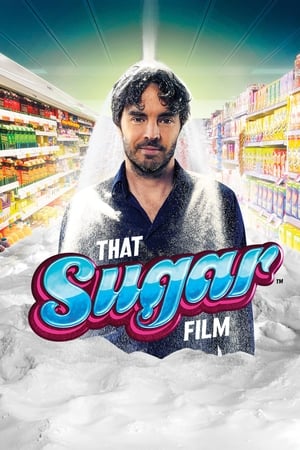
That Sugar Film(en)
2014-07-31
One man's journey to discover the bitter truth about sugar. Damon Gameau embarks on a unique experiment to document the effects of a high sugar diet on a healthy body, consuming only foods that are commonly perceived as 'healthy'. Through this entertaining and informative journey, Damon highlights some of the issues that plague the sugar industry, and where sugar lurks on supermarket shelves.
69%
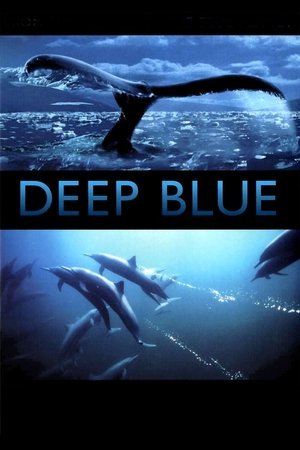
Deep Blue(en)
2003-05-18
Deep Blue is a major documentary feature film shot by the BBC Natural History Unit. An epic cinematic rollercoaster ride for all ages, Deep Blue uses amazing footage to tell us the story of our oceans and the life they support.

68%
Spider-Man: All Roads Lead to No Way Home(en)
2022-05-03
JB Smoove and Martin Starr host a celebration of 20 years of "Spider-Man" movies, from the Sam Raimi trilogy to Marc Webb's movies and the trio from Jon Watts.

69%
Voyage of Time: The IMAX Experience(en)
2016-10-07
A celebration of the universe, displaying the whole of time, from its start to its final collapse. This film examines all that occurred to prepare the world that stands before us now: science and spirit, birth and death, the grand cosmos and the minute life systems of our planet.
69%
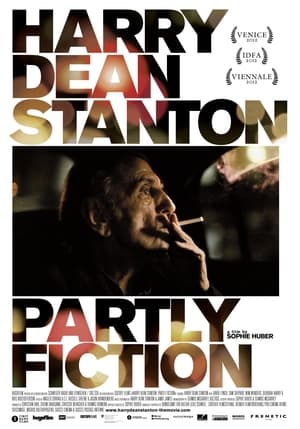
Harry Dean Stanton: Partly Fiction(en)
2013-09-11
An impressionistic portrait of the iconic actor Harry Dean Stanton comprised of intimate moments, film clips from some of his 250 films and his renditions of American folk songs.

65%
The Secret(en)
2006-03-26
Interviews with leading authors, philosophers and scientists, with an in-depth discussion of the Law of Attraction. The audience is shown how they can learn and use 'The Secret' in their everyday lives.

72%
To Be Takei(en)
2014-08-22
Over seven decades, actor and activist George Takei journeyed from a World War II internment camp to the helm of the Starship Enterprise, and then to the daily news feeds of five million Facebook fans. Join George and his husband, Brad, on a wacky and profound trek for life, liberty, and love.
81%
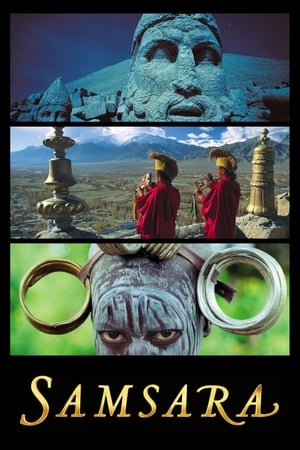
Samsara(en)
2011-09-16
Filmed over nearly five years in twenty-five countries on five continents, and shot on seventy-millimetre film, Samsara transports us to the varied worlds of sacred grounds, disaster zones, industrial complexes, and natural wonders.
70%
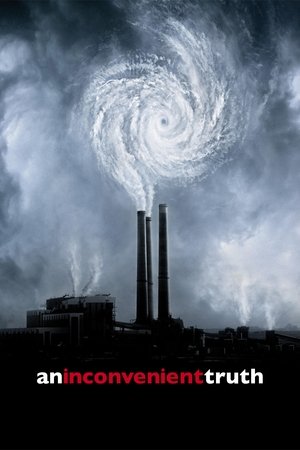
An Inconvenient Truth(en)
2006-05-24
A documentary on Al Gore's campaign to make the issue of global warming a recognized problem worldwide.

74%
McLaren(en)
2016-02-14
The story of New Zealander Bruce McLaren, who founded the McLaren Motor Racing team, showing the world that a man of humble beginnings could take on the elite of motor racing and win.

75%
Indie Game: The Movie(en)
2012-05-18
Follows the dramatic journeys of video game developers as they create and release their games to the world. It's about making video games, but at its core, it's about the creative process, and exposing yourself through your work.
Similar Movies
67%
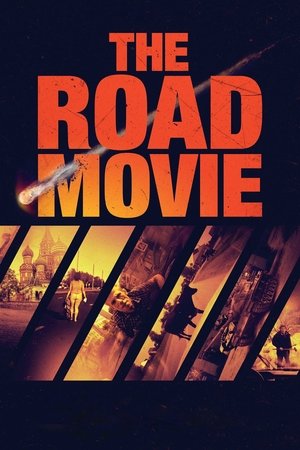
The Road Movie(ru)
2018-01-19
Anything can happen on Russian roads and is precisely shot by the dashboard camera. Super-objective video registration grows into the strong image of Russian national character – with its permanent awaiting for the miracle and habitual approach to real dramas. A forest on fire as a symbol of Russian hell, a military tank at a car wash and car chase in the vicinity of Kremlin shot with a dashboard cam at the same time when Boris Nemtsov, the leader of political opposition, was shot dead near Kremlin. Dashboard cam depicts life in it’s purity as an unbiased observer.

0%
Simply Metric(en)
1973-01-01
A guide to going metric from the Central Office of Information on behalf of the Metrication Board.
57%
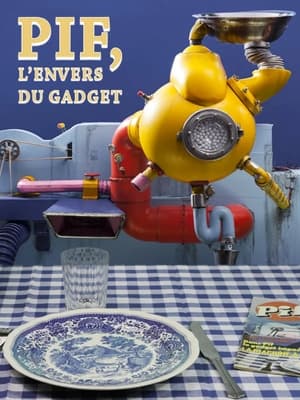
Pif, Behind the gimmicks(fr)
2015-01-31
Taking stock of the extraordinary adventure of "Pif Gadget", a French publishing phenomenon of the 1970s-80s and even of the whole history of children's press. For the comic-strip magazine with the iconic dog, created in 1969 by the French Communist Party, often reached a million copies. With editions available for all of Europe (including Germany, under the title Yps), and on both sides of the Iron Curtain.
0%
Sheep Dog(en)
1939-01-01
Tom Jones, a shepherd who lived in one of the Ystradfechan Cottages at Old Farm, Treorchy, was employed by the Ocean Coal Company who owned the land above ground and coal (the Park and the Dare Collieries) beneath. A farrier who lived in the adjoining cottage tended to all the Park and Dare pit ponies. Tom Jones was known world-wide as the “Wonder Shepherd” for his remarkable skills as an animal trainer which, together with his concern for his flock, are recorded here.

0%
drive.(en)
2024-11-04
A lonely individual embarks on a scenic drive up a mountain, seeking fresh air and a renewed perspective. At the summit, they wander through serene surroundings, allowing the natural landscape to provide a mental reset and offer clarity—a deliberate retreat to refresh both mind and spirit.
0%
Golden Road: Today's Senior Drivers(en)
2004-01-01
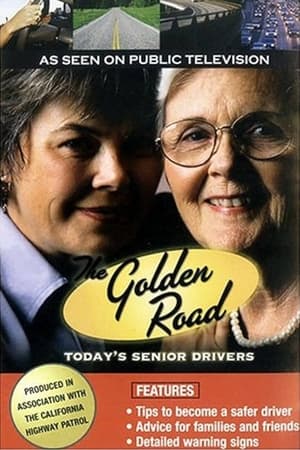
Does your parent's car have new dents or nicks? Does mentally reviewing the trip ahead of time help you when driving? When should a senior relinquish the keys or when should someone step in and remove them? The Golden Road: Today's Senior Drivers provides the tools you need in order to recognize, understand and confront these issues with deliberation and care.

70%
A & E: When Patients Attack(en)
2015-01-01
Hospital staff are reporting more violence and anti-social behaviour than ever before. In 2015, 8 staff were assaulted every hour – a new record high. At The Queen Elizabeth Hospital in Birmingham – one of the UK’s biggest hospitals – they think they have the answer. Here a private security force of 46 uniformed guards, and a sophisticated CCTV system, keep staff and patients safe. A colourful mixture of characters ranging from ex-soldiers, to bouncers, to former elite sportsmen, it’s the security team’s job to keep the hospital running smoothly. With more than 2 million visitors they have to deal with all aspects of crime and anti-social behaviour. All against a back drop of life changing and life saving procedures.

0%
Door to Door Salesman(en)
1961-05-01
Ever had a good experience with doorstep salespeople? Maybe you were lucky, but the doorstep has never seemed the best place for a sensible sales decision – which is exactly why companies use it.
60%
Never Go with Strangers(en)
1971-01-01
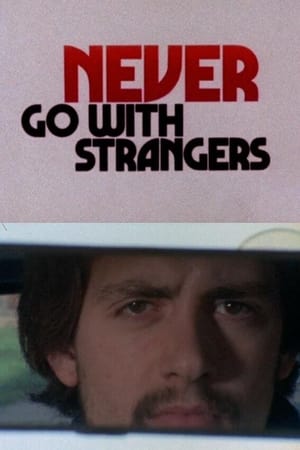
Never Go With Strangers was intended for children aged between seven and ten and its purpose was ‘to warn them of the dangers of accepting lifts or presents from strangers’. Due to potential distress government officials instructed that the film only be shown under ‘responsible adult supervision’, thus denying it a TV airing for many years.
82%
Dad... Can I Borrow the Car?(en)
1970-09-30
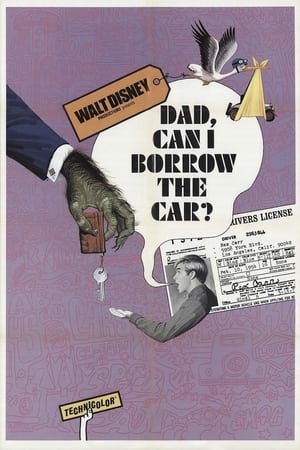
A live-action short, using many avant-garde film techniques, that looks at American car culture in the late 1960s. The main section deals with the many trials and obstacles a teenager must face on the path to being able to drive. Surviving the driver's education class is only the first step, as the teenager must then pass his driving test, and then finally get permission to borrow the family car.