Loading Page

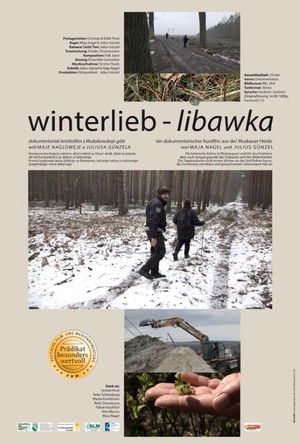
winterlieb - libawka(2020)
Status: Released
Date: 2020-12-11
0%
0 Votes
Languages:
Countries:
ProductionCompanies:
Filmpunktart – Julius Günzel
Movie: winterlieb - libawka
Top 2 Billed Cast
HomePage
Overview
Release Date
2020-12-11
Average
0
Rating:
0.0 startsTagline
Genres
Languages:
Keywords
Similar Movies

0%
Wolves Return(de)
2019-11-07
Wolves divide and fascinate us. 150 years after they were driven to extinction in Central Europe, they are returning slowly but inexorably. Are they dangerous to humans? Is it possible to coexist? Using Switzerland as a point of departure, where wolves have returned in the very recent past, this documentary sheds light on the wolf situation in Austria, eastern Germany, Poland, Bulgaria, and even Minnesota, where freely roaming packs of wolves are more common sight.
0%
Schlesiens Wilder Westen(de)
2002-11-14
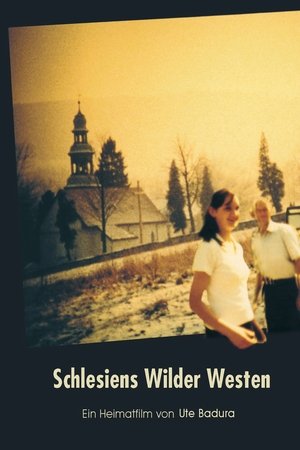
"I can live better in a place whose history I know," says a young Pole in the prologue of this film. He lives in Kopaniec, formerly Seifershau - a village in Lower Silesia. Between the past and the present lay the expulsion of the Germans and the resettlement of the Poles, many of whom were themselves expellees from what is now Ukraine. The village is the focus of the film and the link between the former and present inhabitants. The younger Poles have grown up with the visits of the former German inhabitants. The life stories of the older Poles and Germans tell of war and expulsion, but also of the time when they lived together in the village, directly after the war. The region was called "The Wild West" in Poland at the time. "Silesia's Wild West" asks what home is: a place, a person, a feeling, a memory?
0%
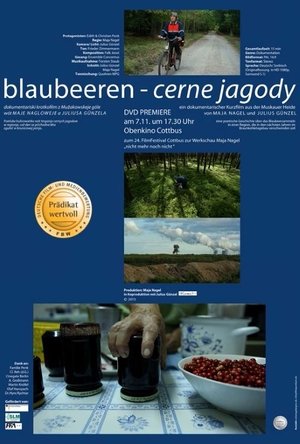
blaubeeren - cerne jagody(de)
2013-10-18

0%
wuhlo – kohle(de)
2024-11-10
31%
… verdammt, ich bin erwachsen(de)
1974-09-18
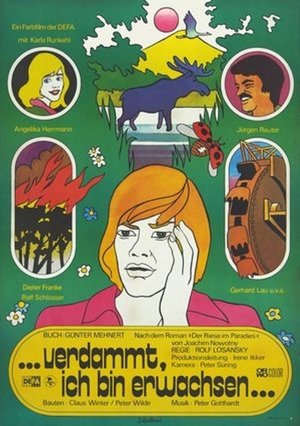
15-year old Klaus Kambor, called Kurbel, is living in a village in Lusatia and already thinks of himself as an adult. He can hold a lot of rhubarb wine and has already kissed a girl. But with his new method of lawn mowing, which he thinks is brilliant, Klaus makes a big mistake: He causes a wild fire in the forest. Then he does not react adult-like at all, but shirks the responsibility, which leads to the break-up with his girlfriend Daniela. Furthermore, Klaus does not realize that several of the places he likes the most in his environment are now going to be sacrificed to mining. When Klaus becomes friends with the teacher Konzak and with the construction worker Jule, he feels understood for the first time and starts to take more responsibility.
66%
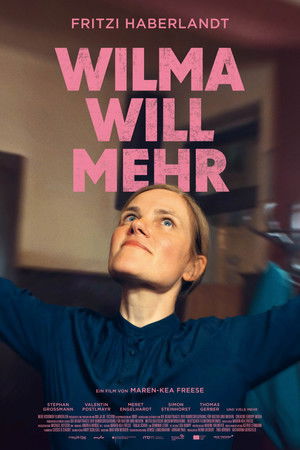
Wilma will mehr(de)
2025-07-31
Wilma has many qualifications and talents, yet suffers just as many disappointments in life. After she catches her husband cheating, she runs away to Vienna in search of a new life. There she lives with bustling bohemians, tries her luck at a variety of jobs and perhaps... at love again.

71%
Punching the World(de)
2025-04-03
Two brothers grow up in the Saxon province (part of Germany) at the turn of the millennium, where the dream of family happiness in a new house quickly turns into a nightmare of decay, violence and xenophobia as they desperately search for stability and belonging.

0%
Landmarks(es)
2026-04-01
In 2009, a man and two accomplices try to evict members of the Indigenous community of Chuschagasta in northern Argentina. Claiming ownership of the land and armed with guns, they kill the community’s leader, Javier Chocobar. The murder is caught on video. It takes nine years of protests before court proceedings are finally opened in 2018. During all this time, the killers remain free. The film combines the voices and photographs of the community with courtroom footage to explore the long history of colonialism and land dispossession that led to this crime.

76%
Diana: In Her Own Words(en)
2017-08-06
Using home videos recorded by her voice coach, Diana takes us through the story of her life.
88%
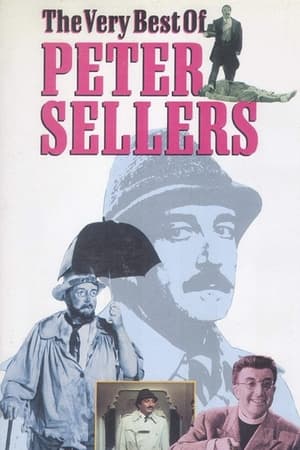
The Very Best of Peter Sellers(en)
1990-01-01
A definitive collection of his very best work: The Very Best of Peter Sellers.

69%
Le Temps de cerveau disponible(en)
2010-03-17
Cruelty, psychological and sexual violence, humiliations: reality television seems to have gone mad. His debut in the early 2000s inaugurated a new era in the history of the audio-visual. Fifty years of archives trace the evolution of entertainment: how the staging of intimacy during the 80s opened new territories, how the privatization of the biggest channels has changed the relationship with the spectator. With the contribution of specialists, including philosopher Bernard Stiegler, this documentary demonstrates how emotion has made way for the exacerbation of the most destructive impulses.


73%
Ballet Boys(no)
2014-06-27
Ballet Boys takes you through disappointments, victories, forging of friendship, first loves, doubt, faith, growing apart from each other, finding your own way and own ambitions, all mixed with the beautiful expression of ballet.
47%
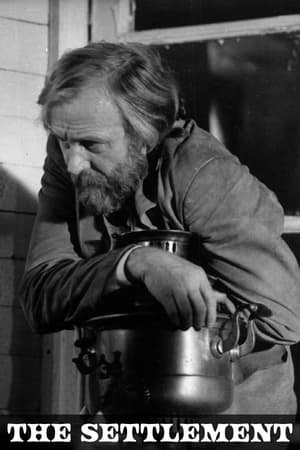
The Settlement(ru)
2001-10-31
This movie is about a day in life of the settlement for people with mental problems. Located in a peaceful countryside, it conveys an image of a pure, happy place, where people live and work together, in complete harmony. But there is a growing unexplainable feeling of anxiety and hopelessness.

0%
Viva Pedro: The Life & Times of Pedro Almodóvar(en)
2007-01-30
The genius that is Almodóvar is expressed in this film with interviews from his family, co-workers, and Almodóvar experts.
0%
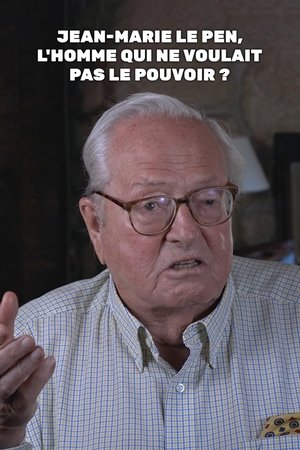
Jean-Marie Le Pen, l'homme qui ne voulait pas le pouvoir ?(fr)
2022-08-30
Jean-Marie Le Pen, figurehead of the National Front and the French far right, has been a presidential candidate five times. In 2002, he created a surprise by reaching the second round but was soundly defeated by Jacques Chirac. This failure may be linked to the composition of his party, a collection of political movements with sometimes contradictory interests and ideals.

70%
A Night at the Movies: Hollywood Goes to Washington(en)
2012-10-05
A survey of movies about politics, with clips from several films and interviews with filmmakers and actors.
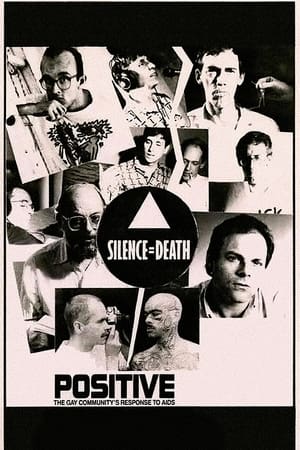
34%
Positive(de)
1990-05-04
This film powerfully documents New York City's gay community's response to the AIDS crisis as they are forced to organize themselves after the government's failure to stem the epidemic. Activists who are interviewed include playwrite Larry Kramer, People With AIDS Coalition co-founder Michael Callen (who died of AIDS in 1994), New York filmmaker and journalist Phil Zwickler, as well as representatives from ACT-UP, Queer Nation and the Gay Men's Health Crisis.