Loading Page


By the River(2019)
Status: Released
Date: 2019-10-20
0%
0 Votes
Time: 0h 25m
Overview:
Stretching along the river Ganges rests Varanasi, the holiest of India’s seven sacred cities, and a place where devout Hindus go to die in hopes of achieving moksha - becoming liberated from the cycle of rebirth. Hindu scriptures say that a soul has to undergo 8.4 million rebirths before reaching the human form, the only form one can attain moksha, and dying in Varanasi and being cremated along the banks of the river is believed to be the ideal way of achieving this. Several so-called ‘death hotels’ exist to accommodate believers who abandon their lives and come here in wait for death - some for as long as 40 years.
Languages: Hindi.
Countries:
India
ProductionCompanies:
Heckler
ShotReady Productions
Movie: By the River
Video Trailer By the River
All 1 videos

By the River - Trailer - Trailer
Recommendations Movies
71%
After Death(en)
2023-10-26
Based on real near-death experiences, the afterlife is explored with the guidance of New York Times bestselling authors, medical experts, scientists and survivors who shed a light on what awaits us.
82%
Baraka(en)
1992-09-15
A paralysingly beautiful documentary with a global vision—an odyssey through landscape and time—that attempts to capture the essence of life.
73%
Powaqqatsi(en)
1988-04-29
An exploration of technologically developing nations and the effect the transition to Western-style modernization has had on them.

61%
Naqoyqatsi(en)
2002-09-02
A visual montage portrait of our contemporary world dominated by globalized technology and violence.
72%
Life in a Day(en)
2011-01-27
A documentary shot by filmmakers all over the world that serves as a time capsule to show future generations what it was like to be alive on the 24th of July, 2010.
69%
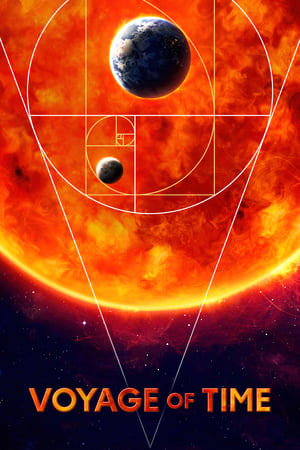
Voyage of Time: The IMAX Experience(en)
2016-10-07
A celebration of the universe, displaying the whole of time, from its start to its final collapse. This film examines all that occurred to prepare the world that stands before us now: science and spirit, birth and death, the grand cosmos and the minute life systems of our planet.
71%
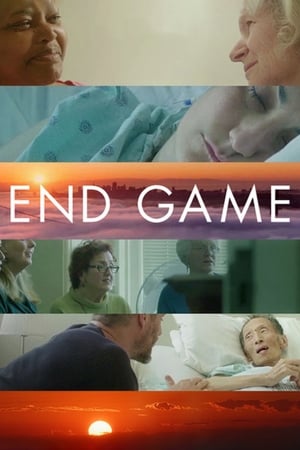
End Game(en)
2018-01-21
Filmed and edited in intimate vérité style, this movie follows visionary medical practitioners who are working on the cutting edge of life and death and are dedicated to changing our thinking about both.
79%
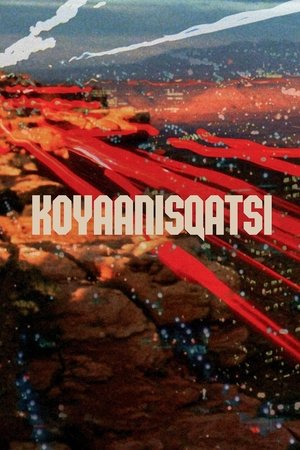
Koyaanisqatsi(en)
1983-04-27
Takes us to locations all around the US and shows us the heavy toll that modern technology is having on humans and the earth. The visual tone poem contains neither dialogue nor a vocalized narration: its tone is set by the juxtaposition of images and the exceptional music by Philip Glass.
72%
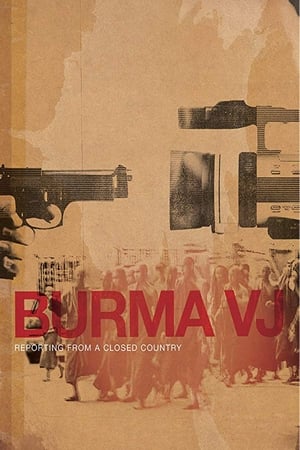
Burma VJ: Reporting from a Closed Country(en)
2008-11-12
Going beyond the occasional news clip from Burma, the acclaimed filmmaker, Anders Østergaard, brings us close to the video journalists who deliver the footage. Though risking torture and life in jail, courageous young citizens of Burma live the essence of journalism as they insist on keeping up the flow of news from their closed country.
75%
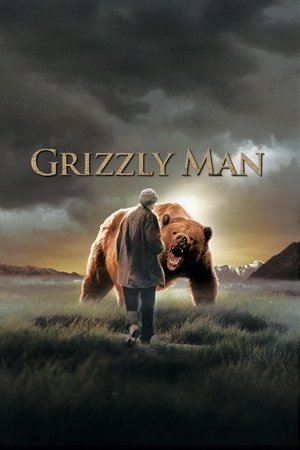
Grizzly Man(en)
2005-08-12
Follows the story of "Grizzly Man" Timothy Treadwell and what the thirteen summers in a National Park in Alaska were like in his attempt to protect the grizzly bears. The film is full of unique images and a look into the spirit of a man who sacrificed himself for nature.
62%
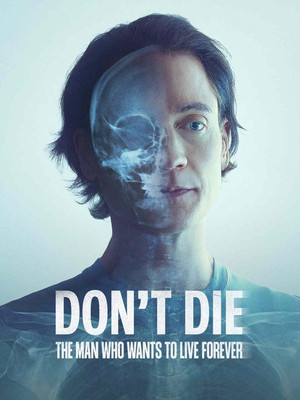
Don't Die: The Man Who Wants to Live Forever(en)
2025-01-01
In this documentary, wealthy entrepreneur Bryan Johnson puts his body and fortune on the line to defy aging and extend his life beyond all known limits.
71%
Blue(en)
1993-08-19
Against a plain, unchanging blue screen, a densely interwoven soundtrack of voices, sound effects and music attempt to convey a portrait of Derek Jarman's experiences with AIDS, both literally and allegorically, together with an exploration of the meanings associated with the colour blue.
78%
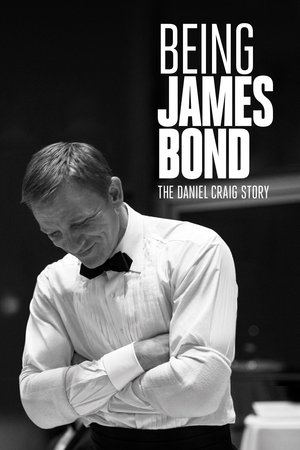
Being James Bond(en)
2021-08-29
Daniel Craig candidly reflects on his 15 year adventure as James Bond. Including never-before-seen archival footage from Casino Royale to the upcoming 25th film No Time To Die, Craig shares his personal memories in conversation with 007 producers, Michael G Wilson and Barbara Broccoli.
75%
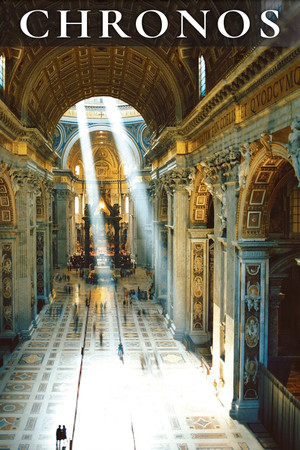
Chronos(en)
1985-05-10
Carefully picked scenes of nature and civilization are viewed at high speed using time-lapse cinematography in an effort to demonstrate the history of various regions.
72%
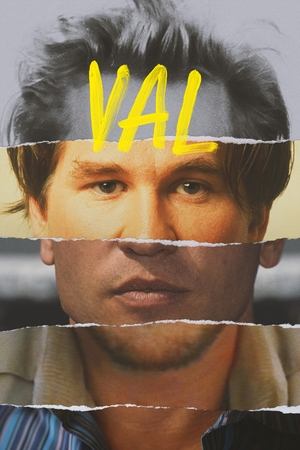
Val(en)
2021-07-23
For over 40 years Val Kilmer, one of Hollywood’s most mercurial and/or misunderstood actors has been documenting his own life and craft through film and video. He has amassed thousands of hours of footage, from 16mm home movies made with his brothers, to time spent in iconic roles for blockbuster movies like Top Gun, The Doors, Tombstone, and Batman Forever. This raw, wildly original and unflinching documentary reveals a life lived to extremes and a heart-filled, sometimes hilarious look at what it means to be an artist and a complex man.

80%
My Mom Jayne(en)
2025-06-20
Through deeply personal interviews with her siblings and an examination of the photographs, letters, and belongings left behind, Mariska assembles a new portrait of her mother Jayne Mansfield, an extraordinary and complex woman.
80%
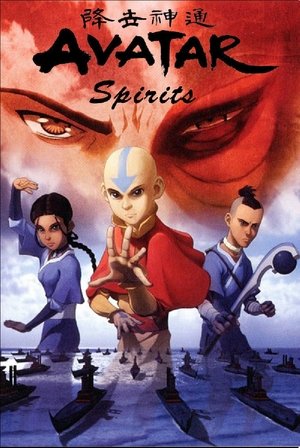
Avatar Spirits(en)
2010-06-22
Bryan Konietzko and Michael Dante DiMartino, co-creators of the hit television series, Avatar: The Last Airbender, reflect on the creation of the masterful series.
67%
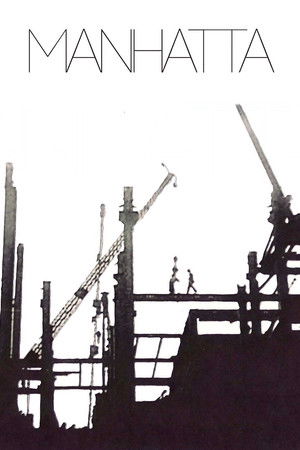
Manhatta(en)
1921-01-01
Morning reveals New York harbor, the wharves, the Brooklyn Bridge. A ferry boat docks, disgorging its huddled mass. People move briskly along Wall St. or stroll more languorously through a cemetery. Ranks of skyscrapers extrude columns of smoke and steam. In plain view. Or framed, as through a balustrade. A crane promotes the city's upward progress, as an ironworker balances on a high beam. A locomotive in a railway yard prepares to depart, while an arriving ocean liner jostles with attentive tugboats. Fading sunlight is reflected in the waters of the harbor. The imagery is interspersed with quotations from Walt Whitman, who is left unnamed.
67%
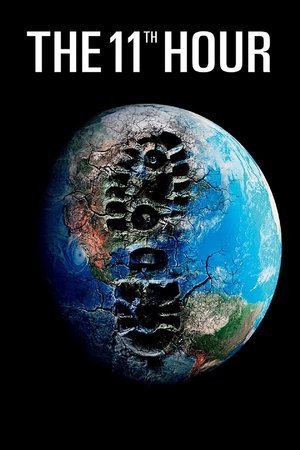
The 11th Hour(en)
2007-08-17
A look at the state of the global environment including visionary and practical solutions for restoring the planet's ecosystems. Featuring ongoing dialogues of experts from all over the world, including former Soviet Prime Minister Mikhail Gorbachev, renowned scientist Stephen Hawking, former head of the CIA R. James Woolse
78%
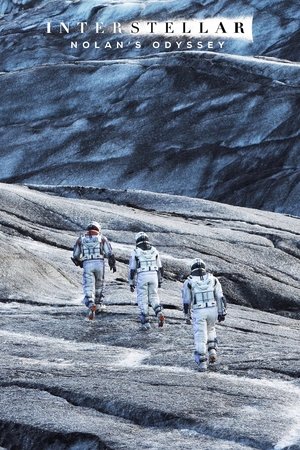
Interstellar: Nolan's Odyssey(en)
2014-11-05
A look behind the lens of Christopher Nolan's space epic.
Similar Movies

77%
Brasilia, Contradictions of a New City(pt)
1968-01-01
In 1967, de Andrade was invited by the Italian company Olivetti to produce a documentary on the new Brazilian capital city of Brasília. Constructed during the latter half of the 1950s and founded in 1960, the city was part of an effort to populate Brazil’s vast interior region and was to be the embodiment of democratic urban planning, free from the class divisions and inequalities that characterize so many metropolises. Unsurprisingly, Brasília, Contradições de uma Cidade Nova (Brasília, Contradictions of a New City, 1968) revealed Brasília to be utopic only for the wealthy, replicating the same social problems present in every Brazilian city. (Senses of Cinema)
68%
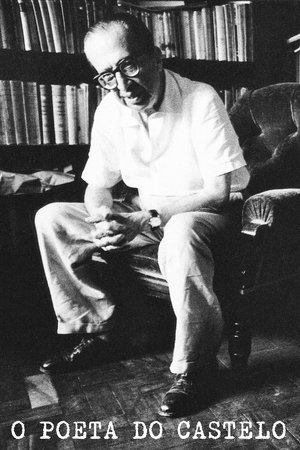
The Poet of the Castle(pt)
1959-01-01
A 10-minute portrait of modernist poet and de Andrade’s godfather, Manuel Bandeira, is clear in its affection for it subject, though like many New-Waveish films of the time, depicts the modern urban landscape as an ominous and alienating force.
40%
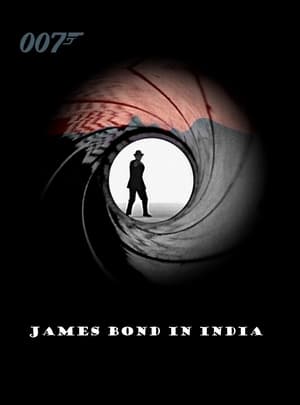
James Bond in India(en)
1983-01-25
The making of the James Bond movie Octopussy (1983) in Udaipur, India during 1982.
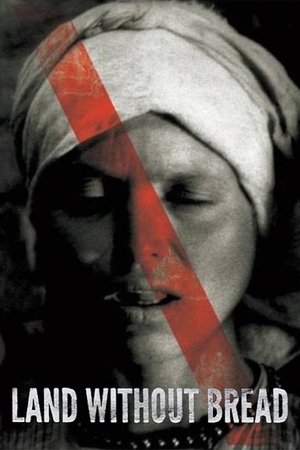
71%
Land Without Bread(es)
1933-12-01
An exploration —manipulated and staged— of life in Las Hurdes, in the province of Cáceres, in Extremadura, Spain, as it was in 1932. Insalubrity, misery and lack of opportunities provoke the emigration of young people and the solitude of those who remain in the desolation of one of the poorest and least developed Spanish regions at that time.
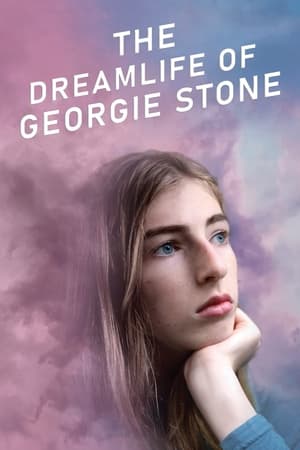
60%
The Dreamlife of Georgie Stone(en)
2022-06-09
Sharing her journey from child to teen activist, Georgie Stone looks back at her life and historic fight for transgender rights in this documentary.
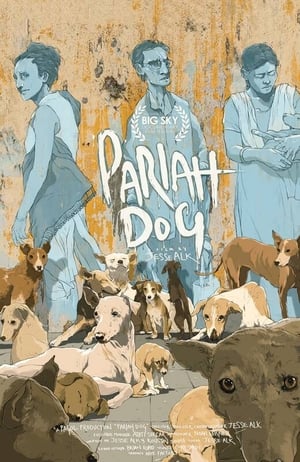
50%
Pariah Dog(bn)
2019-02-18
Shot over three years, Pariah Dog paints a kaleidoscopic picture of the city of Kolkata, seen through the prism of four outsiders and the dogs they love. These men and women have found meaning and purpose in their shared mission to care for neglected street dogs, who have existed in the towns and villages of India for thousands of years. For some this mission is enough, for others, dreams of a better life are always near.
0%
Electronic Control System of the C-1 Auto Pilot Part 1: Basic Electricity as Applied to Electronic Control System(en)
1943-01-27
Animated training film depicting the fundamentals of electricity and how electrical signals can be used to keep an airplane on correct course and altitude through an autopilot.

0%
The Black Dog(es)
2023-07-26
Since Rosa was little, people used to say around town that her grandfather was a black dog. The legend, belonging to the Valley of Oaxaca, spoke of a man who had the ability to turn into a black dog and roam the streets at night. Through images of the town, interviews with the brothers and animated interventions, the documentary tells the story of the myth and its importance in the collective memory.
0%
Events in a Cloud Chamber(en)
2016-09-08
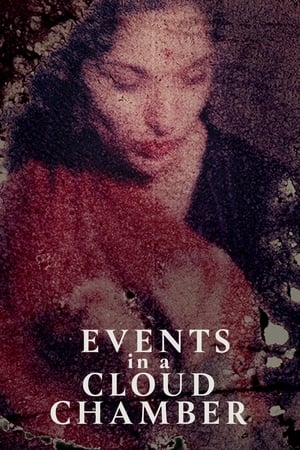
In 1969, Akbar Padamsee, one of the pioneers of Modern Indian painting, made a visionary 16mm film called Events in a Cloud Chamber. This was one of the only Indian experimental films ever made. The print is now lost and no copies exist. Over 40 years later, filmmaker Ashim Ahluwalia worked with Padamsee, now 89 years old, to remake the film.
67%
Workers Leaving the Lumière Factory(fr)
1895-03-22
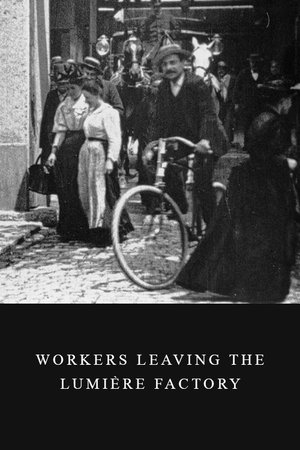
Working men and women leave through the main gate of the Lumière factory in Lyon, France. Filmed on 22 March 1895, it is often referred to as the first real motion picture ever made, although Louis Le Prince's 1888 Roundhay Garden Scene pre-dated it by seven years. Three separate versions of this film exist, which differ from one another in numerous ways. The first version features a carriage drawn by one horse, while in the second version the carriage is drawn by two horses, and there is no carriage at all in the third version. The clothing style is also different between the three versions, demonstrating the different seasons in which each was filmed. This film was made in the 35 mm format with an aspect ratio of 1.33:1, and at a speed of 16 frames per second. At that rate, the 17 meters of film length provided a duration of 46 seconds, holding a total of 800 frames.
60%
Every Good Marriage Begins with Tears(en)
2006-11-03
Two Bangladeshi girls born and raised in London have weddings arranged for them against their will by their family. Shahanara, the rebel of the family, banished from the family in her teens for being "too Western", has to swap her pink hot pants for a sari as she goes off to the airport to meet her new Bangladeshi husband. Her sister Hushnara is the opposite of Shahanara; a devout Muslim who agrees to marry so she doesn't upset her parents.
0%
One Way Trip(es)
2020-10-12
Two young women try to adapt to a new city: nostalgia, loneliness, friendship and family are mixed throughout the emotional process of both characters. A reflection on the sense of belonging and the experience of being a foreigner.
0%
Isaiah vs. The Hodag(en)
2020-12-14
A young man living with his parents in Wisconsin comes face to face with a terrifying monster while searching for the elusive cryptic known as the Hodag.

0%
Between the hotel and city hall(ko)
2020-12-28
The hotel overlooks the city hall. The city hotel returns the glance. Glances bounce off each other, become directions and points headed towards, together, and outwards all just one frame apart in between the hotel and city hall.
59%
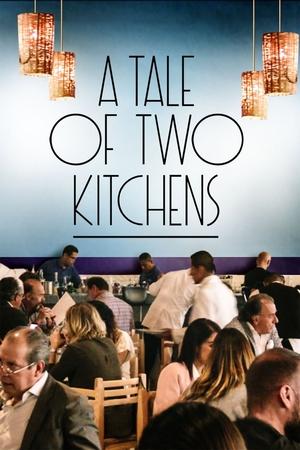
A Tale of Two Kitchens(en)
2019-05-22
Two countries, two restaurants, one vision. At Gabriela Cámara's acclaimed Contramar in Mexico City, the welcoming, uniformed waiters are as beloved by diners as the menu featuring fresh, local seafood caught within 24 hours. The entire staff sees themselves as part of an extended family. Meanwhile at Cala in San Francisco, Cámara hires staff from different backgrounds and cultures, including ex-felons and ex-addicts, who view the work as an important opportunity to grow as individuals. A Tale of Two Kitchens explores the ways in which a restaurant can serve as a place of both dignity and community.

0%
America the Beautiful(en)
1958-04-17
A tour of the United States. A Circarama (360 degree) film which originally opened at the Brussels World’s Fair in 1958 and was brought to Disneyland in 1960.
60%
King of the Jews(en)
2000-03-14
King of the Jews is a film about anti-Semitism and transcendence. Utilizing Hollywood movies, 1950's educational films, personal home movies and religious films, the filmmaker depicts his childhood fear of Jesus Christ. These childhood recollections are a point of departure for larger issues such as the roots of Christian anti-Semitism.