Loading Page


L'Enfant cinéma(1996)
Status: Released
Date: 1996-01-01
60%
1 Votes
Time: 0h 23m
Overview:
Film dedicated to Toto Bissainthe, the Haitian singer that Sarah Maldoror also filmed at an earlier stage. Here, the magic of cinema is summoned and the cinema of the Lumière brothers and other figures that marked the seventh art is revisited.
Languages:
Countries:
Movie: L'Enfant cinéma
HomePage
Overview
Film dedicated to Toto Bissainthe, the Haitian singer that Sarah Maldoror also filmed at an earlier stage. Here, the magic of cinema is summoned and the cinema of the Lumière brothers and other figures that marked the seventh art is revisited.
Release Date
1996-01-01
Average
6
Rating:
3.0 startsTagline
Genres
Languages:
Recommendations Movies
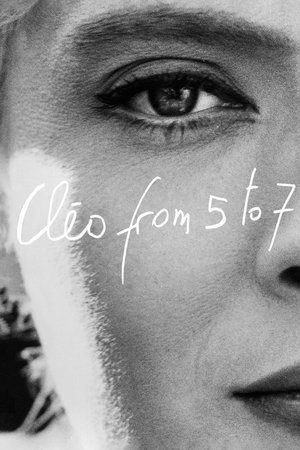
77%
Cléo from 5 to 7(fr)
1962-04-11
Agnès Varda eloquently captures Paris in the sixties with this real-time portrait of a singer set adrift in the city as she awaits test results of a biopsy. A chronicle of the minutes of one woman’s life, Cléo from 5 to 7 is a spirited mix of vivid vérité and melodrama, featuring a score by Michel Legrand and cameos by Jean-Luc Godard and Anna Karina.
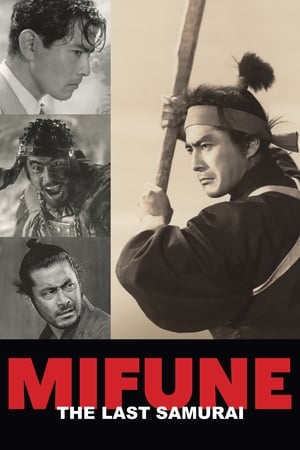
71%
Mifune: The Last Samurai(en)
2016-12-02
An account of the life and work of legendary Japanese actor Toshirō Mifune (1920-97), the most prominent actor of the Golden Age of Japanese cinema.
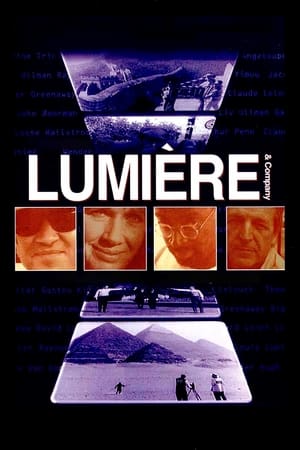
63%
Lumière & Company(fr)
1995-12-20
40 international directors were asked to make a short film using the original Cinematographe invented by the Lumière Brothers, working under conditions similar to those of 1895. There were three rules: (1) The film could be no longer than 52 seconds, (2) no synchronized sound was permitted, and (3) no more than three takes.
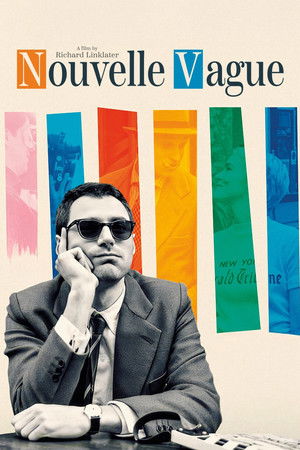
74%
Nouvelle Vague(fr)
2025-10-08
After writing for Cahiers du cinéma, a young Jean-Luc Godard decides making films is the best film criticism. He convinces producer Georges de Beauregard to fund a low-budget feature, and creates a treatment with fellow New Wave filmmaker François Truffaut about a gangster couple. The result? Breathless, one of the first features of the Nouvelle Vague era of French cinema.
63%
The Image Book(fr)
2018-10-11
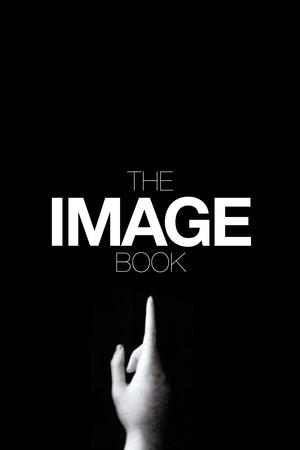
In Le Livre d’Image, Jean-Luc Godard recycles existing images (films, documentaries, paintings, television archives, etc.), quotes excerpts from books, uses fragments of music. The driving force is poetic rhyme, the association or opposition of ideas, the aesthetic spark through editing, the keystone. The author performs the work of a sculptor. The hand, for this, is essential. He praises it at the start. “There are the five fingers. The five senses. The five parts of the world (…). The true condition of man is to think with his hands. Jean-Luc Godard composes a dazzling syncopation of sequences, the surge of which evokes the violence of the flows of our contemporary screens, taken to a level of incandescence rarely achieved. Crowned at Cannes, the last Godard is a shock film, with twilight beauty.
73%
Cigarette Burns(en)
2005-12-16
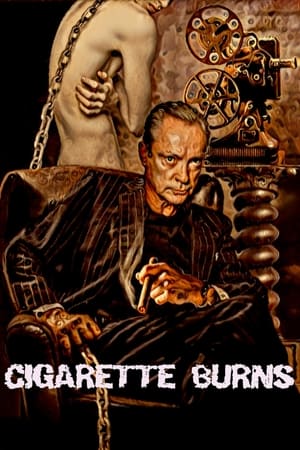
With a torrid past that haunts him, a movie theatre owner is hired to search for the only existing print of a film so notorious that its single screening caused the viewers to become homicidally insane.
65%
Peppermint Soda(fr)
1977-12-14
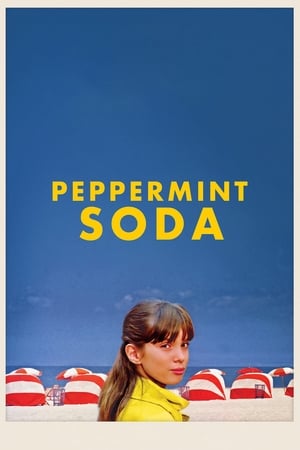
In the fall of 1963, Anne is becoming a teenager. She lives in Paris with her mother and her older sister, Frédérique. They're just back from summer at the beach with their father. School starts. A turbulent year awaits them both.
64%
Chevalier(en)
2023-04-20
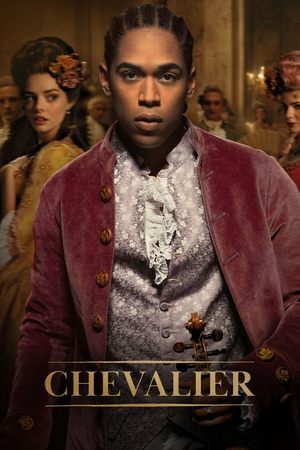
The illegitimate son of an African slave and a French plantation owner, Joseph Bologne rises to improbable heights in French society as a celebrated violinist-composer and fencer, complete with an ill-fated love affair and a falling out with Marie Antoinette and her court.
65%
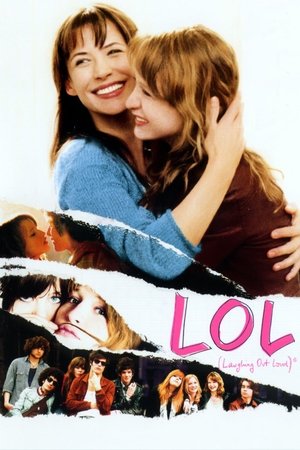
LOL (Laughing Out Loud)(fr)
2009-02-04
Lola is a striking teenaged girl who is on the cusp of adulthood and longs to rush into the adult world of independence, freedom and sexual exploits, but is tenaciously held back by her mother.
70%
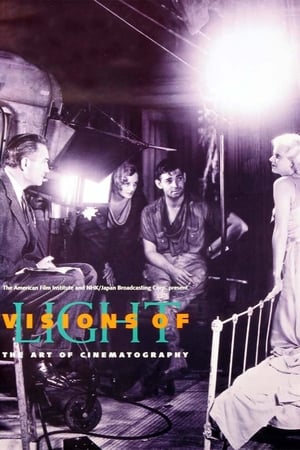
Visions of Light(en)
1992-09-17
Cameramen and women discuss the craft and art of cinematography and of the "DP" (the director of photography), illustrating their points with clips from 100 films, from Birth of a Nation to Do the Right Thing. Themes: the DP tells people where to look; changes in movies (the arrival of sound, color, and wide screens) required creative responses from DPs; and, these artisans constantly invent new equipment and try new things, with wonderful results. The narration takes us through the identifiable studio styles of the 30s, the emergence of noir, the New York look, and the impact of Europeans. Citizen Kane, The Conformist, and Gordon Willis get special attention.
70%
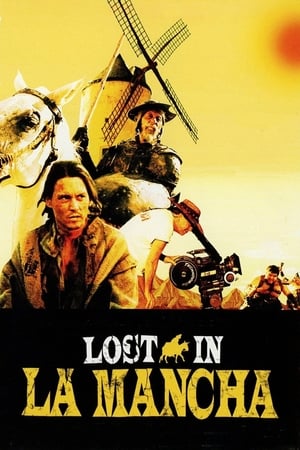
Lost in La Mancha(en)
2002-02-11
Fulton and Pepe's 2000 documentary captures Terry Gilliam's attempt to get The Man Who Killed Don Quixote off the ground. Back injuries, freakish storms, and more zoom in to sabotage the project.
75%
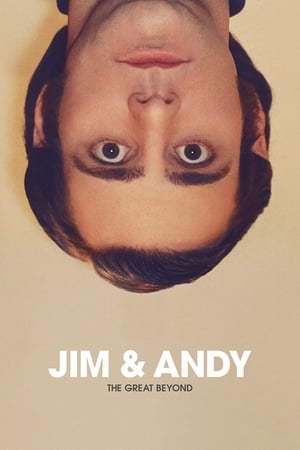
Jim & Andy: The Great Beyond(en)
2017-09-05
Offbeat documentarian Chris Smith provides a behind-the-scenes look at how Jim Carrey adopted the persona of idiosyncratic comedian Andy Kaufman on the set of Man on the Moon.
77%
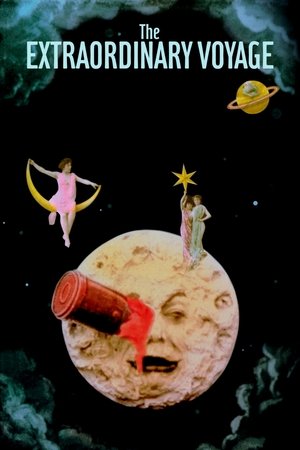
The Extraordinary Voyage(fr)
2011-12-08
An account of the extraordinary life of film pioneer Georges Méliès (1861-1938) and the amazing story of the copy in color of his masterpiece A Trip to the Moon (1902), unexpectedly found in Spain and restored thanks to the heroic efforts of a group of true cinema lovers.
70%
The Meetings of Anna(fr)
1978-10-08
Detached filmmaker Anna Silver arrives in Germany to show her latest film; over the course of some days, she encounters a variety of new and old faces, some of whom make personal revelations to her to little affect.
60%
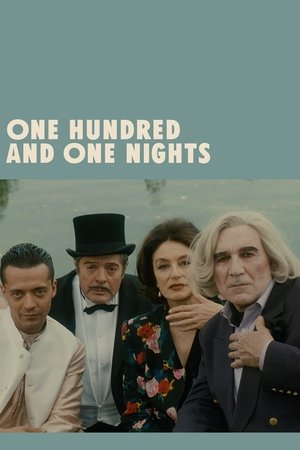
One Hundred and One Nights(fr)
1995-01-25
Monsieur Cinema, a hundred years old, lives alone in a large villa. His memories fade away, so he engages a young woman to tell him stories about all the movies ever made.

63%
Bessie(en)
2015-05-16
The story of legendary blues performer, Bessie Smith, who rose to fame during the 1920s and '30s.
65%
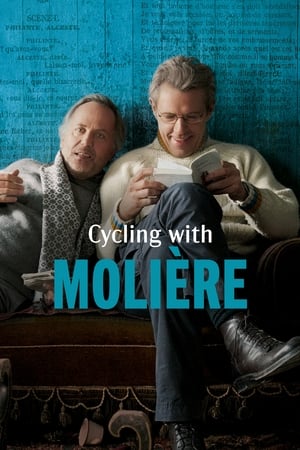
Cycling with Molière(fr)
2013-01-16
Serge Tanneur is at the pinnacle of his acting career when he decides to turn his back on show business and become a hermit living off of France’s Atlantic coast. Three years later, Gauthier Valence, a beloved TV actor, shows up on the island to offer Serge a role in his directorial debut – a rendition of Molière’s classic play, “The Misanthrope”. Serge refuses at first, but then suggests that they rehearse the first scene and after five days he’ll decide if he wants to dothe play or not. What ensues is a battle of brawn and wits and peculiar encounters with a hotel maid who longs to be a pornstar and an Italian divorcée.

74%
That's Entertainment!(en)
1974-06-21
Various MGM stars from yesterday present their favorite musical moments from the studio's 50 year history.
65%
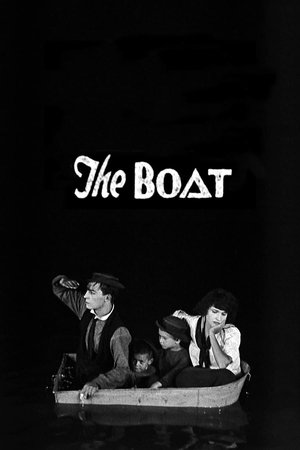
The Boat(en)
1921-11-10
A boat builder and his family attempt to set sail in his handmade boat, 'The Damfino'.
77%
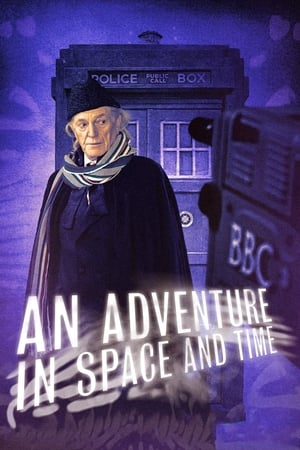
An Adventure in Space and Time(en)
2013-11-21
Actor William Hartnell felt trapped by a succession of hard-man roles while wannabe producer Verity Lambert was frustrated by the TV industry's glass ceiling. Both of them were to find unlikely hope and unexpected challenges in the form of a Saturday tea-time drama. Allied with a team of unusual but brilliant people, they went on to create the longest running science fiction series ever made.