Loading Page

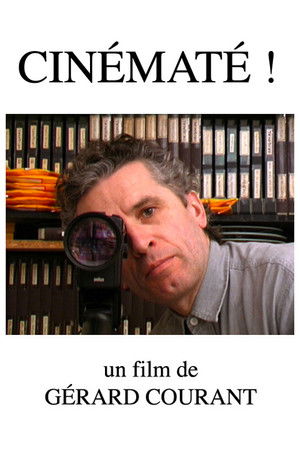
Cinématé !(2015)
Status: Released
Date: 2015-09-05
0%
0 Votes
Time: 0h 4m
Overview:
This unofficial Cinématon is one of two that Gérard Courant filmed on January 25, 2001. The second Cinématon, filmed in a tighter cinematic frame on the same day as his other non-collection Cinématon, is called Encore cinématé!
Languages: No Language.
Countries:
France
ProductionCompanies:
Les Amis de Cinématon
Les Archives de l’Art Cinématonique
La Fondation Gérard Courant
Movie: Cinématé !
Top 1 Billed Cast

Gérard Courant
HomePage
Overview
This unofficial Cinématon is one of two that Gérard Courant filmed on January 25, 2001. The second Cinématon, filmed in a tighter cinematic frame on the same day as his other non-collection Cinématon, is called Encore cinématé!
Release Date
2015-09-05
Average
0
Rating:
0.0 startsTagline
Genres
Languages:
No Language
Recommendations Movies
74%
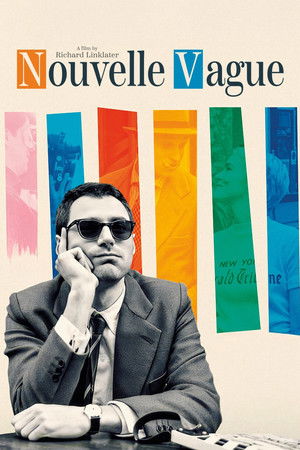
Nouvelle Vague(fr)
2025-10-08
After writing for Cahiers du cinéma, a young Jean-Luc Godard decides making films is the best film criticism. He convinces producer Georges de Beauregard to fund a low-budget feature, and creates a treatment with fellow New Wave filmmaker François Truffaut about a gangster couple. The result? Breathless, one of the first features of the Nouvelle Vague era of French cinema.
70%
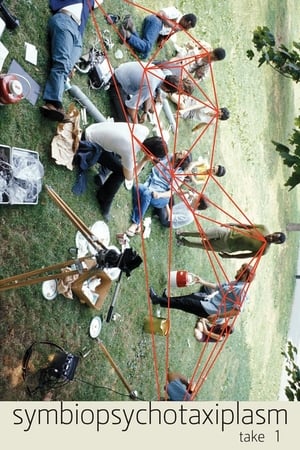
Symbiopsychotaxiplasm: Take One(en)
1968-10-28
In Manhattan's Central Park, a film crew directed by William Greaves is shooting a screen test with various pairs of actors. It's a confrontation between a couple: he demands to know what's wrong, she challenges his sexual orientation. Cameras shoot the exchange, and another camera records Greaves and his crew. Sometimes we watch the crew discussing this scene, its language, and the process of making a movie. Is there such a thing as natural language? Are all things related to sex? The camera records distractions - a woman rides horseback past them; a garrulous homeless vet who sleeps in the park chats them up. What's the nature of making a movie?
69%
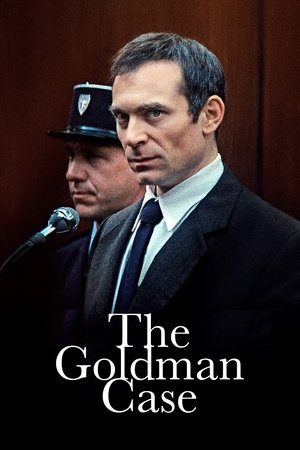
The Goldman Case(fr)
2023-06-07
A second trial begins in November 1975 against French left-wing revolutionary Pierre Goldman, accused of several armed robberies and the death of two chemists.
71%
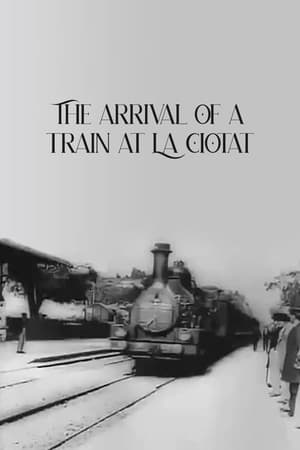
The Arrival of a Train at La Ciotat(fr)
1896-06-30
A group of people are standing along the platform of a railway station in La Ciotat, waiting for a train. One is seen coming, at some distance, and eventually stops at the platform. Doors of the railway-cars open and attendants help passengers off and on. Popular legend has it that, when this film was shown, the first-night audience fled the café in terror, fearing being run over by the "approaching" train. This legend has since been identified as promotional embellishment, though there is evidence to suggest that people were astounded at the capabilities of the Lumières' cinématographe.
75%
The Round Up(fr)
2010-03-10
A faithful retelling of the 1942 "Vel' d'Hiv Roundup" and the events surrounding it.
66%
Notre-Dame on Fire(fr)
2022-03-16
A film relating from the inside the Notre-Dame de Paris fire of April 2019.
68%
Making Waves: The Art of Cinematic Sound(en)
2019-10-25
The history of cinematic sound, told by legendary sound designers and visionary filmmakers.
67%
Workers Leaving the Lumière Factory(fr)
1895-03-22
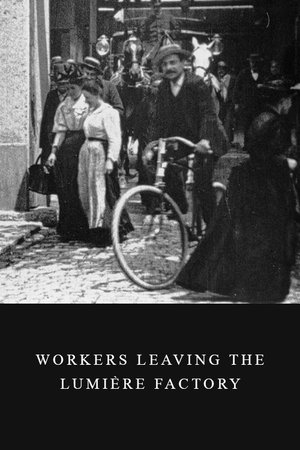
Working men and women leave through the main gate of the Lumière factory in Lyon, France. Filmed on 22 March 1895, it is often referred to as the first real motion picture ever made, although Louis Le Prince's 1888 Roundhay Garden Scene pre-dated it by seven years. Three separate versions of this film exist, which differ from one another in numerous ways. The first version features a carriage drawn by one horse, while in the second version the carriage is drawn by two horses, and there is no carriage at all in the third version. The clothing style is also different between the three versions, demonstrating the different seasons in which each was filmed. This film was made in the 35 mm format with an aspect ratio of 1.33:1, and at a speed of 16 frames per second. At that rate, the 17 meters of film length provided a duration of 46 seconds, holding a total of 800 frames.
72%
Uncle Yanco(fr)
1967-10-01
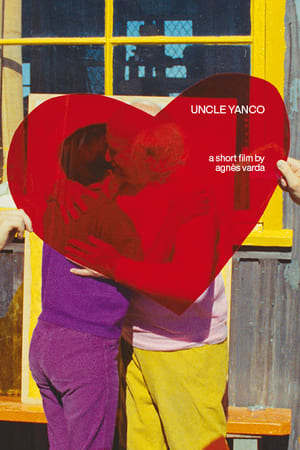
While in San Francisco for the promotion of her last film in October 1967, Agnès Varda, tipped by her friend Tom Luddy, gets to know a relative she had never heard of before, Jean Varda, nicknamed "Yanco". This hitherto unknown uncle lives on a boat in Sausalito, is a painter, has adopted a hippie lifestyle and loves life. The meeting is a very happy one.
67%
His Name Was Jason: 30 Years of Friday the 13th(en)
2010-04-20
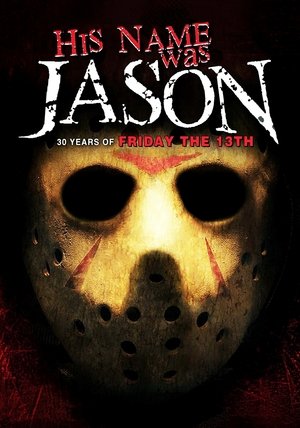
A retrospective documentary about the groundbreaking horror series, Friday the 13th, featuring interviews with cast and crew from the twelve films spanning 3 decades.
63%
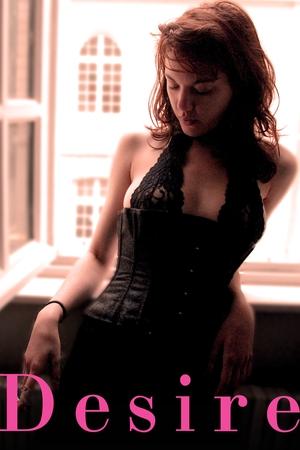
Desire(fr)
2011-10-06
In a social context deteriorated by a countrywide economic crisis, the life of several people will be turned upside down after they meet Cécile, a character who symbolizes desire.
72%
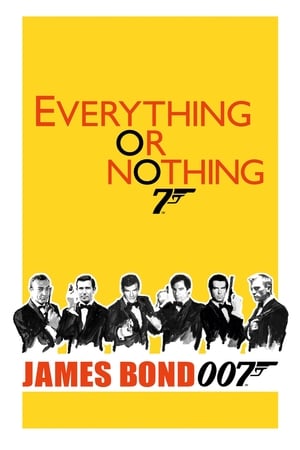
Everything or Nothing(en)
2012-10-05
The story of three men with a shared dream: James Bond franchise producers Albert R. Broccoli and Harry Saltzman, and Bond creator and author Ian Fleming. It’s the thrilling and inspiring narrative behind the longest running film franchise in cinema history, which began in 1962.
63%
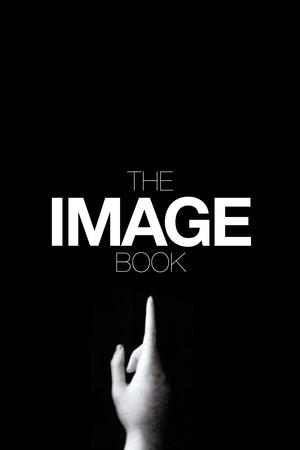
The Image Book(fr)
2018-10-11
In Le Livre d’Image, Jean-Luc Godard recycles existing images (films, documentaries, paintings, television archives, etc.), quotes excerpts from books, uses fragments of music. The driving force is poetic rhyme, the association or opposition of ideas, the aesthetic spark through editing, the keystone. The author performs the work of a sculptor. The hand, for this, is essential. He praises it at the start. “There are the five fingers. The five senses. The five parts of the world (…). The true condition of man is to think with his hands. Jean-Luc Godard composes a dazzling syncopation of sequences, the surge of which evokes the violence of the flows of our contemporary screens, taken to a level of incandescence rarely achieved. Crowned at Cannes, the last Godard is a shock film, with twilight beauty.
81%
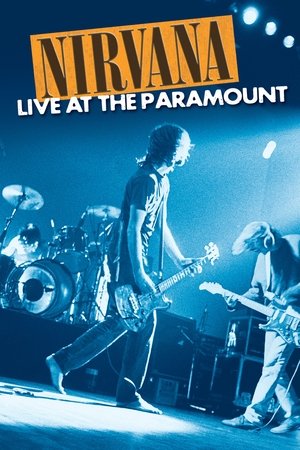
Nirvana: Live at the Paramount(en)
2011-09-24
Recorded in Seattle, WA on Halloween Night, 1991, Live at the Paramount is the only known Nirvana live show recorded on 16mm film. Now released to coincide with the 20th anniversary of the release of Nirvana's watershed album.
73%
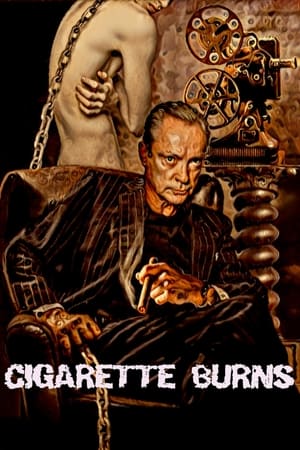
Cigarette Burns(en)
2005-12-16
With a torrid past that haunts him, a movie theatre owner is hired to search for the only existing print of a film so notorious that its single screening caused the viewers to become homicidally insane.
66%
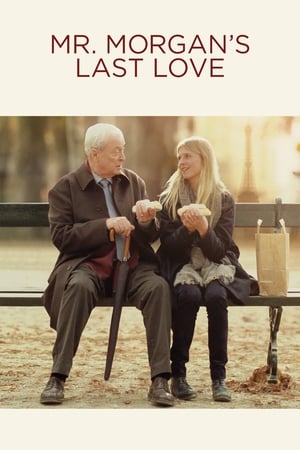
Mr. Morgan's Last Love(en)
2013-08-22
A widowed professor living in Paris develops a special relationship with a younger French woman.
60%
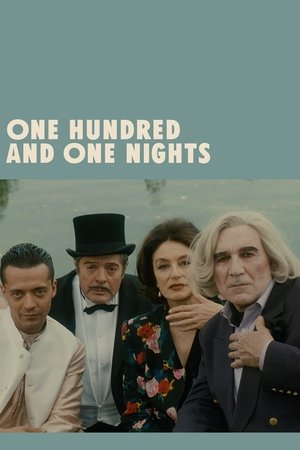
One Hundred and One Nights(fr)
1995-01-25
Monsieur Cinema, a hundred years old, lives alone in a large villa. His memories fade away, so he engages a young woman to tell him stories about all the movies ever made.

67%
Rebellion(fr)
2011-11-16
April 1988, Ouvéa Island, New Caledonia. 30 gendarmes are taken hostage by a group of Kanak freedom fighters. 300 soldiers are sent from France to re-establish order. 2 men confront each other: Philippe Legorjus, chief of the terrorist squad, and Alphonse Dianou, head of the kidnappers. Through their shared values, they will attempt to make discussion triumph. But, in the middle of a presidential election, when the stakes are political, order isn't always dictated by morality. A violent and troubling epic that marks the return of Mathieu Kassovitz in front and behind the camera.
74%
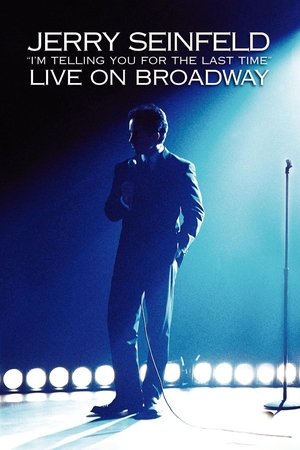
Jerry Seinfeld: I'm Telling You for the Last Time(en)
1998-08-08
Taped for HBO in August 1998, on the final date of Jerry Seinfeld's tour appearances at New York City's Broadhurst Theater, I'm Telling You for the Last Time presents the standup comedian's so-called "final" standup, or at least his final tour with the standup material that made him famous.