Loading Page

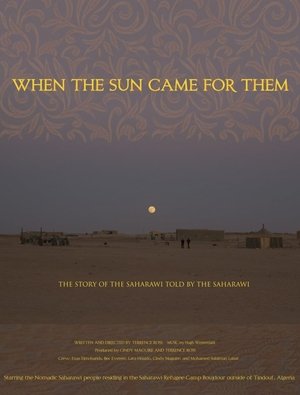
When the sun came for them(2016)
Status: Released
Date: 2016-01-01
0%
0 Votes
Time: 1h 15m
Overview:
When the Sun Came for Them is a series of interviews with the nomadic Saharawi people in the Western Sahara. They discuss their remarkable history, their poetic life style and their strong morals. They recount the horrific Moroccan invasion, which forced them into the Algerian refugee camps. This is a powerful and unique movie, which not only preserves the Saharawi people’s personal and cultural history as nomads, but also documents what it means to be a “state-less” person. It is a human rights plea to a world, which has been sadly silent on the long time abuse of the Saharawi people. When the Sun Came for Them documents what it means to be a “state-less” person and how after decades of abuse even pacifist Muslims are turned into fighters committed to war. It is a timely and important film. All was shot by a crew of three recent college graduates on two iPads. It is true backpack journalism.
Languages: Arabic, English.
Countries:
United States of America
Movie: When the sun came for them
Loading Photos
Photo Type :Total items
Similar Movies
0%
Barsham Faire(xx)
1974-08-01
In the 70s, Barsham Faire on August Bank Holiday became a tradition for many to celebrate things 'medieval' and raise funds for local arts events. It put Barsham on the map.
100%
Golden Era(en)
2024-04-07
A look into the history and tradition of Queen's Football in it's golden era, featuring never before seen footage of the university in the 1960s.

0%
Horämäner(de)
2022-04-22
The horn sledges were used throughout the Alps in forestry and agriculture for material transports on steep terrain. In the Muota valley, in the heart of Switzerland, a group of idealists is continuing to preserve the old tradition of «Mänere».
90%
In the Time of the Count(sv)
2004-12-29
At the forests of Östergötland, where land meets sea, rests the old castle Herrborum. Here lives count Magnus Stenbock, 92, according to his own ideas about what is appropriate and what is not. Film-maker Helena Nygren is fascinated by the count and the castle, and is allowed to film on the condition that she takes the role of companion lady. Over one year, Helena returns several times to take part of count Magnus Stenbock and his servants life on castle Herrborum in Östergötland. Time stands still on the castle, and in the movie Helena wants to preserve the fairy tale feeling she gets when she steps into these ancient surroundings. The count is a strong personality with strong opinions and a great interest in history. All kinds of people come to his castle to savor the special atmosphere and follow the old fashioned rules of etiquette. Helena transforms from an observer to a lady who participates in the social games on the estate, where everything moves around its own time axis.
70%
The Story of the Weeping Camel(mn)
2004-08-12
When a Mongolian nomadic family's newest camel colt is rejected by its mother, a musician is needed for a ritual to change her mind.
0%
Khaïma(ar)
2023-03-01
0%
Eagle Boy(en)
2018-08-05
A fearless horse bonds two men to each other and to the traditions that define their community.
0%
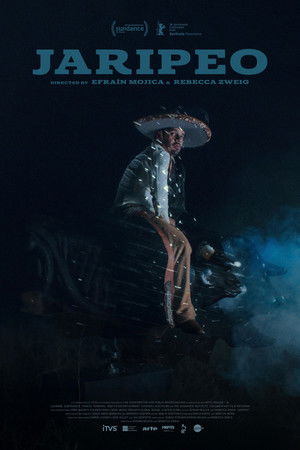
Jaripeo(en)
2026-01-25
Set against the vibrant spectacle of the jaripeo, a symbol of Mexican cowboy tradition and machismo, this story unveils a hidden world of queer desire and quiet rebellion. As glances and gestures disrupt the rigid norms of masculinity, the rodeo becomes a stage for our protagonists to navigate identity, community, and the search for belonging in an oppressively traditional space.
0%
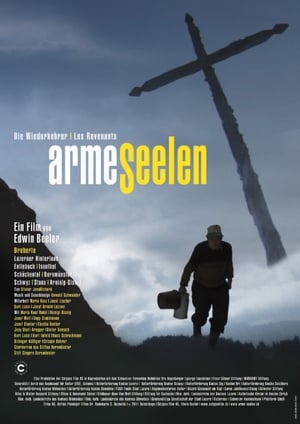
The Revenants(de)
2011-01-06
The filmmaker travels to the mysterious land of the “poor souls.” He visits eyewitnesses in rural areas of Central Switzerland. They offer their account of mystifying experiences in connection with the afterlife, of evil deeds by people who passed away long ago in need of atonement. The film investigates the hidden signs of mountain magic and reminds us of our own myths, ghosts and primal images. It also looks for paths to self-awareness that could be revealed to us within and under layers of centuries-old Catholic cultural sediment.


70%
Through the Gaze of the Cockfighter(es)
2022-01-21
What motivates a cock-fighter to fight a rooster he loves? In Costa Rica, cockfighting is considered a crime and has been banned for 99 years. A large part of society rejects this tradition and those who practice it, but is it fair to morally judge a cock-fighter as a criminal? We will get to know the other side of the coin through the gaze of the cock-fighter.

65%
Sons of the Clouds: The Last Colony(es)
2012-05-18
The political upheaval in North Africa is responsibility of the Western powers —especially of the United States and France— due to the exercise of a foreign policy based on practical and economic interests instead of ethical and theoretical principles, essential for their international politic strategies, which have generated a great instability that causes chaos and violence, as occurs in Western Sahara, the last African colony according to the UN, a region on the brink of war.
57%
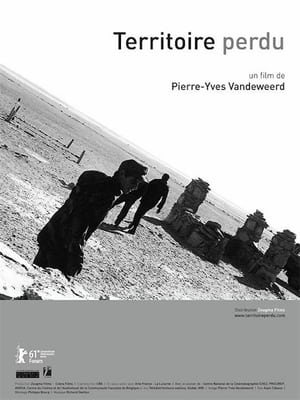
Lost land(fr)
2011-11-30
Straddling a 2,400-kilometer-long wall constructed by the Moroccan army, the Western Sahara is today divided into two sections — one occupied by Morocco, the other under the control of the Sahrawi National Liberation Movement’s Polisario Front. Drawing from stories of flight, exile, interminable waiting and the arrested, persecuted lives on both sides of that wall, this film bears witness to the Sahrawi people, their land, their entrapment in other people’s dreams. In an esthetic that sublimates the real, Lost Land resonates like a score that juxtaposes sonorous landscapes, black-and-white portraits and nomadic poetics.
100%
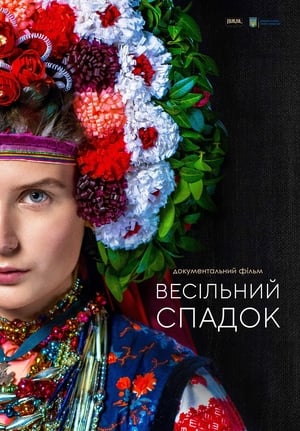
Back to Basics.Wedding(uk)
2020-10-14
Full-length documentary about wedding customs and rites from different parts of Ukraine. This film will immerse the viewer in the world of rich, striking and diverse wedding culture of 8 regions of the country: Kyiv, Cherkasy, Chernihiv, Ivano-Frankivsk, Zakarpattia, Kharkiv, Rivne and Chernivtsi.
100%
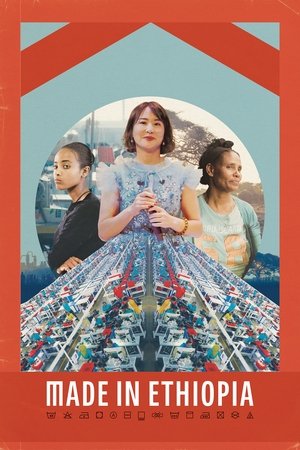
Made in Ethiopia(am)
2024-06-06
When a massive Chinese factory complex attempts a high-stakes expansion in rural Ethiopia, three women in search of prosperity have their faith in industrialization tested to the limit. Filmed over four years with singular access, Made in Ethiopia lifts the curtain on China’s historic but misunderstood impact on Africa, and explores contemporary Ethiopia at a moment of profound crisis. The film was awarded the Jury Special Mention at Tribeca Festival.
0%
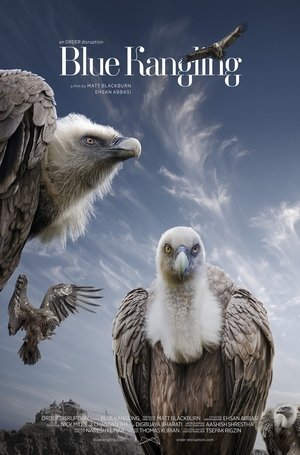
Blue Kangling(bo)
Tibetan Buddhist search for the meaning of death in an unforgiving Himalayan landscape and stir compassion by uncovering human truths