Loading Page


1989(2019)
Status: Released
Date: 2019-05-13
0%
0 Votes
Time: 0h 58m
Overview:
Such changes took place in Poland over a period of several months - from the end of 1988 to the end of January 1990? Michał Bielawski, through the prism of official and underground archives, shows the then state of mind of Poles, their fears, hopes and reflections. Film materials from the 1988-1990 period are in harmony with the photographs and diaries written by Poles at that time, as well as with the messages about the changes taking place. We observe the most important political, social and moral events of that period, confronted or reinforced by the comments of their active observers: ordinary people, politicians of the government camp and oppositionists.
Languages: English, Polish.
Countries:
Poland
ProductionCompanies: 


Unlimited Film Operations
Europejskie Centrum Solidarności
Movie: 1989
Top 10 Billed Cast

Krystyna Janda
Self (archive footage)
HomePage
Overview
Such changes took place in Poland over a period of several months - from the end of 1988 to the end of January 1990? Michał Bielawski, through the prism of official and underground archives, shows the then state of mind of Poles, their fears, hopes and reflections. Film materials from the 1988-1990 period are in harmony with the photographs and diaries written by Poles at that time, as well as with the messages about the changes taking place. We observe the most important political, social and moral events of that period, confronted or reinforced by the comments of their active observers: ordinary people, politicians of the government camp and oppositionists.
Release Date
2019-05-13
Average
0
Rating:
0.0 startsTagline
Genres
Languages:
EnglishPolskiKeywords
Recommendations Movies
68%
9/11: Inside the President's War Room(en)
2021-08-31
Experience the events of September 11, 2001 through the eyes of President Bush and his closest advisors as they personally detail the crucial hours and key decisions from that historic day.
69%
Confirmation(en)
2016-04-16
Judge Clarence Thomas' nomination to the United States' Supreme Court is called into question when former colleague, Anita Hill, testifies that he had sexually harassed her.
68%
Making Waves: The Art of Cinematic Sound(en)
2019-10-25
The history of cinematic sound, told by legendary sound designers and visionary filmmakers.

70%
Visions of Light(en)
1992-09-17
Cameramen and women discuss the craft and art of cinematography and of the "DP" (the director of photography), illustrating their points with clips from 100 films, from Birth of a Nation to Do the Right Thing. Themes: the DP tells people where to look; changes in movies (the arrival of sound, color, and wide screens) required creative responses from DPs; and, these artisans constantly invent new equipment and try new things, with wonderful results. The narration takes us through the identifiable studio styles of the 30s, the emergence of noir, the New York look, and the impact of Europeans. Citizen Kane, The Conformist, and Gordon Willis get special attention.

70%
The Cutting Edge: The Magic of Movie Editing(en)
2004-10-12
Documentary about the art of film editing. Clips are shown from many groundbreaking films with innovative editing styles.
82%
The Untold History Of The United States(en)
2012-11-12
Oliver Stone charts the history of the United States from the Second World War to the present.
69%
In Search of the Last Action Heroes(en)
2019-09-01
The most comprehensive retrospective of the '80s action film genre ever made.

76%
Night Will Fall(en)
2014-06-07
When Allied forces liberated the Nazi concentration camps in 1944-45, their terrible discoveries were recorded by army and newsreel cameramen, revealing for the first time the full horror of what had happened. Making use of British, Soviet and American footage, the Ministry of Information’s Sidney Bernstein (later founder of Granada Television) aimed to create a documentary that would provide lasting, undeniable evidence of the Nazis’ unspeakable crimes. He commissioned a wealth of British talent, including editor Stewart McAllister, writer and future cabinet minister Richard Crossman – and, as treatment advisor, his friend Alfred Hitchcock. Yet, despite initial support from the British and US Governments, the film was shelved, and only now, 70 years on, has it been restored and completed by Imperial War Museums under its original title "German Concentration Camps Factual Survey".

71%
Audrey(en)
2020-11-30
An unprecedented and intimate look at the life, work and enduring legacy of British actress Audrey Hepburn (1929-1993).
72%
To Be Takei(en)
2014-08-22
Over seven decades, actor and activist George Takei journeyed from a World War II internment camp to the helm of the Starship Enterprise, and then to the daily news feeds of five million Facebook fans. Join George and his husband, Brad, on a wacky and profound trek for life, liberty, and love.
69%
Harry Dean Stanton: Partly Fiction(en)
2013-09-11
An impressionistic portrait of the iconic actor Harry Dean Stanton comprised of intimate moments, film clips from some of his 250 films and his renditions of American folk songs.
78%
The Godfather Family: A Look Inside(en)
1990-07-12
A documentary on the making of the three Godfather films, with interviews and recollections from the film makers and cast. This feature also includes the original screen tests of some of the actors for "The Godfather" film, and some candid moments on the set of "The Godfather: Part III."
72%
Life in a Day(en)
2011-01-27
A documentary shot by filmmakers all over the world that serves as a time capsule to show future generations what it was like to be alive on the 24th of July, 2010.
68%
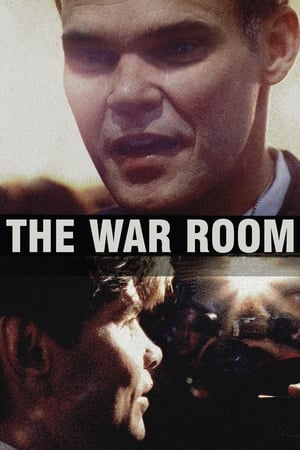
The War Room(en)
1993-11-03
A behind-the-scenes documentary about the Clinton for President campaign, focusing on the adventures of spin doctors James Carville and George Stephanopoulos.
70%
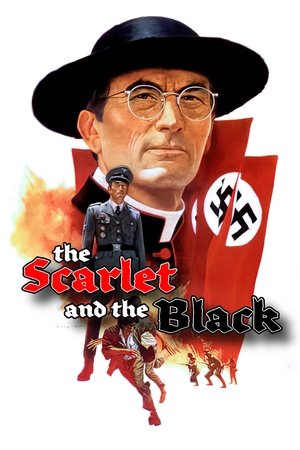
The Scarlet and the Black(en)
1983-02-02
Fr. Hugh O'Flaherty is a Vatican official in 1943-45 who has been hiding downed pilots, escaped prisoners of war, and Italian resistance families. His activities become so large that the Nazis decide to assassinate him the next time he leaves the Vatican.
72%
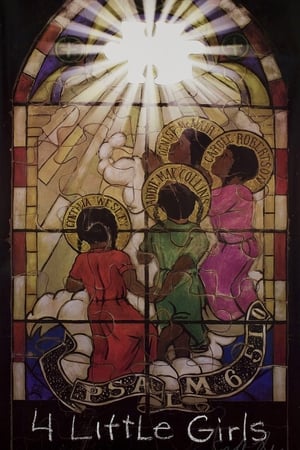
4 Little Girls(en)
1997-07-09
On September 15, 1963, a bomb destroyed a black church in Birmingham, Alabama, killing four young girls who were there for Sunday school. It was a crime that shocked the nation--and a defining moment in the history of the civil-rights movement. Spike Lee re-examines the full story of the bombing, including a revealing interview with former Alabama Governor George Wallace.
69%
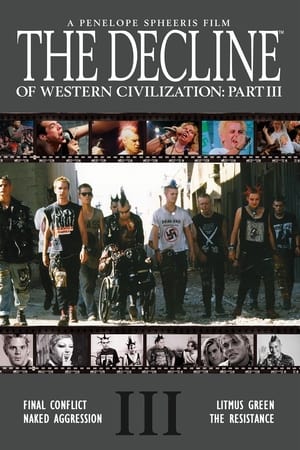
The Decline of Western Civilization Part III(en)
1998-11-13
A musical study of Los Angeles in the late 90s, where homeless teens roam the streets and profess to live a punk lifestyle of music, drugs, and flouting authority.
Similar Movies
68%
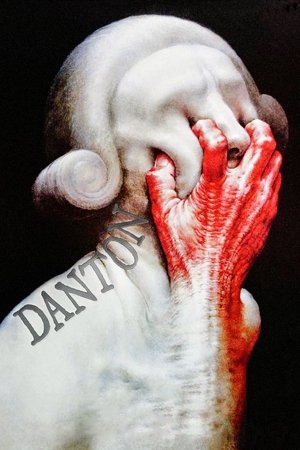
Danton(fr)
1983-01-12
Danton and Robespierre were close friends and fought together in the French Revolution, but by 1793 Robespierre was France's ruler, determined to wipe out opposition with a series of mass executions that became known as the Reign of Terror. Danton, well known as a spokesman of the people, had been living in relative solitude in the French countryside, but he returned to Paris to challenge Robespierre's violent rule and call for the people to demand their rights. Robespierre, however, could not accept such a challenge, even from a friend and colleague, and he blocked out a plan for the capture and execution of Danton and his allies.
74%
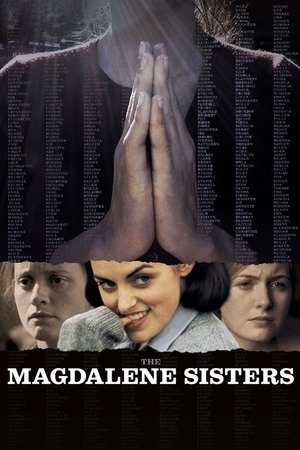
The Magdalene Sisters(en)
2002-08-30
Three young Irish women struggle to maintain their spirits while they endure dehumanizing abuse as inmates of a Magdalene Sisters Asylum.
60%
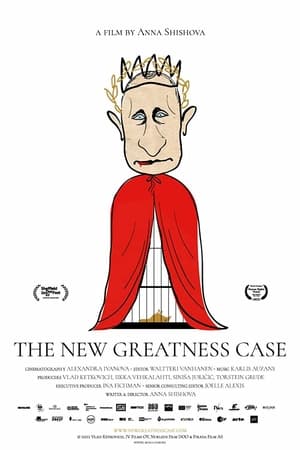
The New Greatness Case(ru)
2022-06-10
Anya was an ordinary Moscow teenager who found a chat group of her choice online. They talked about animals, the stars and social issues. A man called Ruslan D joined the group, who set up an office space for the online group to meet. Step by step, he began to lead young people who were critical of the Putin's regime towards political activism. Ruslan D placed a camera in the meeting room, and when he had enough footage, he handed it over to the prosecutor. The police raided the teenagers' homes and they were arrested on charges of planning to overthrow the government and terrorism. Three years of legal proceedings transformed Anya's mother from a loyal follower of Putin to a hunger-striking activist. Moscow-based director Anna Shishova followed Anya and her mother's life throughout the event and eventually revealed the true identity of Ruslan D.
0%
Out in the Middle of Nowhere(en)
1994-01-01
A short 1994 documentary that highlights the lives and experiences of a few LGBTQ+ residents of the Palouse. Filmed and narrated by Jeff Olson. Produced by the Latah/Nez Perce Voices for Human Rights. The film was digitized and provided by the Boise State University Special Collections and Archives.
0%
Before Father Gets Back(ka)
2018-08-13
In a darkened classroom, the white cracked walls serve as a movie screen. We are in a remote mountain village in Georgia. The light from the projector breaks the darkness: the children's first cinematic experience is about to begin. Among the kids are Iman and Eva, two Muslim girls, for whom the experience becomes a turning point and inspires them to pick up a camera and start filming their daily lives. The girls are growing up in a valley infested by radicalism, where most people live in constant fear that their relatives will sacrifice their lives in the name of God.
62%
The Spark: The Origins of Pride(fr)
2019-07-24
A story of the LGBT struggle from the 1960s to the present, after the Stonewall riot sparked the militant action in New York that was to spread around the world. From San Francisco to Paris via Amsterdam, between the first Gay Pride, the election of Harvey Milk, the French "decriminalization", the AIDS epidemic and the first homosexual marriages, these few decades of struggle are embodied through numerous testimonies of actors and actresses of this revolution rainbow.
68%
Belarus: An Ordinary Dictatorship(fr)
2018-03-18
It’s the last dictatorship of Europe, caught in a Soviet time-warp, where the secret police is still called the KGB and the president rules by fear. Disappearances, political assassinations, waves of repression and mass arrests are all regular occurances. But while half of Belarus moves closer to Russia, the other half is trying to resist…
0%
La Plata Rugby Club(it)
2014-07-11
An historical documentary that rereads the recent death of Jorge Videla, bloodthirsty dictator of Argentina in the 70’s, telling the disappearance, one by one, of the members of La Plata Rugby club. A tragic and compelling story where the passion for politics and sport is opposed to a fascist - military regime.

90%
Israel Palestine on Swedish TV 1958-1989(sv)
2024-10-04
Archival film maestro Göran Hugo Olsson has assembled—from a vast catalogue of footage in the vaults of Sweden’s national television service SVT—accounts of the Israeli-Palestinian conflict as witnessed and represented by Swedish journalists. Stories of the beginning of the Israeli state interwoven with the Palestinian struggle for independence. News coverage with Yasser Arafat and interviews with Israeli foreign minister Abba Eban during a visit to Sweden unseen since first broadcast. From the tenth anniversary of Israel’s founding to the First Intifada, perspectives and encounters with statesmen, civilians, revolutionaries, and intellectuals tell the story from myriad angles of an evolving media landscape, revivifying a history of the ongoing conflict.
0%
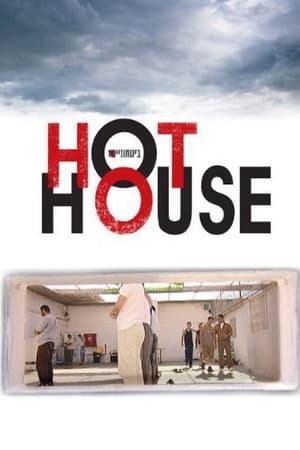
Hot House(he)
2006-05-04
In a candid and unflinching portrait of Palestinian prisoners, Shimon Dotan takes viewers inside the highest security prisons in Israel where thousands of Palestinians fill these detention facilities.
55%
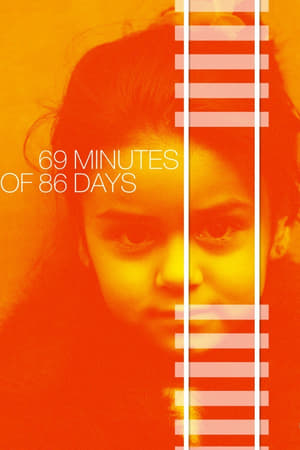
69 Minutes of 86 Days(no)
2017-03-22
A 3-year-old girl and her family's long journey from a Greek refugee centre to Uppsala.
70%
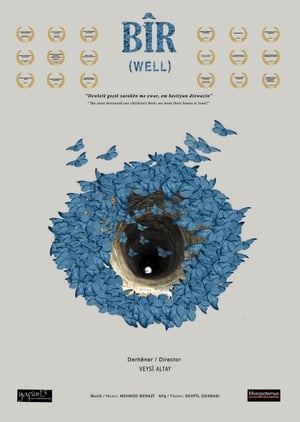
Well(ku)
2018-05-16
In the 1990s many people in Kurdistan were taken into custody and interrogated under torture; their killers disposed of the bodies by throwing them out of helicopters, or burying them in acid-filled wells. Thousands were murdered/disappeared by paramilitary forces—such as Jitem and Hizbul-Kontra—that were financed and supported by the state, though they have always stuck to the line: “We didn’t do it.” The documentary looks at the case of seven people, including four children, who were disappeared from the town of Kerboran [Dargeçit] in 1995, and tells the story of their families’ tireless search for their bones
0%
Harbinger(id)
2022-02-14
A street sweeper, The messenger of the red-blooded letter to the soldier found out it was abused. Responsible for the extermination of neutralists during the Gestok/Gestapu era in Bali.
0%
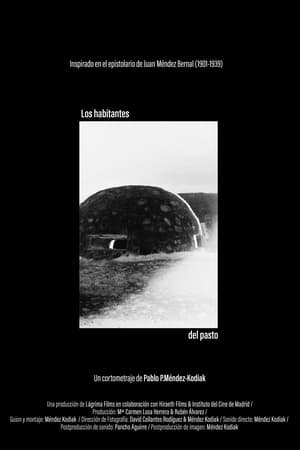
The Grass Dwellers(es)
2022-11-28
Juan Méndez Bernal leaves his house on the 9th of april of 1936 to fight in the imminent Spanish Civil War. 83 years later, his body is still one of the Grass Dwellers. The only thing that he leaves from those years on the front is a collection of 28 letters in his own writing.
100%
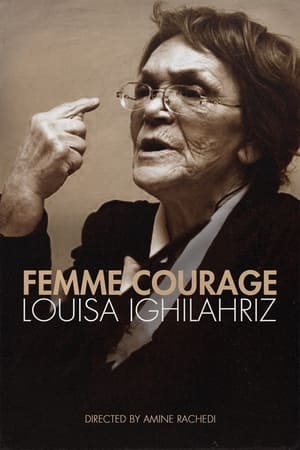
Woman of Courage - Louisa Ighilahriz(ar)
2003-01-21
The autobiographical account of the tormented life of a witness of the century: Louisa Ighilahriz, activist and leading figure in Algerian independence. A student, she joined the independence struggle at the age of 20, joining the ranks of the FLN on the eve of the Battle of Algiers in late 1956 under the name Lila. She took part in the high school students' strike, then fled into the maquis when she was actively sought after. She was part of the French FLN support network of "suitcase carriers" during the Battle of Algiers. Seriously wounded alongside her network leader, Saïd Bakel, during an ambush in 1957, hospitalized and then imprisoned, she suffered numerous tortures in French prisons. She will be saved from certain death by an anonymous person, she will seek, for forty years, to find him just to show him her gratitude... Emblematic of the painful Franco-Algerian history, Louisa's story is poignant and imbued with humanism.

0%
Jinsuk & Me(ko)
2012-09-27
I have been pretty satisfied with my life before I got on the bus. When I do in June 2011, my whole life turns upside down. I am just a regular passenger at first. Like other people I was sorry, and felt obliged to help and care for other passengers. Then I begin to film these common heroes with my camera. Those who speak about hope, who provide it and get on the bus, Ms. Kim Jin-suk, and other crane laborers who risk their safety while demonstrating for their rights on high. She, while stationed insecurely on high, begins interacting with the world through Twitter and makes friends. Then I realize I really love her. Will we have her back safely?
59%
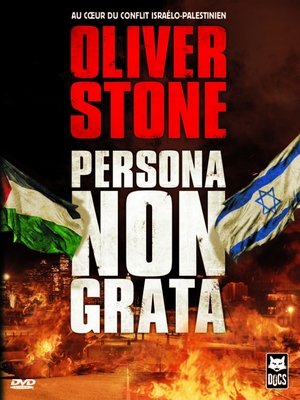
Persona Non Grata(en)
2003-06-05
2003 documentary film produced by Oliver Stone for the HBO series America Undercover about the conflict in occupied Palestine. He speaks with Ehud Barak and Benjamin Netanyahu, former prime ministers of Israel, Yasser Arafat, late president of the Palestinian National Authority, and various Palestinian activists resisting the oppression of the zionist regime.

0%
Politzek, the voices that challenge the Kremlin(fr)
2026-03-07
In Russia, criticizing the war in Ukraine or Vladimir Putin’s regime has become a crime. Thousands of ordinary citizens are being arrested, tried, and imprisoned. They are called “Politzek”: political prisoners. Filmed clandestinely over the course of more than a year, Politzek gives a platform to those who, despite the fear, continue to speak out against Putin’s repressive Russia. Through the intersecting stories of a teenager sentenced to five years in prison for criticizing the government on social media, a young artist jailed for placing anti-war stickers, a human rights activist, and two theater directors facing Kafkaesque trials, the film unveils the machinery of state repression in Russia. With rare footage, broken yet unyielding voices, this is a story of silenced resistance.
100%
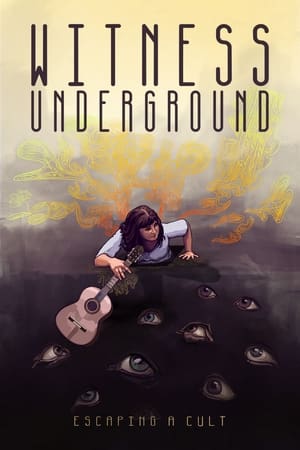
Witness Underground(en)
2024-01-26
Punk rock, B-movies, and Jehovah’s Witnesses unite in this heartfelt documentary. As members of Jehovah’s Witness start to explore culture outside of their religion, they have to wrestle with the possibility of being excommunicated from friends and family. Featuring in-depth interviews and extensive home video footage, Witness Underground tells the story of punk rocker Witnesses pushing against the highly controlling Jehovah’s Witnesses religion as they build their own community through music and art. This prolific community of Witness musicians create their own record label, Nuclear Gopher, and become early adopters of promoting their music through the internet, including what may have been the first album to ever be livestreamed. This community’s history is well documented through archival footage of their home movies and self-produced music videos, all with a very charming energy.