Loading Page


The Dark Side of the German Economic Miracle(2025)
Status: Released
Date: 2025-10-14
70%
2 Votes
Time: 1h 31m
Overview:
West Germany underwent a period of rapid and extraordinary growth after the Second World War with rising wages and living standards. This economic miracle is often credited to Economics Minister Ludwig Erhard and the hard work of ordinary Germans. But on closer inspection, some hard truths and injustices from the Nazi era casts a shadow on this postwar rosy picture.
Languages: German.
Countries:
Germany
ProductionCompanies: 

Movie: The Dark Side of the German Economic Miracle
Top 10 Billed Cast
HomePage
Overview
West Germany underwent a period of rapid and extraordinary growth after the Second World War with rising wages and living standards. This economic miracle is often credited to Economics Minister Ludwig Erhard and the hard work of ordinary Germans. But on closer inspection, some hard truths and injustices from the Nazi era casts a shadow on this postwar rosy picture.
Release Date
2025-10-14
Average
7
Rating:
3.5 startsTagline
Genres
Languages:
DeutschKeywords
Recommendations Movies
74%
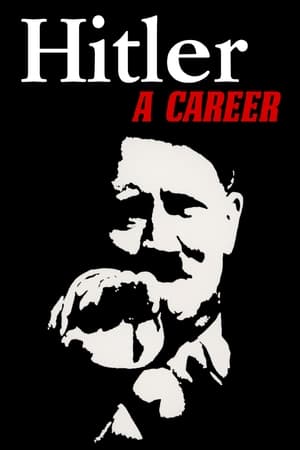
Hitler: A Career(de)
1977-07-08
A keen chronicle of the unlikely rise to power of Adolf Hitler (1889-1945) and a dissection of the Third Reich (1933-1945), but also an analysis of mass psychology and how the desperate crowd can be deceived and shepherded to the slaughterhouse.

70%
Zeitgeist: The Movie(en)
2007-06-01
A documentary examining possible historical and modern conspiracies surrounding Christianity, the 9/11 terrorist attacks, and the Federal Reserve bank.

72%
4 Little Girls(en)
1997-07-09
On September 15, 1963, a bomb destroyed a black church in Birmingham, Alabama, killing four young girls who were there for Sunday school. It was a crime that shocked the nation--and a defining moment in the history of the civil-rights movement. Spike Lee re-examines the full story of the bombing, including a revealing interview with former Alabama Governor George Wallace.

76%
Night Will Fall(en)
2014-06-07
When Allied forces liberated the Nazi concentration camps in 1944-45, their terrible discoveries were recorded by army and newsreel cameramen, revealing for the first time the full horror of what had happened. Making use of British, Soviet and American footage, the Ministry of Information’s Sidney Bernstein (later founder of Granada Television) aimed to create a documentary that would provide lasting, undeniable evidence of the Nazis’ unspeakable crimes. He commissioned a wealth of British talent, including editor Stewart McAllister, writer and future cabinet minister Richard Crossman – and, as treatment advisor, his friend Alfred Hitchcock. Yet, despite initial support from the British and US Governments, the film was shelved, and only now, 70 years on, has it been restored and completed by Imperial War Museums under its original title "German Concentration Camps Factual Survey".
77%
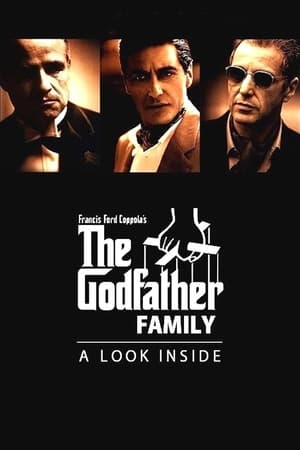
The Godfather Family: A Look Inside(en)
1990-07-12
A documentary on the making of the three Godfather films, with interviews and recollections from the film makers and cast. This feature also includes the original screen tests of some of the actors for "The Godfather" film, and some candid moments on the set of "The Godfather: Part III."
69%
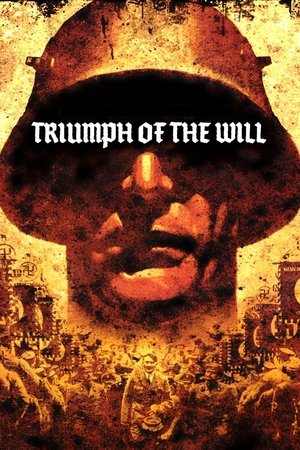
Triumph of the Will(de)
1935-03-28
A showcase of German chancellor and Nazi Party leader Adolf Hitler at the 1934 Nuremberg Rally.
77%
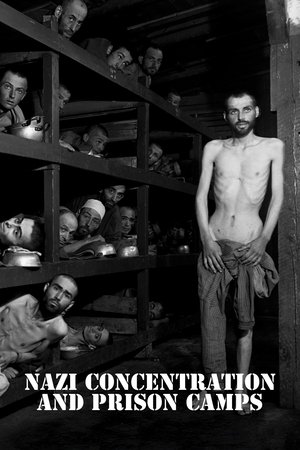
Nazi Concentration Camps(en)
1945-11-29
Produced and presented as evidence at the Nuremberg war crimes trial of Hermann Göring and twenty other Nazi leaders, this film consists primarily of dead and surviving prisoners and of facilities used to kill and torture during the World War II.
73%
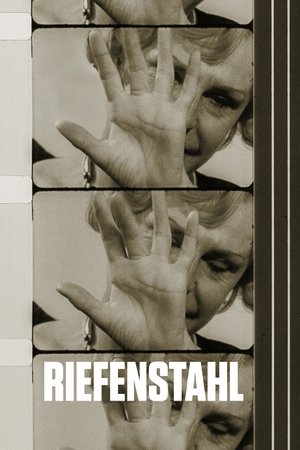
Riefenstahl(de)
2024-08-29
Explores Leni Riefenstahl's artistic legacy and her complex ties to the Nazi regime, juxtaposing her self-portrayal with evidence suggesting awareness of the regime's atrocities.
68%
Making Waves: The Art of Cinematic Sound(en)
2019-10-25
The history of cinematic sound, told by legendary sound designers and visionary filmmakers.
70%
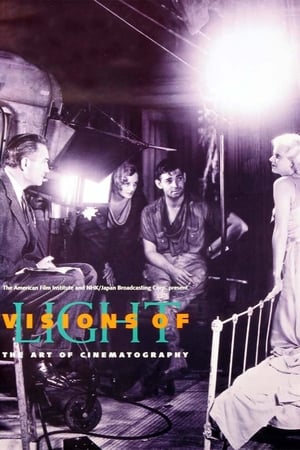
Visions of Light(en)
1992-09-17
Cameramen and women discuss the craft and art of cinematography and of the "DP" (the director of photography), illustrating their points with clips from 100 films, from Birth of a Nation to Do the Right Thing. Themes: the DP tells people where to look; changes in movies (the arrival of sound, color, and wide screens) required creative responses from DPs; and, these artisans constantly invent new equipment and try new things, with wonderful results. The narration takes us through the identifiable studio styles of the 30s, the emergence of noir, the New York look, and the impact of Europeans. Citizen Kane, The Conformist, and Gordon Willis get special attention.
63%
Louis Theroux: Twilight of the Porn Stars(en)
2012-06-10
In 1997, Louis Theroux made a documentary about the world of male porn performers in Los Angeles. 15 years later, he returns to find a business struggling with the deluge of free porn on the internet. Louis revisits some of the original programme's contributors as well as meeting the latest crop of porn performers dreaming of porn stardom.
72%
Zeitgeist: Addendum(en)
2008-10-02
Zeitgeist: Addendum premiered at the 5th Annual Artivist Film Festival. Director Peter Joseph stated: "The failure of our world to resolve the issues of war, poverty, and corruption, rests within a gross ignorance about what guides human behavior to begin with. It address the true source of the instability in our society, while offering the only fundamental, long-term solution."
66%
Titanic: 20 Years Later with James Cameron(en)
2017-11-26
For the 20th anniversary of "Titanic," James Cameron reopens the file on the disaster.
73%
Eldorado: Everything the Nazis Hate(de)
2023-06-27
A glittery nightclub in 1920s Berlin becomes a haven for the queer community in this documentary exploring the freedoms lost amid Hitler’s rise to power.

72%
Hitchcock/Truffaut(en)
2015-09-05
Filmmakers discuss the legacy of Alfred Hitchcock and the book “Hitchcock/Truffaut” (“Le cinéma selon Hitchcock”), written by François Truffaut and published in 1966.
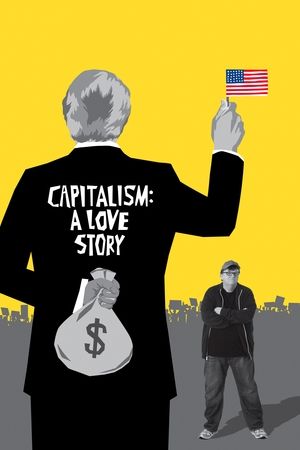
71%
Capitalism: A Love Story(en)
2009-09-06
Michael Moore comes home to the issue he's been examining throughout his career: the disastrous impact of corporate dominance on the everyday lives of Americans (and by default, the rest of the world).
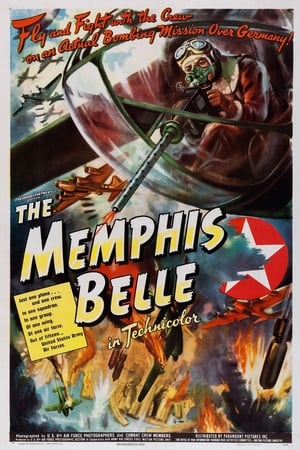
66%
The Memphis Belle(en)
1944-04-13
This WW2 documentary centers on the crew of the American B-17 Flying Fortress Memphis Belle as it prepares to execute a strategic bombing raid on Nazi submarine pens in Wilhelmshaven, Germany.
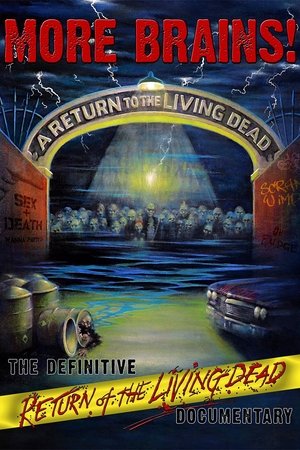
74%
More Brains! A Return to the Living Dead(en)
2011-10-18
Retrospective documentary about the making of the horror cult classic "The Return of the Living Dead."
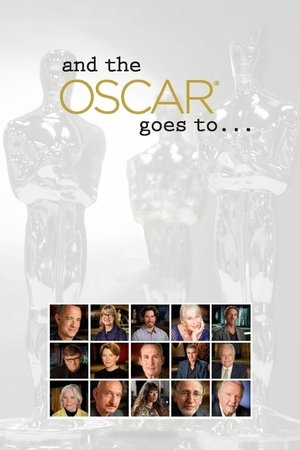
69%
And the Oscar Goes To...(en)
2014-02-01
The story of the gold-plated statuette that became the film industry's most coveted prize, AND THE OSCAR GOES TO... traces the history of the Academy itself, which began in 1927 when Louis B. Mayer, then head of MGM, led other prominent members of the industry in forming this professional honorary organization. Two years later the Academy began bestowing awards, which were nicknamed "Oscar," and quickly came to represent the pinnacle of cinematic achievement.
Similar Movies
59%
Stella. A Life.(de)
2024-01-17
Stella, grows up in Berlin during the rule of the Nazi regime. She dreams of a career as a jazz singer, despite all the repressive measures she is forced to go into hiding with her parents in 1944, her life turns into a culpable tragedy.

65%
Martha Liebermann(de)
2022-06-01
Berlin, 1943, during World War II. Martha Liebermann, an elderly upper-class Jewish woman, faces the decision of her life: should the widow of the world-famous and revered painter Max Liebermann continue to try to obtain an exit permit from the Nazis or, with the help of a resistance group, should she flee to Switzerland?
80%
Les Tribunaux d'Hitler(fr)
2023-08-04
The destruction of the traditional legal system is probably one of the lesser-known yet essential goals of the Nazi state. The aim was to establish the supremacy of the "people's community" over the individual by subjugating the judicial system. The documentary looks at the careers of four people who were actively involved or became victims.

90%
Camping - Die Geschichte einer Leidenschaft(de)
2021-06-25
Using vintage footage, this witty documentary explores the history and sociology of camping, from its origins in English high society at the end of the 19th century, through hippy outfits and the advent of mass tourism, to contemporary 'glamping'.

80%
D'Emmanuelle à Emmanuelle(fr)
2024-09-24
« Emmanuelle » was released 50 years ago. Its main character, played by the young Sylvia Kristel, delve freely into her sexuality, without taboo. This bold movie became one of the great success of french cinema in the 70s, and Emmanuelle became the face of sexual liberation. Through the gaze of a woman, the character is back on the screen in 2024. This new Emmanuelle, written by Audrey Diwan, go in quest of a lost pleasure.
0%
American Coup: Wilmington 1898(en)
2024-10-21
The little-known story of a deadly race massacre and carefully orchestrated insurrection in North Carolina’s largest city in 1898 — the only coup d’état in the history of the US. Stoking fears of 'Negro Rule', self-described white supremacists used intimidation and violence to destroy Black political and economic power and overthrow Wilmington’s democratically-elected, multi-racial government. Black residents were murdered and thousands were banished. The story of what happened in Wilmington was suppressed for decades until descendants and scholars began to investigate. Today, many of those descendants — Black and white — seek the truth about this intentionally buried history.

80%
The Phoney War(fr)
2019-08-27
September 3rd, 1939. Britain and France declare war on Nazi Germany, only two days after the Wehrmacht invades Poland. This day, the sad date when the fate of the world changed forever, the Phoney War began: eight months of uncertainty, preparations, evacuations and skirmishes.
0%
O Regresso(pt)
1989-04-23
"O Regresso" is a documentary featuring renowned Portuguese actor Ruy de Carvalho as he returns to Macau after a 10-year absence. Directed to mark the 10th anniversary of his visit, the film captures Ruy de Carvalho revisiting key locations across the city, reflecting on the cultural and social transformations that Macau underwent in the lead-up to its handover from Portuguese to Chinese administration in 1999. Blending personal memories with the evolving landscape, the documentary offers a nostalgic look at Macau's unique blend of Portuguese and Chinese heritage, seen through the eyes of one of Portugal’s most beloved actors.
72%
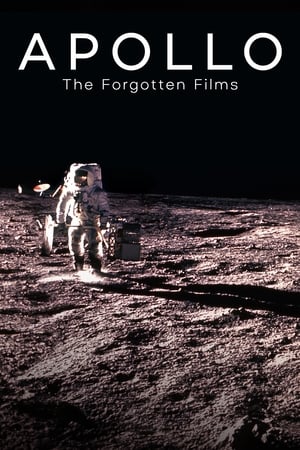
Apollo: The Forgotten Films(en)
2019-07-20
Recently discovered footage reveals the secret history of NASA's first landing on the moon, and using this brand-new evidence, former astronauts and experts challenge everything known about the Apollo missions.

77%
Stonehenge: The Lost Circle Revealed(en)
2021-02-12
Professor Alice Roberts follows a decade-long historical quest to reveal a hidden secret of the famous bluestones of Stonehenge. Using cutting-edge research, a dedicated team of archaeologists led by Professor Mike Parker Pearson have painstakingly compiled evidence to fill in a 400-year gap in our knowledge of the bluestones, and to show that the original stones of Britain’s most iconic monument had a previous life. Alice joins Mike as they put together the final pieces of the puzzle, not just revealing where the stones came from, how they were moved from Wales to England or even who dragged them all the way, but also solving one of the toughest challenges that archaeologists face.
70%
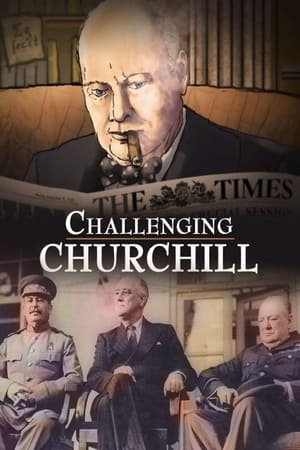
Challenging Churchill(de)
2012-07-03
Churchill, a name typically associated with braveness and altruism. Recently found evidence from Soviet and British sources however brings up questions about Churchill's doings in the conferences of Tehran, Yalta and Potsdam. Why did he agree to give Stalin large parts of Poland? The story of two world leaders in times of war - it is also the story of Poland.
79%
Blood Money: Inside the Nazi Economy(fr)
2021-02-02
How did Nazi Germany, from limited natural resources, mass unemployment, little money and a damaged industry, manage to unfurl the cataclysm of World War Two and come to occupy a large part of the European continent? Based on recent historical works of and interviews with Adam Tooze, Richard Overy, Frank Bajohr and Marie-Bénédicte Vincent, and drawing on rare archival material.

80%
Homosexualité, les derniers condamnés(fr)
2022-05-15
Between the end of the Second World War and the abolition of the "offence of homosexuality" in 1982, 10,000 sentences were handed down in France. Sentences in correctional courts, fines and sometimes imprisonment, the convictions were mainly against men. The last witnesses of this period speak out and tell of four decades of clandestine life, just before the tragedy of AIDS.
80%
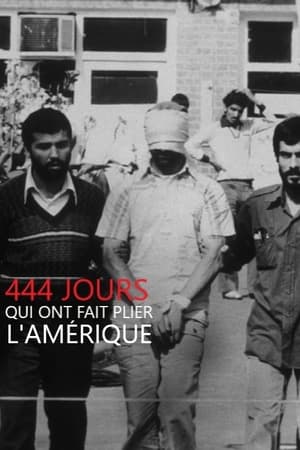
444 jours qui ont fait plier l'Amérique(fr)
2022-06-19
On January 20, 1981, 52 members of the U.S. Embassy in Tehran were released after 444 days of captivity. Told by those who lived through it, a crisis that traumatized America and upset the political balance in the Middle East.

93%
The Rise and Fall of the Etruscans(fr)
2022-06-11
For eight centuries, between the 9th and 1st century BC, the Etruscans, inhabitants of the Italian peninsula, were one of the most powerful peoples of the Mediterranean basin, and when they disappeared they left behind impressive necropolises, vestiges of sanctuaries and even entire cities. How did they attain such power? How far did they extend their dominion and influence? What were the causes of their decline?
79%
Hitler's Battle Against the Press(de)
2018-05-05
As early as 1920, the journalists of the "Münchener Post" recognized the danger posed by Adolf Hitler. Consistently and boldly they wrote about National Socialism. The brave journalists and their newspaper are almost forgotten today. A single book has been published about them - in Brazil.
62%
Lost Cities of the Trojans(fr)
2021-05-13
The Trojan War: a universal myth, celebrated by the oldest known poet: Homer. A ten-year war, with its legendary heroes: Helen, Agamemnon, Priam, Hector, Odysseus, and Achilles... What if this war had really taken place? For centuries, the Trojan War was considered a myth, a story of the siege and eventual destruction of the ancient city of Troy. However, archaeological excavations conducted in Turkey in the second half of the 19th century yielded surprising discoveries. Heinrich Schliemann discovered the so-called Priam's Treasure, which indicated the existence of an advanced civilization during the period described by Homer.
72%
Collapse(en)
2009-09-12
From the acclaimed director of American Movie, the documentary follows former Los Angeles police officer turned independent reporter Michael Ruppert. He recounts his career as a radical thinker and spells out his apocalyptic vision of the future, spanning the crises in economics, energy, environment and more.

0%
Empire of the Nude: The Victorian Nude(en)
2001-01-01
The Victorian era is often cited for its lack of sexuality, but as this documentary reveals, the period's artists created a strong tradition surrounding the classical nude figure, which spread from the fine arts to more common forms of expression. The film explains how 19th-century artists were inspired by ancient Greek and Roman works to highlight the naked form, and how that was reflected in the evolving cultural attitudes toward sex.