Loading Page

The Stone That Remembers(2025)
Status: Released
Date: 2025-11-27
0%
0 Votes
Time: 0h 14m
Overview:
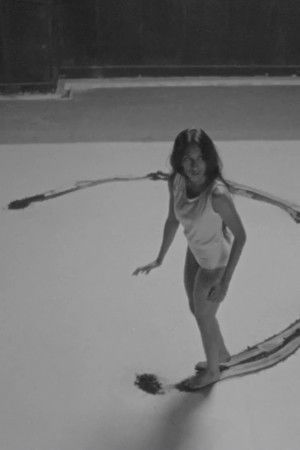
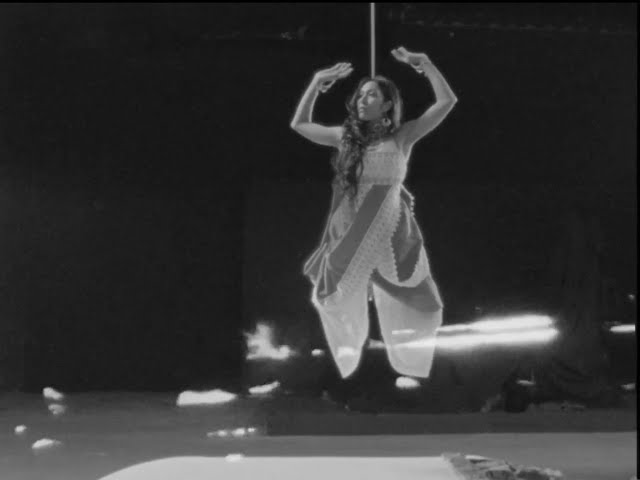
The Stone That Remembers interprets the Durga Mahisas-uramardini statue’s journey from its home, the Singhasari Temple, to the hands of colonizers, and various museums. The film follow the patriarchal displacement of a woman that represents the Durga, exploring the parallels between the fate of the statue and many women today.
Languages: English, Indonesian.
Countries:
Indonesia,
Netherlands
ProductionCompanies: 
Indeks
Movie: The Stone That Remembers
Video Trailer The Stone That Remembers
All 1 videos
Dyantini Adeline & Vladimir Vidanovski – The Stone That Remembers - Trailer
Recommendations Movies
72%
To Be Takei(en)
2014-08-22
Over seven decades, actor and activist George Takei journeyed from a World War II internment camp to the helm of the Starship Enterprise, and then to the daily news feeds of five million Facebook fans. Join George and his husband, Brad, on a wacky and profound trek for life, liberty, and love.
65%
Finders Keepers(en)
2015-06-22
In this documentary, recovering addict and amputee John Wood finds himself in a stranger-than-fiction battle to reclaim his mummified leg from Southern entrepreneur Shannon Whisnant, who found it in a grill he bought at an auction and believes it therefore to be his rightful property.

79%
John Candy: I Like Me(en)
2025-09-04
Those who knew iconic funnyman John Candy best share his story, in their own words, through never-before-seen archival footage, imagery, and interviews.


65%
Heart of a Dog(en)
2015-10-21
Lyrical and powerfully personal essay film that reflects on the deaths of her husband Lou Reed, her mother, her beloved dog, and such diverse subjects as family memories, surveillance, and Buddhist teachings.
69%
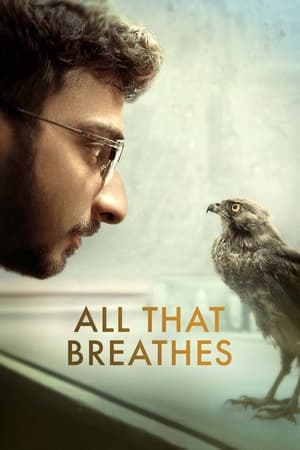
All That Breathes(en)
2022-10-21
Against the darkening backdrop of New Delhi's apocalyptic air and escalating violence, two brothers devote their lives to protecting one casualty of the turbulent times: the bird known as the black kite.
71%
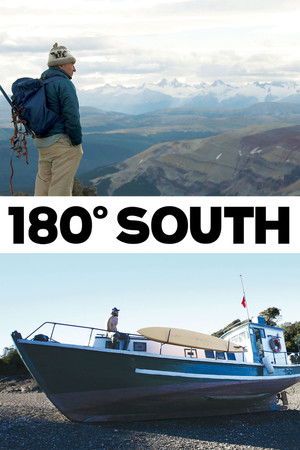
180° South(en)
2010-02-10
The film follows adventurer Jeff Johnson as he retraces the epic 1968 journey of his heroes Yvon Chouinard and Doug Tompkins to Patagonia.
62%
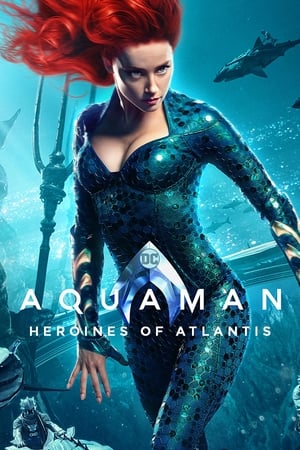
Aquaman: Heroines of Atlantis(en)
2019-03-26
Amber Heard and Nicole Kidman discuss their characters Mera and Atlanna.
69%
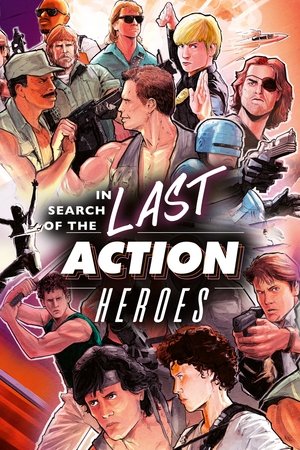
In Search of the Last Action Heroes(en)
2019-09-01
The most comprehensive retrospective of the '80s action film genre ever made.
70%
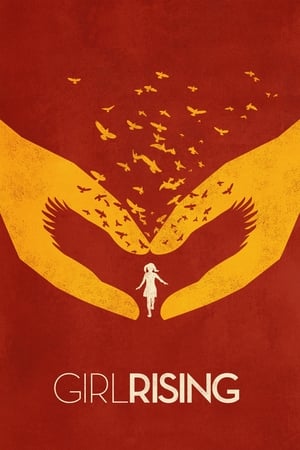
Girl Rising(en)
2013-03-07
Nine filmmakers each profile a young girl from a different part of the world to weave a global tapestry of youth in the 21st century.

61%
Naqoyqatsi(en)
2002-09-02
A visual montage portrait of our contemporary world dominated by globalized technology and violence.
69%
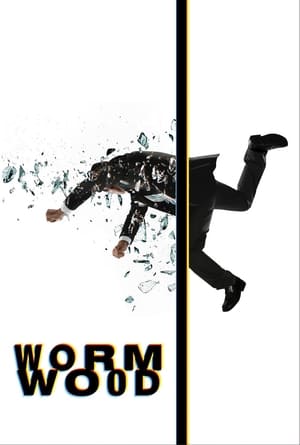
Wormwood(en)
2017-10-22
In this genre-bending tale, Errol Morris explores the mysterious death of a U.S. scientist entangled in a secret Cold War program known as MK-Ultra.
69%
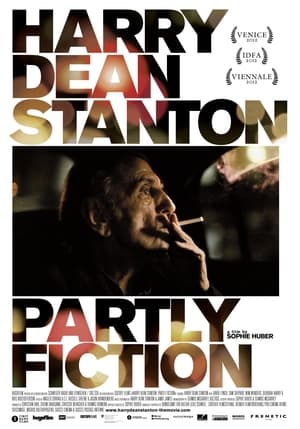
Harry Dean Stanton: Partly Fiction(en)
2013-09-11
An impressionistic portrait of the iconic actor Harry Dean Stanton comprised of intimate moments, film clips from some of his 250 films and his renditions of American folk songs.

69%
Charlie: The Life and Art of Charles Chaplin(en)
2003-05-01
Brilliant, long in-the-works story of the life and art of the world's greatest comedian and the cinema's first genius, Charlie Chaplin. Produced, written and directed by renowned film critic Richard Schickel.
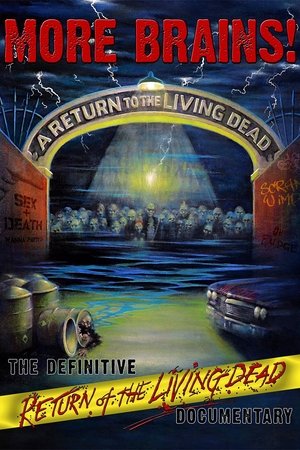
74%
More Brains! A Return to the Living Dead(en)
2011-10-18
Retrospective documentary about the making of the horror cult classic "The Return of the Living Dead."
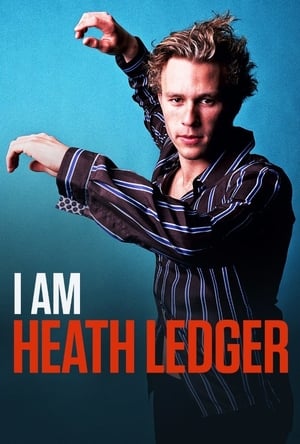
74%
I Am Heath Ledger(en)
2017-04-23
The life and career of an actor, artist, and icon. His own journey through his own camera.
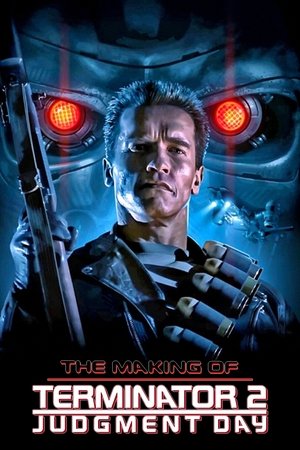
70%
The Making of 'Terminator 2: Judgment Day'(en)
1991-09-10
Documentary of the making of the sequel to the popular Schwarzenegger film, The Terminator.

65%
Downloaded(en)
2013-06-20
A documentary that explores the downloading revolution; the kids that created it, the bands and the businesses that were affected by it, and its impact on the world at large.

71%
In the Realms of the Unreal(en)
2004-01-15
In the Realms of the Unreal is a documentary about the reclusive Chicago-based artist Henry Darger. Henry Darger was so reclusive that when he died his neighbors were surprised to find a 15,145-page manuscript along with hundreds of paintings depicting The Story of the Vivian Girls, in What is Known as the Realms of the Unreal, of the Glodeco-Angelinnian War Storm, Cased by the Child Slave Rebellion.
Similar Movies
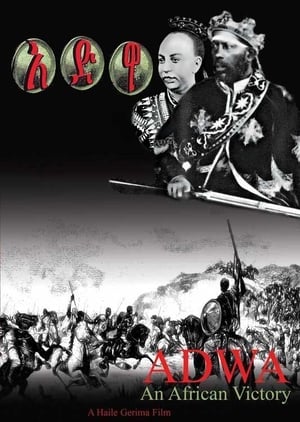

65%
If Only I Were That Warrior(it)
2015-11-28
If Only I Were That Warrior is a feature documentary film focusing on the Italian occupation of Ethiopia in 1935. Following the recent construction of a monument dedicated to Fascist general Rodolfo Graziani, the film addresses the unpunished war crimes he and others committed in the name of Mussolini’s imperial ambitions. The stories of three characters, filmed in present day Ethiopia, Italy and the United States, take the audience on a journey through the living memories and the tangible remains of the Italian occupation of Ethiopia — a journey that crosses generations and continents to today, where this often overlooked legacy still ties the fates of two nations and their people.
85%
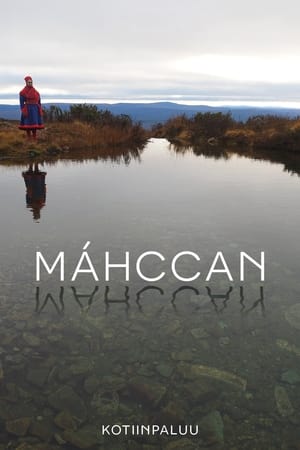
The Homecoming(fi)
2023-09-08
Sámi artefacts from the Finnish National Museum are returning home to Sápmi, while the holy drums of the Sámi people are still imprisoned in the basements of museums across Europe. The returning objects symbolise the dignity, identity, history, connection to ancestors and a whole world view that was taken from the Sámi people. Director Suvi West takes the viewer behind the scenes of the museum world to reflect on the spirit of the objects, the inequality of cultures and the colonialist burden of museums.
0%
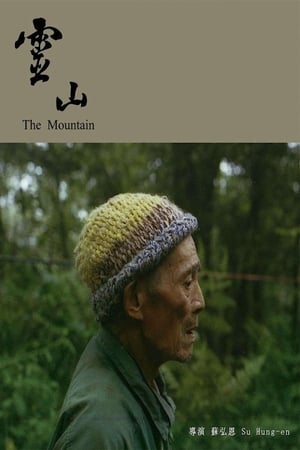
The Mountain(zh)
2015-10-03
For hundreds of years, Taiwan has been under different colonial rules. From the Dutch, the Spanish, the Japanese, and nowadays Republic of China, each regime left their footprints on this island. Only the indigenous people of this island experienced of the process. They were given different names during different periods of colonisation and their cultures have been changed. Through the life of a Truku elder, we see the history of aboriginal recertification movement.
53%
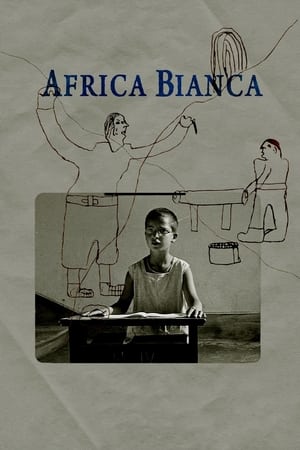
The Imperial Lullaby(it)
2020-03-21
The armies of Fascist Italy conquered Addis Ababa, capital of Abyssinia, in May 1936, thus culminating the African colonial adventure of the ruthless dictator Benito Mussolini, by then lord of Libya, Eritrea and Somalia; a bloody and tragic story told through the naive drawings of Pietro Dall'Igna, an Italian schoolboy born in 1925.
0%
Etched in Bone(en)
2018-10-04
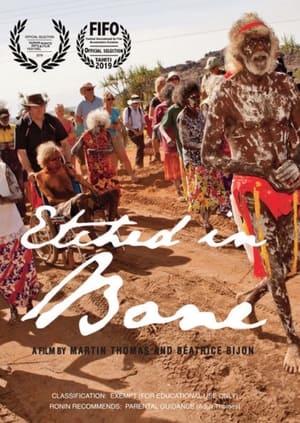
Drawing on original footage from National Geographic, Etched in Bone explores the impact of one notorious bone theft by a member of the 1948 American-Australian Scientific Expedition to Arnhem Land. Hundred of bones were stolen and deposited in the Smithsonian Institution in Washington DC, until it became known to Arnhem elders in the late 1990s. The return of the sacred artefacts was called for, resulting in a tense standoff between indigenous tribespeople and the Department of Anthropology at the Smithsonian.
69%
Statues Also Die(fr)
1953-05-01
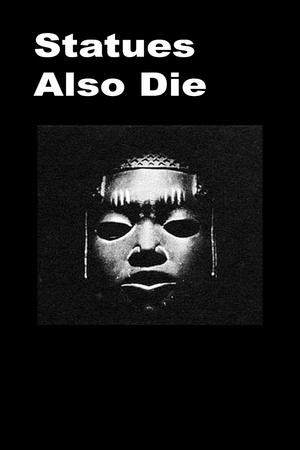
Commissioned by the journal Présence Africaine, this short documentary examines how African art is devalued and alienated through colonial and museum contexts. Beginning with the question of why African works are confined to ethnographic displays while Greek or Egyptian art is celebrated, the film became a landmark of anti-colonial cinema and was banned in France for eight years.
61%
Africa Blood and Guts(it)
1966-02-11
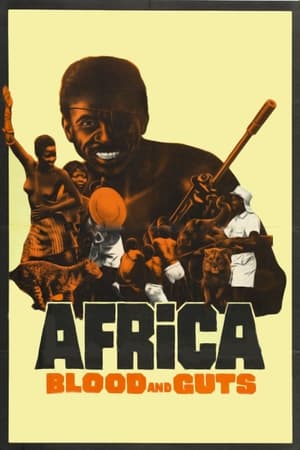
A chronicle of the violence that occurred in much of the African continent throughout the 1960s. As many African countries were transitioning from colonial rule to other forms of government, violent political upheavals were frequent. Revolutions in Zanzibar and Kenya in which thousands were killed are shown, the violence not only political; there is also extensive footage of hunters and poachers slaughtering different types of wild animals.
68%
Reunion(fr)
1946-01-02
Live footage from concentration camps after the liberation, and the complex transport and lodging of masses of prisoners of war and other deported people back to their home countries, at the end of World War II. A 45min 35mm print also exists (shown at Cinémathèque française in 2023).
70%
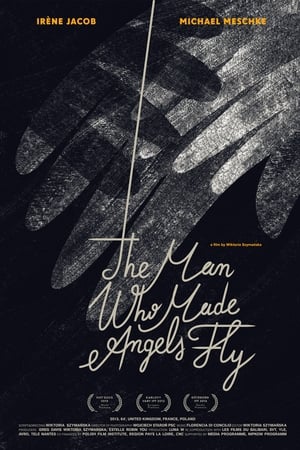
The Man Who Made Angels Fly(en)
2013-06-30
When the lights dim and the stage is revealed, Meschke channels life through the strings of his puppets, triggering the spiritual connection between the creator and his alter-egos: the charismatic Don Quixote, the loving Penelope, the inquisitive Baptiste, or the mysterious Antigone. THE MAN WHO MADE ANGELS FLY is a poetic story about a master of his craft that has inspired audiences to reflect upon common issues of suffering and the mortal coil. Visionary and un-biographic, imaginary tribute to the puppeteer.

75%
Africa Rising(de)
2019-06-03
How African artists have spread African culture all over the world, especially music, since the harsh years of decolonization, trying to offer a nicer portrait of this amazing continent, historically known for tragic subjects, such as slavery, famine, war and political chaos.

0%
Mini Poder '22(en)
Chileans are asked about their definition of the word (and the concept of) "power", as they answer images flash on the screen of powerful and powerless figures in Chilean history.
0%
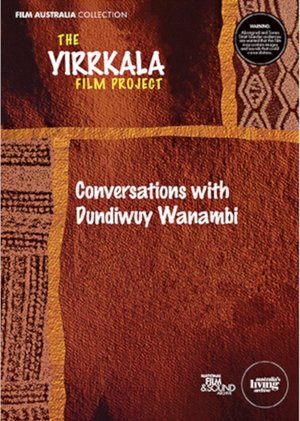
Yirrkala: Conversations with Dundiwuy Wanambi(en)
1995-01-01
Yirrkala is an Aboriginal township on the Gove Peninsula in Northeast Arnhem Land. It was established as a Methodist mission in 1935 and over the years Yolngu from many different clans moved there. Conversations With Dundiwuy Wanambi is a personal film which reveals something of the struggles and thoughts of one elder in the face of enormous change. In the early years Dundiwuy was a heavy drinker. In a disturbing interview in a pub, Dundiwuy explains his reasons for drinking. Then, through a dream, Dundiwuy realizes he must begin to protect his family and clan. He establishes his Marrakulu clan homeland center at Gurka'wuy, south of Yirrkala. He will hold a great ceremony there. Years later Dundiwuy returns to Yirrkala. His clan is small and he did not receive the necessary support from his sons. But Dundiwuy endures, continues his struggle, and we learn in the post-script of how he has become a successful and sought-after artist.
69%
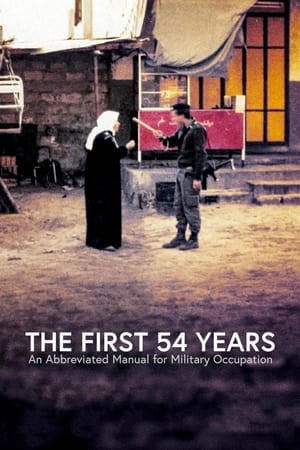
The First 54 Years: An Abbreviated Manual for Military Occupation(he)
2021-04-25
An exhaustive explanation of how the military occupation of an invaded territory occurs and its consequences, using as a paradigmatic example the recent history of Israel and the Palestinian territories, the West Bank and the Gaza Strip, from 1967, when the Six-Day War took place, to the present day; an account by filmmaker Avi Mograbi enriched by the testimonies of Israeli army veterans.
85%
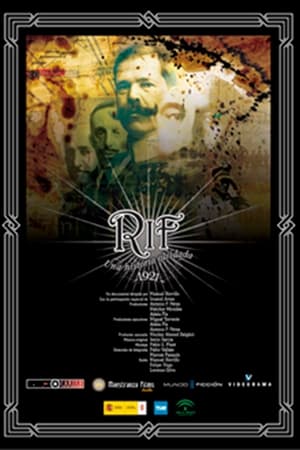
Rif 1921, una historia olvidada(es)
2008-07-24
Manuel Horrillo has visited for 7 years the fields where the clashes between the Spanish troops and the rebels of the protectorate took place during the so-called Rif War, a forgotten war of the Spanish collective imaginary.
0%
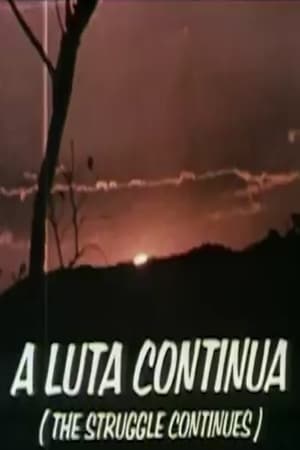
The Struggle Continues(en)
1971-10-31
A Luta Continua explains the military struggle of the Liberation Front of Mozambique (FRELIMO) against the Portuguese. Produced and narrated by American activists Robert Van Lierop, it details the relationship of the liberation to the wider regional and continental demands for self-determination against minority rule. It notes the complicit roles of foreign governments and companies in supporting Portugal against the African nationalists. Footage from the front lines of the struggle helps contextualize FRELIMO's African socialist ideology, specifically the role of the military in building the new nation, a commitment to education, demands for sexual equality, the introduction of medical aid into the countryside, and the role of culture in creating a single national identity.