Loading Page

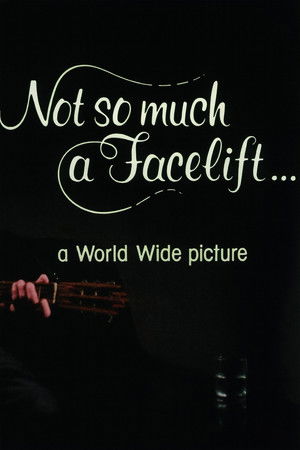
Not So Much a Facelift…(1976)
Status: Released
Date: 1976-01-01
0%
0 Votes
Time: 0h 25m
A quirky look at urban improvement in 1970s Britain
Overview:
A short documentary exploring the UK’s 1970s approach to urban renewal through General Improvement Areas. Mixing location footage from Blackburn, Norwich, and Oxford with unexpectedly quirky presentation, the film contrasts small-scale housing improvements with the sweeping redevelopment schemes of the post-war era. Produced as a government public information film and shown at meetings between planners, architects, and residents, it stands as a modest, humane entry in Britain’s civic-minded documentary tradition.
Languages: English.
Countries:
United Kingdom
ProductionCompanies:
World Wide Pictures
Department of the Environment
Movie: Not So Much a Facelift…
Loading Photos
Photo Type :Total items
Recommendations Movies

64%
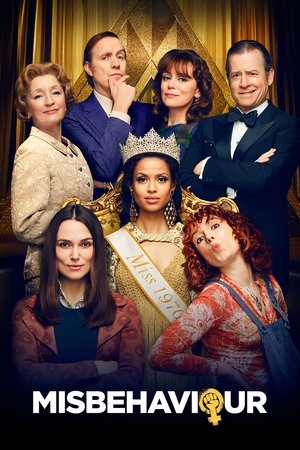
Misbehaviour(en)
2020-03-12
A group of women involved in the Women's Liberation Movement hatched a plan to invade the stage and disrupt the live broadcast at the 1970 Miss World competition in London, resulting in overnight fame for the newly-formed organization. When the show resumed, the results caused an uproar and turned the Western ideal of beauty on its head.
75%
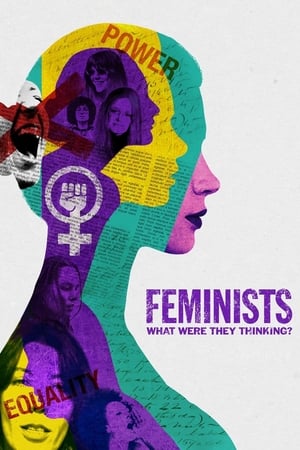
Feminists: What Were They Thinking?(en)
2018-02-19
In 1977, a book of photographs captured an awakening - women shedding the cultural restrictions of their childhoods and embracing their full humanity. This documentary revisits those photos, those women and those times and takes aim at our culture today that alarmingly shows the need for continued change.
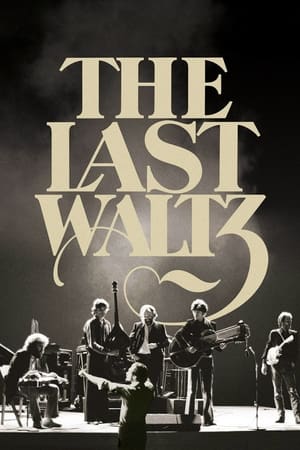
77%
The Last Waltz(en)
1978-04-26
Martin Scorsese's documentary intertwines footage from The Band's incredible farewell tour with probing backstage interviews and featured performances by Eric Clapton, Bob Dylan, Joni Mitchell, Van Morrison, and other rock legends.
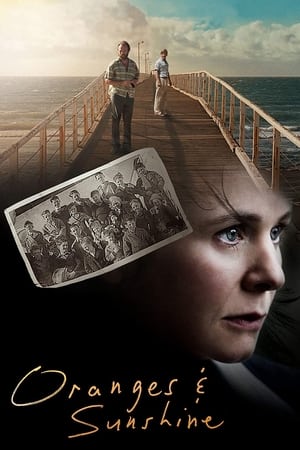
69%
Oranges and Sunshine(en)
2010-10-08
The story of Margaret Humphreys, a social worker from Nottingham, who uncovers one of the most significant social scandals in recent times – the forced migration of children from the United Kingdom to Australia and other Commonwealth countries. Almost singlehandedly, Margaret reunited thousands of families, brought authorities to account and worldwide attention to an extraordinary miscarriage of justice.
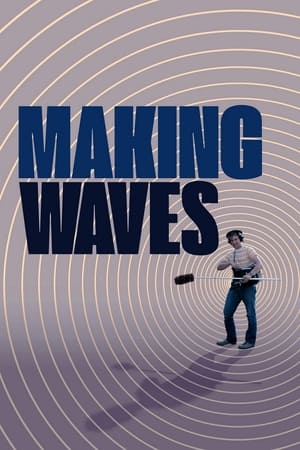
68%
Making Waves: The Art of Cinematic Sound(en)
2019-10-25
The history of cinematic sound, told by legendary sound designers and visionary filmmakers.
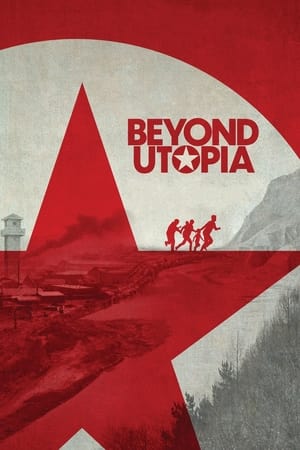
78%
Beyond Utopia(en)
2023-10-23
A courageous pastor uses his underground network to rescue and aid North Korean families as they risk their lives to embrace freedom.
67%
The U.S. vs. John Lennon(en)
2006-09-15
A documentary on the life of John Lennon, with a focus on the time in his life when he transformed from a musician into an antiwar activist.
71%
My Generation(en)
2017-10-08
The vivid and inspiring story of British film icon Michael Caine's personal journey through 1960s swinging London.
82%
The Untold History Of The United States(en)
2012-11-12
Oliver Stone charts the history of the United States from the Second World War to the present.

71%
Roger & Me(en)
1989-09-01
A documentary about the closure of General Motors' plant at Flint, Michigan, which resulted in the loss of 30,000 jobs. Details the attempts of filmmaker Michael Moore to get an interview with GM CEO Roger Smith.
70%
#AnneFrank. Parallel Stories(en)
2019-10-18
One single Anne Frank moves us more than the countless others who suffered just as she did but whose faces have remained in the shadows-Primo Levi. The Oscar®-winning Helen Mirren will introduce audiences to Anne Frank's story through the words in her diary. The set will be her room in the secret refuge in Amsterdam, reconstructed in every detail by set designers from the Piccolo Theatre in Milan. Anne Frank this year would have been 90 years old. Anne's story is intertwined with that of five Holocaust survivors, teenage girls just like her, with the same ideals, the same desire to live: Arianna Szörenyi, Sarah Lichtsztejn-Montard, Helga Weiss and sisters Andra and Tatiana Bucci. Their testimonies alternate with those of their children and grandchildren.
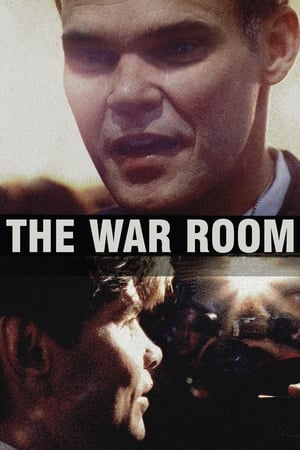
68%
The War Room(en)
1993-11-03
A behind-the-scenes documentary about the Clinton for President campaign, focusing on the adventures of spin doctors James Carville and George Stephanopoulos.
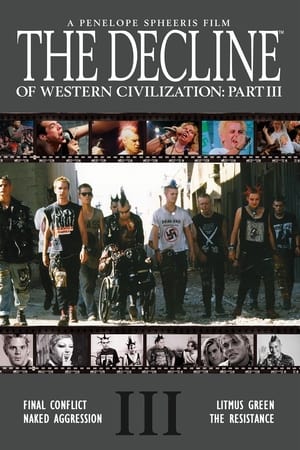
69%
The Decline of Western Civilization Part III(en)
1998-11-13
A musical study of Los Angeles in the late 90s, where homeless teens roam the streets and profess to live a punk lifestyle of music, drugs, and flouting authority.

65%
Downloaded(en)
2013-06-20
A documentary that explores the downloading revolution; the kids that created it, the bands and the businesses that were affected by it, and its impact on the world at large.
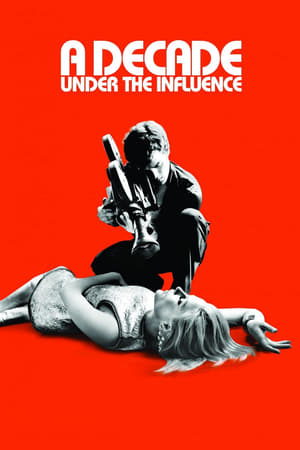
79%
A Decade Under the Influence(en)
2003-04-25
A documentary examining the decade of the 1970s as a turning point in American cinema. Some of today's best filmmakers interview the influential directors of that time.
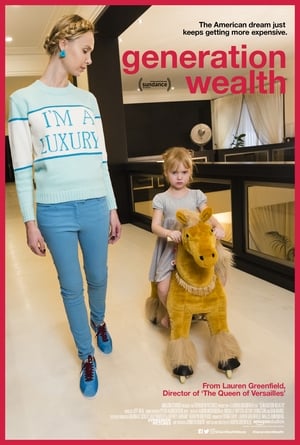
65%
Generation Wealth(en)
2018-07-20
Over the past 25 years, Lauren Greenfield's documentary photography and film projects have explored youth culture, gender, body image, and affluence. Underscoring the ever-increasing gap between the haves and the have-nots, portraits reveal a focus on cultivating image over substance, where subjects unable to attain actual wealth instead settle for its trappings, no matter their ability to pay for it.
68%
The Velvet Underground(en)
2021-10-15
Experience the iconic rock band's legacy in the first major documentary to tell their story. Directed with the era’s avant-garde spirit by Todd Haynes, this kaleidoscopic oral history combines exclusive interviews with dazzling archival footage.

85%
Selena Gomez: My Mind & Me(en)
2022-11-04
After years in the limelight, Selena Gomez achieves unimaginable stardom. But just as she reaches a new peak, an unexpected turn pulls her into darkness. This uniquely raw and intimate documentary spans her six-year journey into a new light.
Similar Movies

0%
Bluegrass Country Soul(en)
1972-07-01
Capturing the sights, sounds, and magic of Carlton Haney’s 1971 Labor Day Festival in Camp Springs, North Carolina; a three-day outdoor festival—the first of its kind—featuring bluegrass veterans and future stars alike sharing the primitive wood and cinder block stage. More than just capturing one of the largest bluegrass festivals of that decade, this documentary is also an interesting mixture of live performances, interviews, impromptu jam sessions and crowd footage of live music set in a small town surrounded by the now long gone red clay and tobacco shacks of North Carolina.
65%
Cerrone - Supernature(fr)
2025-06-18
From Vitry-sur-Seine to the opening ceremony of the Paris 2024 Olympics, a look back at the career of Cerrone, a pioneer of dance and disco music.
71%
Munich(en)
2005-12-23
During the 1972 Olympic Games in Munich, eleven Israeli athletes are taken hostage and murdered by a Palestinian terrorist group known as Black September. In retaliation, the Israeli government recruits a group of Mossad agents to track down and execute those responsible for the attack.
75%
The Killing Fields(en)
1984-11-23
New York Times reporter Sydney Schanberg is on assignment covering the Cambodian Civil War, with the help of local interpreter Dith Pran and American photojournalist Al Rockoff. When the U.S. Army pulls out amid escalating violence, Schanberg makes exit arrangements for Pran and his family. Pran, however, tells Schanberg he intends to stay in Cambodia to help cover the unfolding story — a decision he may regret as the Khmer Rouge rebels move in.

51%
¡Al fútbol!(es)
1975-01-01
Any given Sunday of 1974 in Spain, soccer games in several stadiums, the sarcastic voice of commentators, the inevitable presence of advertising. Goal! The victors and the defeated.
68%
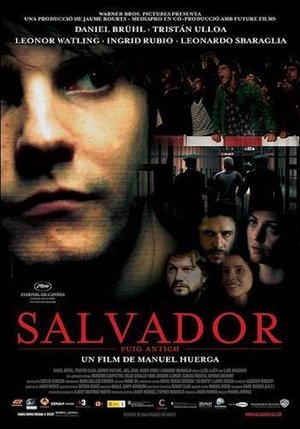
Salvador (Puig Antich)(ca)
2006-05-23
The story of Salvador Puig Antich, one of the last political prisoners to be executed under Franco's Fascist State in 1974.

0%
The RAF: The Red Army Fraction(de)
2007-03-25
From the inner workings of the RAF. Former RAF-member Peter-Jürgen Boock reveal the many secrets and myths about the Baader-Meinhof gang a.k.a. RAF - Rote Armee Fraktion.

0%
OKINAWA PHILADELPHIA(en)
2024-08-15
An Okinawan photographer, Mao Ishikawa was 33 years old when she crossed the ocean to Philadelphia in order to photograph the life of her friend, Myron Carr, a former US marine whom she met during his service in Okinawa in the 1970s. The subsequent photo book, “Life in Philly”, is filled with raw and vivid images, capturing the atmosphere and the culture of the predominantly African American neighborhood of downtown Philadelphia in the late 80s. This film looks back on those days, bringing Myron to remembrance as Mao and his surviving family try to find the missing pieces.
74%
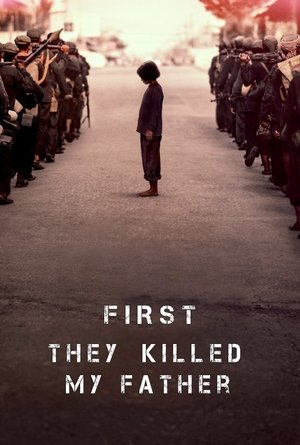
First They Killed My Father(en)
2017-02-18
A 5-year-old girl embarks on a harrowing quest for survival amid the sudden rise and terrifying reign of the Khmer Rouge in Cambodia.
0%
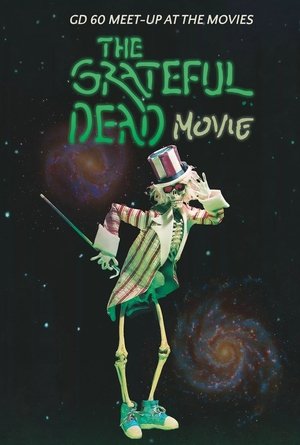
The Grateful Dead Movie 2025 Meet-Up(en)
2025-08-14
Grateful Dead celebrate their 60th Anniversary with a highly anticipated return to big screens for the annual theatrical event “Meet-Up At The Movies” in select territories worldwide on August 14. For a limited time only, this special cinematic event allows fans to come together and celebrate the enduring legacy of the Grateful Dead. THE GRATEFUL DEAD MOVIE follows the legendary band on what at the time was believed to be their final performances, a five-night run at San Francisco's Winterland Ballroom in October 1974, the final night billed as “The Last One.” Featuring stellar live performances, mind-bending animation, interviews with band members and crew, the film has a rare focus on the band’s fans and their deep commitment to the Dead Head lifestyle. Be sure to stay till the end for the exclusive theatrical premier of “China Cat Sunflower > I Know You Rider”, a bonus live performance not included in the official release.
69%
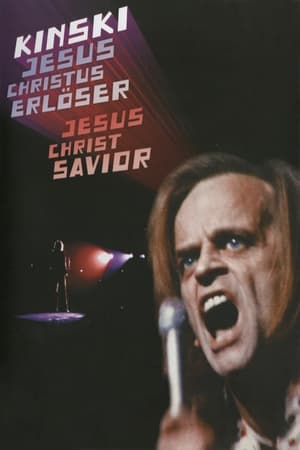
Jesus Christ Saviour(de)
2008-05-15
Klaus Kinski has perhaps the most ferocious reputation of all screen actors: his volatility was documented to electrifying effect in Werner Herzog’s 1999 portrait My Best Fiend. This documentary provides further fascinating insight into the talent and the tantrums of the great man. Beset by hecklers, Kinski tries to deliver an epic monologue about the life of Christ (with whom he perhaps identifies a little too closely). The performance becomes a stand-off, as Kinski fights for control of the crowd and alters the words to bait his tormentors. Indispensable for Kinski fans, and a riveting introduction for newcomers, this is a unique document, which Variety called ‘a time capsule of societal ideals and personal demons.’
53%
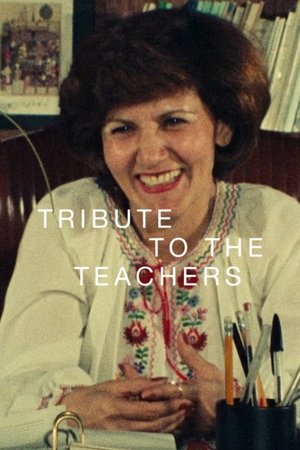
Tribute to the Teachers(fa)
1977-01-01
A documentary featuring interviews with teachers and officials on the profession of teaching and what it means to them.
64%
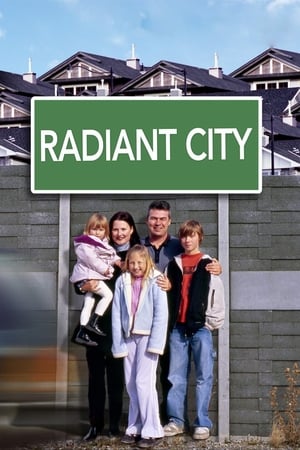
Radiant City(en)
2007-05-30
Since the end of World War II, one of kind of urban residential development has dominate how cities in North America have grown, the suburbs. In these artificial neighborhoods, there is a sense of careless sprawl in an car dominated culture that ineffectually tries to create the more organically grown older communities. Interspersed with the comments of various experts about the nature of suburbia
70%
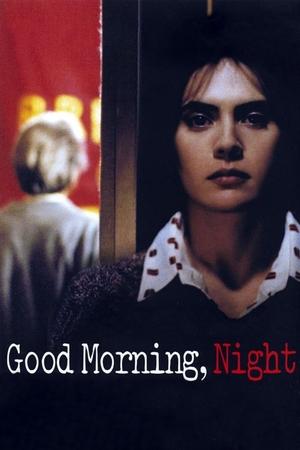
Good Morning, Night(it)
2003-09-05
The 1978 kidnapping and murder of Aldo Moro, president of the most important political party in Italy at the time, Democrazia Cristiana, as seen from the perspective of one of his assailants -- a conflicted young woman in the ranks of the Red Brigade.

0%
Raging Land 1: A Record of Choi Yuen Village(cn)
2009-11-14
This is a film about Choi Yuen Village, documenting villagers’ lives in the summer and autumn of 2009. Suddenly, weekly meetings, guided tours, protests, and ambiguous government consultations entered their routines. They had to recount their personal histories and the meaning of life. The common belief that protests were only about money began to loosen. The word "agriculture" reemerged for Hongkongers. The timeline depicted in the film leads up to the peak of the anti-high-speed rail protests around the Legislative Council. In the end, the railway was decided to build. In spring and summer 2010, villagers searched for land and negotiated with the government to rebuild their homes and lifestyle, valuing community, and coexistence with nature. What sustains their deep connection to land and life?

0%
Raging Land 3: Three Valleys(cn)
2013-03-10
After the anti-express rail protests, Choi Yuen Village’s struggle did not end with the railway project approval. Villagers shifted from fighting demolition to painstakingly relocating and rebuilding their community. In 2011, they planned the new village together—including house design, sewage, and land use—while facing government pressure to move out by November. Road access issues caused additional worries. As demolition began, villagers stood together to protect their homes and demanded time to build before moving. By May 2011, villagers left their longtime homes for makeshift housing on newly bought farmland, continuing their collective effort. Their unity in overcoming countless challenges set an example for other rural communities and shows that real resistance is a long journey requiring ongoing attention.
0%
Chicago in Time Lapse(en)
1996-01-01
"At the beginning of the 19th century there is no Chicago. There was a fort that was set on fire by Indians shortly thereafter. Later, the turbulent expansion of a settlement began, which became a center for the immigrant workforce, traditional industry, slaughterhouses, and, in 1941, armaments for war. The Windy City on Lake Michigan is the fastest changing city in the world. This 35mm Arriflex film time-lapse footage is annotated with classic techno cuts and information about the tunnels under Chicago, the slaughterhouses, organized crime, Sears & Roebuck catalogs and other peculiarities of this strange city."
68%
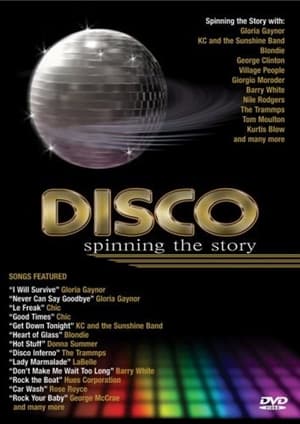
Disco: Spinning The Story(en)
2005-06-07
Hosted by the one and only Disco Diva, Gloria Gaynor, "Disco: Spinning the Story" takes a comprehensive look at the evolution of the music that defined the 70's. From the recording studios to the dance floors, "Disco: Spinning the Story" examines the phenomenon in a way it has never been told before. Hear funk pioneer George Clinton, Donna Summer producer Giorgio Moroder, Nile Rodgers of Chic, Earl Young of the Trammps, hip-hop icon Kurtis Blow, remix legend Tom Moulton, "Saturday Night Fever" actress, Karen Lynn Gorney and even Bob Weir of The Grateful Dead talk about the roots of Disco, how it emerged, and how it has influenced music ever since. Included are vintage performance highlights from Donna Summer, KC & The Sunshine Band, Bee Gees, Chic, Gloria Gaynor, Rose Royce, Labelle, Hues Corporation and many more.
74%
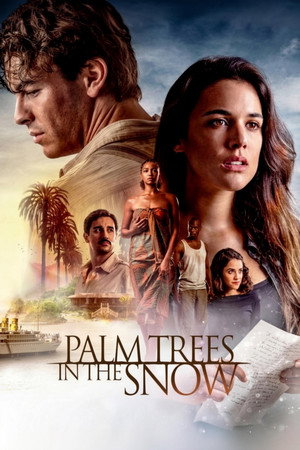
Palm Trees in the Snow(es)
2015-12-25
Spain, 2003. An accidental discovery leads Clarence to travel from the snowy mountains of Huesca to Equatorial Guinea, to visit the land where her father Jacobo and her uncle Kilian spent most of their youth, the island of Fernando Poo.