Loading Page

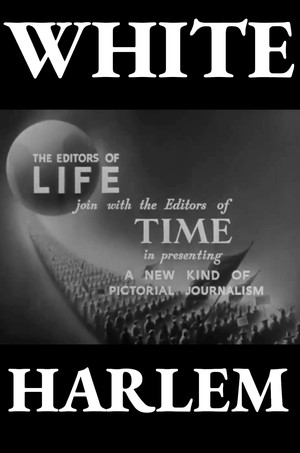
White Harlem(2024)
Status: Released
Date: 2024-09-01
0%
0 Votes
Time: 0h 10m
Overview:
The March of Time produced 200 newsreels from 1935-1951, shown in movie theatres once per month. In an 18-minute film from August 1939 film called Metropolis, cameramen travelled across New York City, gathering scenes of its 7.5 million people. This short stitches together scenes shot in Harlem, along with outtakes from that shoot, preserved at the National Archives and Records Administration in Washington. This footage has been “restored” using AI, image resolution is HD, frame rate 60 fps, colour and grain added. The voice-over offers reflections on the way these images were framed through an apartheid lens, a reflection of the white men who ran and staffed the company. W.E.B. Du Bois, James Baldwin and Christina Sharpe offered second thoughts. How many movies are made without any pictures in them? [Overview courtesy of Mike Hoolboom]
Languages:
Countries:
Movie: White Harlem
HomePage
Overview
The March of Time produced 200 newsreels from 1935-1951, shown in movie theatres once per month. In an 18-minute film from August 1939 film called Metropolis, cameramen travelled across New York City, gathering scenes of its 7.5 million people. This short stitches together scenes shot in Harlem, along with outtakes from that shoot, preserved at the National Archives and Records Administration in Washington. This footage has been “restored” using AI, image resolution is HD, frame rate 60 fps, colour and grain added. The voice-over offers reflections on the way these images were framed through an apartheid lens, a reflection of the white men who ran and staffed the company. W.E.B. Du Bois, James Baldwin and Christina Sharpe offered second thoughts. How many movies are made without any pictures in them? [Overview courtesy of Mike Hoolboom]
Release Date
2024-09-01
Average
0
Rating:
0.0 startsTagline
Genres
Languages:
Recommendations Movies
68%
Project Almanac(en)
2015-01-28
A group of teens discover secret plans of a time machine, and construct one. However, things start to get out of control.
77%
An Adventure in Space and Time(en)
2013-11-21
Actor William Hartnell felt trapped by a succession of hard-man roles while wannabe producer Verity Lambert was frustrated by the TV industry's glass ceiling. Both of them were to find unlikely hope and unexpected challenges in the form of a Saturday tea-time drama. Allied with a team of unusual but brilliant people, they went on to create the longest running science fiction series ever made.

67%
Manhatta(en)
1921-01-01
Morning reveals New York harbor, the wharves, the Brooklyn Bridge. A ferry boat docks, disgorging its huddled mass. People move briskly along Wall St. or stroll more languorously through a cemetery. Ranks of skyscrapers extrude columns of smoke and steam. In plain view. Or framed, as through a balustrade. A crane promotes the city's upward progress, as an ironworker balances on a high beam. A locomotive in a railway yard prepares to depart, while an arriving ocean liner jostles with attentive tugboats. Fading sunlight is reflected in the waters of the harbor. The imagery is interspersed with quotations from Walt Whitman, who is left unnamed.
69%
King Kong(en)
2005-12-12
In 1933 New York, an overly ambitious movie producer coerces his cast and hired ship crew to travel to mysterious Skull Island, where they encounter Kong, a giant ape who is immediately smitten with the leading lady.


65%
Michael Jackson: Searching for Neverland(en)
2017-05-29
Based on the best-selling book, Remember the Time: Protecting Michael Jackson in His Final Days, and told through the eyes of Jackson's trusted bodyguards, Bill Whitfield and Javon Beard. The movie will reveal firsthand the devotion Michael Jackson had to his children, and the hidden drama that took place during the last two years of his life.
64%
RKO 281(en)
1999-11-20
In 1939, boy-wonder Orson Welles leaves New York, where he has succeeded in radio and theater, and, hired by RKO Pictures, moves to Hollywood with the purpose of making his first film.
58%
The Time Shifters(en)
1999-10-17
Tom Merrick gets caught up in a time-traveling conspiracy and must set the timeline right before it is irrevocably altered.
78%
Interstellar: Nolan's Odyssey(en)
2014-11-05
A look behind the lens of Christopher Nolan's space epic.
66%
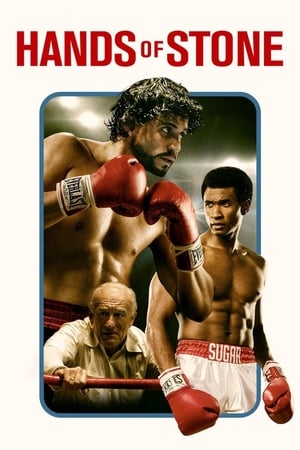
Hands of Stone(en)
2016-08-26
The legendary Roberto Duran and his equally legendary trainer Ray Arcel change each other's lives.
66%
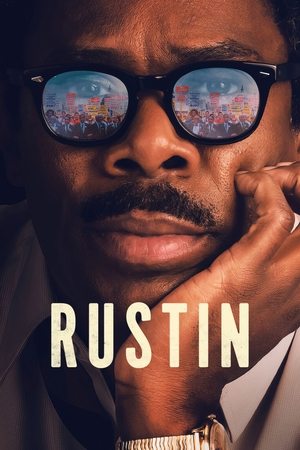
Rustin(en)
2023-11-03
Activist Bayard Rustin faces racism and homophobia as he helps change the course of Civil Rights history by orchestrating the 1963 March on Washington.

82%
Doctor Who: The Day of the Doctor(en)
2013-11-23
In 2013, something terrible is awakening in London's National Gallery; in 1562, a murderous plot is afoot in Elizabethan England; and somewhere in space an ancient battle reaches its devastating conclusion. All of reality is at stake as the Doctor's own dangerous past comes back to haunt him.

58%
The Battle of Midway(en)
1942-09-14
The Japanese attack on Midway in June 1942, filmed as it happened. Preserved by the Academy Film Archive, in partnership with Twentieth Century Fox Film Corporation, in 2006.

66%
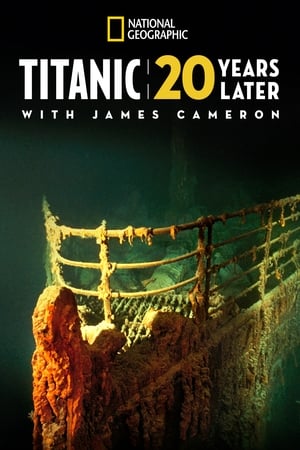
Titanic: 20 Years Later with James Cameron(en)
2017-11-26
For the 20th anniversary of "Titanic," James Cameron reopens the file on the disaster.
62%
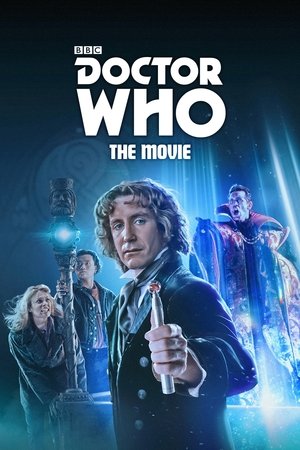
Doctor Who(en)
1996-05-12
The Seventh Doctor becomes the Eighth. And on the streets of San Francisco – alongside new ally Grace Holloway - he battles the Master.
60%
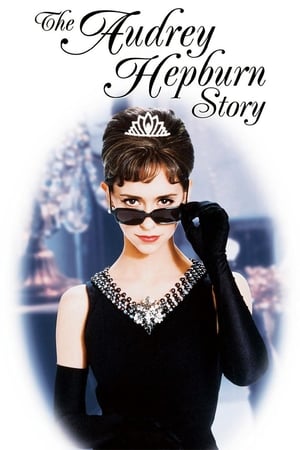
The Audrey Hepburn Story(en)
2000-03-27
The film spans from Hepburn's early childhood to the 1950s which details her life as a Dutch ballerina, coming to grips with her parents' divorce, and enduring life in the Nazi-occupied Netherlands during World War II. She then settles in the U.S. where she succeeds in making it big as a movie actress, in such movies as Breakfast at Tiffany's.
63%
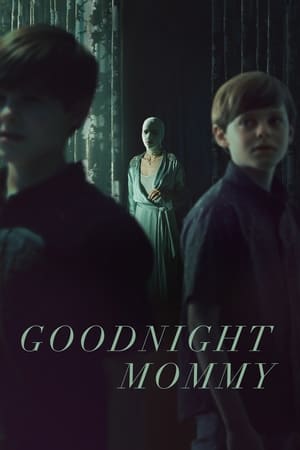
Goodnight Mommy(en)
2022-09-16
When twin brothers arrive home to find their mother’s demeanor altered and face covered in surgical bandages, they begin to suspect the woman beneath the gauze might not be their mother.
61%
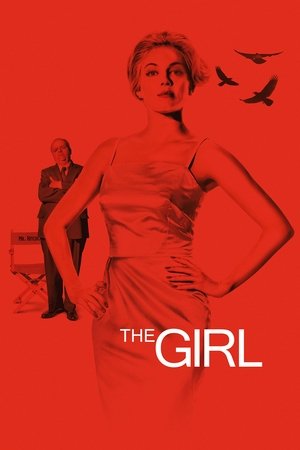
The Girl(en)
2012-10-22
Director Alfred Hitchcock is revered as one of the greatest creative minds in the history of cinema. Known for his psychological thrillers, Hitchcock’s leading ladies were cool, beautiful and preferably blonde. One such actress was Tippi Hedren, an unknown fashion model given her big break when Hitchcock’s wife saw her on a TV commercial. Brought to Universal Studios, Hedren was shocked when the director, at the peak of his career, quickly cast her to star in his next feature, 1963’s The Birds. Little did Hedren know that as ambitious and terrifying as the production would be to shoot, the most daunting aspect of the film ended up coming from behind the camera.