Loading Page

The Baghdadi Collector(2026)
Status: Released
Date: 2026-01-21
0%
0 Votes
Time: 1h 3m
בשביל זה יש לי כלה טובה.
Overview:
During a routine visit to Grandpa, who has lived in the same small, cramped, and neglected apartment for 54 years, Grandpa declared emphatically - "I will never move!" Grandpa suffers from compulsive hoarding, which is rooted in the displacement of his family from their home in Baghdad, Iraq, without names, possessions, or dates of birth. A year passes, Grandpa's health changes, and suddenly - there is no choice but to move him to a new apartment with an elevator.
Languages: Hebrew.
Countries:
Israel
Budget: $400.00
Movie: The Baghdadi Collector
Top 3 Billed Cast

Ido Dvora
Ido
HomePage
Overview
During a routine visit to Grandpa, who has lived in the same small, cramped, and neglected apartment for 54 years, Grandpa declared emphatically - "I will never move!" Grandpa suffers from compulsive hoarding, which is rooted in the displacement of his family from their home in Baghdad, Iraq, without names, possessions, or dates of birth. A year passes, Grandpa's health changes, and suddenly - there is no choice but to move him to a new apartment with an elevator.
Release Date
2026-01-21
Average
0
Rating:
0.0 startsTagline
בשביל זה יש לי כלה טובה.
Genres
Languages:
עִבְרִיתKeywords
Recommendations Movies
69%
Harry Dean Stanton: Partly Fiction(en)
2013-09-11
An impressionistic portrait of the iconic actor Harry Dean Stanton comprised of intimate moments, film clips from some of his 250 films and his renditions of American folk songs.
74%
More Brains! A Return to the Living Dead(en)
2011-10-18
Retrospective documentary about the making of the horror cult classic "The Return of the Living Dead."

72%
To Be Takei(en)
2014-08-22
Over seven decades, actor and activist George Takei journeyed from a World War II internment camp to the helm of the Starship Enterprise, and then to the daily news feeds of five million Facebook fans. Join George and his husband, Brad, on a wacky and profound trek for life, liberty, and love.

68%
Spider-Man: All Roads Lead to No Way Home(en)
2022-05-03
JB Smoove and Martin Starr host a celebration of 20 years of "Spider-Man" movies, from the Sam Raimi trilogy to Marc Webb's movies and the trio from Jon Watts.
71%
Zeitgeist: Moving Forward(en)
2011-01-15
A presentation of a case for a needed transition out of the current socioeconomic monetary paradigm which governs the entire world society. This subject matter will transcend the issues of cultural relativism and traditional ideology and move to relate the core, empirical 'life ground' attributes of human and social survival, extrapolating those immutable natural laws into a new sustainable social paradigm called a 'Resource-Based Economy'.
74%
I Am Heath Ledger(en)
2017-04-23
The life and career of an actor, artist, and icon. His own journey through his own camera.

70%
Iverson(en)
2014-04-27
Iverson is the ultimate legacy of NBA legend Allen Iverson, who rose from a childhood of crushing poverty in Hampton, Virginia, to become an 11-time NBA All-Star and universally recognized icon of his sport. Off the court, his audacious rejection of conservative NBA convention and unapologetic embrace of hip hop culture sent shockwaves throughout the league and influenced an entire generation. Told largely in Iverson's own words, the film charts the career highs and lows of one of the most distinctive and accomplished figures the sport of basketball has ever seen.

69%
Wormwood(en)
2017-10-22
In this genre-bending tale, Errol Morris explores the mysterious death of a U.S. scientist entangled in a secret Cold War program known as MK-Ultra.
71%
The Mole: Undercover in North Korea(en)
2020-10-11
A real-life undercover thriller about two ordinary men who embark on an outrageously dangerous ten-year mission to penetrate the world's most secretive and brutal dictatorship: North Korea.
74%
An Evening with Kevin Smith(en)
2002-12-17
Kevin Smith interacts in Q&A sessions throughout various college stops in the USA.

72%
Hitchcock/Truffaut(en)
2015-09-05
Filmmakers discuss the legacy of Alfred Hitchcock and the book “Hitchcock/Truffaut” (“Le cinéma selon Hitchcock”), written by François Truffaut and published in 1966.
59%
One Soldier's Story: The Journey of American Sniper(en)
2015-05-19
Join director Clint Eastwood and his creative team, along with Bradley Cooper and Sienna Miller, as they overcome enormous creative and logistic obstacles to make a film that brings the truth of Navy SEAL Chris Kyle's story to the screen.
70%
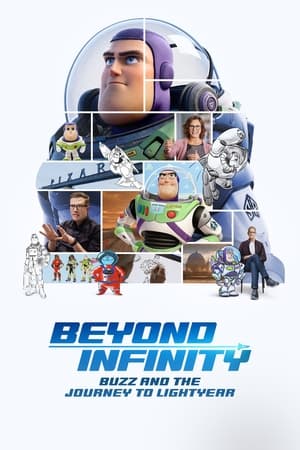
Beyond Infinity: Buzz and the Journey to Lightyear(en)
2022-06-10
Explore the evolution of Buzz Lightyear from toy to human in the making of Pixar’s Lightyear. Dive into the origin and cultural impact of everyone’s favorite Space Ranger, the art of designing a new “human Buzz,” and the challenges faced by the Lightyear crew along the way.

77%
National Geographic: Journey to the Edge of the Universe(en)
2008-12-06
In one single, epic camera move we journey from Earth's surface to the outermost reaches of the universe on a grand tour of the cosmos, to explore newborn stars, distant planets, black holes and beyond.

74%
For the Love of Spock(en)
2016-09-09
The life of Mr. Spock, as well as that of Leonard Nimoy, the actor who played him for almost fifty years, written and directed by his son: Adam.
65%
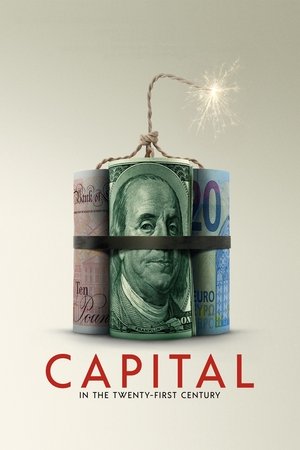
Capital in the Twenty-First Century(en)
2019-09-12
Film adaptation of French economist Thomas Piketty's ground-breaking global bestseller of the same name: an eye-opening journey through wealth and power.
78%
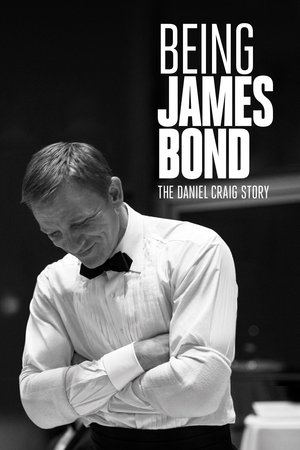
Being James Bond(en)
2021-08-29
Daniel Craig candidly reflects on his 15 year adventure as James Bond. Including never-before-seen archival footage from Casino Royale to the upcoming 25th film No Time To Die, Craig shares his personal memories in conversation with 007 producers, Michael G Wilson and Barbara Broccoli.

65%
Heart of a Dog(en)
2015-10-21
Lyrical and powerfully personal essay film that reflects on the deaths of her husband Lou Reed, her mother, her beloved dog, and such diverse subjects as family memories, surveillance, and Buddhist teachings.


65%
The September Issue(en)
2009-08-28
A documentary chronicling Vogue editor-in-chief Anna Wintour's preparations for the 2007 fall-fashion issue.
Similar Movies

68%
Standard Operating Procedure(en)
2008-02-12
Errol Morris examines the incidents of abuse and torture of suspected terrorists at the hands of U.S. forces at the Abu Ghraib prison.
0%
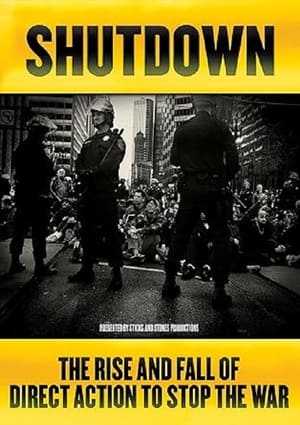
Shutdown: The Rise and Fall of Direct Action to Stop the War(en)
2009-05-01
In the winter of 2002-'03, as the US was building its case to attack Iraq, people around the world responded with a series fo the largest peace protests in history. Shutdown: The Rise and Fall of Direct Action to Stop the War, is an action-packed documentary chronicling how DASW successfully organized to shut down a major US city and how they failed to effectively maintain the organization to fight the war machine and end the occupation of Iraq. Created by organizers involved with DASW, Shutdown combines detailed information on organizing for a mass action, critical interviews on organizing pitfalls, and the wisdom of hindsight. It is a must-see film for those engaged in the continuous struggle toward social justice.
0%
The Hunt for Jihadi John(en)
2019-05-20
The inside story of Mohammed Emwazi's journey from being an ordinary London boy to becoming terrorist 'Jihadi John', and the intelligence operatives' attempts to catch him.
0%
Hands of God(ar)
2020-07-07
Thirteen years of war. Dozens of car bombings every month. One goal: to become an Olympic champion. The true story of grit and determination, of young men literally fighting for their lives one day on the battlefields of Iraq and competing to fight for their Nation the next one. Despite living under the persistent threat of ISIS, these athletes will strive to accomplish their task. The amazing journey of the Iraq National Team from obscurity and desperation to the edge of an historical qualification to Rio 2016. Will private Waheed be able to manage his army duty with his desire to go to the Games? Is young Jafaar ready to aspire to the Olympic stage he has been dreaming of, despite living in the most dangerous suburb in the world? Will promising heavyweight Saadi come back from his mission to liberate Falluja? Will Iraq finally be a peaceful Country?

71%
Fahrenheit 9/11(en)
2004-06-25
Michael Moore's view on how the Bush administration allegedly used the tragic events on 9/11 to push forward its agenda for unjust wars in Afghanistan and Iraq.
72%
WMD: Weapons of Mass Deception(en)
2004-12-12
There were two wars in Iraq--a military assault and a media war. The former was well-covered; the latter was not. Until now... Independent filmmaker, Emmy-award winningTV journalist, author and media critic, Danny Schechter turns the cameras on the role of the media. His new film, WMD, is an outspoken assessment of how Pentagon propaganda and media complicity misled the American people...
90%
Beyond the Beach: The Hell and the Hope(en)
2019-09-03
A powerful depiction of war in infamous global conflict zones. Directed by Oscar/Emmy documentary makers Buddy Squires and Graeme Scott (know for Sam Smith), this film provides a rare and powerful insight into humanity and hope in the depth of war and the greatest global humanitarian crisis of the last several decades.
66%
Iraq in Fragments(ku)
2006-01-21
An opus in three parts, Iraq In Fragments offers a series of intimate, passionately-felt portraits: A fatherless 11-year-old is apprenticed to the domineering owner of a Baghdad garage; Sadr followers in two Shiite cities rally for regional elections while enforcing Islamic law at the point of a gun; a family of Kurdish farmers welcomes the US presence, which has allowed them a measure of freedom previously denied. American director James Longley spent more than two years filming in Iraq to create this stunningly photographed, poetically rendered documentary of the war-torn country as seen through the eyes of Sunnis, Shiites and Kurds.
77%
No End in Sight(en)
2007-07-27
Chronological look at the fiasco in Iraq, especially decisions made in the spring of 2003 - and the backgrounds of those making decisions - immediately following the overthrow of Saddam: no occupation plan, an inadequate team to run the country, insufficient troops to keep order, and three edicts from the White House announced by Bremmer when he took over.
80%
Stacey on the Front Line: Girls, Guns and Isis(en)
2017-01-17
September 2016: Stacey Dooley embeds herself on the frontline with the extraordinary all-female Yazidi battalion, who are fuelled to take revenge against the so-called Islamic State. As the battle to take Mosul from ISIS advances in Northern Iraq, in this extraordinary film for BBC Three, Stacey finds these young women's lives have been transformed by a desire to avenge their loved ones who were murdered by Isis.

78%
Les Suppliques(fr)
2022-07-11
Since the defeat, the Nazis, who were the masters of the occupied zone, and the French State, which had been ruling the so-called free zone since Vichy, ordered the Jews to take a census. From the spring of 1941, whether they had been French for several generations or naturalized for a few years, foreigners who had taken refuge in France or stateless people who had been driven out of their country, they were put on file, arrested or threatened at any time. Some wrote to the administration, or directly to Marshal Pétain, who seemed to them to be the last resort. These requests are called Suppliques. Men, women, sometimes children, tried as best they could, by all means, to loosen the trap. They address themselves to their executioners, but they do not know it.

0%
Bullets And Blueberries(en)
2025-09-23
The Holocaust began with the indiscriminate mass shootings by the Einsatzgruppen in the bloodlands of Eastern Europe and was perfected in the gas chambers at Auschwitz. “Bullets And Blueberries” explores the motives, methods and madness of the perpetrators, using never-before-seen images captured by the killers themselves — images that fully capture the banality of evil.
74%
Control Room(en)
2004-01-22
A chronicle which provides a rare window into the international perception of the Iraq War, courtesy of Al Jazeera, the Arab world's most popular news outlet. Roundly criticized by Cabinet members and Pentagon officials for reporting with a pro-Iraqi bias, and strongly condemned for frequently airing civilian causalities as well as footage of American POWs, the station has revealed (and continues to show the world) everything about the Iraq War that the Bush administration did not want it to see.

60%
Facing Extinction: Christians of Iraq(en)
2009-01-01
The persecution, kidnapping and murder of Assyrian Christians in Iraq is tragically increasing!
75%
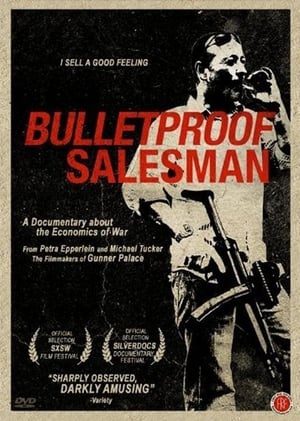
Bulletproof Salesman(en)
2008-03-10
Fidelis Cloer is a self-confessed war profiteer who found The Perfect War when the US invaded Iraq. It wasn't about selling a dozen cars, or even a hundred, it was a thousand-car war where security would become the ultimate product.
50%
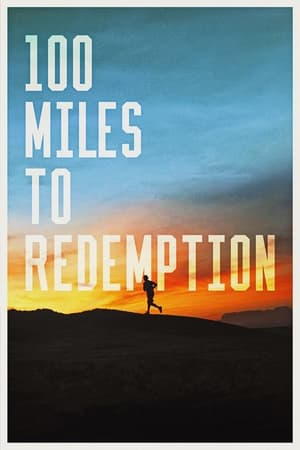
100 Miles to Redemption(en)
2022-07-01
A poignant story about overcoming our demons and finding hope through darkness. Haunted by the affects of PTSD induced by fighting a war, the physical injuries that led to copious amounts of opiates, the emotional strain of his squad leader committing suicide, losing his best friend from overdosing on heroin, all combined with his drug addiction ultimately left Shawn losing all hope in life.
0%
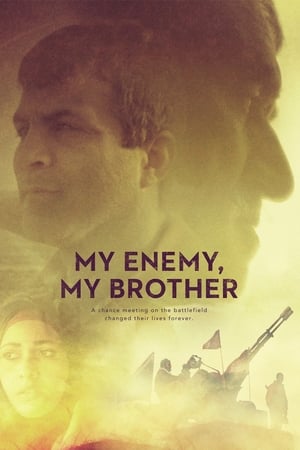
My Enemy, My Brother(en)
2017-04-29
The eight-year Iran-Iraq War was one of the most brutal conflicts to devastate the region in the 20th century. Zahed was 13 years old when he enrolled in the Iranian army. Najah was 18 when he was conscripted into the Iraqi army, and he fought against Zahed in the Battle of Khorramshahr. Fast forward 25 years, a chance encounter in Vancouver between these two former enemies turns into a deep and mutually supportive friendship. Expanded from the 2015 short film by the same name.

67%
Accidental Anarchist(en)
2017-07-23
Carne Ross was a government highflyer. A career diplomat who believed Western Democracy could save us all. But working inside the system he came to see its failures, deceits and ulterior motives. He felt at first hand the corruption of power. After the Iraq war Carne became disillusioned, quit his job and started searching for answers.
0%
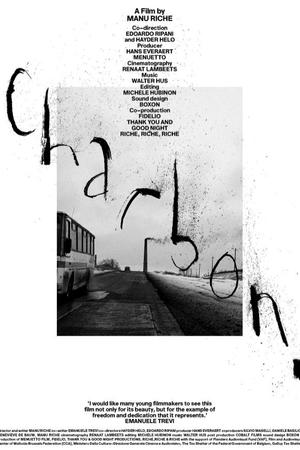
Coal(nl)
2025-03-06
CHARBON depicts how Europe was built on fossil fuels over the past 100 years. And how it was torn apart by wars that were the result of these same fossil fuels. During 3 trips to Ukraine, Italy and Iraq, filmmaker Manu Riche explains how he and his French-German family are inseparably connected to the fate of the Iraqi filmmaker and refugee Hayder Helo.