Loading Page

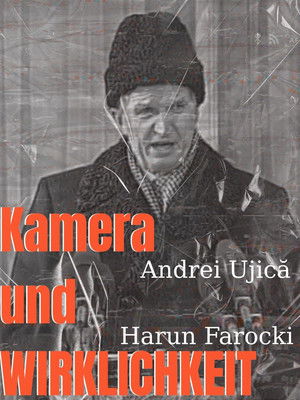
Camera and Reality(NaN)
Status: Released
Date:
0%
0 Votes
Time: 3h 6m
Overview:
Harun Farocki and Andrei Ujica discuss the visual material of the 1989 Romanian revolution they used for Videogramme einer Revolution (1992) in a round table discussion with Andrei Pleșu, Romania’s first cultural minister after the revolution, and media scholars Friedrich Kittler, Manfred Schneider and Peter M. Spangenberg.
Languages: German, Romanian.
Countries:
Movie: Camera and Reality
HomePage
Overview
Harun Farocki and Andrei Ujica discuss the visual material of the 1989 Romanian revolution they used for Videogramme einer Revolution (1992) in a round table discussion with Andrei Pleșu, Romania’s first cultural minister after the revolution, and media scholars Friedrich Kittler, Manfred Schneider and Peter M. Spangenberg.
Release Date
Average
0
Rating:
0.0 startsTagline
Genres
Languages:
DeutschRomână
Recommendations Movies
72%
Side by Side(en)
2012-08-19
Since the invention of cinema, the standard format for recording moving images has been film. Over the past two decades, a new form of digital filmmaking has emerged, creating a groundbreaking evolution in the medium. Keanu Reeves explores the development of cinema and the impact of digital filmmaking via in-depth interviews with Hollywood masters, such as James Cameron, David Fincher, David Lynch, Christopher Nolan, Martin Scorsese, George Lucas, Steven Soderbergh, and many more.

63%
The Final: Attack on Wembley(en)
2024-05-07
As England reach the final of the Euros at last, 6,000 ticketless football fans storm Wembley stadium, leaving destruction in their wake.
76%
Foo Fighters: Back and Forth(en)
2011-04-05
FOO FIGHTERS BACK AND FORTH chronicles the 16 year history of the Foo Fighters: from the band's very first songs created as cassette demos Dave Grohl recorded during his tenure as Nirvana's drummer, through its ascent to their Grammy-winning, multi-platinum, arena and stadium headlining status as one of the biggest rock bands on the planet.
62%
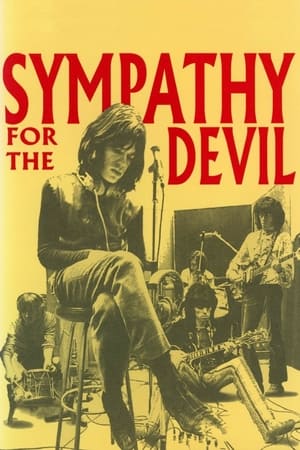
Sympathy for the Devil(en)
1968-12-01
While The Rolling Stones rehearse "Sympathy for the Devil" in the studio, an alternating narrative reflects on 1968 society, politics and culture through five different vignettes.
76%
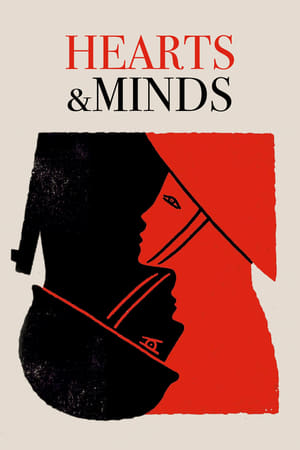
Hearts and Minds(en)
1974-12-20
Many times during his presidency, Lyndon B. Johnson said that ultimate victory in the Vietnam War depended upon the U.S. military winning the "hearts and minds" of the Vietnamese people. Filmmaker Peter Davis uses Johnson's phrase in an ironic context in this anti-war documentary, filmed and released while the Vietnam War was still under way, juxtaposing interviews with military figures like U.S. Army Chief of Staff William C. Westmoreland with shocking scenes of violence and brutality.
68%
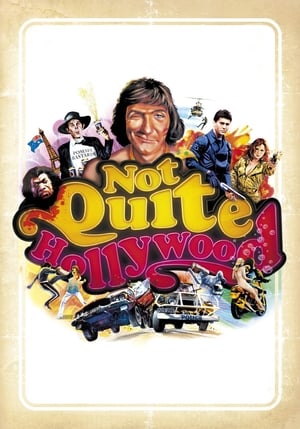
Not Quite Hollywood(en)
2008-08-28
As Australian cinema broke through to international audiences in the 1970s through respected art house films like Peter Weir's "Picnic At Hanging Rock," a new underground of low-budget exploitation filmmakers were turning out considerably less highbrow fare. Documentary filmmaker Mark Hartley explores this unbridled era of sex and violence, complete with clips from some of the scene's most outrageous flicks and interviews with the renegade filmmakers themselves.
67%
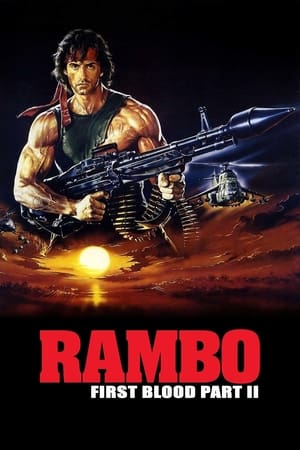
Rambo: First Blood Part II(en)
1985-05-21
John Rambo is released from prison by the government for a top-secret covert mission to the last place on Earth he'd want to return - the jungles of Vietnam.
68%
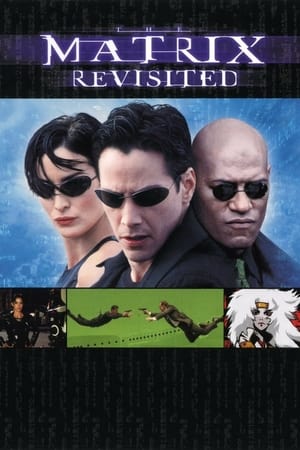
The Matrix Revisited(en)
2001-11-19
The film goes behind the scenes of the 1999 sci-fi movie The Matrix.
70%
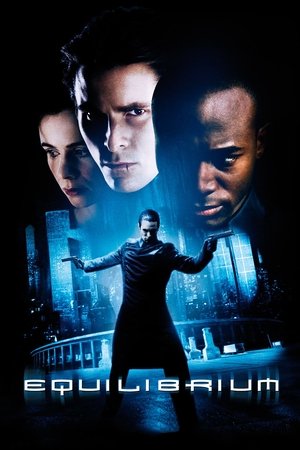
Equilibrium(en)
2002-12-06
In a dystopian future, a totalitarian regime maintains peace by subduing the populace with a drug, and displays of emotion are punishable by death. A man in charge of enforcing the law rises to overthrow the system.
73%
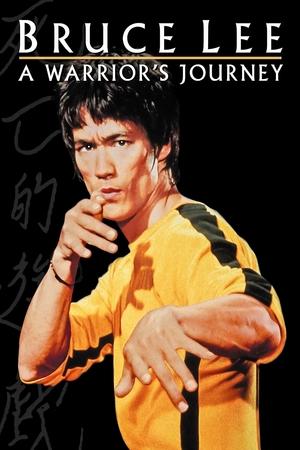
Bruce Lee: A Warrior's Journey(en)
2000-10-22
Documentary on the legendary martial artist Bruce Lee, with a focus on the production of his unfinished film Game of Death. Using interviews and behind-the-scenes footage, Lee aficionado John Little paints a portrait of the world's most famous action hero, concluding with a new cut of Game of Death's action finale, reconstructed from Lee's notes and recently-recovered footage.


76%
Night Will Fall(en)
2014-06-07
When Allied forces liberated the Nazi concentration camps in 1944-45, their terrible discoveries were recorded by army and newsreel cameramen, revealing for the first time the full horror of what had happened. Making use of British, Soviet and American footage, the Ministry of Information’s Sidney Bernstein (later founder of Granada Television) aimed to create a documentary that would provide lasting, undeniable evidence of the Nazis’ unspeakable crimes. He commissioned a wealth of British talent, including editor Stewart McAllister, writer and future cabinet minister Richard Crossman – and, as treatment advisor, his friend Alfred Hitchcock. Yet, despite initial support from the British and US Governments, the film was shelved, and only now, 70 years on, has it been restored and completed by Imperial War Museums under its original title "German Concentration Camps Factual Survey".
66%
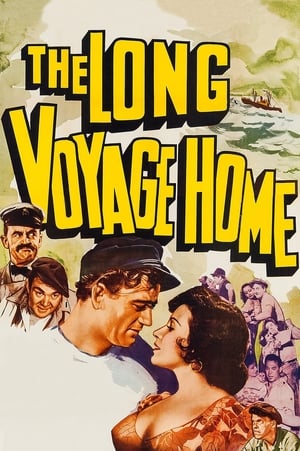
The Long Voyage Home(en)
1940-11-16
The crew of the merchant ship Glencairn hope to survive a transatlantic crossing during World War II. Adapted from four Eugene O'Neill one-act plays.
73%
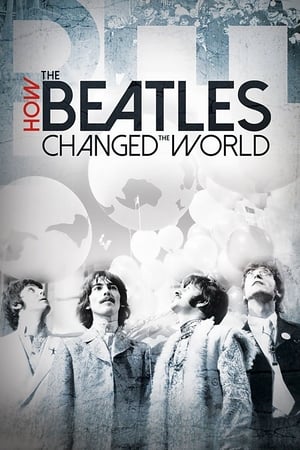
How the Beatles Changed the World(en)
2017-10-23
The fascinating story of the cultural, social, spiritual, and musical revolution ignited by the coming of the Beatles. Tracing the impact that these four band members had, first in their native Britain and soon after worldwide, it reappraises the band and follows their path from young subversives to countercultural heroes. Featuring fresh, revealing interviews with key collaborators as well as a wealth of rarely-seen archival footage, this is a bold new take on the most significant band in the history of music and their enduring impact on popular culture.
82%
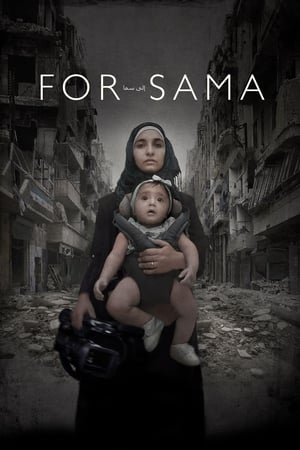
For Sama(en)
2019-07-26
A love letter from a young mother to her daughter, the film tells the story of Waad al-Kateab’s life through five years of the uprising in Aleppo, Syria as she falls in love, gets married and gives birth to Sama, all while cataclysmic conflict rises around her. Her camera captures incredible stories of loss, laughter and survival as Waad wrestles with an impossible choice– whether or not to flee the city to protect her daughter’s life, when leaving means abandoning the struggle for freedom for which she has already sacrificed so much.
77%
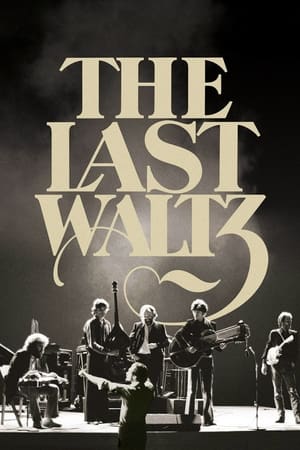
The Last Waltz(en)
1978-04-26
Martin Scorsese's documentary intertwines footage from The Band's incredible farewell tour with probing backstage interviews and featured performances by Eric Clapton, Bob Dylan, Joni Mitchell, Van Morrison, and other rock legends.
70%
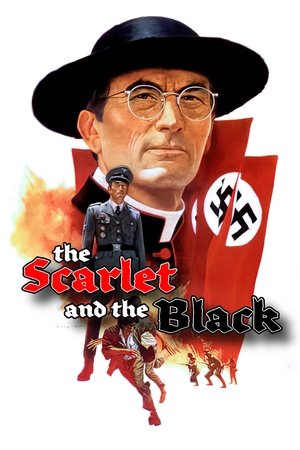
The Scarlet and the Black(en)
1983-02-02
Fr. Hugh O'Flaherty is a Vatican official in 1943-45 who has been hiding downed pilots, escaped prisoners of war, and Italian resistance families. His activities become so large that the Nazis decide to assassinate him the next time he leaves the Vatican.
77%
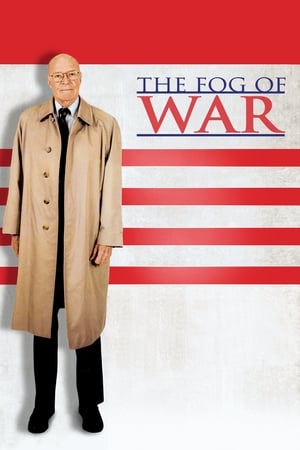
The Fog of War(en)
2003-10-26
Using archival footage, cabinet conversation recordings, and an interview of the 85-year-old Robert McNamara, The Fog of War depicts his life, from working as a WWII whiz-kid military officer, to being the Ford Motor Company's president, to managing the Vietnam War as defense secretary for presidents Kennedy and Johnson.