Loading Page

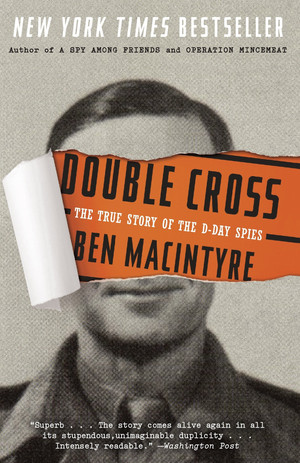
Double Cross: The True Story of the D-day Spies(2012)
Status: Released
Date: 2012-07-09
67%
5 Votes
Time: 1h 0m
Overview:
The story of D-Day has been told from the point of view of the soldiers who fought in it, the tacticians who planned it and the generals who led it. But that epic event in world history has never been told before through the perspective of the strange handful of spies who made it possible. D-Day was a great victory of arms, a tactical coup, and a moral crusade. But it was also a triumph for espionage, deceit, and thinking of the most twisted sort. Following on from his hugely successful BBC Two documentaries, Operation Mincemeat and Double Agent: The Eddie Chapman Story (Agent Zigzag), writer and presenter Ben Macintyre returns to the small screen to bring to life his third best-selling book - Double Cross The True Story of the D-Day Spies. Macintyre reveals the gripping true story of five of the double agents who helped to make D-day such a success.
Languages: English.
Countries:
United Kingdom
ProductionCompanies: 
Movie: Double Cross: The True Story of the D-day Spies
Top 2 Billed Cast

Ben Macintyre
Self - Presenter

Tuppence Middleton
Treasure's Voice
HomePage
Overview
The story of D-Day has been told from the point of view of the soldiers who fought in it, the tacticians who planned it and the generals who led it. But that epic event in world history has never been told before through the perspective of the strange handful of spies who made it possible. D-Day was a great victory of arms, a tactical coup, and a moral crusade. But it was also a triumph for espionage, deceit, and thinking of the most twisted sort. Following on from his hugely successful BBC Two documentaries, Operation Mincemeat and Double Agent: The Eddie Chapman Story (Agent Zigzag), writer and presenter Ben Macintyre returns to the small screen to bring to life his third best-selling book - Double Cross The True Story of the D-Day Spies. Macintyre reveals the gripping true story of five of the double agents who helped to make D-day such a success.
Release Date
2012-07-09
Average
6.7
Rating:
3.4 startsTagline
Genres
Languages:
English
Recommendations Movies
72%
City of Ghosts(en)
2017-07-14
With unprecedented access, this documentary follows the extraordinary journey of “Raqqa is Being Slaughtered Silently”—a group of anonymous citizen journalists who banded together after their homeland was overtaken by ISIS—as they risk their lives to stand up against one of the greatest evils in the world today.
75%
The War on Democracy(en)
2007-06-15
Set both in Latin America and the United States, the film explores the historic and current relationship of Washington with countries such as Venezuela, Bolivia and Chile. Pilger says that the film "...tells a universal story... analysing and revealing, through vivid testimony, the story of great power behind its venerable myths. It allows us to understand the true nature of the so-called "war on terror". According to Pilger, the film’s message is that the greed and power of empire is not invincible and that people power is always the "seed beneath the snow".

65%
Father Soldier Son(en)
2020-04-15
When Sgt. First Class Brian Eisch is critically wounded in Afghanistan, it sets him and his sons on a journey of love, loss, redemption and legacy.
82%
2000 Meters to Andriivka(en)
2025-07-23
Amid the failing counteroffensive, a journalist follows a Ukrainian platoon on their mission to traverse one mile of heavily fortified forest and liberate a strategic village from Russian occupation. But the farther they advance through their destroyed homeland, the more they realize that this war may never end.

61%
The Battle of San Pietro(en)
1945-05-03
This documentary movie is about the battle of San Pietro, a small village in Italy. Over 1,100 US soldiers were killed while trying to take this location, that blocked the way for the Allied forces from the Germans. Preserved by the Academy Film Archive in 2005.
64%
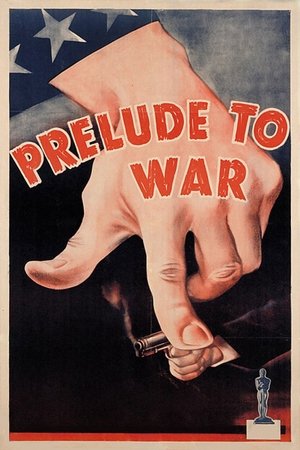
Why We Fight: Prelude to War(en)
1942-05-27
Prelude to War was the first film of Frank Capra's Why We Fight propaganda film series, commissioned by the Pentagon and George C. Marshall. It was made to convince American troops of the necessity of combating the Axis Powers during World War II. This film examines the differences between democratic and fascist states.

60%
Triple Cross(en)
1966-12-09
Safecracker Eddie Chapman is languishing in prison on the island of Jersey when the Nazis arrive. An adept manipulator of situations, Chapman convinces the Germans to use him to spy on the British. And when the would-be traitor arrives home, he convinces the English to use him as a double agent -- in exchange for a full pardon.
78%
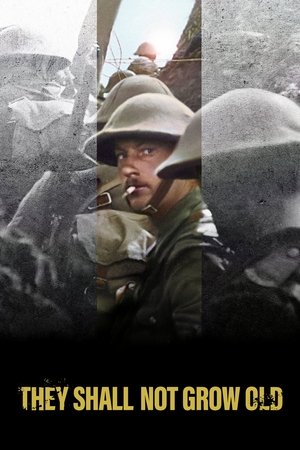
They Shall Not Grow Old(en)
2018-11-09
A documentary about World War I with never-before-seen footage to commemorate the centennial of Armistice Day, and the end of the war.
72%
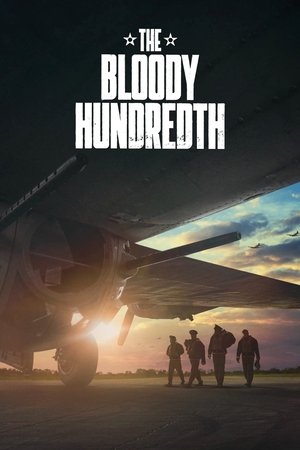
The Bloody Hundredth(en)
2024-03-14
Meet the real-life airmen who inspired Masters of the Air as they share the harrowing and transformative events of the 100th Bomb Group.
66%
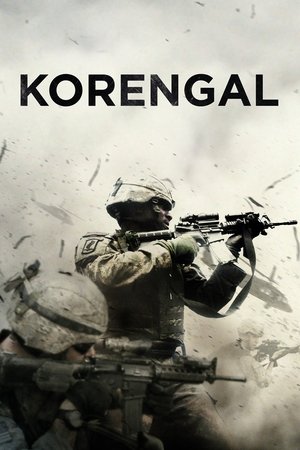
Korengal(en)
2014-05-30
Korengal picks up where Restrepo left off; the same men, the same valley, the same commanders, but a very different look at the experience of war.
79%
Five Came Back(en)
2017-03-31
The extraordinary story of how Hollywood changed World War II – and how World War II changed Hollywood, through the interwoven experiences of five legendary filmmakers who went to war to serve their country and bring the truth to the American people: John Ford, William Wyler, John Huston, Frank Capra, and George Stevens. Based on Mark Harris’ best-selling book, “Five Came Back: A Story of Hollywood and the Second World War.”

76%
Night Will Fall(en)
2014-06-07
When Allied forces liberated the Nazi concentration camps in 1944-45, their terrible discoveries were recorded by army and newsreel cameramen, revealing for the first time the full horror of what had happened. Making use of British, Soviet and American footage, the Ministry of Information’s Sidney Bernstein (later founder of Granada Television) aimed to create a documentary that would provide lasting, undeniable evidence of the Nazis’ unspeakable crimes. He commissioned a wealth of British talent, including editor Stewart McAllister, writer and future cabinet minister Richard Crossman – and, as treatment advisor, his friend Alfred Hitchcock. Yet, despite initial support from the British and US Governments, the film was shelved, and only now, 70 years on, has it been restored and completed by Imperial War Museums under its original title "German Concentration Camps Factual Survey".
63%
The Hornet's Nest(en)
2014-05-09
Armed only with their cameras, Peabody and Emmy Award-winning conflict Journalist Mike Boettcher, and his son, Carlos, provide unprecedented access into the longest war in U.S. history: they are embed with U.S. troops during nine days of intense combat in Afghanistan.
58%
The Sea Wolves(en)
1980-07-03
A German spy is passing on information about the location of Allied ships in the neutral harbor of Goa, India, with catastrophic results. Unable to undertake a full military operation in the Portuguese stronghold, English intelligence brings out of retirement a crew of geriatric ex-soldiers, veterans from World War I, using their age as cover. These old soldiers are asked to take to the seas and pull off an unlikely undercover mission.
73%
The Guns of Navarone(en)
1961-04-27
A team of allied saboteurs are assigned an impossible mission: infiltrate an impregnable Nazi-held island and destroy the two enormous long-range field guns that prevent the rescue of 2,000 trapped British soldiers.
65%
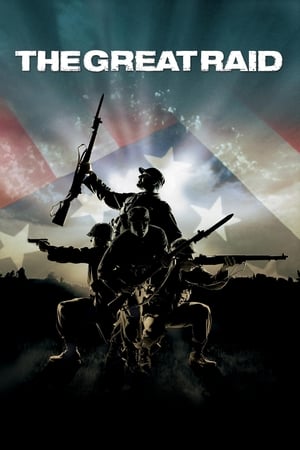
The Great Raid(en)
2005-08-12
As World War II rages, the elite Sixth Ranger Battalion is given a mission of heroic proportions: push 30 miles behind enemy lines and liberate over 500 American prisoners of war.
80%
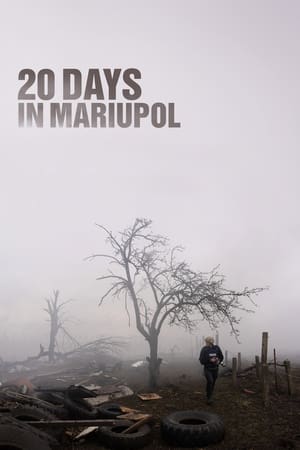
20 Days in Mariupol(en)
2023-07-14
As the Russian invasion begins, a team of Ukrainian journalists trapped in the besieged city of Mariupol struggle to continue their work documenting the war's atrocities.
67%
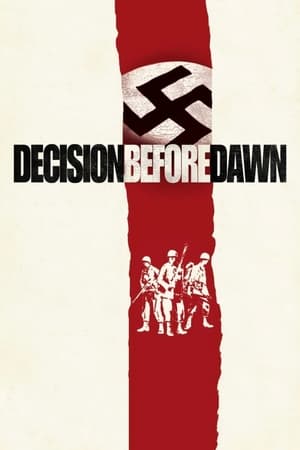
Decision Before Dawn(en)
1951-12-21
WWII is entering its last phase: Germany is in ruins, but does not yield. The US army lacks crucial knowledge about the German units operating on the opposite side of the Rhine, and decides to send two German prisoners to gather information. The scheme is risky: the Gestapo retains a terribly efficient network to identify and capture spies and deserters. Moreover, it is not clear that "Tiger", who does not mind any dirty work as long as the price is right, and war-weary "Happy", who might be easily betrayed by his feelings, are dependable agents. After Tiger and another American agent are successfully infiltrated, Happy is parachuted in Bavaria. His duty: find out the whereabouts of a powerful German armored unit moving towards the western front.
77%
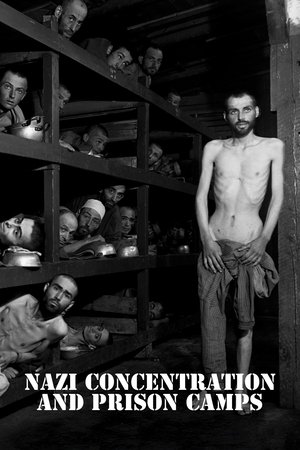
Nazi Concentration Camps(en)
1945-11-29
Produced and presented as evidence at the Nuremberg war crimes trial of Hermann Göring and twenty other Nazi leaders, this film consists primarily of dead and surviving prisoners and of facilities used to kill and torture during the World War II.

66%
The Age of Stupid(en)
2009-09-21
Pete Postlethwaite stars as a man living alone in the devastated future world of 2055, looking at old footage from 2008 and asking: why didn’t we stop climate change when we had the chance?