Shaw Talks for Movietone News(1928)
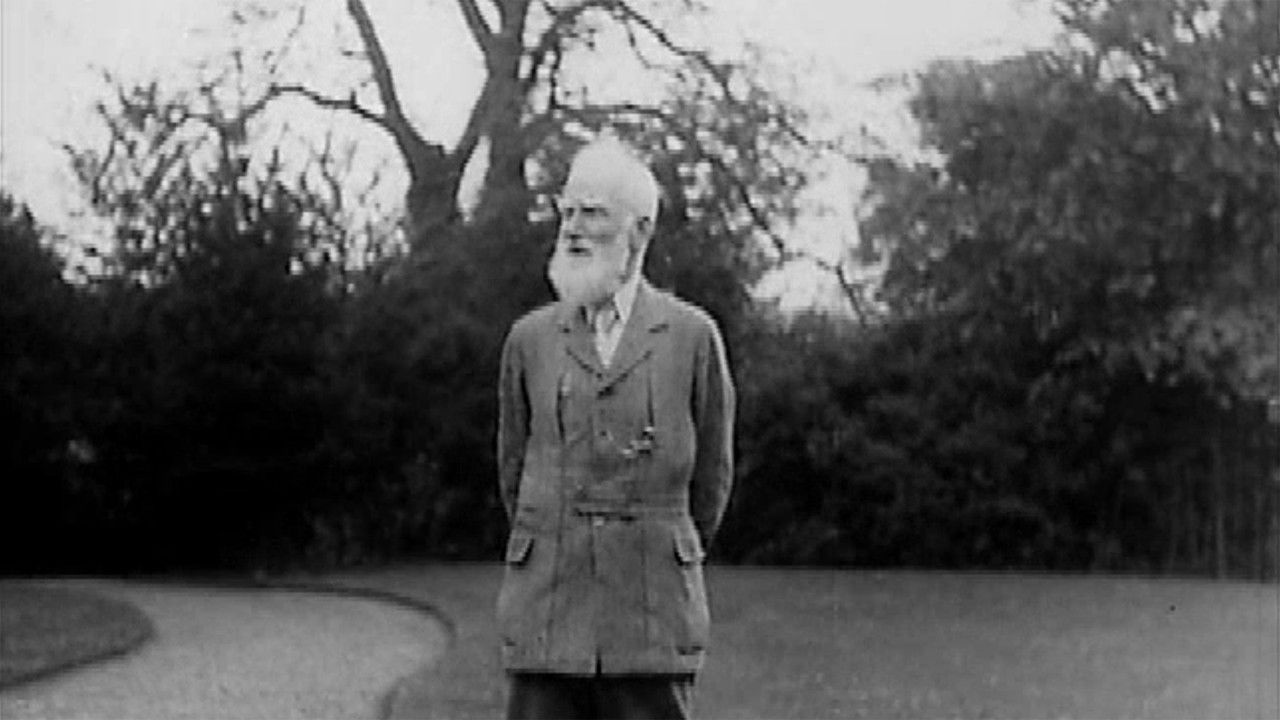
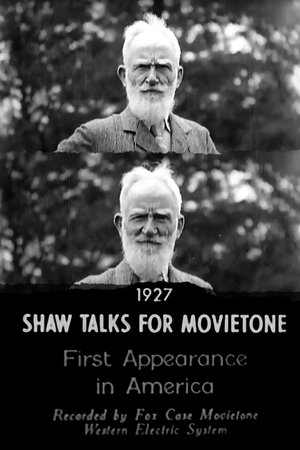
Famous author George Bernard Shaw's monologue to an audience on a variety of topics, including his impression of Mussolini's stern facial expressions. TITLE CARDS READ "1927. SHAW TALKS FOR MOVIETONE Several months before 'The Jazz Singer' appeared, sound films of current events and of interview with eminent figures of the day had been issued by the Fox Film Corporation. The voice in the interview given here is recorded with a precision rare in the early talkies. / William Fox Has the Honor to Present / The World's Outstanding Literary Genius / GEORGE BERNARD SHAW / First Appearance in America Recorded by Fox Case Movietone Western Electric System"
Movie: Shaw Talks for Movietone News
Video Trailer Shaw Talks for Movietone News
Video: George Bernard Shaw talks early sound film from 16mm
George Bernard Shaw talks early sound film from 16mm
George Bernard Shaw, sonore, 1928
All 2 videos
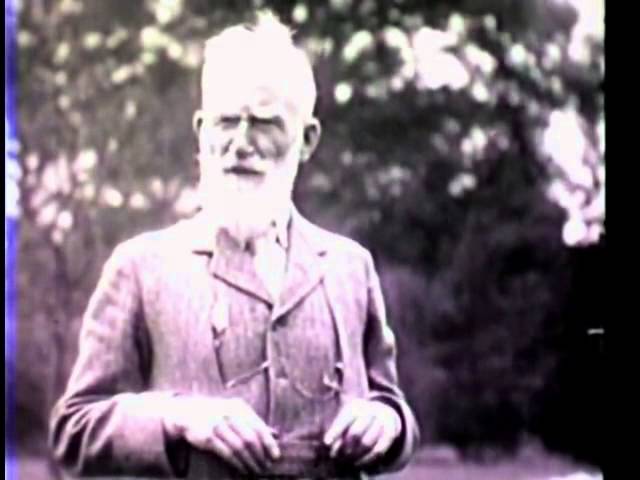
George Bernard Shaw talks early sound film from 16mm - Clip

George Bernard Shaw, sonore, 1928 - Clip
Recommendations Movies
Cradle Will Rock(en)
A true story of politics and art in the 1930s USA, centered around a leftist musical drama and attempts to stop its production.
Florence Foster Jenkins(en)
The story of Florence Foster Jenkins, a New York heiress, who dreamed of becoming an opera singer, despite having a terrible singing voice.
Genius(en)
New York in the 1920s. Max Perkins, a literary editor is the first to sign such subsequent literary greats as Ernest Hemingway and F. Scott Fitzgerald. When a sprawling, chaotic 1,000-page manuscript by an unknown writer falls into his hands, Perkins is convinced he has discovered a literary genius.
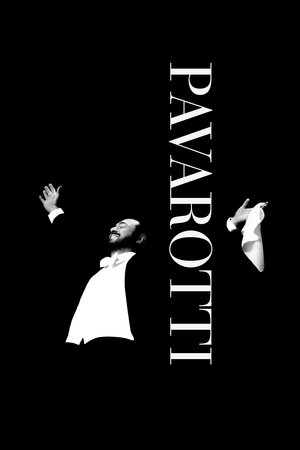
Pavarotti(en)
Featuring never-before-seen footage, concert performances and intimate interviews, filmmaker Ron Howard examines the life and career of famed opera tenor Luciano Pavarotti.
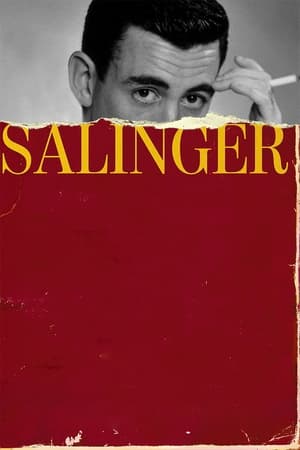
Salinger(en)
An in-depth investigation into the private world of the American writer J. D. Salinger (1919-2010), who lived most of his life behind the impenetrable wall of a self-imposed seclusion: how his dramatic experiences during World War II influenced his life and work, his relationships with very young women, his obsessive writing methods, his many literary secrets.
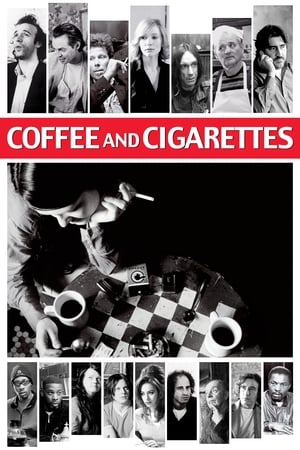
Coffee and Cigarettes(en)
An anthology of eleven vignettes featuring star-studded casts of extremely unique individuals who all share the common activities of conversing while drinking coffee and smoking cigarettes.
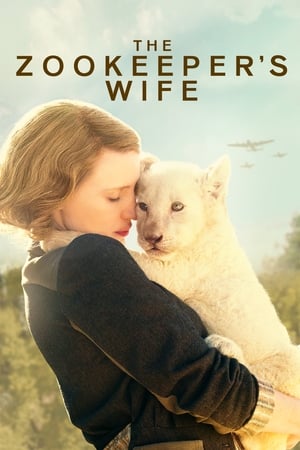
The Zookeeper's Wife(en)
The account of keepers of the Warsaw Zoo, Jan and Antonina Zabinski, who helped save hundreds of people and animals during the Nazi invasion.
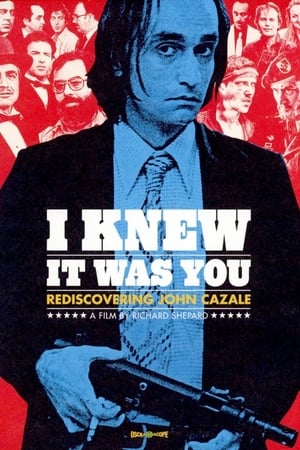
I Knew It Was You: Rediscovering John Cazale(en)
John Cazale was in only five films – The Godfather, The Conversation, The Godfather: Part II, Dog Day Afternoon and The Deer Hunter – each was nominated for Best Picture. Yet today most people don't even know his name. I KNEW IT WAS YOU is a fresh tour through movies that defined a generation.
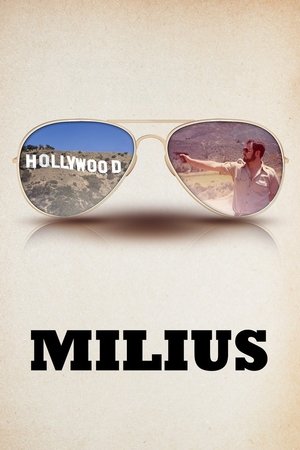
Milius(en)
The life story of ‘Zen Anarchist’ filmmaker John Milius, one of the most influential storytellers of his generation.
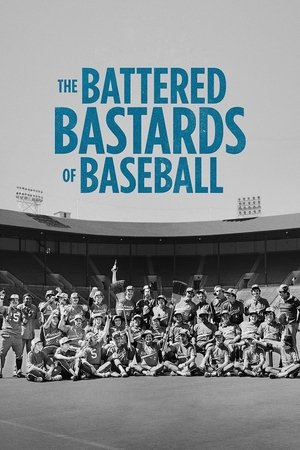
The Battered Bastards of Baseball(en)
Hollywood veteran Bing Russell creates the only independent baseball team in the country—alarming the baseball establishment and sparking the meteoric rise of the 1970s Portland Mavericks.
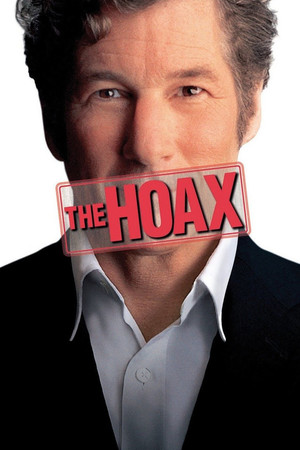
The Hoax(en)
In what would cause a fantastic media frenzy, Clifford Irving sells his bogus biography of Howard Hughes to a premiere publishing house in the early 1970s.
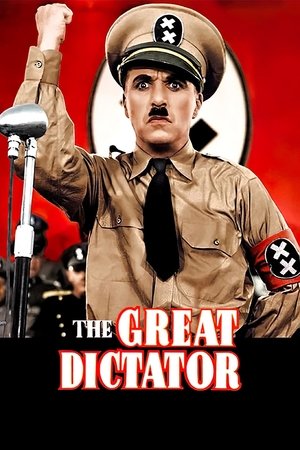
The Great Dictator(en)
Dictator Adenoid Hynkel tries to expand his empire while a poor Jewish barber tries to avoid persecution from Hynkel's regime.
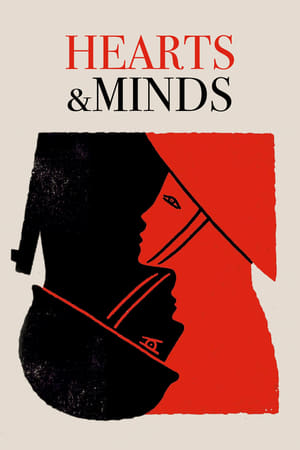
Hearts and Minds(en)
Many times during his presidency, Lyndon B. Johnson said that ultimate victory in the Vietnam War depended upon the U.S. military winning the "hearts and minds" of the Vietnamese people. Filmmaker Peter Davis uses Johnson's phrase in an ironic context in this anti-war documentary, filmed and released while the Vietnam War was still under way, juxtaposing interviews with military figures like U.S. Army Chief of Staff William C. Westmoreland with shocking scenes of violence and brutality.
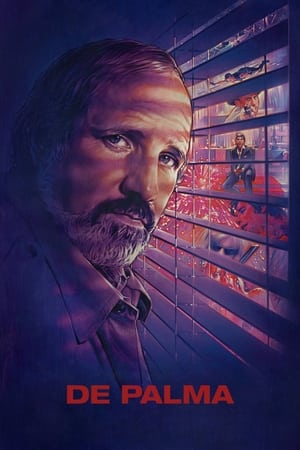
De Palma(en)
An intimate conversation between filmmakers, chronicling De Palma’s 55-year career, his life, and his filmmaking process, with revealing anecdotes and, of course, a wealth of film clips.
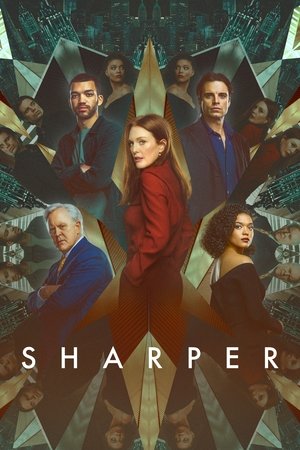
Sharper(en)
A small, wealthy family in New York City gets progressively torn apart by secrets, lies, and the theft that orchestrates all of it.
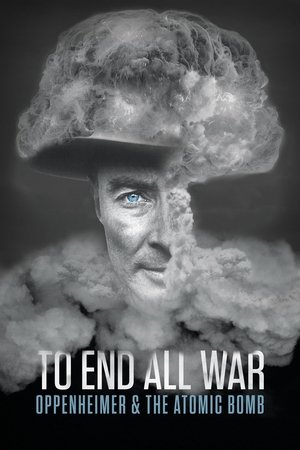
To End All War: Oppenheimer & the Atomic Bomb(en)
Explore how one man's relentless drive and invention of the atomic bomb changed the nature of war forever, led to the deaths of hundreds of thousands of people and unleashed mass hysteria.
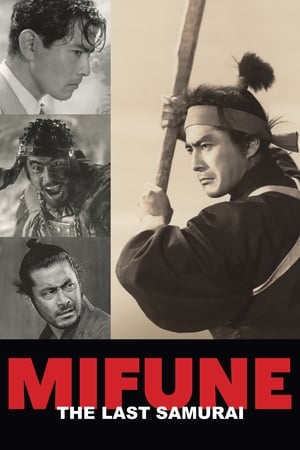
Mifune: The Last Samurai(en)
An account of the life and work of legendary Japanese actor Toshirō Mifune (1920-97), the most prominent actor of the Golden Age of Japanese cinema.
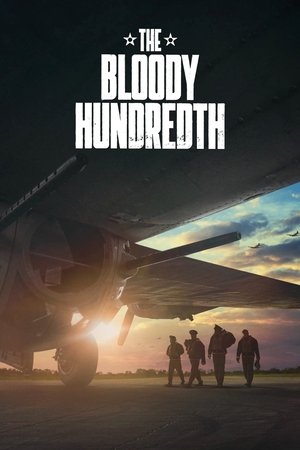
The Bloody Hundredth(en)
Meet the real-life airmen who inspired Masters of the Air as they share the harrowing and transformative events of the 100th Bomb Group.
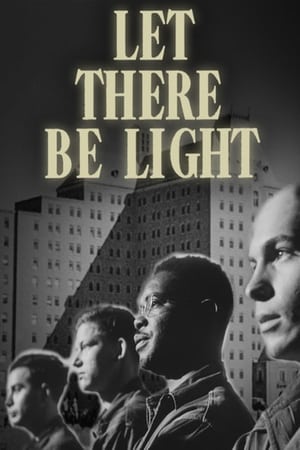
Let There Be Light(en)
The final entry in a trilogy of films produced for the U.S. government by John Huston. Some returning combat veterans suffer scars that are more psychological than physical. This film follows patients and staff during their treatment. It deals with what would now be called PTSD, but at the time was categorised as psychoneurosis or shell-shock. Government officials deemed this 1946 film counterproductive to postwar efforts; it was not shown publicly until 1981.