Loading Page
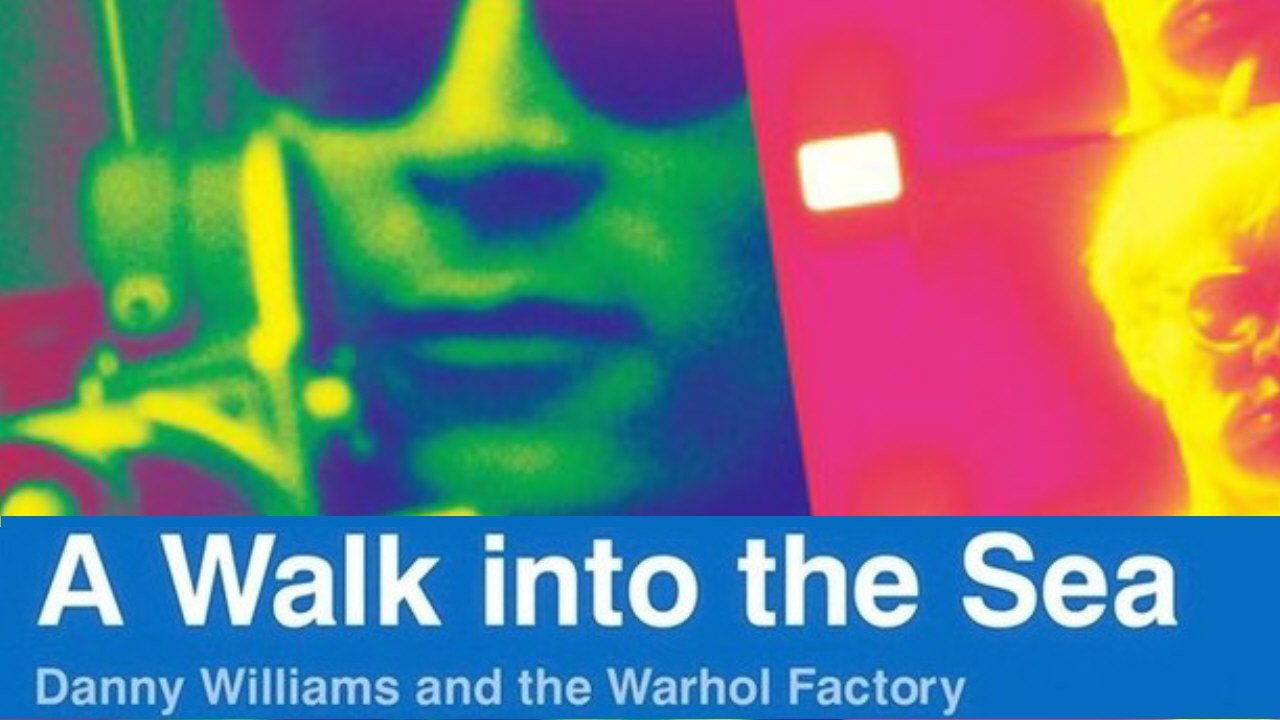
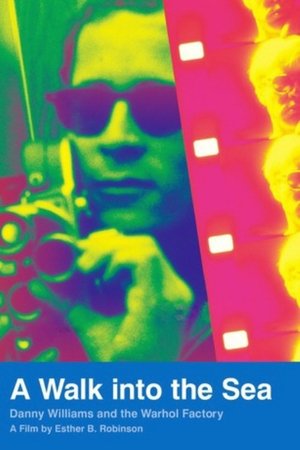
A Walk Into the Sea: Danny Williams and the Warhol Factory(2007)
Status: Released
Date: 2007-09-19
58%
4 Votes
Time: 1h 15m
Overview:
Esther Robinson's portrait of her uncle Danny Williams, Warhol's onetime lover, collaborator and filmmaker in his own right, offers a exploration of the Factory era, an homage to Williams's talent, a journey of family discovery and a compelling inquiry into Williams's mysterious disappearance at age 27.
Languages:
Countries:
ProductionCompanies: 
Movie: A Walk Into the Sea: Danny Williams and the Warhol Factory
Top 10 Billed Cast

Brigid Berlin
Self
John Cale
Self
Danny Fields
Self
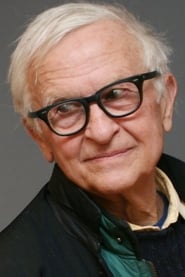
Albert Maysles
Self
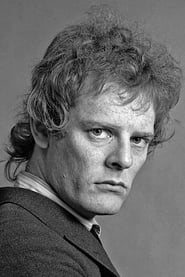
Paul Morrissey
Self
Video Trailer A Walk Into the Sea: Danny Williams and the Warhol Factory
Loading Photos
Photo Type :Total items
Recommendations Movies
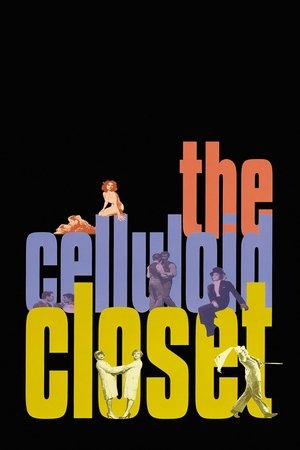
72%
The Celluloid Closet(en)
1996-03-15
Exuberant, eye-opening movie that serves up a dazzling hundred-year history of the role of gay men and lesbians have had on the silver screen. Film contains fabulous footage from 120 films showing the changing face of cinema sexuality, from cruel stereotypes to covert love to the activist triumphs of the 1990s.
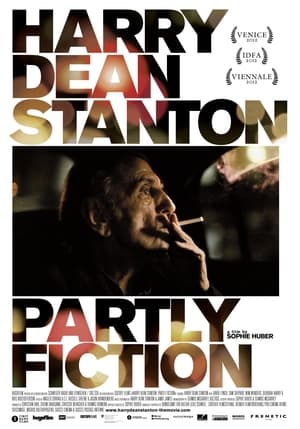
69%
Harry Dean Stanton: Partly Fiction(en)
2013-09-11
An impressionistic portrait of the iconic actor Harry Dean Stanton comprised of intimate moments, film clips from some of his 250 films and his renditions of American folk songs.
69%
Mapplethorpe: Look at the Pictures(en)
2016-06-16
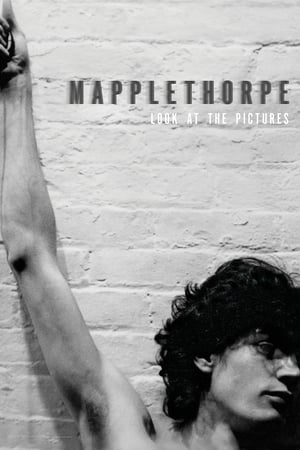
Nude men in rubber suits, close-ups of erections, objects shoved in the most intimate of places—these are photographs taken by Robert Mapplethorpe, known by many as the most controversial photographer of the twentieth century. Openly gay, Mapplethorpe took images of male sex, nudity, and fetish to extremes that resulted in his work still being labelled by some as pornography masquerading as art. But less talked about are the more serene, yet striking portraits of flowers, sculptures, and perfectly framed human forms that are equally pioneering and powerful.

65%
Heart of a Dog(en)
2015-10-21
Lyrical and powerfully personal essay film that reflects on the deaths of her husband Lou Reed, her mother, her beloved dog, and such diverse subjects as family memories, surveillance, and Buddhist teachings.
82%
The Untold History Of The United States(en)
2012-11-12
Oliver Stone charts the history of the United States from the Second World War to the present.
70%
Visions of Light(en)
1992-09-17
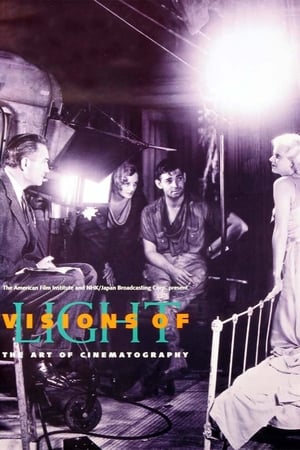
Cameramen and women discuss the craft and art of cinematography and of the "DP" (the director of photography), illustrating their points with clips from 100 films, from Birth of a Nation to Do the Right Thing. Themes: the DP tells people where to look; changes in movies (the arrival of sound, color, and wide screens) required creative responses from DPs; and, these artisans constantly invent new equipment and try new things, with wonderful results. The narration takes us through the identifiable studio styles of the 30s, the emergence of noir, the New York look, and the impact of Europeans. Citizen Kane, The Conformist, and Gordon Willis get special attention.

72%
To Be Takei(en)
2014-08-22
Over seven decades, actor and activist George Takei journeyed from a World War II internment camp to the helm of the Starship Enterprise, and then to the daily news feeds of five million Facebook fans. Join George and his husband, Brad, on a wacky and profound trek for life, liberty, and love.
67%
Frida(en)
2024-03-08
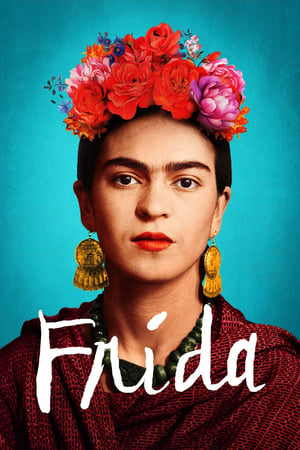
An intimately raw and magical journey through the life, mind, and heart of iconic artist Frida Kahlo. Told through her own words for the very first time — drawn from her diary, revealing letters, essays, and print interviews — and brought vividly to life by lyrical animation inspired by her unforgettable artwork.
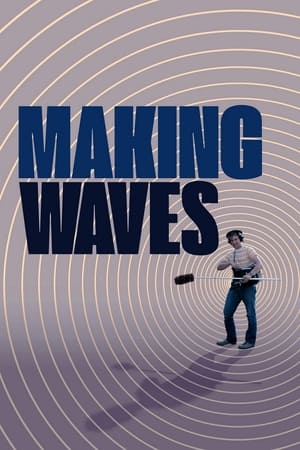
68%
Making Waves: The Art of Cinematic Sound(en)
2019-10-25
The history of cinematic sound, told by legendary sound designers and visionary filmmakers.
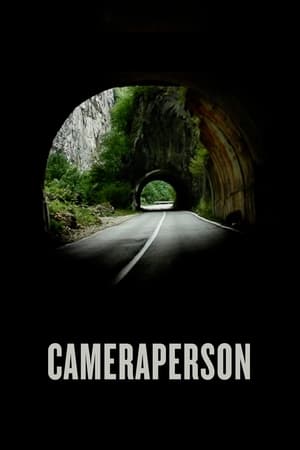
67%
Cameraperson(en)
2016-09-09
As a visually radical memoir, CAMERAPERSON draws on the remarkable footage that filmmaker Kirsten Johnson has shot and reframes it in ways that illuminate moments and situations that have personally affected her. What emerges is an elegant meditation on the relationship between truth and the camera frame, as Johnson transforms scenes that have been presented on Festival screens as one kind of truth into another kind of story—one about personal journey, craft, and direct human connection.
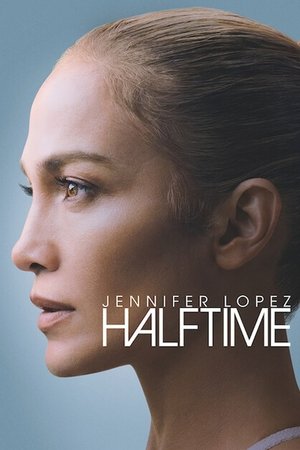
69%
Halftime(en)
2022-06-08
Global superstar Jennifer Lopez reflects on her multifaceted career and the pressure of life in the spotlight in this intimate documentary.
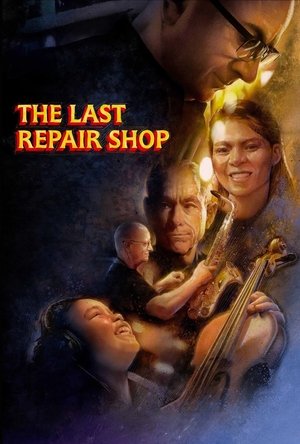
75%
The Last Repair Shop(en)
2024-02-16
In a warehouse in the heart of Los Angeles, a dwindling handful of devoted craftspeople maintain more than 80,000 student musical instruments, the largest remaining workshop in America of its kind. Meet four unforgettable characters whose broken-and-repaired lives have been dedicated to bringing so much more than music to the schoolchildren of this city.
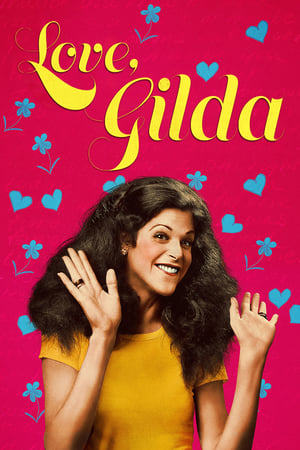
72%
Love, Gilda(en)
2018-04-18
Diaries, audiotapes, videotapes and testimonials from friends and colleagues offer insight into the life and career of Gilda Radner -- the beloved comic and actress who became an icon on Saturday Night Live.
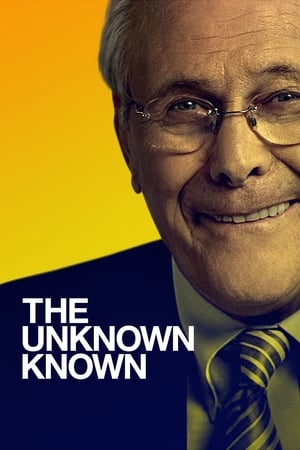
68%
The Unknown Known(en)
2013-08-29
Former United States Secretary of Defense, Donald Rumsfeld, discusses his career in Washington D.C. from his days as a congressman in the early 1960s to planning the invasion of Iraq in 2003.
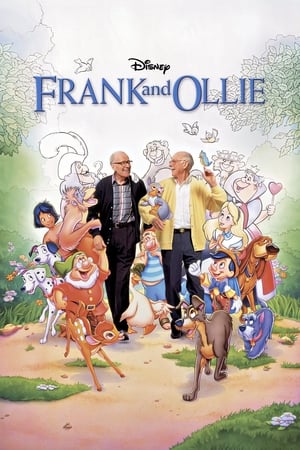
75%
Frank and Ollie(en)
1995-10-20
Before computer graphics, special effects wizardry, and out-of-this world technology, the magic of animation flowed from the pencils of two of the greatest animators The Walt Disney Company ever produced -- Frank Thomas and Ollie Johnston. Frank and Ollie, the talent behind BAMBI, PINOCCHIO, LADY AND THE TRAMP, THE JUNGLE BOOK, and others, set the standard for such modern-day hits as THE LION KING. It was their creative genius that helped make Disney synonymous with brilliant animation, magnificent music, and emotional storytelling. Take a journey with these extraordinary artists as they share secrets, insights, and the inspiration behind some of the greatest animated movies the world has ever known!
70%
The Cutting Edge: The Magic of Movie Editing(en)
2004-10-12
Documentary about the art of film editing. Clips are shown from many groundbreaking films with innovative editing styles.
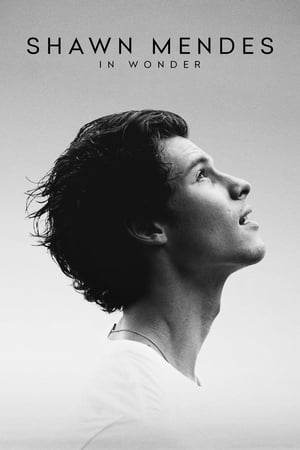
82%
Shawn Mendes: In Wonder(en)
2020-11-23
A portrait of singer-songwriter Shawn Mendes' life, chronicling the past few years of his rise and journey.

68%
Welcome to Chechnya(en)
2020-01-26
This searing investigative work shadows a group of activists risking unimaginable peril to confront the ongoing anti-LGBTQ program raging in the repressive and closed Russian republic. Unfettered access and a remarkable approach to protecting anonymity exposes this under-reported atrocity–and an extraordinary group of people confronting evil.
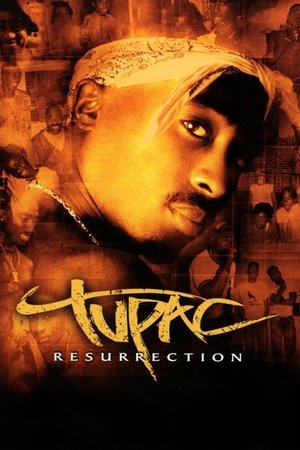
79%
Tupac: Resurrection(en)
2003-11-14
Home movies, photographs, and recited poetry illustrate the life of Tupac Shakur, one of the most beloved, revolutionary, and volatile hip-hop MCs of all time.

71%
In the Realms of the Unreal(en)
2004-01-15
In the Realms of the Unreal is a documentary about the reclusive Chicago-based artist Henry Darger. Henry Darger was so reclusive that when he died his neighbors were surprised to find a 15,145-page manuscript along with hundreds of paintings depicting The Story of the Vivian Girls, in What is Known as the Realms of the Unreal, of the Glodeco-Angelinnian War Storm, Cased by the Child Slave Rebellion.
Similar Movies

0%
Panic Bodies(en)
1998-10-10
"Panic Bodies is a 70-minute, six-part exploration of the ways we experience the body's betrayals: disease, decline and death. The film is a panorama of emotionally charged recollections of strange relatives and estranged siblings, staged recreations of fast-fading pasts and personal mythologies, and reflections on the anxious states created by the body's fragile claims on time and space. It's about being a stranger in your own skin. Panic Bodies perfects the phantom quality of any good work about mourning, but it is not reducible to that. It is also enlivened by the intimacy that comes from having made a spectacle of personal secrets." (Kathleen Pirrie Adams, Xtra)
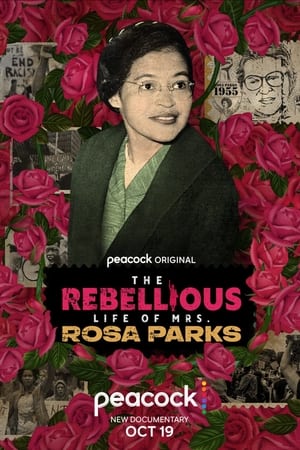
57%
The Rebellious Life of Mrs. Rosa Parks(en)
2022-06-16
Beyond her historic role in the Montgomery Bus Boycott, this comprehensive dive into Civil Rights icon Rosa Parks sheds light on her extensive organizing, radical politics, and lifelong dedication to activism.

0%
Imprint in Clay(en)
1993-01-01
“Sardar Gurcharan Singh was the father of studio pottery in India. "Daddyji" as most called him lovingly was very close to my father. I often tagged along to visit his home studio where pottery wheels were lined up under the big neem trees in his old brick house. My father wanted me to make a film on Daddyji, who was then 95. He was afraid that Daddyji's wonderful story would be left untold. He not only introduced studio pottery in India but due to his longevity, mentored many potters. So despite not knowing anything about films, I made the documentary, Imprint in Clay with a classmate of mine, which was mostly funded by my father.”
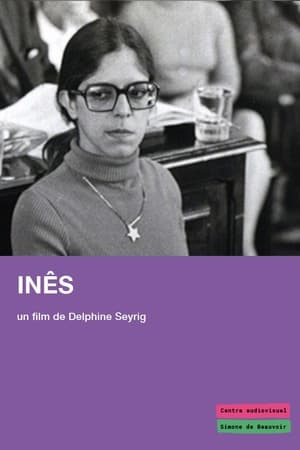
20%
Inês(fr)
1974-11-17
Inês Etienne Romeu was an opponent to the Brazilian's dictatorship. She was kidnapped, tortured and raped in jail, where she stayed for almost 100 days. She was later sentenced to life imprisonment. She stayed ten years in prison, from 1971 to 1979. Delphine Seyrig directed this film in 1974, when Inês was still in prison, protesting against this imprisonment and in support to Inês.
50%
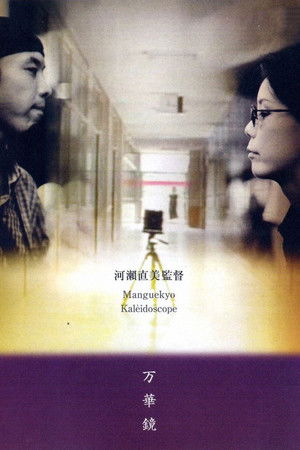
Kaleidoscope(ja)
1999-01-01
A photographer and a filmmaker challenge each other to shoot—one to photograph the other to film—two young actresses, one from Tokyo, the other from the countryside. The photographer seeks naturalism in his compositions, and Kawase observes and comments on his work. The competition between the photographer, the filmmaker, and the actresses creates a charged atmosphere.

90%
Que caramba es la vida(es)
2014-03-11
In the macho world of Mariachi music, very few women can hold their own. Just like the songs they play, this film is a snapshot of life, death and the things in between - seen from a bird's-eye perspective.

60%
Mr. X(en)
2014-01-20
The image of a mysterious, solitary filmmaker - a cineaste maudit - who flees from both the media and the public, is unrelentingly bound to the figure of Leos Carax, in France. Elsewhere, the real focus is on his films and he is considered to be an icon of world cinema. Mr.X dives into the poetic and visionary world of an artist who was already a cult figure from his very first film. Punctuated by interviews and unseen footage, this documentary is most of all a fine-tuned exploration of the poetic and visionary world of Leos Carax, alias "Mr.X".
0%
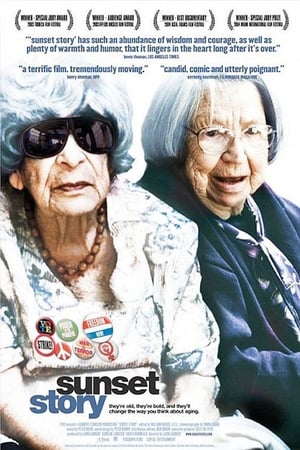
Sunset Story(en)
2003-10-09
The free-spirited denizens of Sunset Hall, a Los Angeles retirement home, haven't let advanced age stand in the way of their voicing their concerns about the social and political topics of the day. Documentary filmmaker Laura Gabbert focuses on two of the facility's more outspoken residents — irascible cynic Irja Lloyd and upbeat, wheelchair-bound Lucille Alpert — as they attend political rallies and discuss their often opposing viewpoints on hot-button issues.
76%
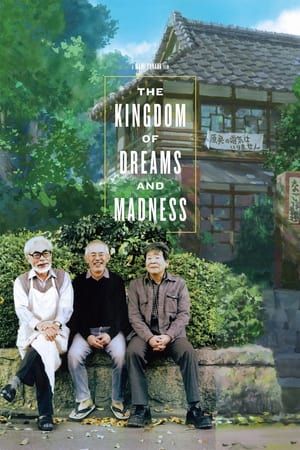
The Kingdom of Dreams and Madness(ja)
2013-11-16
Follows the behind-the-scenes work of Studio Ghibli, focusing on the notable figures Hayao Miyazaki, Isao Takahata, and Toshio Suzuki.
63%
Birth/Mother(ja)
2006-08-10
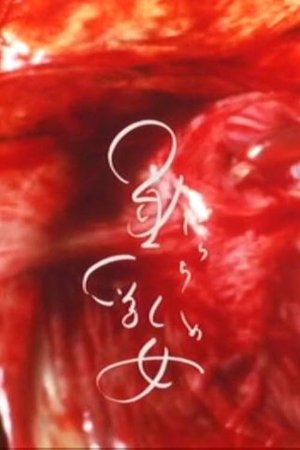
Tarachime is a documentary film which observes 'life' through childbirth. Kawase Naomi, a film director working under the theme of family, life and death, presents the bond of life through her own childbirth experience. "First, I was planning to film from the day I conceived a child and to the moment I gave birth. But I realized, while filming, that this is not the story of "one life." In the end, the film sublimed to a higher stage on which we can witness the knot tying one life with another."
0%
Face to Face: The Schappell Twins(en)
1999-01-01
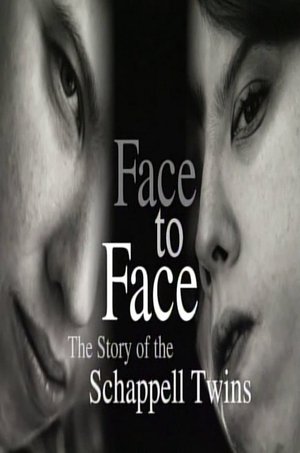
Two bodies and one mind, this is the extraordinary story of one pair of conjoined twins in today's world.
0%
Travelling with Tove(fi)
1993-01-01
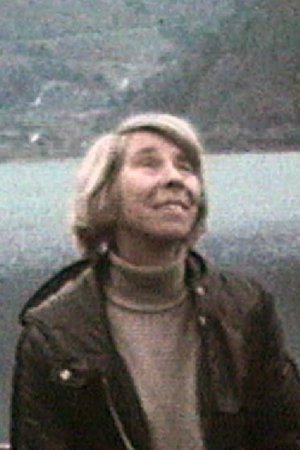
In early 1970s, the graphic designer Tuulikki Pietilä had seen enough of stative visual art and purchased a film camera from Japan. Her film immortalized her trips with Tove Jansson.
64%
Afternoon of a Faun: Tanaquil Le Clercq(en)
2014-02-05
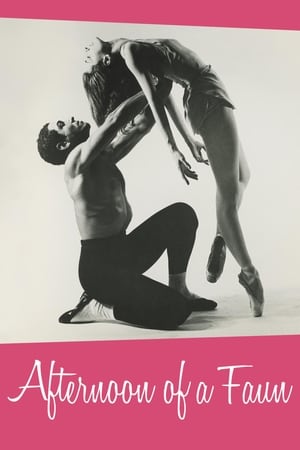
Of all the great ballerinas, Tanaquil Le Clercq may have been the most transcendent. With a body unlike any before hers, she mesmerized viewers and choreographers alike. With her elongated, race-horse physique, she became the new prototype for the great George Balanchine. Because of her extraordinary movement and unique personality on stage, she became a muse to two of the greatest choreographers in dance, George Balanchine and Jerome Robbins. She eventually married Balanchine, and Robbins created his famous version of Afternoon of a Faun for her. She had love, fame, adoration, and was the foremost dancer of her day until it suddenly all stopped. At the age of 27, she was struck down by polio and paralyzed. She never danced again. The ballet world has been haunted by her story ever since.
67%
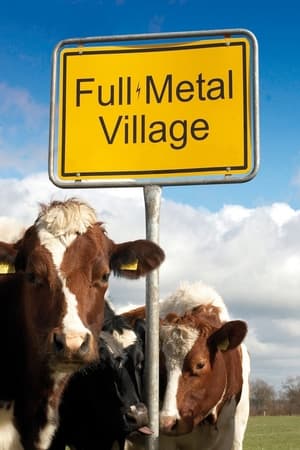
Full Metal Village(de)
2007-04-19
The film describes the microcosmos of the small village Wacken and shows the clash of the cultures, before and during the biggest heavy metal festival in Europe.
68%
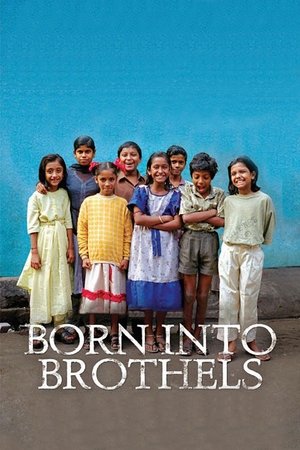
Born into Brothels: Calcutta's Red Light Kids(en)
2004-12-08
Documentary depicting the lives of child prostitutes in the red light district of Songachi, Calcutta. Director Zana Briski went to photograph the prostitutes when she met and became friends with their children. Briski began giving photography lessons to the children and became aware that their photography might be a way for them to lead better lives.
59%
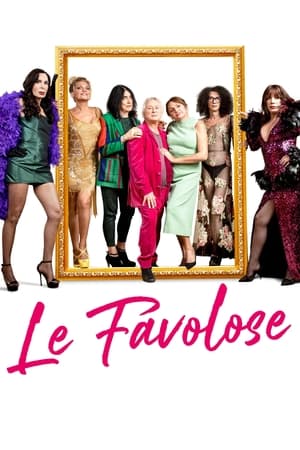
The Fabulous Ones(it)
2022-09-05
It often happens that at the moment of death, transgender individuals are shorn of their identity. Their families are ashamed, the funeral takes place in secret, and on the tomb appears the name the deceased had before their transition, in one stroke nullifying the entire life path they had chosen. The same thing happened to Antonia. Her girlfriends gather to honor her memory and give her back her identity denied. In telling her story, the film’s stars, all drawn from the variegated transgender world, interweave the narrative with tales of their own lives, experiences, and memories.
55%
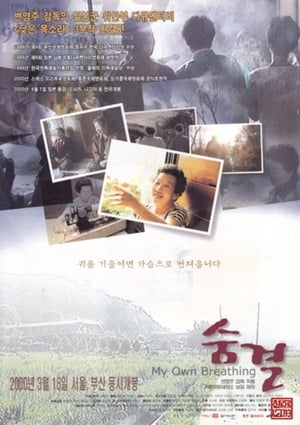
My Own Breathing(ko)
2000-03-18
"My Own Breathing" is the final documentary of the trilogy, The Murmuring about comfort women during the World War II directed by BYUN Young-joo. This is the completion of her seven years work. BYUN's first and second documentaries spoke of grandmothers' everyday life through the origin of their torment, while My Own Breathing goes back to their past from their everyday life. Deleting any device of narration or music, the camera lets grandmothers talk about themselves. Finally, the film revives their deep voices trampled by harsh history.
73%
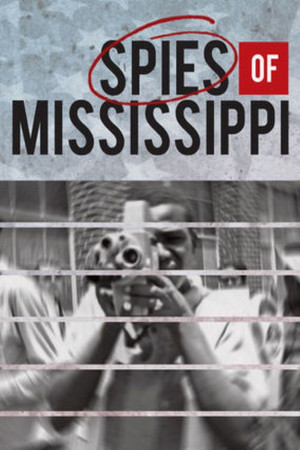
Spies of Mississippi(en)
2014-02-10
Spies of Mississippi tells the story of a secret spy agency formed by the state of Mississippi to preserve segregation and maintain white supremacy. The anti-civil rights organization was hidden in plain sight in an unassuming office in the Mississippi State Capitol. Funded with taxpayer dollars and granted extraordinary latitude to carry out its mission, the Commission evolved from a propaganda machine into a full blown spy operation. How do we know this is true? The Commission itself tells us in more than 146,000 pages of files preserved by the State. This wealth of first person primary historical material guides us through one of the most fascinating and yet little known stories of America's quest for Civil Rights.
58%
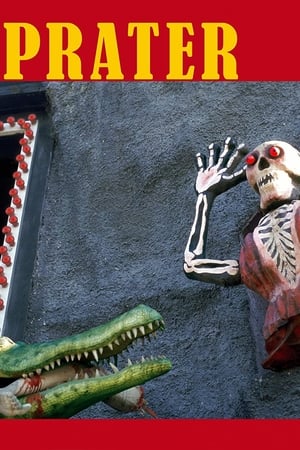
Prater(de)
2007-02-10
Vienna’s Prater is an amusement park and a desire machine. No mechanical invention, no novel idea or sensational innovation could escape incorporation into the Prater. The diverse story-telling in Ulrike Ottinger’s film “Prater” transforms this place of sensations into a modern cinema of attractions. The Prater’s history from the beginning to the present is told by its protagonists and those who have documented it, including contemporary cinematic images of the Prater, interviews with carnies, commentary by Austrians and visitors from abroad, film quotes, and photographic and written documentary materials. The meaning of the Prater, its status as a place of technological innovation, and its role as a cultural medium are reflected in texts by Elfriede Jelinek, Josef von Sternberg, Erich Kästner and Elias Canetti, as well as in music devoted to this amusement venue throughout the course of its history.