Loading Page
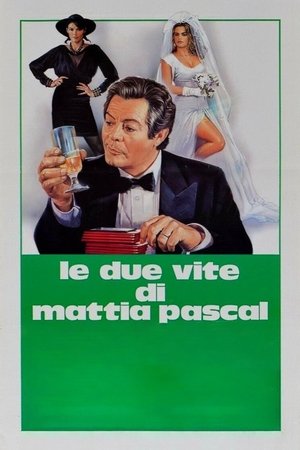
The 2 Lives of Mattia Pascal(1985)
Status: Released
Date: 1985-08-30
57%
22 Votes
Time: 2h 58m
Overview:
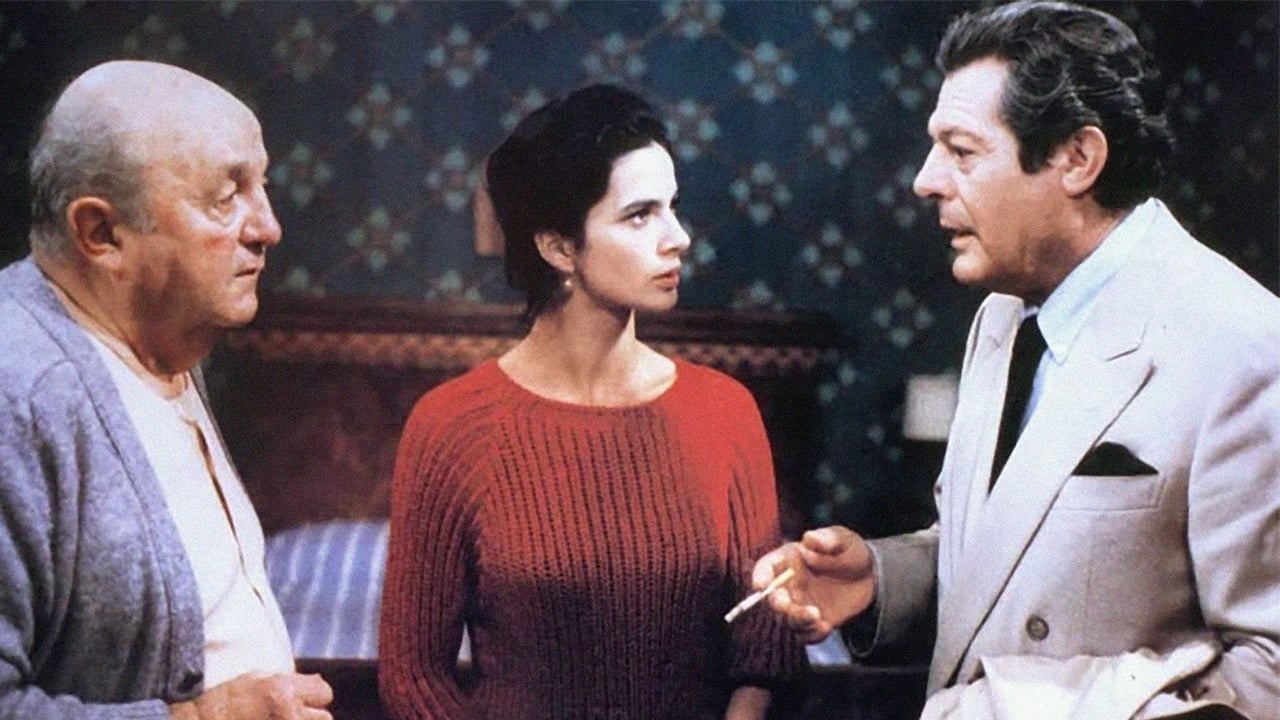
Based on 'Il fu Mattia Pascal', one of Pirandello's many stories concerning the transitory nature of the intangibles "truth" and "identity". Mattia Pascal is a downtrodden average man, treated like trash by his fiancée, scorned by his associates, and cheated out of his inheritance by contemptuous relatives. The dispirited Pascal heads to Monte Carlo, accruing a fortune and also assuming the identity of a less fortunate gambler who killed himself. The "new" Pascal is treated with a dignity and respect that overwhelms him--and nearly kills him.
Languages: Italian.
Countries:
Italy
ProductionCompanies: 

Excelsior Cinematografica
Movie: The 2 Lives of Mattia Pascal
Top 10 Billed Cast
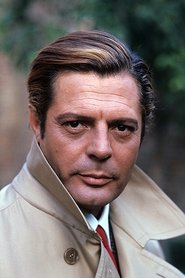
Marcello Mastroianni
Mattia Pascal
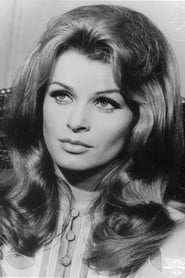
Senta Berger
Clara
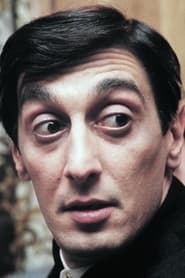
Flavio Bucci
Terenzio Papiano
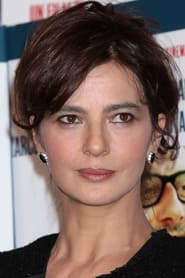
Laura Morante
Adriana Paleari
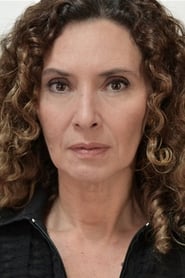
Laura del Sol
Romilda Pescatore
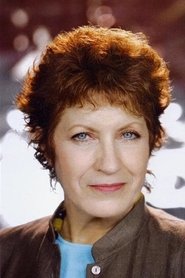
Andréa Ferréol
Silvia Caporale
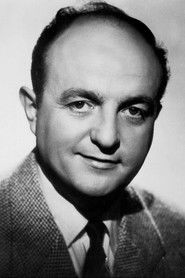
Bernard Blier
Anselmo Paleari
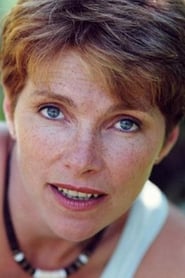
Caroline Berg
Véronique
Néstor Garay
Giambattista Malagna

Alessandro Haber
Mino Pomino
HomePage
Overview
Based on 'Il fu Mattia Pascal', one of Pirandello's many stories concerning the transitory nature of the intangibles "truth" and "identity". Mattia Pascal is a downtrodden average man, treated like trash by his fiancée, scorned by his associates, and cheated out of his inheritance by contemptuous relatives. The dispirited Pascal heads to Monte Carlo, accruing a fortune and also assuming the identity of a less fortunate gambler who killed himself. The "new" Pascal is treated with a dignity and respect that overwhelms him--and nearly kills him.
Release Date
1985-08-30
Average
5.7
Rating:
2.9 startsTagline
Genres
Languages:
Italiano
Recommendations Movies
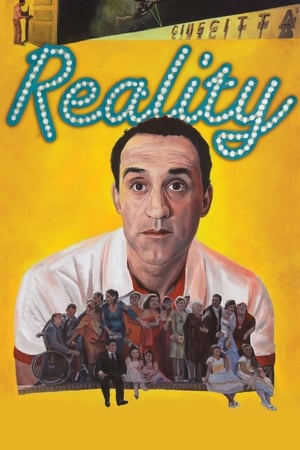
71%
Reality(it)
2012-05-04
A dark comedy centering on the lives of a Neapolitan based family whose father, a fish merchant, is so infatuated with the reality TV show "Grande Fratello" (the Italian version of "Big Brother") he starts living his life as if he were on it.
74%
Like Crazy(it)
2016-05-17
Two mental patients with opposite personalities ditch their Tuscan hospital and embark on an unpredictable exploration of the real world.
74%
The Mass Is Ended(it)
1985-11-15
The young priest Father Giulio returns to Rome, his hometown, after a long pilgrimage. Don Giulio hopes to live peacefully with his family and his friends, but discovers that many of them are depressed or frustrated, and some suicidal.
83%
We All Loved Each Other So Much(it)
1974-12-21
Three partisans bound by a strong friendship return home after the war, but the clash with everyday reality puts a strain on their bond.
75%
Ugly, Dirty and Bad(it)
1976-09-23
Giacinto lives with his wife, their ten children and various other family members in a shack on the hills of Rome. Some time ago he has lost his left eye while at work, and got a consistent sum of money from the insurance company, which he keeps hidden from the rest of the family. His whole life is now based on defending the money he sees as his own, while the rest of the family tries to kill him.
61%
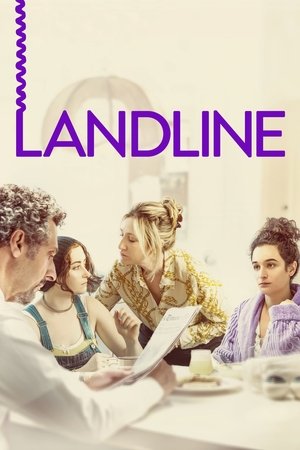
Landline(en)
2017-07-21
A teenager living with her sister and parents in Manhattan during the 1990s discovers that her father is having an affair.
70%
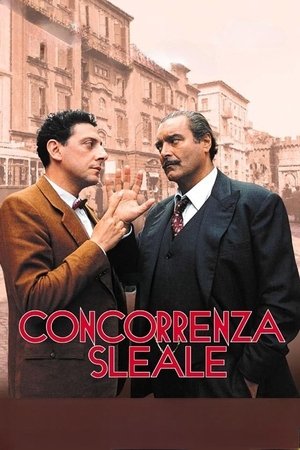
Unfair Competition(it)
2001-02-23
Two linen fabric dealers with their shops close to one another, battle against each other for more and more costumers. Umberto constantly loses clients because of the tough competition brought by Leone, who offers the best prices in the neighborhood. But they leave differences aside when the rise of Fascism places Anti-Semitic politics which rigidly control business like the one conducted by the Jewish Leone, and those new regulations are viewed by Umberto as completely unfair. The long rivalry soon becomes a great friendship.
62%
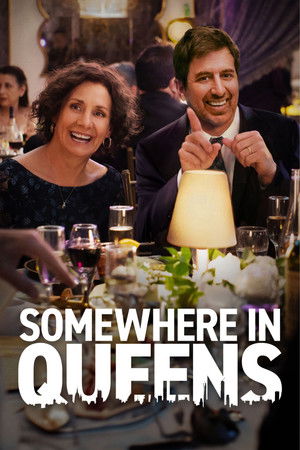
Somewhere in Queens(en)
2023-04-21
Leo and Angela Russo live a simple life in Queens, surrounded by their overbearing Italian-American family. When their son finds success on his high school basketball team, Leo tears the family apart trying to make it happen.
75%
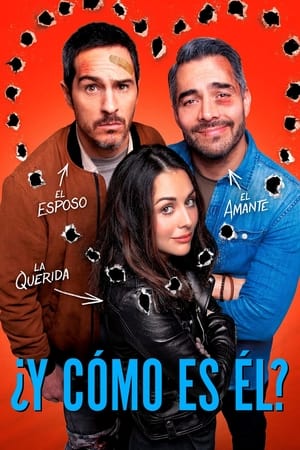
¿Y Cómo Es Él?(en)
2022-04-07
Thomas is a meek man on the verge of a nervous breakdown. Despite his situation he decides to fake a work trip to go to Vallarta to confront Jero, a taxi driver who is sleeping with his wife.
63%
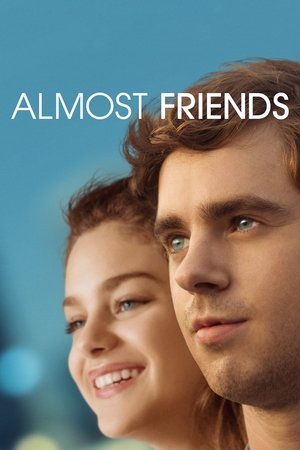
Almost Friends(en)
2017-11-17
A man in his mid-20s, still living at home with his mother and stepfather, puts all his eggs in one basket: the girl who works at his local coffee shop. The problem is, she has a serious boyfriend. As they become closer, the line between friendship and intimacy is blurred, and the situation forces both to examine where they are in their lives.
69%
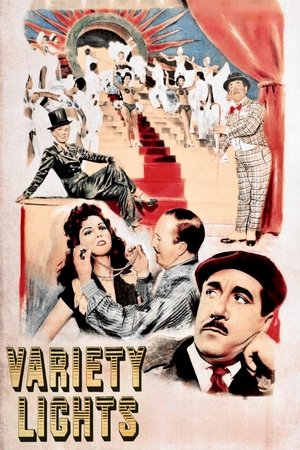
Variety Lights(it)
1950-12-06
In Italy, Checco Dal Monte manages a troupe of traveling performers with plenty of heart but minimal talent. At a small town engagement, he encounters the starry-eyed, gorgeous Lily Antonelli, and hires her as a dancer on the show. Vivacious Lily quickly sells out crowds and earns the resentment of Checco's mistress, Melina Amour, but the fledgling performer has far bigger ambitions and soon sets her sights on a higher-profile role.
67%
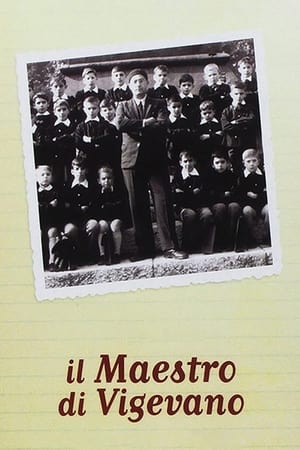
The Teacher from Vigevano(it)
1963-12-24
Primary school teacher Mr. Mombelli, nevertheless satisfied with his life, is driven by his wife to resign and starting a new activity. He invest all his goodwill setting up a footwear little factory.
65%
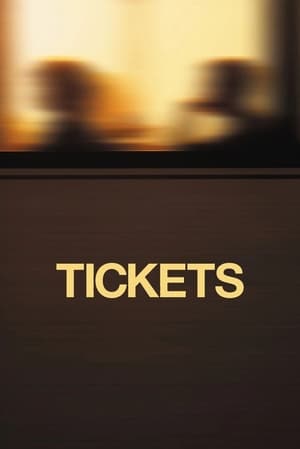
Tickets(it)
2005-03-25
A train travels across Italy toward Rome. On board is a professor who daydreams a conversation with a love that never was, a family of Albanian refugees who switch trains and steal a ticket, three brash Scottish soccer fans en route to a match, and a complaining widow traveling to a memorial service for her late husband who's accompanied by a community-service volunteer who's assisting her. Interactions among these Europeans turn on class and nationalism, courtesy and rudeness, and opportunities for kindness.

61%
Cosi(en)
1996-03-04
Lewis, a young amateur theater director, is offered a job with a governmental program for the rehabilitation of mentally ill patients in a Sydney institution. His project is overrun by one of the patients, who wants to stage the opera Cosi Fan Tutte by Mozart, despite the fact that none of the patients can sing or speak Italian. A comedy of errors ensues, but one which unifies the patients and their director in unexpected ways.

58%
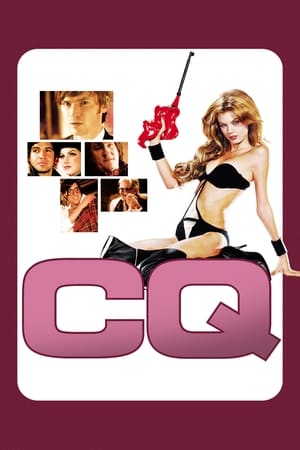
Remember Me, My Love(it)
2003-02-11
A middle-class Italian family is tore apart when the father meets an old flame, the mother—a frustrated onetime actress—auditions for a play, their insecure son tries to make friends through drugs, and their underaged daughter—who has already figured out how to use sex to her advantage—does what she does best to appear on TV.
69%
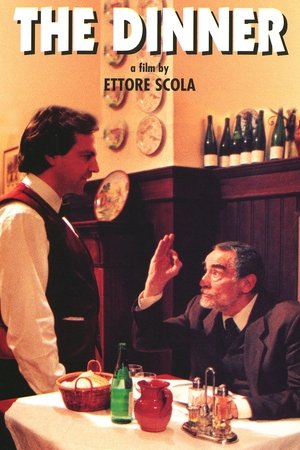
The Dinner(it)
1998-09-03
An evening at an Italian restaurant. Hosted by tolerant and relaxed Flora, various parties of middle-class people come in -- large and small, young and old, regulars and tourists, married and single -- to dine, converse, argue, celebrate, make confessions; to overhear other people's discussions, to interrupt them, to sing, listen to music, and enjoy life.

65%
Diva Futura(it)
2025-02-06
In 1980s - 1990s Italy, Riccardo Schicchi’s agency Diva Futura turns free love into porn, making stars of Ilona Staller, Moana Pozzi and others known around the world. Their fame leads to Cicciolina’s election and Pozzi’s mayoral run.
74%
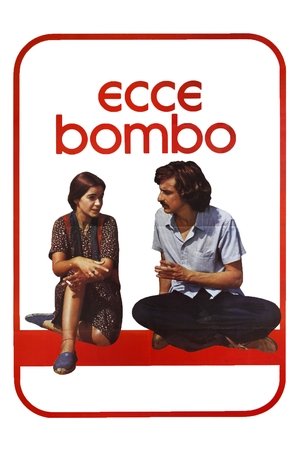
Ecce Bombo(it)
1978-03-08
Michele Apicella, Goffredo, Mirko, and Vito are four high school friends who were on the forefront of the political protests that characterized the second half of the 1960s. Now a few years older, the four friends are no longer politically active and struggle to come to terms with their present. Intellectually marginalized and disenchanted with contemporary society, they form a collective consciousness group to try to understand what to do with themselves.